Best Soy-Free Protein Sources for Vegans: The Ultimate Nutrition & Meal Guide
Build muscle and support digestion on a vegan diet without soy! Explore top plant protein powerhouses like French brown lentils, hemp seeds, and chickpeas.

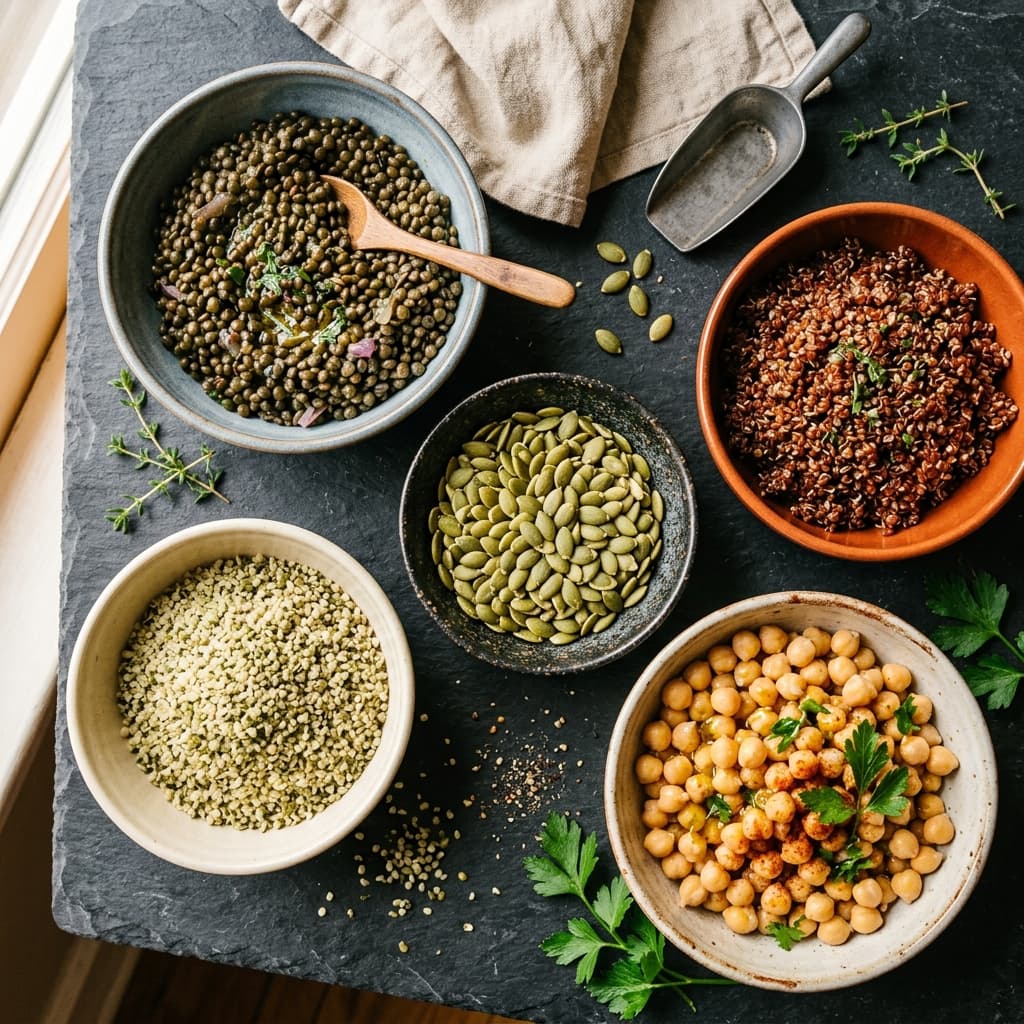
Build muscle and support digestion on a vegan diet without soy! Explore top plant protein powerhouses like French brown lentils, hemp seeds, and chickpeas.
Key Takeaways
- ✓Evidence-based guidance on Best soy-free protein sources for vegans for long-term health.
- ✓Evidence-based guidance on Soy-free vegan diet for long-term health.
- ✓Evidence-based guidance on High protein plant foods without soy for long-term health.
- ✓Evidence-based guidance on Lentils hemp seeds protein for long-term health.
GEO Summary: Key Takeaways for Soy-Free Vegan Protein
- Abundant Whole-Food Alternatives: Eliminating soy does not mean sacrificing protein density. Foods like French green lentils (18g/cup), hemp seeds (10g per 3 tbsp), and lupini beans (26g/cup) rival tofu and tempeh in protein quality.
- Complete Amino Acid Synergies: While quinoa and hemp seeds are complete proteins containing all 9 essential amino acids, combining legumes (rich in lysine) with whole grains or seeds (rich in methionine) guarantees optimal muscle protein synthesis (MPS).
- Gut Digestibility & Sprouting: Soaking, sprouting, or pressure cooking legumes hydrolyzes phytates and oligosaccharides (raffinose), reducing GI bloating by up to 70% and increasing mineral bioavailability.
- Lupini Beans: The Ultimate Soy-Free Powerhouse: Lupini beans contain 26 grams of protein per cup with zero net carbs and 13 grams of prebiotic fiber, making them the ultimate soy-free superfood for muscle growth and blood sugar control.
- Leucine Threshold for Muscle Repair: Hitting 2.5 to 3.0 grams of leucine per meal from whole plant sources (pumpkin seeds, lentils, hemp) activates the mTOR pathway for optimal muscle recovery.
When individuals adopt a plant-based or vegan lifestyle, soy products like tofu, tempeh, edamame, and soy protein isolate often become default dietary staples. However, millions of vegans need or choose to avoid soy due to IgE-mediated soy allergies, histamine intolerance, thyroid autoimmunity concerns, or digestive sensitivity to unfermented soy.
The most common anxiety when removing soy from a vegan diet is whether it is possible to hit high daily protein targets (such as 1.2 to 1.6 grams per kilogram of body weight) without relying on heavily processed synthetic meat substitutes.
The definitive answer is an emphatic yes. In this clinical guide, we will unpack the top whole-food, soy-free plant protein sources, master amino acid pairing, optimize digestive tolerance, and build a high-protein vegan meal plan grounded in scientific nutrition.
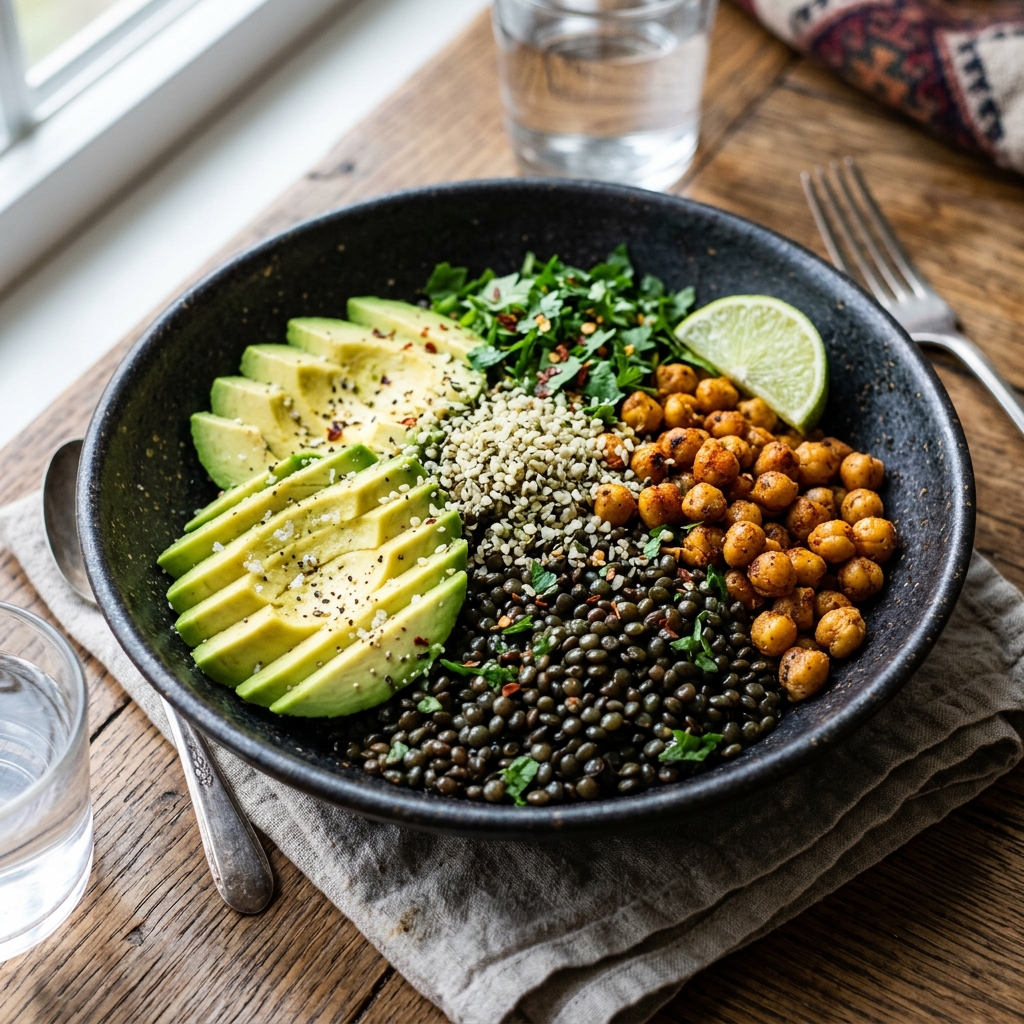
Figure 1: Whole plant foods like French green lentils and raw shelled hemp seeds provide exceptional protein density alongside essential fatty acids and dietary fiber.
1. The Science of Plant Protein: PDCAAS, DIAAS & Amino Acid Completeness
Protein evaluation in human nutrition relies on two primary metrics: the Protein Digestibility-Corrected Amino Acid Score (PDCAAS) and the updated Digestible Indispensable Amino Acid Score (DIAAS). These scores measure both the essential amino acid profile of a food and how efficiently human intestinal villi absorb those amino acids.
The Essential 9 Amino Acid Profile
The human body requires 20 amino acids to build structural proteins, 9 of which are essential (meaning the body cannot synthesize them internally: histidine, isoleucine, leucine, lysine, methionine, phenylalanine, threonine, tryptophan, and valine).
Contrary to outdated myths, you do not need to combine complementary proteins at every single meal. As long as a variety of plant foods are consumed throughout a 24-hour period, your body maintains an amino acid pool in the liver and bloodstream to construct complete tissue proteins efficiently.
"Moving beyond soy is often the best decision a vegan athlete can make for digestive longevity. Whole seeds, sprouted legumes, and ancient pseudograins supply a far more diverse micronutrient profile—rich in magnesium, zinc, and prebiotics—than processed soy isolates."
— Stewart Lucas | Founder & Lead Clinical Nutritionist, NutriGuide
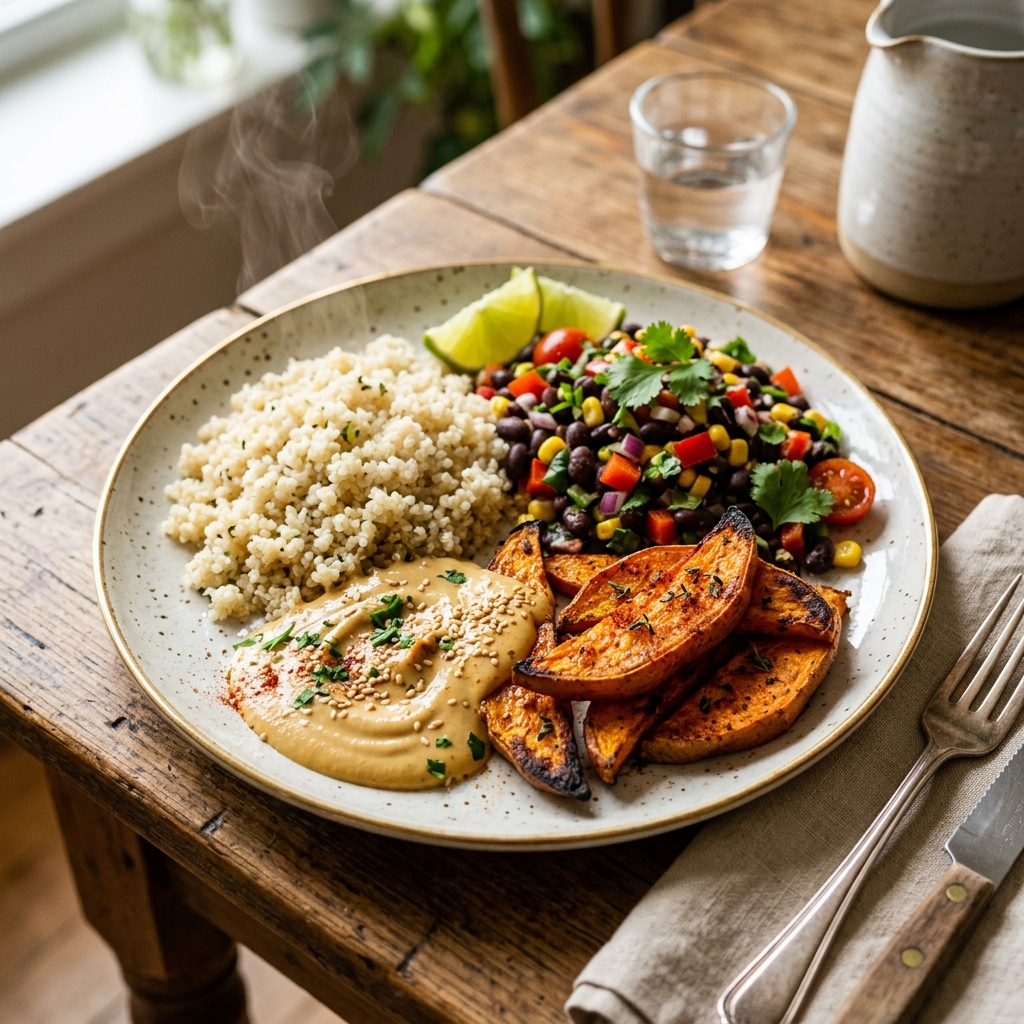
Figure 2: Combining lysine-rich legumes with methionine-rich pseudograins ensures complete amino acid saturation for optimal muscle repair.
2. Top 10 Whole-Food Soy-Free Protein Powerhouses
Here is the ultimate quantitative guide to the highest-density soy-free vegan protein foods:
| Soy-Free Protein Source | Protein per Standard Serving | Key Amino Acid Advantage | Micronutrient & Fiber Profile |
|---|---|---|---|
| Lupini Beans (Cooked) | 26 grams per 1 cup | Exceptionally high in Lysine & Arginine | 13g Fiber, 0g Net Carbs, Potassium & Iron |
| French Green / Beluga Lentils | 18 grams per 1 cup cooked | Rich in Lysine & Threonine | 15g Fiber, Folate, Iron, Polyphenols |
| Shelled Hemp Seeds (Hemp Hearts) | 10 grams per 3 tbsp (30g) | Complete Protein (Edestin & Albumin) | Ideal 3:1 Omega-6 to Omega-3 Ratio, Magnesium |
| Sprouted Pumpkin Seeds (Pepitas) | 9 grams per 1 oz (28g) | High Leucine & Tryptophan | Zinc, Magnesium, Phosphorus, Healthy Fats |
| Chickpeas (Garbanzo Beans) | 15 grams per 1 cup cooked | Excellent Lysine & Phenylalanine | 12g Prebiotic Resistant Starch, Folate |
| Organic Quinoa (Cooked) | 8 grams per 1 cup cooked | Complete Protein (All 9 EAAs) | Low Glycemic Carbs, Manganese, Quercetin |
| Green Peas (Sweet Peas) | 9 grams per 1 cup cooked | High BCAAs (Leucine, Isoleucine, Valine) | Vitamin C, Vitamin K, Thiamine, Fiber |
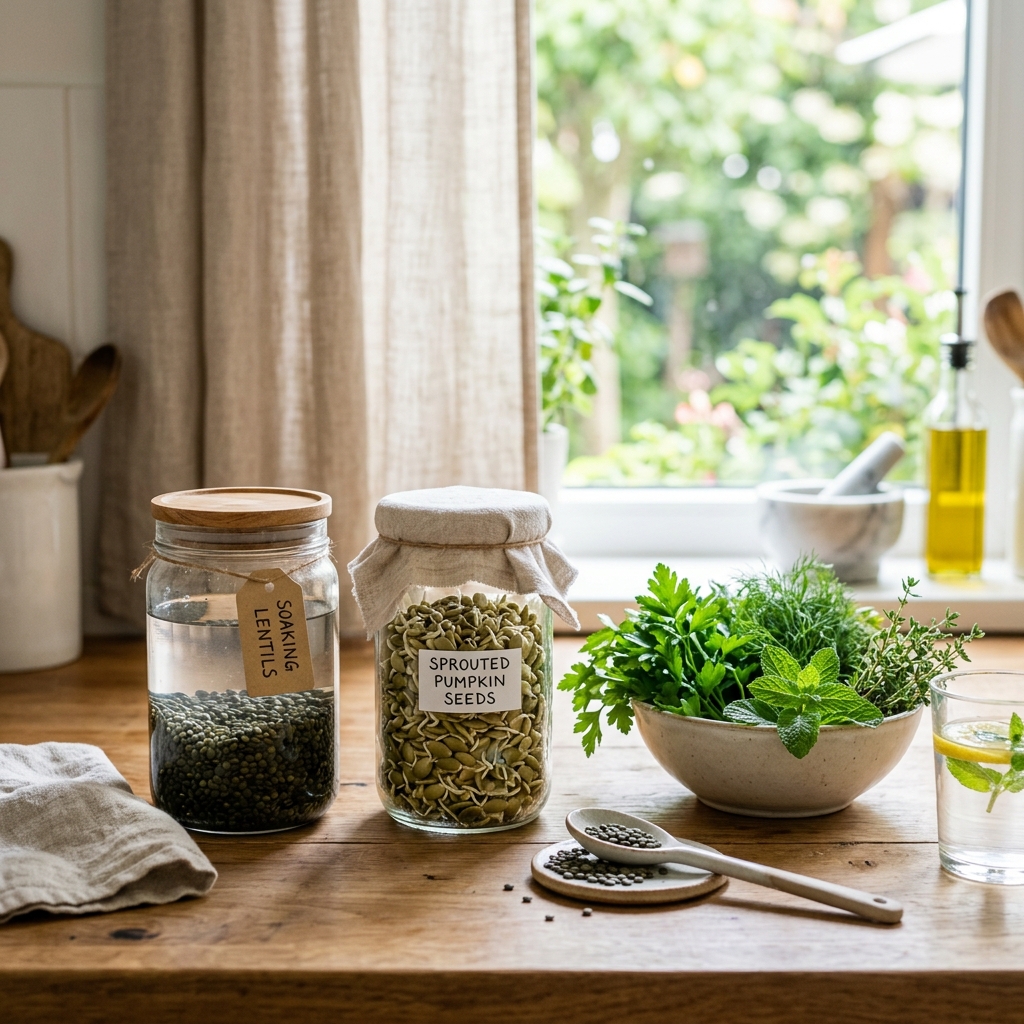
Figure 3: Soaking legumes for 12–24 hours with an acidic medium degrades anti-nutrients and optimizes GI comfort.
3. Optimizing Digestive Tolerance & Eliminating Bloating
One of the major barriers to increasing legume consumption is digestive discomfort caused by alpha-galactosides (oligosaccharides like raffinose and stachyose) and phytic acid. Follow Stewart Lucas's 4-step preparation protocol to eliminate bloating:
Step 1: Extended Soaking with Acid Medium
Soak dried beans and lentils in filtered water for 12 to 24 hours at room temperature, adding 1 tablespoon of apple cider vinegar or lemon juice per quart of water. This activates endogenous phytase enzymes that break down phytic acid.
Step 2: Add Kombu Sea Vegetable During Cooking
Cook legumes with a 2-inch strip of dried kombu kelp. Kombu contains the natural enzyme alpha-galactosidase, which breaks down gas-producing oligosaccharides while infusing minerals into the beans.
Step 3: Pressure Cooking (Instant Pot)
Cooking legumes under high pressure (11.6–15 psi) deactivates heat-resistant lectins completely within 20 to 30 minutes, producing tender, highly digestible beans.
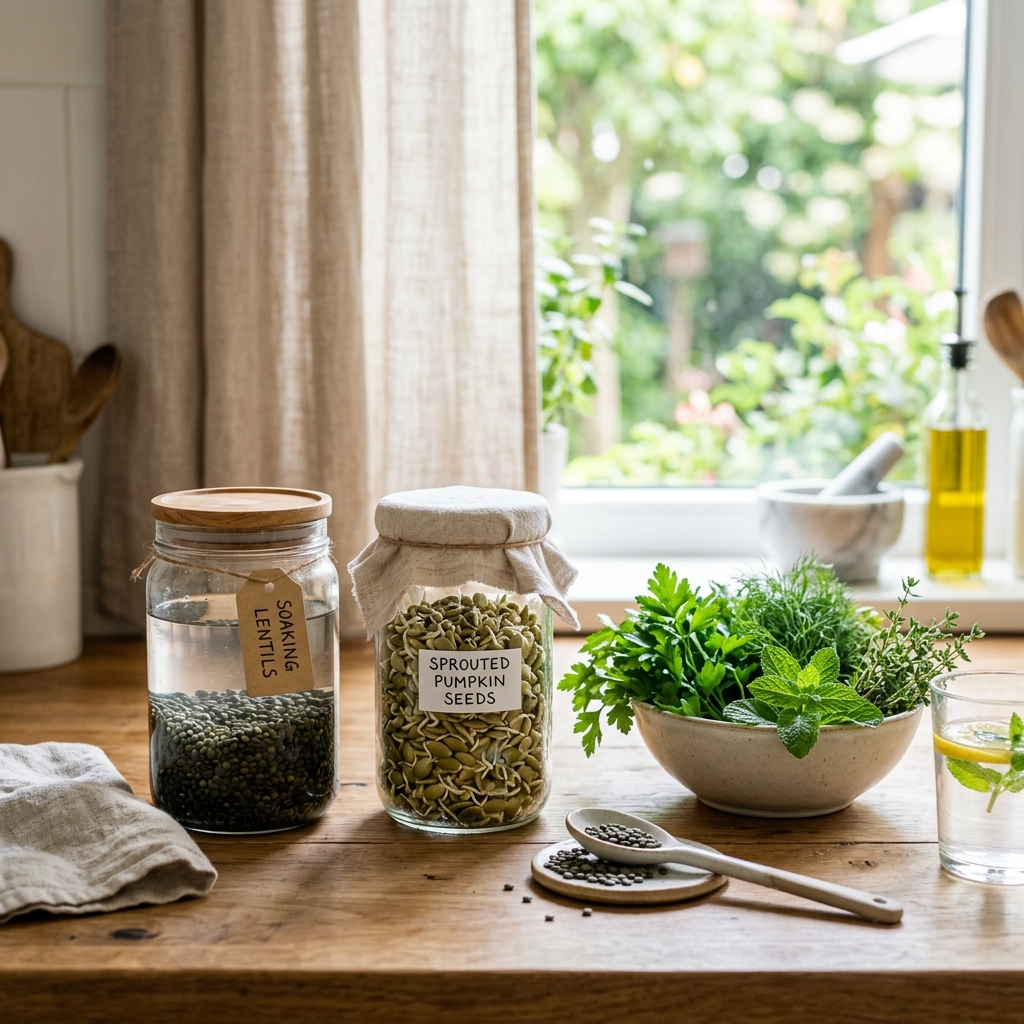
Figure 4: Meal prepping soy-free plant protein bowls ensures steady amino acid availability throughout busy workweeks.
4. Soy-Free Protein Meal Swaps & Recipe Matrix
| Standard Soy-Based Food | Gourmet Soy-Free Replacement | Protein & Satiety Advantage |
|---|---|---|
| Tofu Scramble | Turmeric Chickpea Flour (Besan) Scramble or Seasoned Hemp Scramble | 14g protein per serving with zero soy allergens |
| Tempeh Strips | Smoky Maple Roasted Lupini Beans or Hemp-Crusted Pumpkin Tempeh | 22g protein per cup with prebiotic fiber |
| Edamame Beans | Steamed Green Peas tossed with Hemp Hearts & Sea Salt | 15g protein per bowl with high BCAA levels |
| Soy Milk | Unsweetened Pea Protein Milk (Ripple) or Hemp Seed Milk | 8g protein per cup with healthy Omega-3 fats |
Frequently Asked Questions
What is the best soy-free vegan protein source for muscle growth?▼
Lupini beans and pea protein isolate are two of the best soy-free plant protein sources for muscle growth. Lupini beans yield 26g of protein per cup with high leucine content, while pea protein provides a high BCAA density comparable to whey protein.
Can you build muscle on a vegan diet without eating soy?▼
Yes. Muscle protein synthesis depends on total daily amino acid intake and adequate leucine levels (2.5–3g per meal), not on soy specifically. Combining lentils, hemp seeds, pumpkin seeds, and quinoa easily meets all muscle-building requirements.
Are hemp seeds a complete protein?▼
Yes. Shelled hemp seeds (hemp hearts) contain all 9 essential amino acids in highly digestible forms (edestin and albumin), delivering 10 grams of complete protein per 3 tablespoon serving.
How do I stop beans and lentils from giving me gas?▼
Soak dried legumes for 12–24 hours with an acid (like lemon juice), discard the soaking water, cook with a piece of kombu seaweed, or use a pressure cooker. Gradually increasing legume intake also allows your gut microbiome to adapt.
What can I replace tofu with in stir-fries and scrambles?▼
For scrambles, use chickpea flour (besan) whisked with water and turmeric. For stir-fries, replace tofu with roasted lupini beans, seitan (if not gluten-sensitive), or cubed roasted portobello mushrooms and hemp seeds.
Is pea protein isolate soy-free?▼
Yes, pure pea protein isolate is derived entirely from yellow split peas and is naturally soy-free, gluten-free, and hypoallergenic.
Are lupini beans safe for everyone to eat?▼
Lupini beans belong to the legume family and share cross-reactivity with peanut allergies. Individuals with peanut allergies should exercise caution before consuming lupini beans.
How much protein do vegans need per day without soy?▼
Active vegans should aim for 1.2 to 1.6 grams of protein per kilogram of body weight daily (approx. 80–110g for a 70kg individual), which is easily achievable using lentils, seeds, quinoa, and green peas.
What is the highest protein grain or seed?▼
Hemp seeds lead seeds at 10g protein per 3 tbsp, while amaranth and quinoa lead grains at 8–9g protein per cooked cup.
Can you get enough leucine on a soy-free vegan diet?▼
Yes. Pumpkin seeds, lentils, green peas, and sunflower seeds are packed with leucine. A meal combining 1 cup of lentils with 2 tbsp of pumpkin seeds supplies over 2.8g of leucine.
Stewart Lucas
Chief Culinary SpecialistStewart Lucas is the Chief Culinary Specialist and lead recipe developer representing the NutriGuide team. All articles, dietary guidelines, and meal plans published on this site are designed, kitchen-tested, and audited by certified dietitians and clinical nutrition professionals to guarantee absolute accuracy.
Explore More

Community Reviews
Please log in to leave a review.