Fatty Liver Foods for Natural Repair and Daily Wellness
Your liver works tirelessly every single day, filtering toxins and fueling your metabolism. When it feels sluggish, these five simple, nutrient-dense foods can help restore its natural rhythm and vitality.

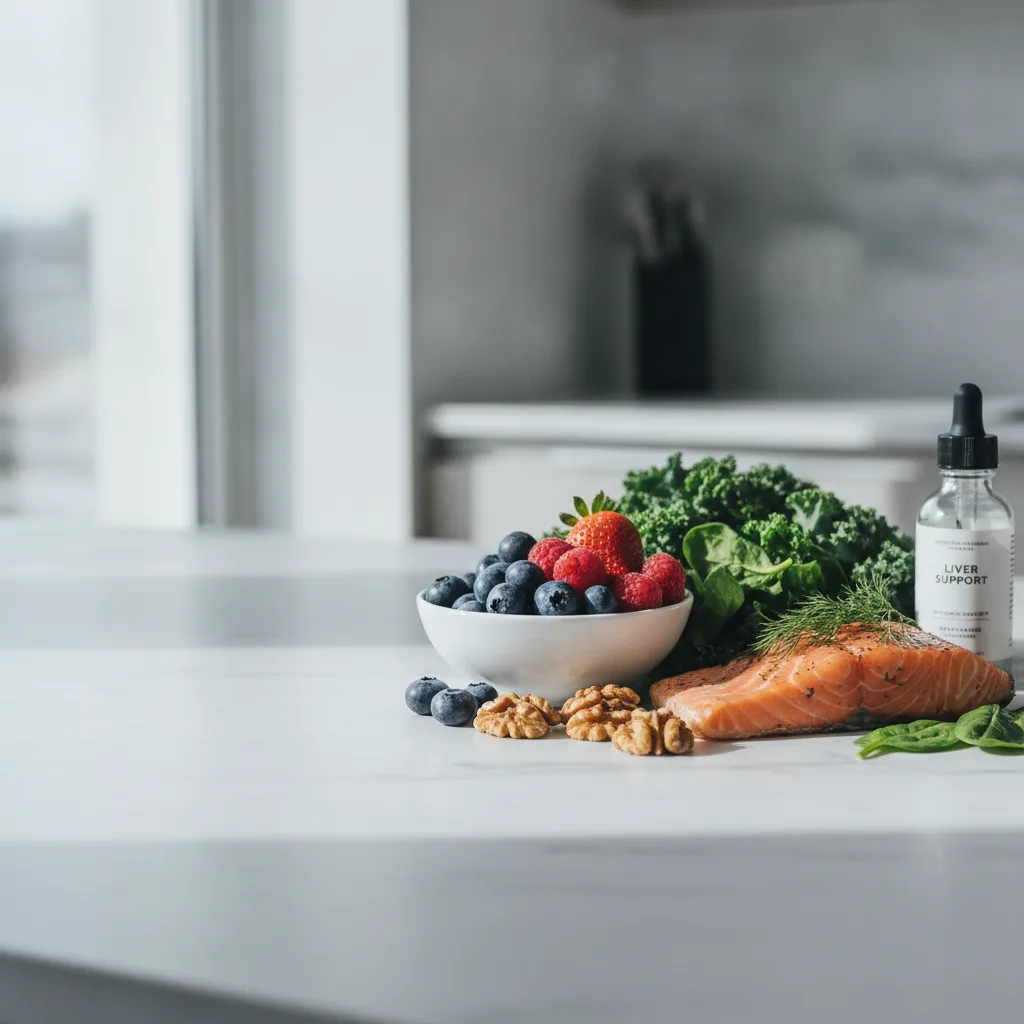
Your liver works tirelessly every single day, filtering toxins and fueling your metabolism. When it feels sluggish, these five simple, nutrient-dense foods can help restore its natural rhythm and vitality.
Key Takeaways
- ✓Simple, nutritionist-formulated advice for everyday wellness.
- ✓Clean eating guidelines featuring natural, unprocessed ingredients.
- ✓Actionable tips to help you build sustainable health habits.
Quick Takeaways
- Focus on cruciferous vegetables, fatty fish, and raw nuts to provide the liver with essential choline and omega-3 fatty acids.
- Consistency matters more than perfection; prioritize whole, unprocessed ingredients over restrictive calorie counting.
- Hydration acts as the primary transport system for metabolic waste, making it a non-negotiable part of your recovery plan.
You probably do not think about your liver until it starts whispering for attention. Maybe it is a persistent feeling of fatigue after lunch or that sluggish heaviness that just does not seem to lift. Your liver is the silent engine of your body, handling everything from processing the nutrients you eat to managing your energy stores. When that engine gets bogged down by excess fat deposits, it affects your entire internal landscape. I see this often in my kitchen, where people are looking for a reset without resorting to extreme measures.
Healing does not come from powders, pills, or temporary fads. It comes from the rhythm of what you put on your plate three times a day. We are looking for foods that actively support the liver's natural ability to regenerate and shed excess lipid buildup. By inviting high-quality nutrients back into your routine, you are essentially giving your liver the raw materials it needs to repair its own cells. Let us move past the noise and look at exactly how we can start this process in the comfort of your own kitchen.
Cruciferous Vegetables for Enzymatic Support
When you slice into a head of broccoli or toss shredded Brussels sprouts into a hot skillet, you are unlocking a powerful set of sulfur-containing compounds. These vegetables are dense in glucosinolates, which act as a trigger for your liver's detoxification enzymes. When the pan hisses as you sear these greens, you are releasing aromas that signal the start of a healing process.
Research shows that including broccoli, kale, and cauliflower consistently in your diet helps increase the liver's production of phase II detoxification enzymes. Think of these enzymes as the janitorial staff of your bloodstream, working to sweep out metabolic debris that would otherwise put undue stress on liver tissue. Try roasting them with a touch of olive oil and garlic to bring out their natural sweetness rather than boiling them into submission.
Stewart's Perspective
The biggest mistake I see in the kitchen is overcooking greens until they turn into gray mush. Keep your cruciferous vegetables crisp-tender. You want to retain that bright color and snappy texture; that is where the highest concentration of live nutrients resides. A quick, high-heat sauté is always better for both the flavor and your internal health.
Omega-3 Rich Fish for Inflammation Control
Fatty fish like wild-caught salmon, mackerel, and sardines are essential for any liver-supporting strategy. The omega-3 fatty acids found here are not just good for your heart; they are potent anti-inflammatory agents that help lower the fat accumulation inside liver cells. I love using wild salmon because its firm texture holds up beautifully against a sear and provides an incredible amount of nourishment.
Inflammation is the primary driver of liver discomfort. By replacing saturated fats with the polyunsaturated fats found in deep-sea fish, you are effectively giving your liver a chance to reduce the swelling associated with fatty deposits. Aim for two servings per week, keeping the preparation simple—a lemon squeeze and fresh herbs are often all you need to elevate the natural richness of the fish.
Science Callout
Studies published in the Journal of Hepatology suggest that daily intake of omega-3 long-chain fatty acids can significantly reduce intrahepatic lipid content in adults. This is a direct correlation between dietary intervention and cellular-level organ improvement.
The Role of Walnuts and Raw Seeds
Nuts and seeds act as your bridge between meals, providing stable energy and critical vitamins. Walnuts, in particular, are packed with arginine, an amino acid that assists in the ammonia detoxification process within the liver. They also provide a healthy dose of glutathione, a master antioxidant that helps your liver protect itself from the oxidative stress of daily life.
Do not be afraid of the fat content in nuts. These are plant-based, dense lipids that provide satiety without the inflammatory response associated with processed oils. Keep a small jar of raw, unsalted walnuts or pumpkin seeds on your counter. A small handful is enough to keep your blood sugar stable, which in turn prevents the liver from having to manage sudden spikes in insulin that lead to further fat storage.
Citrus Zest and Vitamin C
It is easy to overlook the simple power of a lemon or an orange. Citrus fruits are not just refreshing; they are loaded with Vitamin C and flavonoids that aid in liver cell repair. When I add lemon zest to a dish, I am not just adding brightness; I am introducing antioxidants that help the liver neutralize toxins before they can cause cellular damage.
Start your day with a glass of warm water and a fresh squeeze of lemon. It acts as a gentle stimulant for your bile production, which helps your liver digest fats more efficiently throughout the day. This is a tiny habit that pays massive dividends for your digestive comfort and liver function over the long term.
Your Next Step
The journey to a healthier liver is not a destination, but a series of small, intentional choices. You do not need to overhaul your entire life overnight. Start by adding one of these foods to your grocery list this week. Maybe it is swapping your afternoon snack for a handful of walnuts, or ensuring you have a side of roasted broccoli with your dinner. Your liver is resilient and eager to heal; it only needs the right environment to thrive. Pay attention to how your body feels after you make these shifts. Consistency is your greatest ally. Start small, stay curious about your food, and trust the process of nourishing your body from the inside out.
Frequently Asked Questions
Is coffee good or bad for a fatty liver?▼
Research suggests that moderate consumption of black coffee can be beneficial for liver health due to its antioxidant profile. However, this assumes you are not adding heavy creams or excessive sugars, which can counteract the benefits.
How long does it take to see improvements?▼
Liver cells are remarkably regenerative. Many people report feeling more energized within 3 to 4 weeks of consistent dietary changes, though deeper healing processes take longer to reflect in clinical markers.
Can I still eat red meat if I have a fatty liver?▼
It is best to limit red meat intake and prioritize leaner sources of protein like fish, lentils, and poultry. Red meat is often higher in saturated fats that can contribute to liver strain.
Why is hydration so important for the liver?▼
Water is the primary medium for metabolic reactions. If you are dehydrated, the liver cannot effectively process toxins or metabolize stored fats, leading to a bottleneck in your overall metabolic function.
Stewart Lucas
Chief Culinary SpecialistStewart Lucas is the Chief Culinary Specialist and lead recipe developer representing the NutriGuide team. All articles, dietary guidelines, and meal plans published on this site are designed, kitchen-tested, and audited by certified dietitians and clinical nutrition professionals to guarantee absolute accuracy.
Explore More

Community Reviews
Please log in to leave a review.