Chronobiology Dining: Sync Your Plate with Your Circadian Rhythm
Master the art of timing your nutrition to your body’s biological clock. Transform your energy, digestion, and vitality with Stwart Lucas’s cinematic approach to circadian eating.

Quick Summary: The Rhythm of Life
Chronobiology dining isn't a diet; it’s a symphony. By aligning your macronutrient intake with your master biological clock, you optimize metabolic efficiency. Eat with the sun, rest with the moon, and fuel your cellular repair.
The Cinematic Philosophy of Timing
Think of your metabolism as a high-performance engine. It demands specific fuel at precise intervals. When we eat in sync with our internal rhythm, we honor our biology. This is honest cooking meeting advanced science.
Morning: Ignite the Metabolism
Wake up and welcome the light. Your cortisol levels are peaking, readying you for action. Prioritize protein and healthy fats to stabilize blood sugar.
A cinematic, high-contrast shot of a golden-yolk poached egg on sourdough toast, garnished with micro-greens and chili flakes, bathed in warm morning sunlight coming through a window.
Midday: The Peak Performance Window
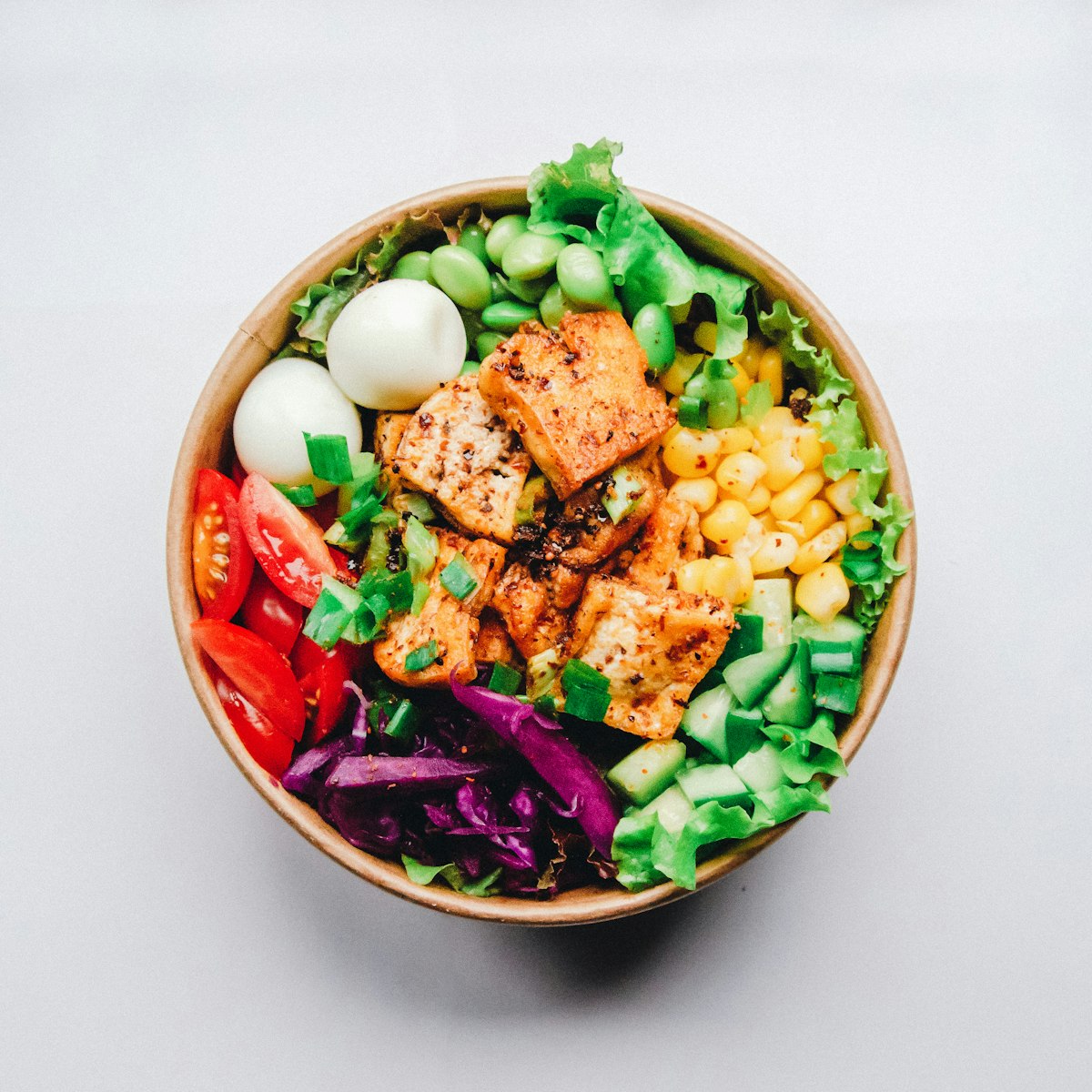
This is your metabolic zenith. Your body is primed to digest complex carbohydrates and fibrous vegetables. Enjoy a balanced, hearty meal to sustain your energy through the afternoon slump.
Evening: The Restoration Phase
As the sun dips, your body pivots toward repair. Keep dinner light, warm, and easily digestible. Avoid heavy fats or late-night snacks that disrupt your restorative sleep cycles.
Stwart's Secret: The 12-Hour Window
Aim for a 12-hour eating window. Finish your final meal at least three hours before sleep. It’s the ultimate artisanal hack for cellular longevity and waking up truly nourished.
A beautiful, moody evening flat-lay of a rustic wooden table with a bowl of steaming, vibrant vegetable broth, herbal tea in a ceramic mug, and soft, warm candle lighting.
Frequently Asked Questions
Does late-night snacking really disrupt sleep?
Yes. Digestion requires energy. When you eat late, your body prioritizes metabolic activity over deep, regenerative sleep.
Can I drink coffee at night?
Caffeine is a clock-shifter. Limit consumption to the morning hours to protect your natural sleep-wake cycle.
What if my work schedule is irregular?
Focus on 'meal spacing' rather than strict clock times. Consistency in the duration of your fasting window is the greatest tool for metabolic resilience.
Get the full guide
Download the complete PDF including grocery lists and meal prep instructions.

