7-Day Ayurvedic Reset: Restore Your Inner Balance and Vitality
You may be feeling sluggish and mentally scattered, searching for a path back to your natural baseline. By the end of these seven days, you will feel lighter, clearer, and more deeply connected to your body’s unique rhythmic needs.
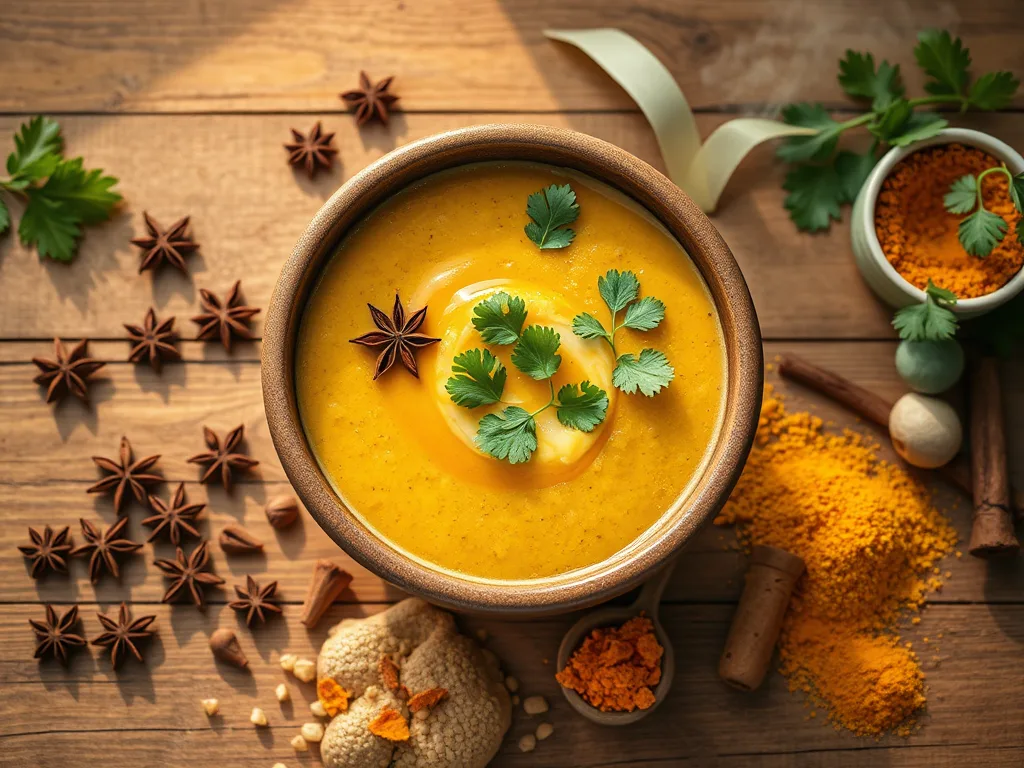
- Reset digestive fire to eliminate bloating and lethargy.
- Stabilize blood sugar levels through warm, nourishing whole foods.
- Achieve mental clarity by aligning intake with natural circadian rhythms.
7-Day Ayurvedic Balance Plan
Your Goal and Nutritional Science
This plan is designed to recalibrate your dosha by focusing on warm, cooked, and easily digestible meals that reduce inflammation. You will shift from processed food dependence to seasonal, mindful eating, expecting increased energy and reduced physical heaviness by Day 7.
This plan works because it prioritizes the Agni, or digestive fire, through the consumption of cooked, spiced, and nutrient-dense whole foods. By removing refined sugars and heavy, cold ingredients, we improve gut microbiome diversity and nutrient absorption, which stabilizes hormonal fluctuations and reduces systemic metabolic stress.
Your 7-Day Nourishment Schedule
| Day | Breakfast | Lunch | Dinner | Snack | Calories |
|---|---|---|---|---|---|
| Day 1 | Warm Spiced Oat Porridge | Red Lentil Dhal | Steamed Turmeric Fish | Stewed Apples | 1580 |
| Day 2 | Almond Milk Chia Pudding | Quinoa & Roasted Veg | Ginger Miso Soup | Toasted Walnuts | 1620 |
| Day 3 | Stewed Pears & Cardamom | Chickpea Spinach Curry | Mung Bean Stew | Pumpkin Seeds | 1550 |
| Day 4 | Millet Porridge | Warm Lentil Salad | Herbed Chicken Breast | Golden Milk | 1650 |
| Day 5 | Spiced Apple Compote | Vegetable Kitchari | Pan-Seared White Fish | Fresh Almonds | 1590 |
| Day 6 | Oatmeal with Cinnamon | Red Lentil Soup | Steamed Tofu & Bok Choy | Stewed Pears | 1610 |
| Day 7 | Warm Chia Porridge | Roasted Root Vegetables | Turmeric Lentil Soup | Walnuts | 1580 |
Weekly Shopping List
- Red Lentils (500g)
- White Fish Fillets (3)
- Organic Tofu (1 block)
- Chicken Breast (2)
- Sweet Potatoes (4)
- Spinach (2 bunches)
- Fresh Ginger (1 root)
- Apples (6)
- Quinoa (500g)
- Mung Beans (500g)
- Turmeric Powder
- Almond Milk (2 liters)
- Ghee (1 jar)
- Coconut Milk (1 can)
- Batch cook a large pot of Kitchari on Sunday to use for three lunches.
- Wash and chop all root vegetables immediately after returning from the store.
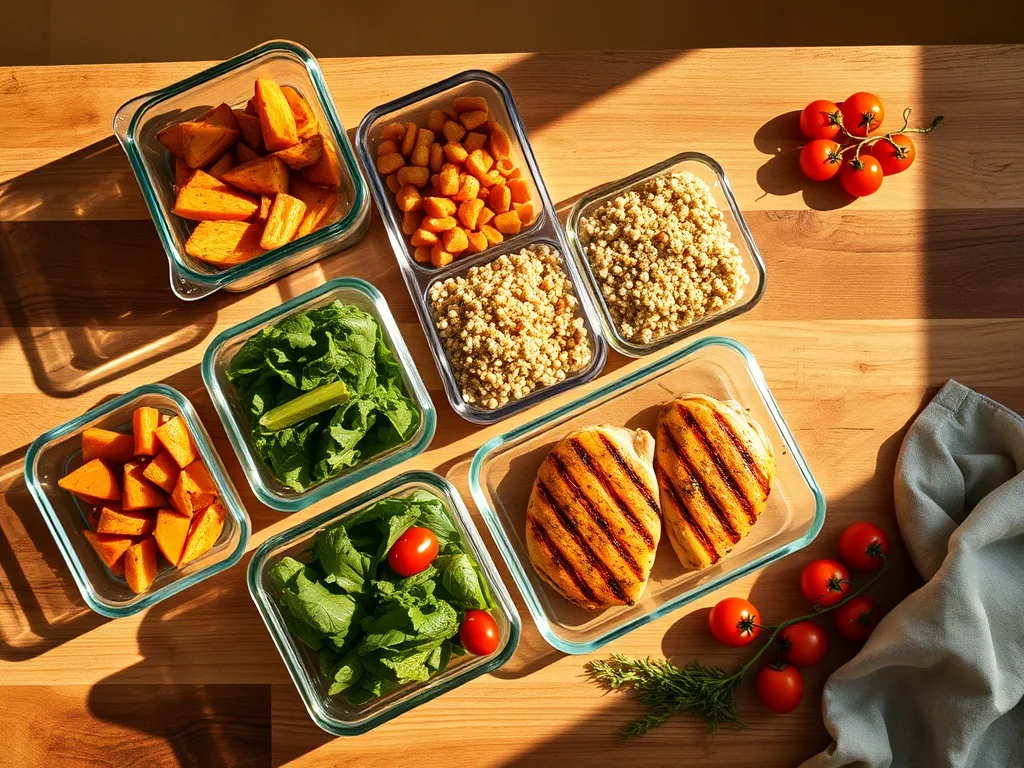
- Store cooked grains in glass containers to maintain freshness for four days.
- Keep fresh ginger peeled and stored in a glass of water in the fridge.
- Use a pressure cooker to speed up the cooking time for all legume dishes.
- Ice-cold beverages that extinguish your digestive fire.
- Processed snacks containing refined white sugar.
- Leftovers older than 48 hours.
- Raw kale and overly fibrous salads in the evening.
- Eating dinner within two hours of bedtime.
- Distracted eating while using your smartphone.
Progress Check
Expect mild detox symptoms and increased hunger as your body adjusts to natural fiber.
Notice flatter abdominal profile and a significant lift in afternoon mental clarity.
Observe sustained energy levels; integrate one new Ayurvedic habit into your daily routine.
Frequently Asked Questions
Can I do this diet if I am vegetarian?
Yes, simply replace the chicken and fish in this plan with extra servings of pan-seared tofu, tempeh, or chickpeas to meet your protein needs.
Is coffee allowed on this Ayurvedic plan?
It is recommended to replace coffee with warm herbal teas like ginger or tulsi to avoid overstimulating your nervous system during this reset.
Why should I avoid cold water during meals?
According to Ayurvedic principles, cold water slows down digestive enzymes; warm or room temperature water supports efficient nutrient breakdown.
What if I feel hungry between meals?
If hunger persists, opt for a small serving of stewed fruit or a handful of raw nuts rather than processed snacks.
Can I prep all my meals at once?
While you can prep components like grains and beans, Ayurvedic philosophy suggests that fresh, warm food provides the most Prana or life energy.
Next Steps
- Continue prioritizing one warm, cooked meal per day.
- Practice mindful chewing to aid your natural digestion.
- Monitor your energy spikes after meals to identify potential food sensitivities.
Get the Full Guide
Download the complete PDF version including grocery lists and meal prep instructions for easy printing and offline reading.

Stewart Lucas
Certified Nutritionist & Culinary CoachStewart Lucas is the founder of NutriGuide. With over a decade of clinical experience in nutrition, hormone balance, and dietetic consulting, Stewart simplifies home cooking with science-backed diet plans, healthy ingredient hacks, and easy culinary techniques.
Explore More
Community Reviews
Please log in to leave a review.