7-Day Prenatal Nutrition Blueprint: First Trimester Essentials
Navigating the first trimester can be overwhelming, but nourishing your body properly provides the foundation for a healthy pregnancy. By Day 7, you will feel more energized, experience balanced blood sugar, and gain confidence in your daily nutritional choices.
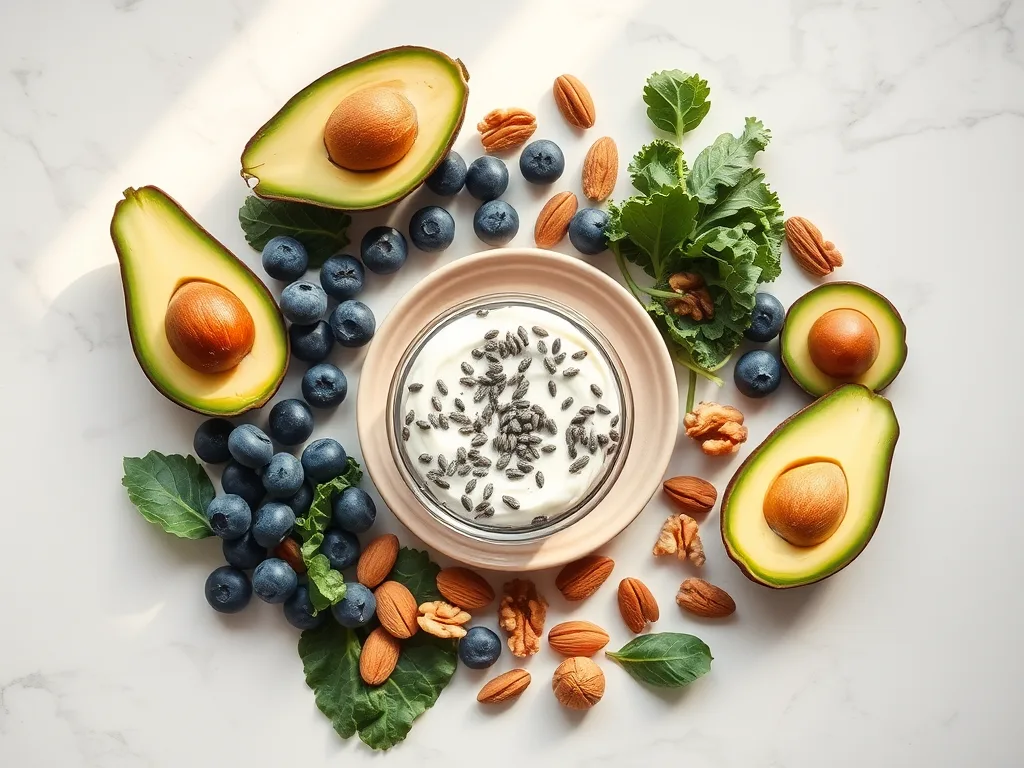
Key Takeaways
- Stabilized blood glucose to minimize morning sickness triggers.
- Increased folate and iron intake for essential fetal development.
- Structured meal timing to manage early pregnancy fatigue.
7-Day Prenatal Nutrition Blueprint
Your Goal and Nutritional Science
This plan is designed to provide dense, bioavailable nutrients while respecting the delicate appetite changes common in the first trimester. By following this structure, you will support fetal neural tube formation and maternal energy levels through targeted macronutrient balancing.
The nutritional science behind this blueprint relies on stabilizing insulin response to prevent blood sugar crashes that exacerbate nausea. We prioritize complex carbohydrates for sustained energy, choline-rich foods for cognitive development, and adequate hydration to support increased blood volume expansion during early pregnancy.
7-Day Meal Plan
| Day | Breakfast | Lunch | Dinner | Snack | Calories |
|---|---|---|---|---|---|
| Day 1 | Steel-cut oats with walnuts and berries | Quinoa salad with chickpeas and feta | Herb-roasted chicken with lemon wild rice | Greek yogurt with hemp seeds | 1850 |
| Day 2 | Scrambled eggs with spinach and sourdough | Lentil soup with crusty whole grain bread | Baked salmon with roasted sweet potatoes | Almonds and an apple | 1800 |
| Day 3 | Chia pudding with almond milk and mango | Grilled chicken wrap with avocado hummus | Lean ground turkey pasta with marinara | Cottage cheese with pineapple | 1750 |
| Day 4 | Whole grain toast with nut butter | Black bean bowl with lime and cilantro | Pan-seared cod with steamed asparagus | Edamame with sea salt | 1820 |
| Day 5 | Greek yogurt with chia seeds | Egg salad on mixed greens with sourdough | Sheet-pan steak with broccoli and carrots | Hummus with carrot sticks | 1880 |
| Day 6 | Oatmeal with flax and sliced banana | Roasted vegetable bowl with tahini | Roasted chicken with quinoa pilaf | Walnuts and dried apricots | 1790 |
| Day 7 | Smoothie with spinach and whey protein | Salmon salad with lemon vinaigrette | Lentil and vegetable stew | Sliced pears with sunflower butter | 1810 |
Weekly Shopping List
Proteins
- Chicken breasts (3 lbs)
- Salmon fillets (2)
- Ground turkey (1 lb)
- Cod fillets (2)
- Eggs (1 dozen)
Produce
- Spinach (1 large bag)
- Sweet potatoes (4)
- Broccoli (2 heads)
- Apples (3)
- Bananas (3)
Pantry Staples
- Steel-cut oats (1 bag)
- Quinoa (1 bag)
- Lentils (1 bag)
- Almonds (1 bag)
- Walnuts (1 bag)
Dairy & Alternatives
- Greek yogurt (32 oz)
- Almond milk (1 carton)
- Feta cheese (1 block)
- Cottage cheese (1 tub)
Meal Prep Tips
- 1. Batch-cook a large pot of quinoa on Sunday to use as a base for multiple lunches.
- 2. Hard boil six eggs at once for grab-and-go morning protein.
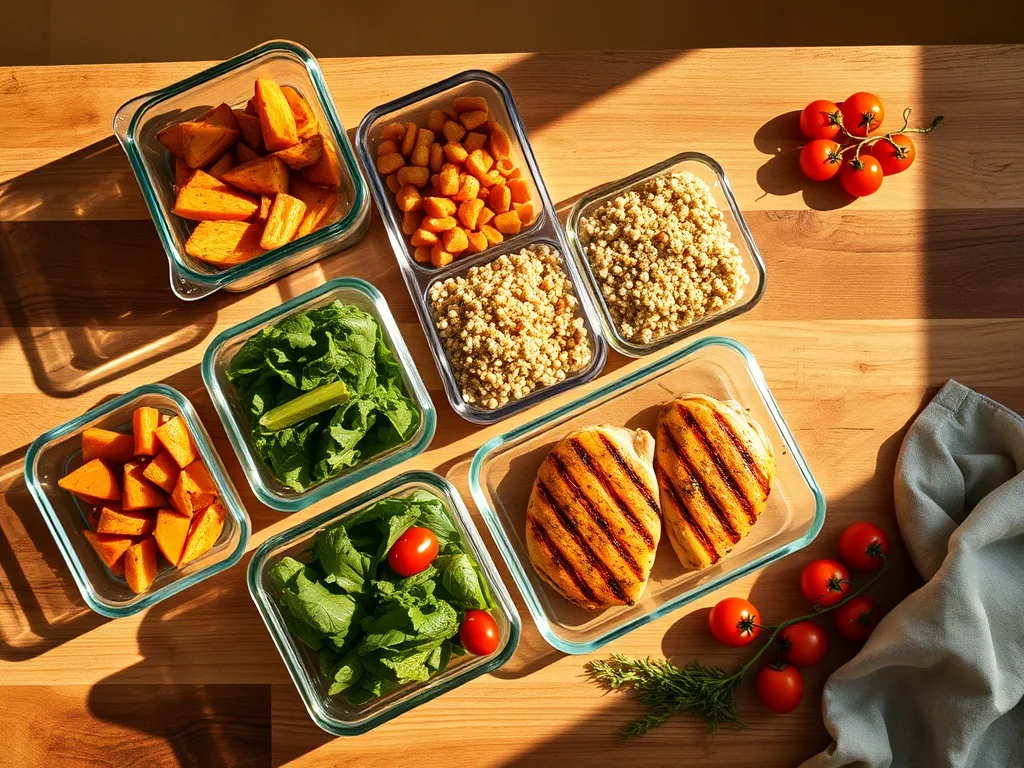
- 3. Keep chopped vegetables in glass airtight containers to save 15 minutes per dinner prep.
- 4. Freeze extra portions of soup immediately to prevent food waste and ensure a quick meal option.
- 5. Portion out nut snacks into small bags for easy access when hunger strikes unexpectedly.
What to Avoid
- 1. Unpasteurized soft cheeses like brie or feta.
- 2. Raw or undercooked fish, including sashimi.
- 3. High-mercury fish like swordfish or shark.
- 4. Excessive caffeine intake exceeding 200mg per day.
- 5. Unwashed produce that may contain toxoplasmosis.
- 6. Artificial sweeteners that disrupt blood sugar stability.
Progress Check
Expect minor hunger fluctuations; hydrate well to assist digestion.
Stable energy levels and improved regularity should be evident.
Higher confidence in nutritional choices and established routine.
FAQ
Can I do this diet if I am vegetarian?
Yes, you can substitute chicken and fish with plant-based proteins like tempeh, tofu, or extra lentils to maintain the necessary protein levels. Ensure you monitor your iron and B12 intake carefully when removing animal proteins.
Is this plan safe for morning sickness?
This plan focuses on small, frequent meals which are often easier to tolerate when experiencing nausea. If you feel ill, prioritize the simpler complex carbs like plain quinoa or oats.
How much water should I drink?
Aim for at least 8 to 10 cups of filtered water daily to support increased blood volume and kidney function. Carry a reusable bottle to ensure consistent intake throughout the day.
Can I adjust the calorie intake?
These targets are baseline recommendations for the first trimester; listen to your body and increase portions slightly if you feel overly fatigued or hungry. Consult your obstetrician before making significant calorie adjustments.
Are the meals expensive to make?
The plan relies on pantry staples like lentils and grains which are very budget-friendly. Shopping for seasonal produce will further keep your weekly grocery bill manageable.
Next Steps
- Schedule a consultation with your primary care provider to discuss your specific prenatal requirements.
- Continue tracking your energy levels and hunger cues to personalize your meal portions.
- Focus on hydration and consistent meal timing as your pregnancy progresses into the second trimester.
Get the Full Guide
Download the complete PDF version including grocery lists and meal prep instructions for easy printing and offline reading.

Stewart Lucas
Certified Nutritionist & Culinary CoachStewart Lucas is the founder of NutriGuide. With over a decade of clinical experience in nutrition, hormone balance, and dietetic consulting, Stewart simplifies home cooking with science-backed diet plans, healthy ingredient hacks, and easy culinary techniques.
Explore More
Community Reviews
Please log in to leave a review.