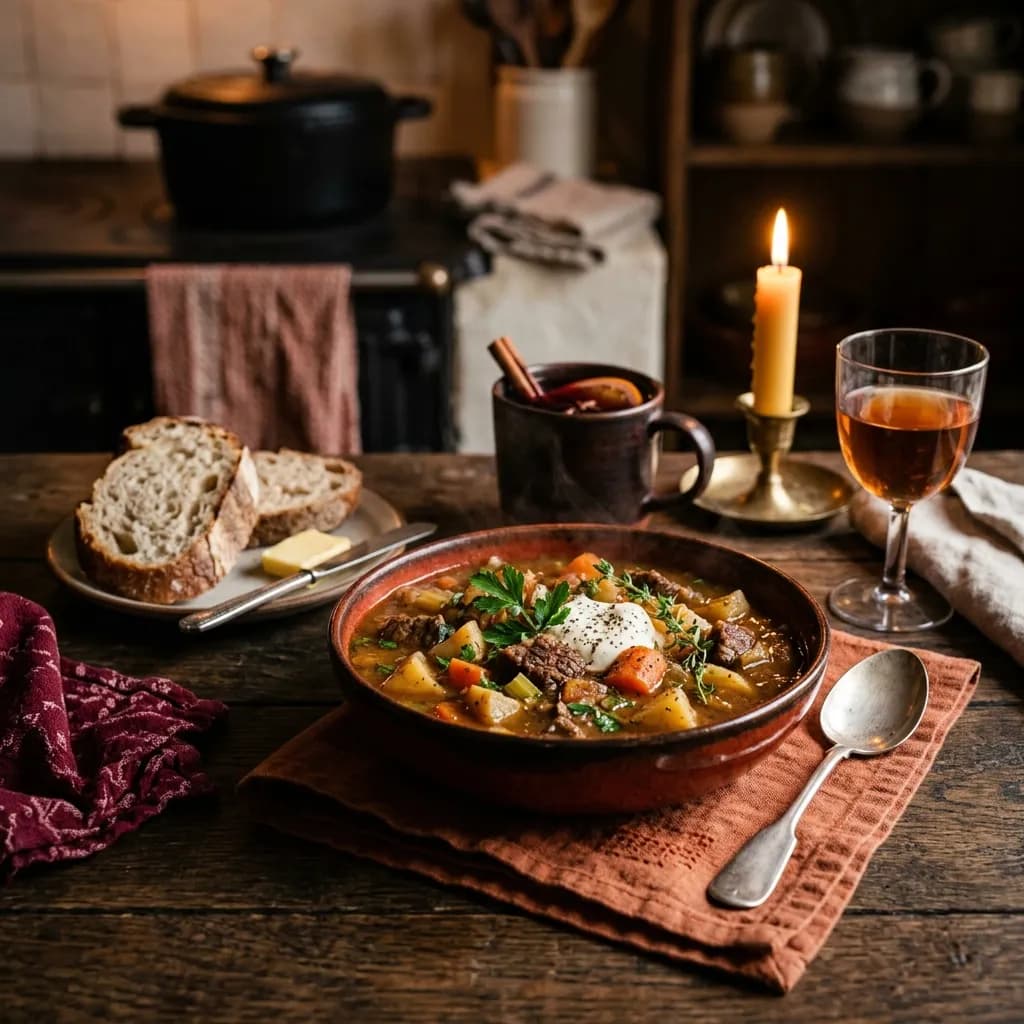
Baked Wild Salmon with Lemon-Garlic Asparagus
This healthy Baked Wild Salmon with Lemon-Garlic Asparagus recipe is a clean eating meal option rich in nutrients. Optimized for Salmon, Asparagus, Gluten-Free, Keto, Low-Carb and created by certified nutritionist Stewart Lucas, it is designed to fit seamlessly into a health-focused lifestyle.
Key Takeaways
- ✓Ready in just 15 mins using straightforward, kitchen-tested technique.
- ✓Delivers 42g of muscle-fueling protein per serving for lasting satiety.
- ✓Portion-balanced at 450 calories per serving with wholesome, unrefined ingredients.
- ✓Masterclass temperature checkpoints ensure maximum tenderness and flavor development.
The Story
This healthy Baked Wild Salmon with Lemon-Garlic Asparagus recipe is a clean eating meal option rich in nutrients. Optimized for Salmon, Asparagus, Gluten-Free, Keto, Low-Carb and created by certified nutritionist Stewart Lucas, it is designed to fit seamlessly into a health-focused lifestyle.
Quick Summary
This Baked Wild Salmon with Lemon-Garlic Asparagus is the quintessential "clean eating" meal. It pairs the rich, buttery flake of wild-caught salmon with the crisp, earthy snap of fresh spring asparagus. By roasting them together on a single tray, you save time on cleanup without sacrificing flavor. It’s a nutrient-dense, high-protein dinner that feels elegant enough for guests but is simple enough for a busy Tuesday night.
Why This Meal Works
There is something remarkably satisfying about a one-pan dinner. As a nutritionist, I often see people get overwhelmed by the idea of "balanced eating." They assume it requires hours of measuring, chopping, and monitoring multiple pots. But when you slide a tray of salmon and asparagus into a hot oven, you are relying on high-heat roasting to do the heavy lifting for you.
The salmon releases its natural healthy oils, which lightly perfume the asparagus as they cook side-by-side. The garlic softens into a mellow, sweet paste, and the lemon slices caramelize just slightly, their acidity cutting through the richness of the fish. It’s a sensory experience: the hiss of the oven, the citrusy aroma filling the kitchen, and that beautiful contrast of vibrant green spears against the rosy pink of the salmon fillets.
The Ingredients
- 4 wild salmon fillets (6oz each)
- 1 lb fresh asparagus, woody ends trimmed
- 2 tbsp extra virgin olive oil
- 1 organic lemon, thinly sliced
- 3 cloves garlic, minced
- 1 tsp sea salt
- 1/2 tsp cracked black pepper
- 1 tbsp fresh dill, chopped
Step-by-Step Cooking Guide
- Prep the oven: Preheat your oven to 400°F (200°C). Lay a piece of parchment paper on your baking sheet. It makes cleanup almost non-existent.
- Arrange: Place your salmon fillets in the center of the sheet, skin-side down. Scatter the asparagus spears around the salmon. If your asparagus is thick, try to keep the pieces uniform so they cook evenly.
- Season: In a small bowl, whisk the olive oil, minced garlic, sea salt, and black pepper. Drizzle this golden mixture over everything. Use your hands to toss the asparagus lightly so every spear is coated in that garlic-infused oil.
- Top: Place a thin wheel of lemon directly on top of each salmon fillet. This acts like a little steaming lid, infusing the meat with bright citrus notes as it roasts. Sprinkle the fresh dill over the fish and the greens.
- Roast: Bake for 12–15 minutes. You are looking for the salmon to become opaque and flake gently when pressed with a fork.
Stewart's Culinary Coaching Tips
Don't be afraid to leave the skin on. While some people prefer to remove it, the skin actually protects the delicate flesh of the salmon from direct heat, keeping the underside incredibly moist. Once it's cooked, the meat will lift right off the skin with a spatula. Also, if you want that "restaurant-style" finish, hit the asparagus with a quick squeeze of fresh lemon juice the moment it comes out of the oven to brighten the color and flavor profile.
Nutritional Science & Benefits
This meal is a powerhouse of essential nutrients:
- Omega-3 Fatty Acids: Wild salmon is one of the premier sources of EPA and DHA, which are vital for heart health and reducing inflammation.
- High-Quality Protein: The 42g of protein per serving supports muscle repair and metabolic health.
- Prebiotic Fiber: Asparagus contains inulin, a type of prebiotic fiber that feeds your gut's beneficial bacteria, promoting a healthy digestive system.
- Antioxidants: The combination of garlic and lemon provides a dose of Vitamin C and organosulfur compounds, which support immune function.
Meal Prep & Storage Guide
If you are planning your week, this dish is quite forgiving. You can trim your asparagus and mince your garlic up to two days in advance, keeping them in sealed glass containers in the fridge.
Storage: If you have leftovers, store them in an airtight container for up to two days. To reheat without drying out the salmon, place the fillets in a cold skillet with a splash of water, cover, and warm over low heat for 3-4 minutes. Avoid the microwave if possible, as it tends to make fish rubbery.
Flavor Variations
Mediterranean Style
Add halved cherry tomatoes and pitted Kalamata olives to the tray before roasting.
Spice Kick
Toss the asparagus in a pinch of red pepper flakes before baking for a gentle heat.
Vegan Swap
Replace the salmon with thick slices of firm tofu or roasted cauliflower steaks brushed with miso paste.
Nutritional Snapshot
| Nutrient | Amount per Serving |
|---|---|
| Calories | 450 kcal |
| Protein | 42g |
| Total Fat | 24g |
| Carbohydrates | 8g |
Baked Wild Salmon with Lemon-Garlic Asparagus
This healthy Baked Wild Salmon with Lemon-Garlic Asparagus recipe is a clean eating meal option rich in nutrients. Optimized for Salmon, Asparagus, Gluten-Free, Keto, Low-Carb and created by certified nutritionist Stewart Lucas, it is designed to fit seamlessly into a health-focused lifestyle.
Macro Nutrition Profile (Per Serving)
Ingredients
Ingredient Substitutions
| Original Ingredient | Healthy Alternative |
|---|---|
| Salmon/Cod | Steelhead trout, halibut, or sea bass (baking times may vary) |
| Asparagus/Veg | Zucchini slices, broccoli florets, or green beans (roast at same temperature) |
Instructions
Prep the oven: Preheat your oven to 400°F (200°C). Lay a piece of parchment paper on your baking sheet. It makes cleanup almost non-existent.
Arrange: Place your salmon fillets in the center of the sheet, skin-side down. Scatter the asparagus spears around the salmon. If your asparagus is thick, try to keep the pieces uniform so they cook evenly.
Season: In a small bowl, whisk the olive oil, minced garlic, sea salt, and black pepper. Drizzle this golden mixture over everything. Use your hands to toss the asparagus lightly so every spear is coated in that garlic-infused oil.
Top: Place a thin wheel of lemon directly on top of each salmon fillet. This acts like a little steaming lid, infusing the meat with bright citrus notes as it roasts. Sprinkle the fresh dill over the fish and the greens.
Roast: Bake for 12–15 minutes. You are looking for the salmon to become opaque and flake gently when pressed with a fork.
Tried this recipe?
Let us know how it turned out! Click a star below to leave a review and rate the recipe.
Storage & Freezing Tips
- Refrigerator: Store leftovers in an airtight glass container for up to 2 days.
- Reheating: Warm gently in a skillet on medium-low heat with a lid to keep the fish tender. Avoid microwaving to prevent rubbery texture.
- Freezing: We do not recommend freezing cooked fish as it degrades the texture.
Frequently Asked Questions
Is wild salmon better than farm-raised?▼
Wild-caught salmon is generally leaner and often higher in omega-3 fatty acids because of their natural diet. Farm-raised salmon is perfectly safe and delicious, but it usually has a higher fat content, which can actually make it quite forgiving if you accidentally overcook it.
How do I know if my salmon is fresh?▼
Look for bright, translucent color and a clean, mild "ocean" smell. If the fish smells strongly "fishy" or sour, avoid it. The flesh should spring back when touched, not leave a dent.
Can I use frozen salmon fillets?▼
Yes, absolutely. Just make sure they are completely thawed in the refrigerator overnight before you cook them. Pat them very dry with paper towels; excess moisture is the enemy of a good roast.
Why did my asparagus turn mushy?▼
Asparagus cooks faster than thick salmon. If you have thin spears, they might only need 10 minutes. If they are turning mushy, try adding them to the tray 5 minutes after the salmon has already started roasting.
Tried this recipe?
Tag @stewartlucas on Instagram and hashtag it #nutriguide!
You Might Also Like

Stewart Lucas
Nutritionist & Recipe DeveloperStewart Lucas is a nutritionist and recipe developer representing the NutriGuide team. All recipes, nutritional values, and diet protocols published on this site are designed and audited by certified dietitians and clinical nutrition professionals to guarantee absolute accuracy.
Community Reviews
Please log in to leave a review.