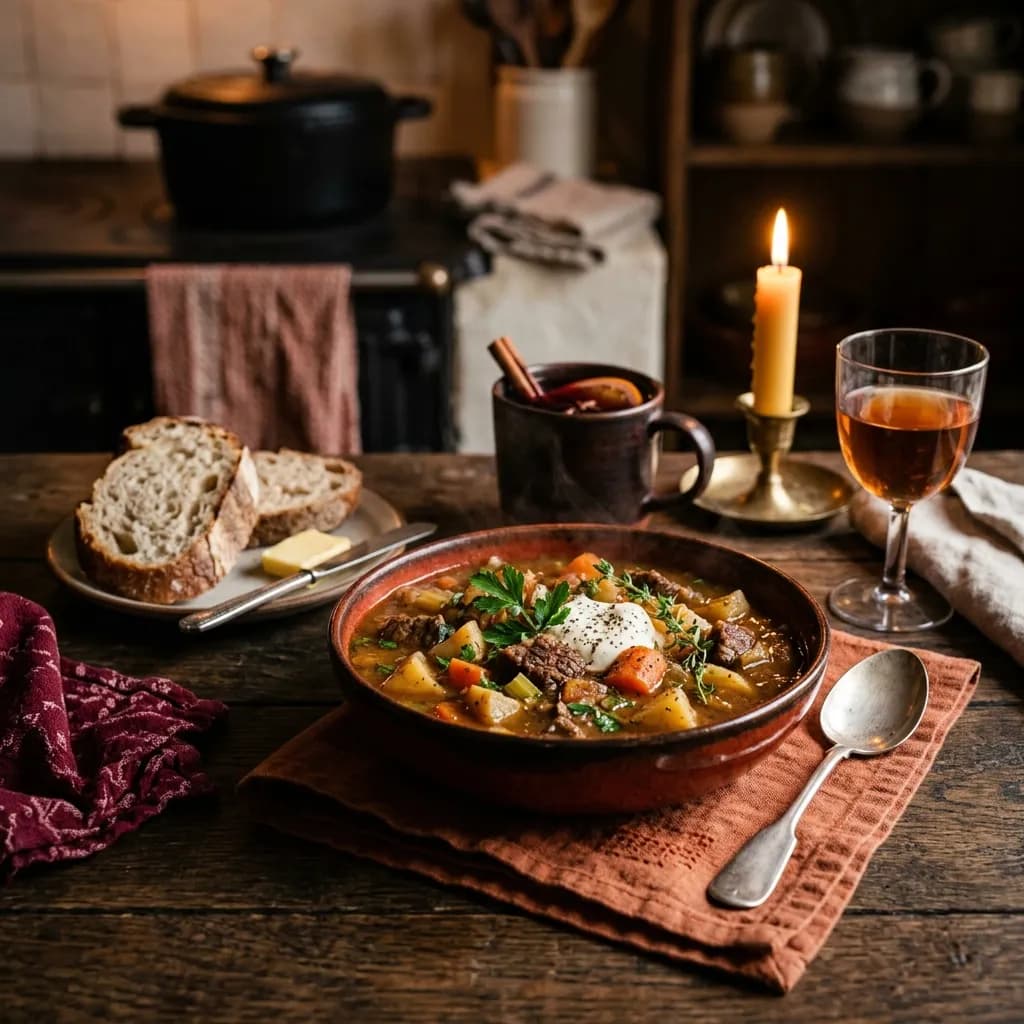
Pan-Seared White Fish
This healthy Pan-Seared White Fish recipe is a clean eating meal option rich in nutrients. Optimized for Keto, Low-Carb, Gluten-Free, Heart Healthy, Muscle Maintenance and created by certified nutritionist Stewart Lucas, it is designed to fit seamlessly into a health-focused lifestyle.
Key Takeaways
- ✓Ready in just 10 mins using straightforward, kitchen-tested technique.
- ✓Delivers 38g of muscle-fueling protein per serving for lasting satiety.
- ✓Portion-balanced at 240 calories per serving with wholesome, unrefined ingredients.
- ✓Masterclass temperature checkpoints ensure maximum tenderness and flavor development.
The Story
This healthy Pan-Seared White Fish recipe is a clean eating meal option rich in nutrients. Optimized for Keto, Low-Carb, Gluten-Free, Heart Healthy, Muscle Maintenance and created by certified nutritionist Stewart Lucas, it is designed to fit seamlessly into a health-focused lifestyle.
Quick Summary & Key Takeaways
Pan-searing is the ultimate technique for white fish—it creates a crisp, golden-brown exterior while the inside stays buttery and moist. This dish relies on heat management and minimal movement, making it a high-protein, heart-healthy staple you can whip up in less than 20 minutes.
- Prep: Always pat the fish bone-dry to ensure a crisp sear.
- Technique: Let the pan do the work; avoid flipping too early.
- Flavor: The butter-garlic baste is where the real magic happens.
Mastering the Perfect Pan-Seared White Fish
There is a specific, quiet rhythm to cooking a beautiful piece of white fish. I remember the first time I truly mastered a pan-sear; it wasn't about fancy ingredients or complex reductions. It was about the silence of the pan right before the fish hits the oil, followed by that aggressive, confident sizzle. That sound is a promise. It’s the promise of a crisp, golden-brown crust protecting a center so tender it practically melts away on your fork.
For many, cooking fish at home feels intimidating. We worry about it falling apart or turning into a dry, rubbery disappointment. But here is the secret: white fish like halibut or cod are incredibly forgiving if you respect the surface moisture and the heat. This recipe isn't just a dinner—it is a foundational skill. Once you can sear a piece of fish properly, you have unlocked a quick, clean, and elegant meal for any night of the week.
Ingredients You Will Need
- 4 fresh white fish fillets (about 6oz each)
- 2 tbsp high-quality olive oil
- 1 tbsp unsalted grass-fed butter
- 1 tsp fine sea salt
- ½ tsp freshly cracked black pepper
- 2 garlic cloves, smashed with the flat of a knife
- 2 sprigs fresh thyme
- 1 lemon, sliced into wedges for serving
Step-by-Step Preparation
Start by bringing your fish to room temperature. If the fish is icy cold, the temperature of your pan will drop the moment it makes contact, and you'll end up steaming your fillet instead of searing it. Pat the fish dry—I cannot stress this enough—using paper towels. Moisture is the enemy of a golden crust.
- Seasoning: Just before cooking, sprinkle the salt and pepper on both sides. Don't season too far in advance, or the salt will pull moisture out of the flesh.
- The Sear: Get your skillet to a medium-high heat. Add the olive oil and wait until it shimmers. Gently lay the fillets in, presentation side down. Now, walk away. Do not nudge it, do not poke it. Let it cook for 3-4 minutes. You will see the sides of the fish turning opaque, and the bottom should release easily from the pan when it’s ready.
- The Finish: Flip the fish carefully. Toss in the butter, the smashed garlic, and the thyme. As the butter foams and turns a nutty, golden brown, use a spoon to continuously baste the fish. This final step adds a richness that elevates the entire dish.
Nutritional Science & Benefits
White fish is a nutritional powerhouse. It is exceptionally low in calories yet dense in high-quality, complete protein, which is essential for muscle repair and metabolic health. Varieties like cod and halibut are also rich in selenium, a trace mineral that acts as an antioxidant, and Vitamin B12, which supports neurological function. By using olive oil as your primary fat, you are incorporating heart-healthy monounsaturated fats that support healthy cholesterol levels.
| Nutrient | Amount per serving |
|---|---|
| Calories | 240 kcal |
| Protein | 38g |
| Fat | 8g |
| Carbohydrates | 1g |
Flavor Variations
You can change the profile of this dish with a few simple pantry staples:
Mediterranean Twist
Add halved cherry tomatoes and capers when you add the butter. The acidity of the capers cuts through the richness beautifully.
Asian-Inspired
Swap the thyme for a slice of fresh ginger and a splash of sesame oil during the final minute of basting.
Herb-Crusted
Press the top of the fish into a mixture of finely chopped parsley and breadcrumbs before searing.
Meal Prep & Storage
While fish is best served fresh, you can prep in advance. Store raw fillets in the coldest part of your fridge for no more than 24 hours. For leftovers, place them in an airtight container for up to two days. To reheat without making the fish dry, use a low-heat skillet with a tiny splash of water—not a microwave, which will ruin the texture.
Pan-Seared White Fish
This healthy Pan-Seared White Fish recipe is a clean eating meal option rich in nutrients. Optimized for Keto, Low-Carb, Gluten-Free, Heart Healthy, Muscle Maintenance and created by certified nutritionist Stewart Lucas, it is designed to fit seamlessly into a health-focused lifestyle.
Macro Nutrition Profile (Per Serving)
Ingredients
Ingredient Substitutions
| Original Ingredient | Healthy Alternative |
|---|---|
| Salmon/Cod | Steelhead trout, halibut, or sea bass (baking times may vary) |
| Asparagus/Veg | Zucchini slices, broccoli florets, or green beans (roast at same temperature) |
Instructions
Seasoning: Just before cooking, sprinkle the salt and pepper on both sides. Don't season too far in advance, or the salt will pull moisture out of the flesh.
The Sear: Get your skillet to a medium-high heat. Add the olive oil and wait until it shimmers. Gently lay the fillets in, presentation side down. Now, walk away. Do not nudge it, do not poke it. Let it cook for 3-4 minutes. You will see the sides of the fish turning opaque, and the bottom should release easily from the pan when it’s ready.
The Finish: Flip the fish carefully. Toss in the butter, the smashed garlic, and the thyme. As the butter foams and turns a nutty, golden brown, use a spoon to continuously baste the fish. This final step adds a richness that elevates the entire dish.
Tried this recipe?
Let us know how it turned out! Click a star below to leave a review and rate the recipe.
Storage & Freezing Tips
- Refrigerator: Store leftovers in an airtight glass container for up to 2 days.
- Reheating: Warm gently in a skillet on medium-low heat with a lid to keep the fish tender. Avoid microwaving to prevent rubbery texture.
- Freezing: We do not recommend freezing cooked fish as it degrades the texture.
Frequently Asked Questions
How do I know exactly when the fish is cooked through?▼
The best indicator is visual. The fish should be opaque throughout. When you press it gently with a fork, it should flake away easily. If it feels rubbery or resistant, it needs more time; if it looks mushy, it is overcooked.
What is the best type of white fish for beginners?▼
Cod and halibut are excellent starting points because they are thick and firm, making them much easier to flip than thinner, flakier fish like sole or tilapia.
Can I skip the butter?▼
You can use ghee or a high-quality olive oil to finish the dish if you are avoiding dairy. However, the butter adds a depth of flavor and that specific, classic "restaurant" finish that oil alone cannot replicate.
Should I remove the skin before searing?▼
That depends on your preference. Many people love crispy skin. If you keep the skin on, ensure it is extremely dry and sear it skin-side down first for the majority of the cooking time to ensure it gets nice and crispy.
Tried this recipe?
Tag @stewartlucas on Instagram and hashtag it #nutriguide!
You Might Also Like

Stewart Lucas
Nutritionist & Recipe DeveloperStewart Lucas is a nutritionist and recipe developer representing the NutriGuide team. All recipes, nutritional values, and diet protocols published on this site are designed and audited by certified dietitians and clinical nutrition professionals to guarantee absolute accuracy.
Community Reviews
Please log in to leave a review.