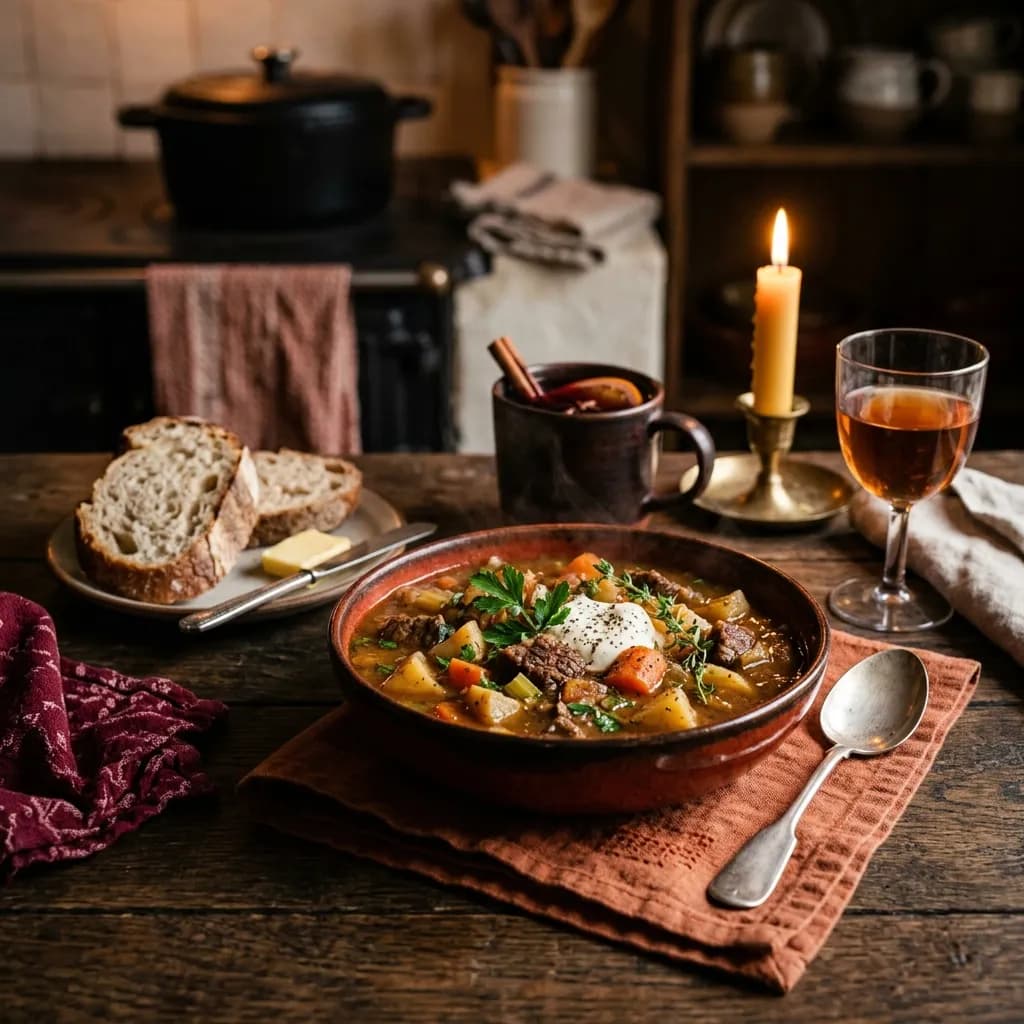
Pan-Seared Wild Salmon with Garlic-Wilted Kale
This healthy Pan-Seared Wild Salmon with Garlic-Wilted Kale recipe is a clean eating meal option rich in nutrients. Optimized for Salmon, Keto, Low-Carb, Heart Healthy, Anti-Inflammatory and created by certified nutritionist Stewart Lucas, it is designed to fit seamlessly into a health-focused lifestyle.
Key Takeaways
- ✓Ready in just 15 mins using straightforward, kitchen-tested technique.
- ✓Delivers 42g of muscle-fueling protein per serving for lasting satiety.
- ✓Portion-balanced at 450 calories per serving with wholesome, unrefined ingredients.
- ✓Masterclass temperature checkpoints ensure maximum tenderness and flavor development.
The Story
This healthy Pan-Seared Wild Salmon with Garlic-Wilted Kale recipe is a clean eating meal option rich in nutrients. Optimized for Salmon, Keto, Low-Carb, Heart Healthy, Anti-Inflammatory and created by certified nutritionist Stewart Lucas, it is designed to fit seamlessly into a health-focused lifestyle.
Pan-Seared Wild Salmon with Garlic-Wilted Kale
There is something incredibly grounding about a simple, well-executed dinner. When I come home after a long day of consultations, I don't want a complex project. I want a meal that respects my health and tastes like a reward. This Pan-Seared Wild Salmon with Garlic-Wilted Kale has been a staple in my rotation for years because it hits every single note—a crunch from the perfectly rendered salmon skin, the vibrant, peppery bite of Lacinato kale, and the warm, aromatic hum of sautéed garlic.
Cooking salmon can be intimidating for many. People worry about it sticking, falling apart, or drying out. But the truth is, the fish wants to be delicious. It just needs a little confidence and the right technique. When you hear that aggressive, rhythmic sizzle as the fillet hits the hot oil, you know you’re on the right path to building a crust that makes the entire kitchen smell like a professional bistro.
The Ingredients
- 4 Wild-caught salmon fillets (6oz each)
- 2 bunches organic Lacinato (dino) kale
- 3 tbsp high-quality, cold-pressed olive oil
- 4 cloves fresh garlic, thinly sliced
- 1 organic lemon, halved
- 1/2 tsp red pepper flakes (optional, for heat)
- Flaky sea salt to taste
- Fresh cracked black pepper
The Science of Your Plate
Why This Matters for Your Body
Wild-caught salmon is a powerhouse of Omega-3 fatty acids, specifically EPA and DHA, which are essential for cardiovascular health and cognitive function. When paired with Lacinato kale—a cruciferous vegetable loaded with Vitamin K, Vitamin C, and antioxidants—you create a synergistic meal that supports inflammation reduction and sustained energy levels.
The Method
- Prepare the Salmon: Take your salmon out of the fridge about 15 minutes before cooking. Use paper towels to pat the skin and flesh completely dry. Moisture is the enemy of a sear; if the fish is wet, it will steam instead of crisping. Season both sides generously with flaky sea salt.
- The Sear: Place a heavy stainless steel or cast-iron skillet over medium-high heat. Add your olive oil. Once the oil begins to shimmer, gently place your fillets in the pan, skin-side down. Press down firmly for 10 seconds with a spatula to ensure full contact. Now, step back and let the heat do the work. Don't touch it for at least 4 minutes.
- The Flip: You’ll notice the color of the salmon changing from the bottom up. Once the skin is deep golden and releases naturally from the pan, flip it over. Cook for another 2 minutes for a beautiful medium-rare center. Transfer the fish to a warm plate.
- Wilt the Greens: Lower the heat slightly and toss the sliced garlic and red pepper flakes into the remaining pan oils. Within 30 seconds, the kitchen will fill with the intoxicating aroma of roasted garlic. Add your kale and a splash of water to encourage steam. Toss until the leaves turn a vibrant, deep emerald green. Finish with a generous squeeze of fresh lemon juice over everything.
Flavor Variations
The Mediterranean Twist
Toss in a handful of halved cherry tomatoes and Kalamata olives during the final minute of wilting the kale.
The Herb-Infused Upgrade
Add a sprig of fresh rosemary or thyme to the pan oil while searing the salmon for an aromatic depth.
The Protein Swap
This technique works beautifully with arctic char or even firm tofu steaks for a plant-based version.
Meal Prep & Storage
This dish holds up remarkably well for a quick next-day lunch. If you’re prepping in advance, store the salmon and the kale in separate airtight containers. To reheat, I recommend a light pan-sear for the fish or using an air fryer at 350°F for 3 minutes to regain that crispy skin texture. Avoid the microwave if possible, as it tends to alter the delicate structure of the salmon proteins.
| Nutrient | Amount |
|---|---|
| Calories | 450 kcal |
| Protein | 42g |
| Fat | 28g |
| Carbs | 8g |
Pan-Seared Wild Salmon with Garlic-Wilted Kale
This healthy Pan-Seared Wild Salmon with Garlic-Wilted Kale recipe is a clean eating meal option rich in nutrients. Optimized for Salmon, Keto, Low-Carb, Heart Healthy, Anti-Inflammatory and created by certified nutritionist Stewart Lucas, it is designed to fit seamlessly into a health-focused lifestyle.
Macro Nutrition Profile (Per Serving)
Ingredients
Ingredient Substitutions
| Original Ingredient | Healthy Alternative |
|---|---|
| Salmon/Cod | Steelhead trout, halibut, or sea bass (baking times may vary) |
| Asparagus/Veg | Zucchini slices, broccoli florets, or green beans (roast at same temperature) |
Instructions
Prepare the Salmon: Take your salmon out of the fridge about 15 minutes before cooking. Use paper towels to pat the skin and flesh completely dry. Moisture is the enemy of a sear; if the fish is wet, it will steam instead of crisping. Season both sides generously with flaky sea salt.
The Sear: Place a heavy stainless steel or cast-iron skillet over medium-high heat. Add your olive oil. Once the oil begins to shimmer, gently place your fillets in the pan, skin-side down. Press down firmly for 10 seconds with a spatula to ensure full contact. Now, step back and let the heat do the work. Don't touch it for at least 4 minutes.
The Flip: You’ll notice the color of the salmon changing from the bottom up. Once the skin is deep golden and releases naturally from the pan, flip it over. Cook for another 2 minutes for a beautiful medium-rare center. Transfer the fish to a warm plate.
Wilt the Greens: Lower the heat slightly and toss the sliced garlic and red pepper flakes into the remaining pan oils. Within 30 seconds, the kitchen will fill with the intoxicating aroma of roasted garlic. Add your kale and a splash of water to encourage steam. Toss until the leaves turn a vibrant, deep emerald green. Finish with a generous squeeze of fresh lemon juice over everything.
Tried this recipe?
Let us know how it turned out! Click a star below to leave a review and rate the recipe.
Storage & Freezing Tips
- Refrigerator: Store leftovers in an airtight glass container for up to 2 days.
- Reheating: Warm gently in a skillet on medium-low heat with a lid to keep the fish tender. Avoid microwaving to prevent rubbery texture.
- Freezing: We do not recommend freezing cooked fish as it degrades the texture.
Frequently Asked Questions
Can I use farmed salmon instead of wild?▼
You absolutely can. While wild-caught salmon provides a firmer, leaner fillet with a distinct flavor profile, farmed salmon is perfectly acceptable if it fits your budget. Just be aware that farmed salmon often has a higher fat content, so it may cook slightly faster; keep a close watch to avoid overcooking.
How do I know exactly when the fish is finished cooking?▼
The best indicator is the "flaky test." When you press the side of the fillet gently with a fork, the flesh should separate easily into large, translucent flakes. If it resists, give it another 30 seconds. If it’s starting to look chalky or white juice is bubbling out, it’s likely overdone.
My kale always ends up bitter. How can I fix that?▼
Bitterness in kale is often due to cooking it too long or not using enough acidity. Ensure your pan is hot enough to wilt the greens quickly, and never skip the fresh lemon juice at the end—the citric acid acts as a flavor balancer that cuts right through the bitterness of the greens.
Can I make this dairy-free or Paleo?▼
This recipe is naturally dairy-free and Paleo-friendly as written! It relies entirely on healthy fats from olive oil and the natural oils found in the salmon. Just ensure you are using high-quality, cold-pressed olive oil for the best health benefits.
Tried this recipe?
Tag @stewartlucas on Instagram and hashtag it #nutriguide!
You Might Also Like

Stewart Lucas
Nutritionist & Recipe DeveloperStewart Lucas is a nutritionist and recipe developer representing the NutriGuide team. All recipes, nutritional values, and diet protocols published on this site are designed and audited by certified dietitians and clinical nutrition professionals to guarantee absolute accuracy.
Community Reviews
Please log in to leave a review.