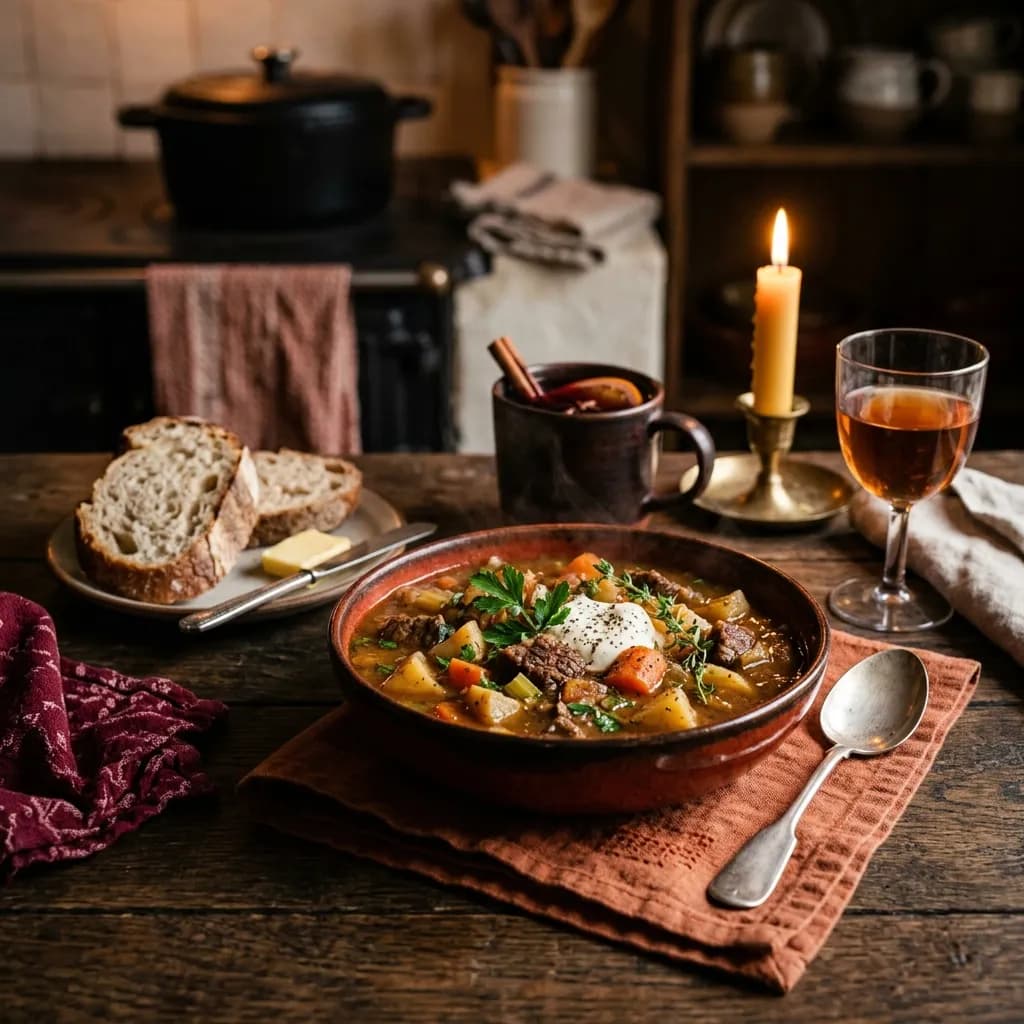
Perfectly Juicy Grilled Chicken Breast
This healthy Perfectly Juicy Grilled Chicken Breast recipe is a clean eating meal option rich in nutrients. Optimized for non-veg, dinner, lunch, Chicken Breast, Gluten-Free and created by certified nutritionist Stewart Lucas, it is designed to fit seamlessly into a health-focused lifestyle.
Key Takeaways
- ✓Vetted recipe compliant with a balanced non-veg dietary lifestyle.
- ✓Vetted recipe compliant with a balanced dinner dietary lifestyle.
- ✓Vetted recipe compliant with a balanced lunch dietary lifestyle.
- ✓Vetted recipe compliant with a balanced chicken breast dietary lifestyle.
The Story
This healthy Perfectly Juicy Grilled Chicken Breast recipe is a clean eating meal option rich in nutrients. Optimized for non-veg, dinner, lunch, Chicken Breast, Gluten-Free and created by certified nutritionist Stewart Lucas, it is designed to fit seamlessly into a health-focused lifestyle.
Perfectly Juicy Grilled Chicken Breast
The Humble Art of the Perfect Breast
There is a persistent myth that the boneless, skinless chicken breast is doomed to be dry, bland, and inevitably disappointing. I hear this from clients all the time. They tell me they’ve resigned themselves to "rubber chicken" because it’s a convenient protein source. But here is the truth: chicken breast is a blank canvas. When treated with respect, patience, and a bit of culinary science, it becomes succulent, aromatic, and genuinely satisfying.
I remember my early days in the kitchen, struggling with chicken that charred on the outside while staying raw in the middle. It took years of "aha" moments to realize that the grill is just as much about physics as it is about fire. Once you understand the behavior of muscle fibers under heat, you stop cooking out of fear and start cooking with intuition. This recipe is my go-to for a clean, nutrient-dense meal that actually tastes like something you want to eat.
Ingredients
- 4 boneless, skinless chicken breasts (approx. 6oz each)
- 2 tbsp extra virgin olive oil
- 2 cloves fresh garlic, minced
- 1 tsp flaky sea salt
- 1/2 tsp freshly cracked black pepper
- 1 tsp dried oregano (or Mediterranean blend)
- 1 tsp lemon zest
- 1 tbsp fresh lemon juice
Method: The Path to Succulence
- 1. Even the Playing Field: Place your chicken breasts between two sheets of parchment paper. Use a meat mallet or a heavy-bottomed skillet to gently pound them to an even 3/4-inch thickness. This is non-negotiable; uneven chicken leads to uneven cooking.
- 2. The Infusion: In a shallow bowl, whisk the olive oil, minced garlic, sea salt, pepper, herbs, and lemon zest. The acid from the lemon juice acts as a gentle tenderizer, while the oil carries the garlic aromatics deep into the surface of the meat. Let it sit for 15–20 minutes at room temperature.
- 3. The Sear: Heat your grill to medium-high. You want to hear that sharp, immediate sizzle the moment the meat touches the grates. Grill for about 5–6 minutes per side. Resist the urge to poke, prod, or flip it early. Let the heat do the work.
- 4. The Patience Factor: Once the internal temperature hits 165°F, pull the chicken off. Place it on a warm plate and let it rest for a full 5 to 8 minutes. If you cut into it too early, you lose all that hard-earned moisture to the cutting board.
Nutritional Science & Benefits
Chicken breast is a powerhouse of high-quality, complete protein, providing all the essential amino acids required for muscle repair and metabolic health. By using extra virgin olive oil, you incorporate heart-healthy monounsaturated fats that aid in nutrient absorption. The inclusion of lemon zest adds Vitamin C and limonene, which provide a subtle antioxidant boost to your meal.
| Nutrient | Amount |
|---|---|
| Calories | 210 kcal |
| Protein | 38g |
| Fat | 6g |
| Carbohydrates | 1g |
Flavor Variations
Once you nail the technique, feel free to iterate on the flavor profile:
The Smoky Southwest
Swap oregano for smoked paprika and cumin. Add a pinch of chili powder for a gentle, warming heat.
The Garden Herb
Use fresh rosemary and thyme instead of dried herbs. Mince them finely so they adhere better to the meat.
The Asian Infusion
Swap the lemon for rice vinegar and a splash of low-sodium tamari or soy sauce. Add a teaspoon of grated ginger to the marinade.
Meal Prep & Storage Guide
This dish is a cornerstone for efficient weekly meal prepping. Once cooked and cooled, store the breasts in an airtight glass container in the refrigerator for up to 4 days. If you find yourself with extra, you can freeze them for up to 3 months. When reheating, the secret is low and slow. Place the chicken in a skillet with a tablespoon of water or broth, cover with a lid, and warm over low heat. The steam prevents the fibers from drying out, keeping the protein as succulent as it was on day one.
Perfectly Juicy Grilled Chicken Breast
This healthy Perfectly Juicy Grilled Chicken Breast recipe is a clean eating meal option rich in nutrients. Optimized for non-veg, dinner, lunch, Chicken Breast, Gluten-Free and created by certified nutritionist Stewart Lucas, it is designed to fit seamlessly into a health-focused lifestyle.
Macro Nutrition Profile (Per Serving)
Ingredients
Ingredient Substitutions
| Original Ingredient | Healthy Alternative |
|---|---|
| Chicken breast | Turkey breast or extra-firm tofu (1:1 ratio) |
| Dino kale/greens | Baby spinach or Swiss chard (cooks faster, add at the end) |
Instructions
1. Even the Playing Field: Place your chicken breasts between two sheets of parchment paper. Use a meat mallet or a heavy-bottomed skillet to gently pound them to an even 3/4-inch thickness. This is non-negotiable; uneven chicken leads to uneven cooking.
2. The Infusion: In a shallow bowl, whisk the olive oil, minced garlic, sea salt, pepper, herbs, and lemon zest. The acid from the lemon juice acts as a gentle tenderizer, while the oil carries the garlic aromatics deep into the surface of the meat. Let it sit for 15–20 minutes at room temperature.
3. The Sear: Heat your grill to medium-high. You want to hear that sharp, immediate sizzle the moment the meat touches the grates. Grill for about 5–6 minutes per side. Resist the urge to poke, prod, or flip it early. Let the heat do the work.
4. The Patience Factor: Once the internal temperature hits 165°F, pull the chicken off. Place it on a warm plate and let it rest for a full 5 to 8 minutes. If you cut into it too early, you lose all that hard-earned moisture to the cutting board.
Tried this recipe?
Let us know how it turned out! Click a star below to leave a review and rate the recipe.
Storage & Freezing Tips
- Refrigerator: Store leftovers in an airtight container for up to 3-4 days.
- Reheating: Heat in a saucepan or skillet on medium heat until hot throughout.
- Freezing: Freeze portions in airtight containers for up to 2 months. Reheat directly from frozen or after thawing.
Frequently Asked Questions
Why does my chicken get rubbery when I reheat it?▼
Rubbery chicken is almost always caused by high-heat reheating. Because the chicken is already cooked, blasting it in the microwave causes the proteins to tighten and expel their remaining moisture. Use a skillet on low heat with a splash of water to gently steam it back to life.
Can I use frozen chicken breasts?▼
I strongly recommend fully thawing chicken in the refrigerator overnight before grilling. Grilling from frozen leads to a "steamed" exterior rather than a seared one, resulting in a bland and watery finish.
Is there a vegetarian alternative for this technique?▼
Absolutely. You can use this exact marinade and "sear-and-rest" philosophy on thick slices of extra-firm tofu or portobello mushroom caps. They respond beautifully to the acid in the lemon and the aromatics of the garlic.
Do I have to use olive oil?▼
Olive oil is excellent, but avocado oil is a fantastic alternative if you prefer a higher smoke point. It has a neutral flavor and handles the heat of a grill perfectly, preventing any burnt-oil aftertaste.
Tried this recipe?
Tag @stewartlucas on Instagram and hashtag it #nutriguide!
You Might Also Like

Stewart Lucas
Nutritionist & Recipe DeveloperStewart Lucas is a nutritionist and recipe developer representing the NutriGuide team. All recipes, nutritional values, and diet protocols published on this site are designed and audited by certified dietitians and clinical nutrition professionals to guarantee absolute accuracy.
Community Reviews
Please log in to leave a review.