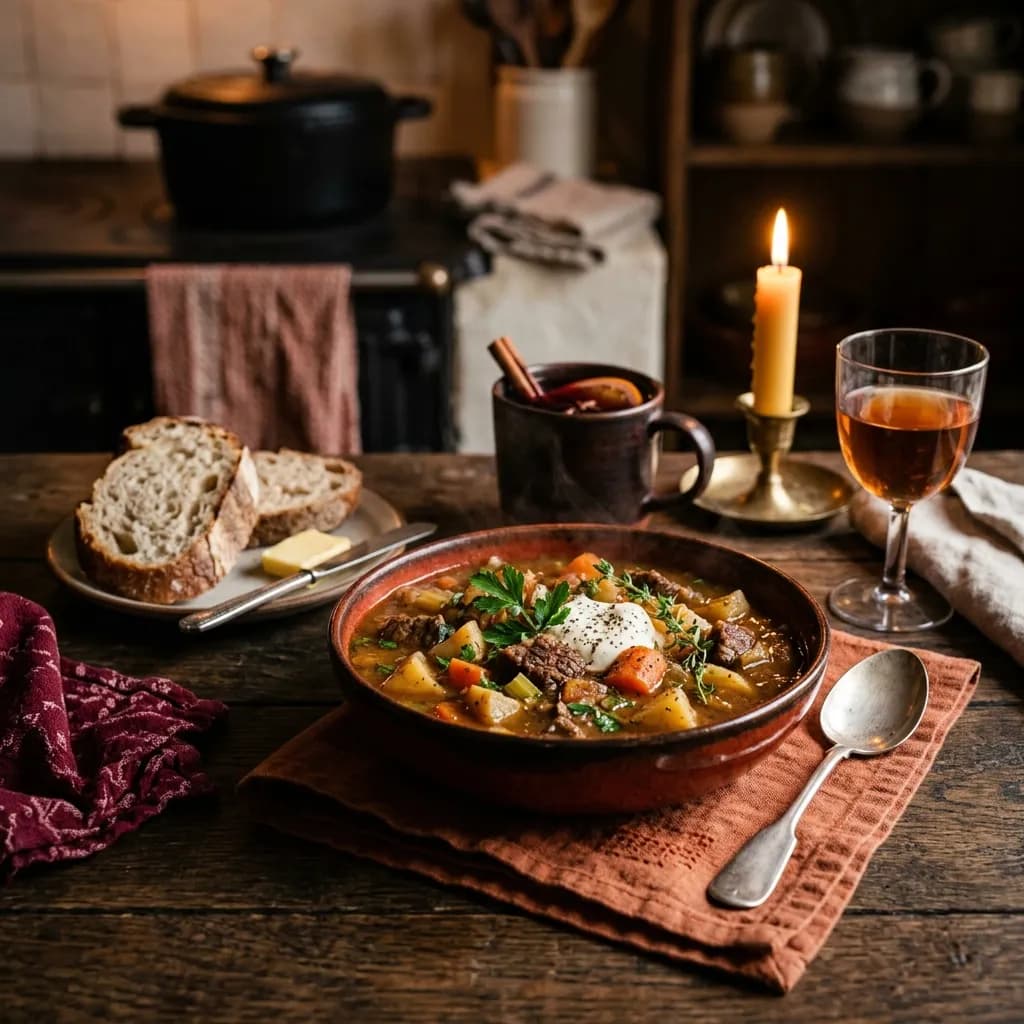
Perfectly Roasted Salmon with Lemon and Herbs
This healthy Perfectly Roasted Salmon with Lemon and Herbs recipe is a clean eating meal option rich in nutrients. Optimized for Salmon, Keto, Gluten-Free, Dairy-Free, Low-Carb and created by certified nutritionist Stewart Lucas, it is designed to fit seamlessly into a health-focused lifestyle.
Key Takeaways
- ✓Ready in just 15 mins using straightforward, kitchen-tested technique.
- ✓Delivers 42g of muscle-fueling protein per serving for lasting satiety.
- ✓Portion-balanced at 450 calories per serving with wholesome, unrefined ingredients.
- ✓Masterclass temperature checkpoints ensure maximum tenderness and flavor development.
The Story
This healthy Perfectly Roasted Salmon with Lemon and Herbs recipe is a clean eating meal option rich in nutrients. Optimized for Salmon, Keto, Gluten-Free, Dairy-Free, Low-Carb and created by certified nutritionist Stewart Lucas, it is designed to fit seamlessly into a health-focused lifestyle.
Quick Summary
This roasted salmon is a masterclass in simplicity. By using a high-heat method, we lock in moisture while achieving a delicate, flaky texture that feels luxurious despite taking only 15 minutes to pull together. It is the ideal foundational recipe for a busy weeknight where you refuse to compromise on quality or nutrition.
Why This Recipe Works
There is a quiet magic in watching a piece of salmon transform under the heat. The skin—if you leave it on—crisps slightly, while the flesh turns from translucent pink to a vibrant, buttery coral. In my kitchen, this is a staple for a reason: it relies on the quality of the fish and the brightness of fresh lemon to do the heavy lifting. We aren't burying the flavor here; we’re elevating it.
When you roast at 400°F, the salmon proteins begin to denature quickly, allowing the surface to firm up while the center remains incredibly succulent. This isn't just about getting dinner on the table; it's about honoring the ingredient. Whether you’re cooking for your family or just treating yourself to a quiet meal after a long day, this dish offers a grounding, high-protein experience that leaves you feeling satisfied, not heavy.
Ingredients
- 4 salmon fillets (about 6oz each), skin-on or off based on your preference
- 2 tablespoons extra-virgin olive oil
- 1 large lemon, sliced into paper-thin rounds
- 4 sprigs of fresh dill
- 2 cloves garlic, finely minced
- 1/2 teaspoon high-quality sea salt
- 1/4 teaspoon freshly cracked black pepper
- 1/4 teaspoon smoked paprika
Preparation Method
- Preheat and Prep: Set your oven to 400°F (200°C). Line a heavy-duty baking sheet with parchment paper. This prevents the salmon from sticking and saves you from a messy cleanup later.
- Dry the Surface: Use paper towels to pat each fillet completely dry. Moisture is the enemy of a nice texture; removing it ensures the olive oil and spices adhere properly rather than steaming off.
- Seasoning: Place the salmon on the sheet. Brush with olive oil, then rub the minced garlic, salt, pepper, and smoked paprika into the flesh. The paprika adds a subtle, earthy depth that pairs beautifully with the smoke-kissed edges.
- The Aromatics: Arrange your lemon slices and fresh dill directly on top of the fillets. As the salmon roasts, the lemon juices will gently permeate the fish, and the dill will release its fragrant, grassy oils.
- The Roast: Slide the tray into the center rack. Roast for 12–15 minutes. You’ll know it’s ready when the sides look opaque and a fork slides into the thickest part with zero resistance.
Nutritional Science & Benefits
Salmon is a nutritional powerhouse. It is packed with Omega-3 fatty acids, specifically EPA and DHA, which are essential for cardiovascular health and cognitive function. A single 6oz portion provides a massive amount of high-quality protein to support muscle repair and metabolic health.
- Healthy Fats: The omega-3s in salmon help manage inflammation, something we should all be mindful of in our daily diets.
- Garlic: Beyond flavor, garlic contains allicin, a compound with potent anti-inflammatory and immune-boosting properties.
- Lemon: The Vitamin C in lemon juice acts as a natural antioxidant, assisting in the absorption of non-heme iron from other foods on your plate.
Flavor Variations
Once you’ve mastered this base method, don't be afraid to experiment. The beauty of roasted salmon is that it plays well with a variety of profiles:
The Mediterranean Twist
Swap the dill for fresh oregano and add a handful of kalamata olives and cherry tomatoes to the baking sheet.
The Spicy Kick
Add a pinch of red pepper flakes or a light drizzle of honey over the garlic and paprika mixture to create a sweet-and-heat glaze.
The Herb Garden
If you don't have dill, fresh rosemary or thyme are wonderful alternatives. Just be sure to chop them finely so the woody stems don't overpower the delicate fish.
Meal Prep & Storage
Salmon is surprisingly resilient if stored correctly. If you have leftovers, keep them in an airtight glass container in the refrigerator for up to two days. To reheat, avoid the microwave, which can turn the fish rubbery. Instead, place the fillets in a small oven-safe dish with a tiny splash of water or broth, cover tightly with foil, and warm at 300°F for about 8-10 minutes. This retains the moisture and keeps that "freshly cooked" feel.
Perfectly Roasted Salmon with Lemon and Herbs
This healthy Perfectly Roasted Salmon with Lemon and Herbs recipe is a clean eating meal option rich in nutrients. Optimized for Salmon, Keto, Gluten-Free, Dairy-Free, Low-Carb and created by certified nutritionist Stewart Lucas, it is designed to fit seamlessly into a health-focused lifestyle.
Macro Nutrition Profile (Per Serving)
Ingredients
Ingredient Substitutions
| Original Ingredient | Healthy Alternative |
|---|---|
| Salmon/Cod | Steelhead trout, halibut, or sea bass (baking times may vary) |
| Asparagus/Veg | Zucchini slices, broccoli florets, or green beans (roast at same temperature) |
Instructions
Preheat and Prep: Set your oven to 400°F (200°C). Line a heavy-duty baking sheet with parchment paper. This prevents the salmon from sticking and saves you from a messy cleanup later.
Dry the Surface: Use paper towels to pat each fillet completely dry. Moisture is the enemy of a nice texture; removing it ensures the olive oil and spices adhere properly rather than steaming off.
Seasoning: Place the salmon on the sheet. Brush with olive oil, then rub the minced garlic, salt, pepper, and smoked paprika into the flesh. The paprika adds a subtle, earthy depth that pairs beautifully with the smoke-kissed edges.
The Aromatics: Arrange your lemon slices and fresh dill directly on top of the fillets. As the salmon roasts, the lemon juices will gently permeate the fish, and the dill will release its fragrant, grassy oils.
The Roast: Slide the tray into the center rack. Roast for 12–15 minutes. You’ll know it’s ready when the sides look opaque and a fork slides into the thickest part with zero resistance.
Tried this recipe?
Let us know how it turned out! Click a star below to leave a review and rate the recipe.
Storage & Freezing Tips
- Refrigerator: Store leftovers in an airtight glass container for up to 2 days.
- Reheating: Warm gently in a skillet on medium-low heat with a lid to keep the fish tender. Avoid microwaving to prevent rubbery texture.
- Freezing: We do not recommend freezing cooked fish as it degrades the texture.
Frequently Asked Questions
How do I know exactly when the salmon is done?▼
The best way is to use a fork. Gently prod the thickest part of the fillet; if the flesh flakes easily along the white protein lines, it's ready. If it still looks translucent or resists the fork, give it another 2 minutes.
Is it okay to use frozen salmon fillets?▼
Absolutely. However, thaw them completely in the refrigerator overnight. Never try to roast a partially frozen fillet, as the outside will overcook before the inside is even thawed.
What side dishes pair best with this?▼
I love balancing the richness of the salmon with something earthy or crunchy. Roasted asparagus, garlicky sautéed kale, or a simple quinoa salad with cucumbers and feta are perfect accompaniments that round out the meal without taking the focus away from the fish.
Can I remove the skin easily after roasting?▼
Yes. If you roast it skin-on, the skin usually separates quite easily once cooked. If you prefer not to deal with it at all, you can ask your fishmonger to skin the fillets before you bring them home.
Tried this recipe?
Tag @stewartlucas on Instagram and hashtag it #nutriguide!
You Might Also Like

Stewart Lucas
Nutritionist & Recipe DeveloperStewart Lucas is a nutritionist and recipe developer representing the NutriGuide team. All recipes, nutritional values, and diet protocols published on this site are designed and audited by certified dietitians and clinical nutrition professionals to guarantee absolute accuracy.
Community Reviews
Please log in to leave a review.