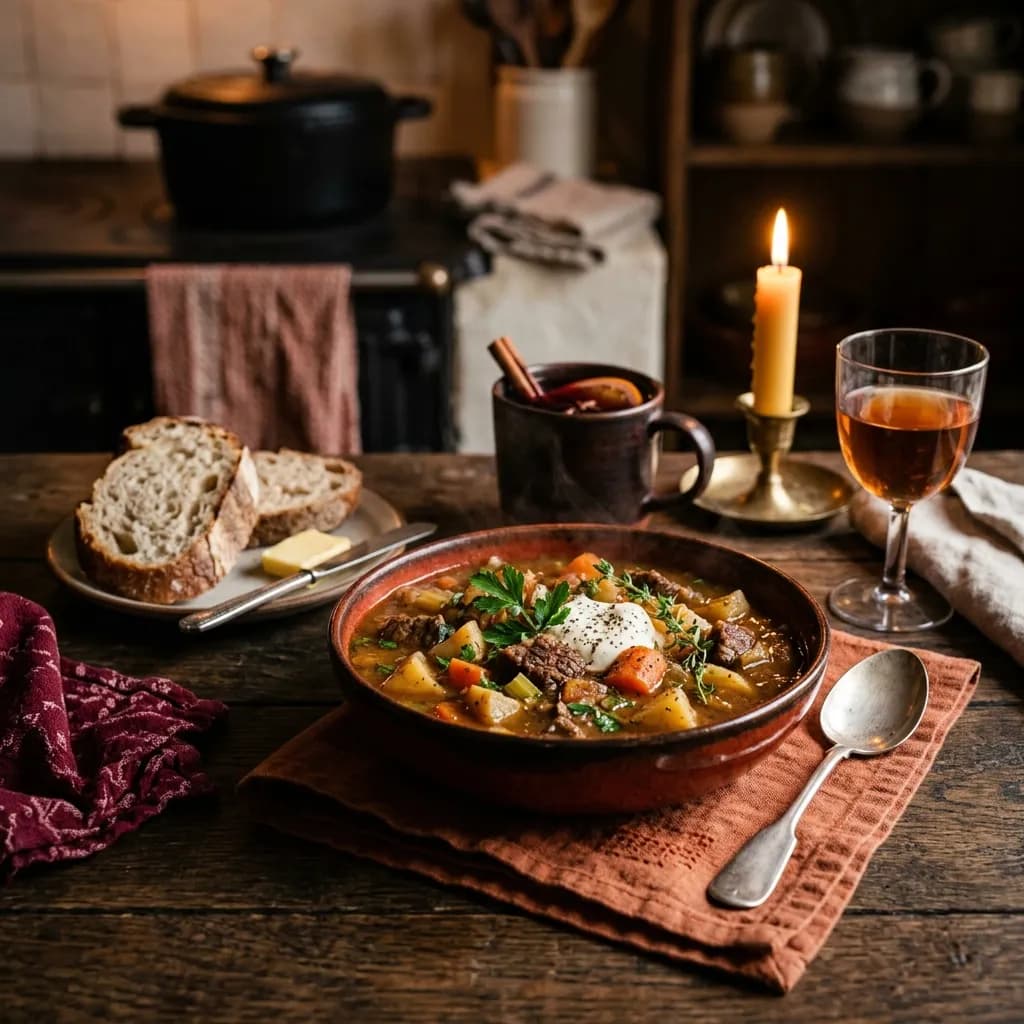
Poached Salmon with Tender Broccoli
This healthy Poached Salmon with Tender Broccoli recipe is a clean eating meal option rich in nutrients. Optimized for Salmon, Gluten-Free, Keto, Low-Carb, Dairy-Free and created by certified nutritionist Stewart Lucas, it is designed to fit seamlessly into a health-focused lifestyle.
Key Takeaways
- ✓Ready in just 15 mins using straightforward, kitchen-tested technique.
- ✓Delivers 38g of muscle-fueling protein per serving for lasting satiety.
- ✓Portion-balanced at 350 calories per serving with wholesome, unrefined ingredients.
- ✓Masterclass temperature checkpoints ensure maximum tenderness and flavor development.
The Story
This healthy Poached Salmon with Tender Broccoli recipe is a clean eating meal option rich in nutrients. Optimized for Salmon, Gluten-Free, Keto, Low-Carb, Dairy-Free and created by certified nutritionist Stewart Lucas, it is designed to fit seamlessly into a health-focused lifestyle.
Quick Summary
Poached salmon with tender broccoli is the ultimate "reset" meal. It’s elegant, incredibly nourishing, and relies on the gentle power of poaching to keep the fish succulent. By simmering the salmon in an aromatic broth rather than pan-searing it, you lock in moisture and subtle flavors without the need for extra fats. This is clean eating at its best—vibrant, colorful, and ready in under 20 minutes.
The Art of the Gentle Poach
When people think of cooking salmon, they often reach for the heavy cast-iron skillet. And don't get me wrong, a crispy skin is wonderful. But there is something truly refined about poaching. It’s a quiet, meditative process. As the broth begins to shimmer—just before it hits a rolling boil—you create an environment where the proteins in the fish denature slowly. The result is a buttery, melt-in-your-mouth texture that you simply cannot achieve with high-heat searing.
The beauty of this dish lies in the aromatics. As the garlic hits the hot broth and the lemon slices release their citrus oils, your kitchen will fill with a clean, bright scent. It’s a sensory experience that tells you exactly how fresh and healthy your dinner is going to be. The broccoli, meanwhile, is treated with respect—steamed just until it turns an electric, vibrant green and loses its raw edge while retaining a satisfying, gentle crunch.
Ingredients
For the best results, look for wild-caught salmon fillets of a consistent thickness. This ensures they cook at the same rate.
- 4 salmon fillets (about 6oz each), skin removed if preferred
- 1 large head of broccoli, cut into uniform, bite-sized florets
- 4 cups high-quality vegetable or chicken bone broth
- 1 organic lemon, sliced into thin, translucent rounds
- 2 cloves fresh garlic, lightly smashed with the side of a knife
- 1 tsp whole black peppercorns
- 3 sprigs of fresh dill, parsley, or even tarragon
- A generous pinch of flaky sea salt
The Cooking Method
- Prepare the Infusion: Pour your broth into a wide, deep skillet. Add the lemon rounds, smashed garlic, peppercorns, and fresh herbs. Bring this to a very low simmer over medium-low heat. You want to see small bubbles—not a roiling boil—dancing at the surface.
- Submerge the Salmon: Gently slide your salmon fillets into the liquid. They should be just barely submerged. If you need more liquid, a splash of water works fine. Cover the pan with a tight-fitting lid to trap the aromatic steam.
- Patience is Key: Let the salmon poach for 8 to 10 minutes. Resist the urge to peek too often. You are looking for an opaque, rosy color that flakes easily when nudged with a fork.
- Steam the Broccoli: While the fish is poaching, set a steamer basket over a pot of boiling water or use a microwave-safe bowl with a splash of water. Steam the broccoli for 3 to 4 minutes. You want that perfect "tender-crisp" bite where the stems are soft but the heads still have a bit of personality.
- Assembly: Using a slotted spatula, carefully lift the salmon out of the broth. Place each fillet over a generous bed of broccoli. Finish with a light drizzle of the poaching liquid and, if you like, a final squeeze of fresh lemon juice.
The Nutritional Breakdown
Salmon is a nutritional powerhouse, providing an abundance of Omega-3 fatty acids which support cardiovascular health and brain function. By poaching, we maintain the integrity of these delicate healthy fats, which can sometimes degrade under high-heat cooking methods. Pairing this with broccoli adds a significant boost of fiber, Vitamin C, and sulforaphane, a sulfur-rich compound known for its anti-inflammatory properties.
Stewart's Culinary Coaching Tips
The Temperature Check: Poaching is all about temperature control. If your broth boils, the salmon will become tough and chalky. Keep the heat low. If you have an instant-read thermometer, aim for an internal temp of 130°F for medium-rare or 145°F for fully cooked.
Aromatic Depth: If you really want to elevate the flavor, replace half the broth with a dry white wine or even a splash of coconut milk for a Southeast Asian twist. The acidity of the wine cuts through the richness of the salmon beautifully.
Meal Prep and Storage
This dish is fantastic for meal prep, but you must treat the fish gently. Store the poached salmon and the broccoli in separate airtight containers in the refrigerator for up to 2 days. To reheat, avoid the microwave if possible, as it tends to make fish rubbery. Instead, place the salmon in a small pan with a tablespoon of water or broth, cover it, and warm it gently over very low heat for 2–3 minutes.
Flavor Variations
The Asian Influence
Swap the broth for a mix of water, ginger slices, and a dash of soy sauce or tamari. Serve with steamed bok choy instead of broccoli.
Herb-Infused Butter
After poaching, melt a tiny bit of grass-fed butter with fresh chives and lemon zest to pour over the top for an extra layer of decadence.
The Low-Carb Crunch
If you want more texture, serve the salmon over a bed of cauliflower rice or sautéed kale with toasted pine nuts.
Poached Salmon with Tender Broccoli
This healthy Poached Salmon with Tender Broccoli recipe is a clean eating meal option rich in nutrients. Optimized for Salmon, Gluten-Free, Keto, Low-Carb, Dairy-Free and created by certified nutritionist Stewart Lucas, it is designed to fit seamlessly into a health-focused lifestyle.
Macro Nutrition Profile (Per Serving)
Ingredients
Ingredient Substitutions
| Original Ingredient | Healthy Alternative |
|---|---|
| Salmon/Cod | Steelhead trout, halibut, or sea bass (baking times may vary) |
| Asparagus/Veg | Zucchini slices, broccoli florets, or green beans (roast at same temperature) |
Instructions
Prepare the Infusion: Pour your broth into a wide, deep skillet. Add the lemon rounds, smashed garlic, peppercorns, and fresh herbs. Bring this to a very low simmer over medium-low heat. You want to see small bubbles—not a roiling boil—dancing at the surface.
Submerge the Salmon: Gently slide your salmon fillets into the liquid. They should be just barely submerged. If you need more liquid, a splash of water works fine. Cover the pan with a tight-fitting lid to trap the aromatic steam.
Patience is Key: Let the salmon poach for 8 to 10 minutes. Resist the urge to peek too often. You are looking for an opaque, rosy color that flakes easily when nudged with a fork.
Steam the Broccoli: While the fish is poaching, set a steamer basket over a pot of boiling water or use a microwave-safe bowl with a splash of water. Steam the broccoli for 3 to 4 minutes. You want that perfect "tender-crisp" bite where the stems are soft but the heads still have a bit of personality.
Assembly: Using a slotted spatula, carefully lift the salmon out of the broth. Place each fillet over a generous bed of broccoli. Finish with a light drizzle of the poaching liquid and, if you like, a final squeeze of fresh lemon juice.
Tried this recipe?
Let us know how it turned out! Click a star below to leave a review and rate the recipe.
Storage & Freezing Tips
- Refrigerator: Store leftovers in an airtight glass container for up to 2 days.
- Reheating: Warm gently in a skillet on medium-low heat with a lid to keep the fish tender. Avoid microwaving to prevent rubbery texture.
- Freezing: We do not recommend freezing cooked fish as it degrades the texture.
Frequently Asked Questions
Can I use frozen salmon for this recipe?▼
Yes, absolutely. Just ensure it is thawed completely in the refrigerator overnight. If you try to poach it from frozen, the outside will overcook before the center is even warm, leading to a poor texture.
What should I do if I don't have broth on hand?▼
Water is a perfectly acceptable base. The aromatics—lemon, garlic, peppercorns, and herbs—will infuse the water with enough flavor to create a beautiful, light court-bouillon. Just be sure to add a generous pinch of high-quality sea salt.
Is it okay to save the poaching liquid?▼
It’s more than okay—it’s encouraged! This liquid is essentially a light fish stock. Strain it through a fine-mesh sieve, let it cool, and store it in a jar. It makes an incredible base for a quick seafood risotto or a base for a soup later in the week.
Why did my salmon fall apart in the pan?▼
Salmon is delicate. The key is using a wide skillet where the fillets don't overlap, and being very gentle when transferring them with your spatula. If they do flake, don't worry—it’s going to taste just as delicious flaked over the broccoli!
Tried this recipe?
Tag @stewartlucas on Instagram and hashtag it #nutriguide!
You Might Also Like

Stewart Lucas
Nutritionist & Recipe DeveloperStewart Lucas is a nutritionist and recipe developer representing the NutriGuide team. All recipes, nutritional values, and diet protocols published on this site are designed and audited by certified dietitians and clinical nutrition professionals to guarantee absolute accuracy.
Community Reviews
Please log in to leave a review.