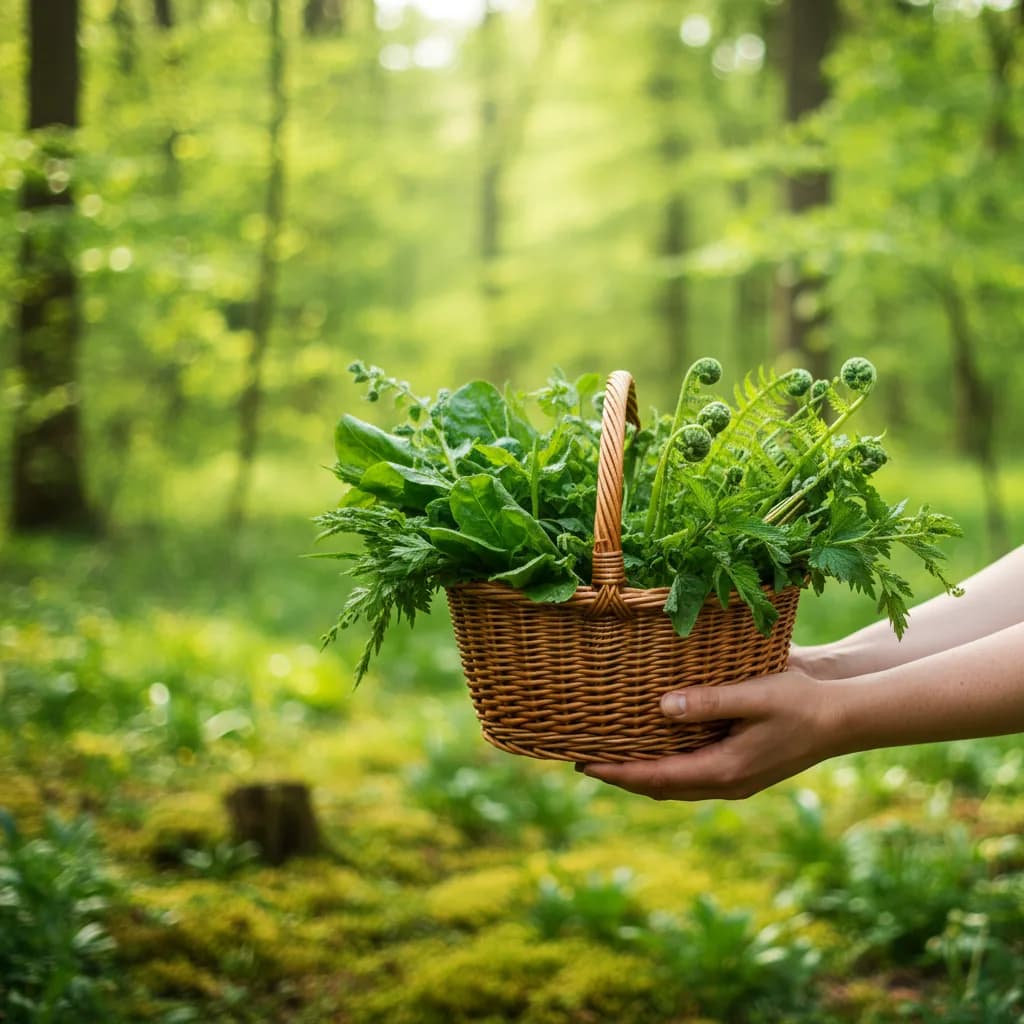
Rooted in Seasonality: A Botanical Guide to Spring Foraging & Honest Cooking
The Story
Unlock the vibrant, medicinal potential of spring by incorporating wild-foraged greens into your kitchen. Join Stwart Lucas as we transform humble dandelion, nettle, and ramps into cinematic, nutrient-dense culinary masterpieces.
1Ingredients
2Instructions
Quick Summary: The Spring Awakening
Spring foraging is the ultimate act of wellness. It reconnects your body with the earth's natural rhythm. We will explore three essential greens: Dandelion, Stinging Nettle, and Ramps. These ingredients are artisanal, free, and packed with vitality.
The Philosophy of Honest Cooking
Cooking is a cinematic experience. It is the art of turning raw, wild elements into a nourished life. When you forage, you respect the season. You honor the soil. You bring the garden’s truth to your plate.
1. Dandelion: The Bitter Cleanser
Don't call them weeds. Call them medicine. Dandelion greens are bitter, digestive powerhouses. Sauté them quickly with garlic and lemon to tame their intensity.
2. Stinging Nettle: The Nutrient Giant
Nettles require courage. Use gloves to harvest. Once blanched, the sting vanishes, replaced by a deep, iron-rich, spinach-like flavor. Perfect for soups and pesto.
3. Ramps: The Forest's Gold
The fleeting treasure of spring. Ramps offer a delicate, wild onion aroma. Use them sparingly. They are the caviar of the forest floor.
Wild Spring Pesto Recipe
Create an artisanal masterpiece in minutes.
- 2 cups foraged greens (nettle/dandelion mix)
- 1/2 cup toasted pine nuts
- 1 clove raw garlic
- Extra virgin olive oil
- Sea salt and lemon zest
Blitz until coarse. Serve over warm, handmade pasta.
Frequently Asked Questions
Is foraging safe for beginners?
Always carry a field guide. Never harvest from roadsides or chemically treated lawns. If in doubt, leave it out.
How do I prepare stinging nettles?
The heat is your friend. Boiling or steaming neutralizes the formic acid instantly.
Why eat wild greens?
Wild plants are often more nutrient-dense than supermarket vegetables. They contain high levels of phytochemicals developed to survive the elements.
Nutrition Information
Community Reviews
Please log in to leave a review.