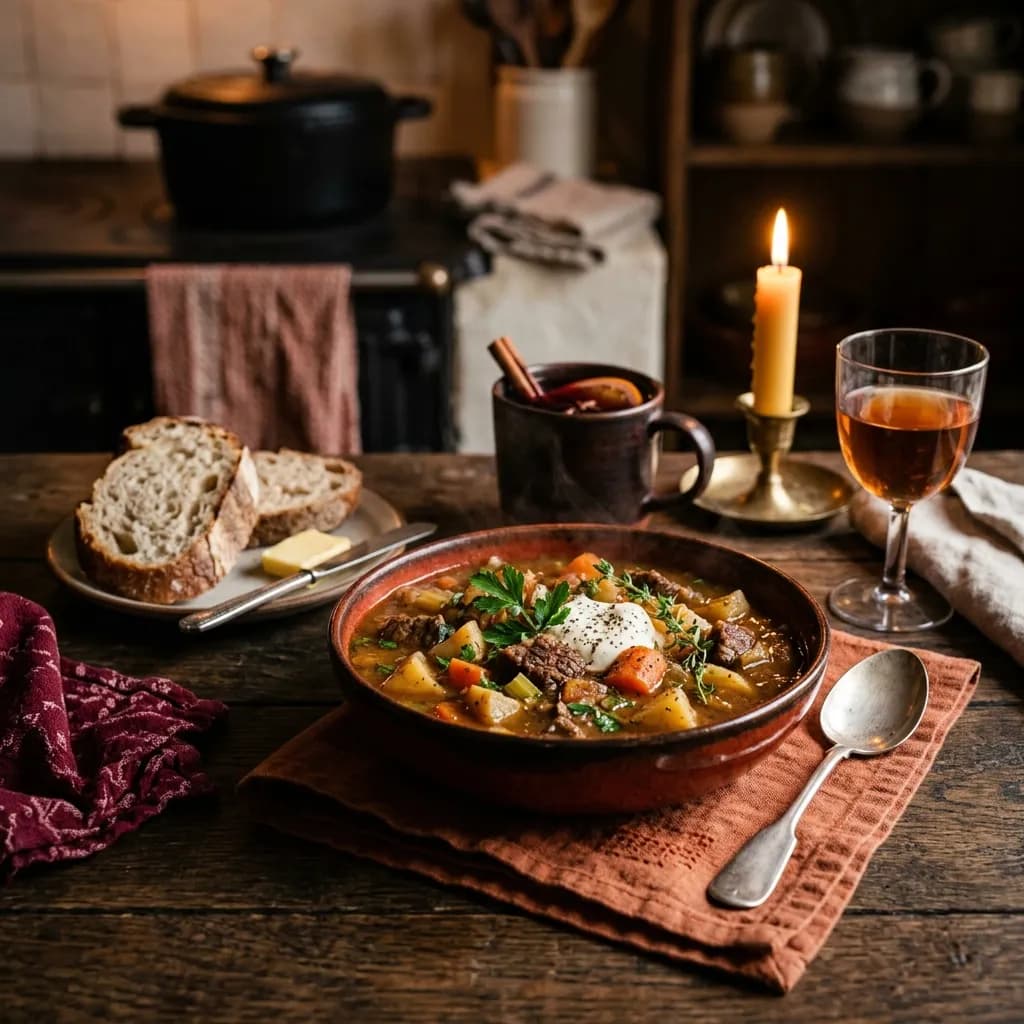
Shrimp and Vegetable Stir-Fry
This healthy Shrimp and Vegetable Stir-Fry recipe is a clean eating meal option rich in nutrients. Optimized for Anti-Inflammatory, Gut Health, non-veg, dinner, Shrimp and created by certified nutritionist Stewart Lucas, it is designed to fit seamlessly into a health-focused lifestyle.
Key Takeaways
- ✓Ready in just 10 mins using straightforward, kitchen-tested technique.
- ✓Delivers 35g of muscle-fueling protein per serving for lasting satiety.
- ✓Portion-balanced at 450 calories per serving with wholesome, unrefined ingredients.
- ✓Masterclass temperature checkpoints ensure maximum tenderness and flavor development.
The Story
This healthy Shrimp and Vegetable Stir-Fry recipe is a clean eating meal option rich in nutrients. Optimized for Anti-Inflammatory, Gut Health, non-veg, dinner, Shrimp and created by certified nutritionist Stewart Lucas, it is designed to fit seamlessly into a health-focused lifestyle.
Shrimp and Vegetable Stir-Fry
The Art of the Weeknight Stir-Fry
There is a specific, rhythmic comfort to a stir-fry. It starts with the sharp, clean sound of a knife hitting the cutting board as you slice crisp bell peppers and snap fresh broccoli florets into uniform pieces. When you add that first splash of oil to a preheated wok or heavy skillet, the air fills with the promise of a meal that is both light and deeply flavorful.
As a nutritionist, I often hear that people find healthy eating "difficult" because they associate it with tedious prep or bland flavors. This dish is the perfect antidote to that mindset. We aren't hiding anything here; we are highlighting the natural, brilliant colors of the vegetables and the succulent, tender bite of perfectly cooked shrimp. It is simple, whole-food cooking that respects your time and your body.
Ingredients
Quality ingredients are the backbone of a successful stir-fry. Because this recipe uses a quick, high-heat method, fresh produce makes a world of difference.
- 1 lb large shrimp, peeled and deveined
- 2 cups broccoli florets (cut into bite-sized pieces)
- 1 large red bell pepper, sliced into thin strips
- 1 medium carrot, julienned or thinly sliced on the bias
- 2 tbsp avocado oil (high smoke point, perfect for searing)
- 2 cloves garlic, finely minced
- 1 tbsp fresh ginger, freshly grated
- 3 tbsp low-sodium soy sauce or tamari
Shrimp is an excellent source of astaxanthin, a powerful antioxidant that helps reduce inflammation. Combined with the cruciferous sulforaphane found in broccoli and the gingerol in fresh ginger—which aids digestion and manages blood sugar—this meal is a powerhouse for immune support and gut health.
The Cooking Method
- The Sizzle: Heat your skillet over medium-high heat. Add a tablespoon of avocado oil. When the oil shimmers—not smokes—carefully slide in the shrimp. They should announce their presence with a satisfying sizzle. Cook for about 2–3 minutes until they curl into a "C" shape and turn opaque. Remove them immediately to keep them tender.
- The Veggie Sear: Add the remaining oil to the same hot pan. Toss in the broccoli, peppers, and carrots. Keep them moving. You want them to retain a snap; aim for tender-crisp rather than mushy. This maintains the structural integrity of the fiber, which is better for your digestion.
- The Aromatics: Create a small well in the center of the vegetables. Drop in your ginger and garlic. As soon as you smell that unmistakable, spicy-sweet aroma, stir them into the vegetables. This 30-second window is crucial for flavor development.
- The Finish: Slide the shrimp back into the pan. Pour the soy sauce over the mixture. Toss everything together vigorously for one final minute. The sauce will coat everything in a light, glossy sheen. Serve immediately while it is piping hot.
Never crowd the pan. If you throw too much food in at once, the temperature drops, and the ingredients begin to boil in their own juices rather than searing. If you are doubling the recipe, cook it in two batches. Also, always pat your shrimp bone-dry before they hit the pan. Excess moisture is the enemy of a good sear.
Flavor Variations & Swaps
Stir-fry is remarkably forgiving. Here are a few ways to customize this dish based on what you have in your fridge:
Low-Carb Boost
Swap the carrots for sliced zucchini or bok choy to lower the glycemic load even further.
Protein Swap
If you aren't in the mood for shrimp, thinly sliced chicken breast or extra-firm tofu (pressed well) works beautifully with the same seasoning profile.
The Umami Twist
Add a teaspoon of toasted sesame oil at the very end. Its nutty, deep aroma adds a restaurant-quality finish that ties all the vegetal notes together.
Meal Prep & Storage Guide
This dish is fantastic for meal prep. Store the stir-fry in airtight glass containers for up to two days. To reheat, avoid the microwave if possible; a quick spin in a hot skillet for two minutes will bring back that crisp texture. If you want to prep in advance, chop all your vegetables and whisk your sauce the night before. Keep the shrimp raw until you are ready to cook, as they lose their delicate texture if reheated too aggressively.
Nutrition Snapshot
| Nutrient | Amount |
|---|---|
| Calories | 450 kcal |
| Protein | 35g |
| Fat | 14g |
| Carbohydrates | 28g |
Shrimp and Vegetable Stir-Fry
This healthy Shrimp and Vegetable Stir-Fry recipe is a clean eating meal option rich in nutrients. Optimized for Anti-Inflammatory, Gut Health, non-veg, dinner, Shrimp and created by certified nutritionist Stewart Lucas, it is designed to fit seamlessly into a health-focused lifestyle.
Macro Nutrition Profile (Per Serving)
Ingredients
Ingredient Substitutions
| Original Ingredient | Healthy Alternative |
|---|---|
| Animal protein | Firm tofu, tempeh, or organic chickpeas |
| Cooking fat | Extra virgin olive oil or grass-fed butter |
Instructions
The Sizzle: Heat your skillet over medium-high heat. Add a tablespoon of avocado oil. When the oil shimmers—not smokes—carefully slide in the shrimp. They should announce their presence with a satisfying sizzle. Cook for about 2–3 minutes until they curl into a "C" shape and turn opaque. Remove them immediately to keep them tender.
The Veggie Sear: Add the remaining oil to the same hot pan. Toss in the broccoli, peppers, and carrots. Keep them moving. You want them to retain a snap; aim for tender-crisp rather than mushy. This maintains the structural integrity of the fiber, which is better for your digestion.
The Aromatics: Create a small well in the center of the vegetables. Drop in your ginger and garlic. As soon as you smell that unmistakable, spicy-sweet aroma, stir them into the vegetables. This 30-second window is crucial for flavor development.
The Finish: Slide the shrimp back into the pan. Pour the soy sauce over the mixture. Toss everything together vigorously for one final minute. The sauce will coat everything in a light, glossy sheen. Serve immediately while it is piping hot.
Tried this recipe?
Let us know how it turned out! Click a star below to leave a review and rate the recipe.
Storage & Freezing Tips
- Refrigerator: Store in an airtight container for up to 3 days. Keep the components separate if possible to preserve texture.
- Reheating: Reheat gently in a skillet on medium-low heat with a splash of olive oil or butter.
- Freezing: Freezing is not recommended for this dish because ingredients like broccoli become soggy, rubbery, or mushy when defrosted.
Frequently Asked Questions
Can I use frozen shrimp?▼
Absolutely. The trick is proper thawing. Place the shrimp in a bowl of cold water for 15 minutes, then drain and pat them completely dry with paper towels. If they are wet, they will steam rather than sear, leading to a rubbery texture.
Is this recipe gluten-free?▼
Standard soy sauce contains wheat. To make this gluten-free, simply substitute the soy sauce with an equal amount of tamari or coconut aminos. Both provide that deep, salty savory profile without the gluten.
Why do my vegetables turn out mushy?▼
You are likely overcooking them or overcrowding the pan. High heat is your best friend here. Keep the vegetables moving constantly, and pull them off the heat as soon as they become vibrant in color—they will continue to cook slightly from the residual heat on the plate.
Can I add other vegetables?▼
By all means! Sugar snap peas, sliced mushrooms, or even baby corn are excellent additions. Just ensure you cut harder vegetables (like carrots) smaller than softer ones (like peppers) so they all finish cooking at the same time.
Tried this recipe?
Tag @stewartlucas on Instagram and hashtag it #nutriguide!
You Might Also Like

Stewart Lucas
Nutritionist & Recipe DeveloperStewart Lucas is a nutritionist and recipe developer representing the NutriGuide team. All recipes, nutritional values, and diet protocols published on this site are designed and audited by certified dietitians and clinical nutrition professionals to guarantee absolute accuracy.
Community Reviews
Please log in to leave a review.