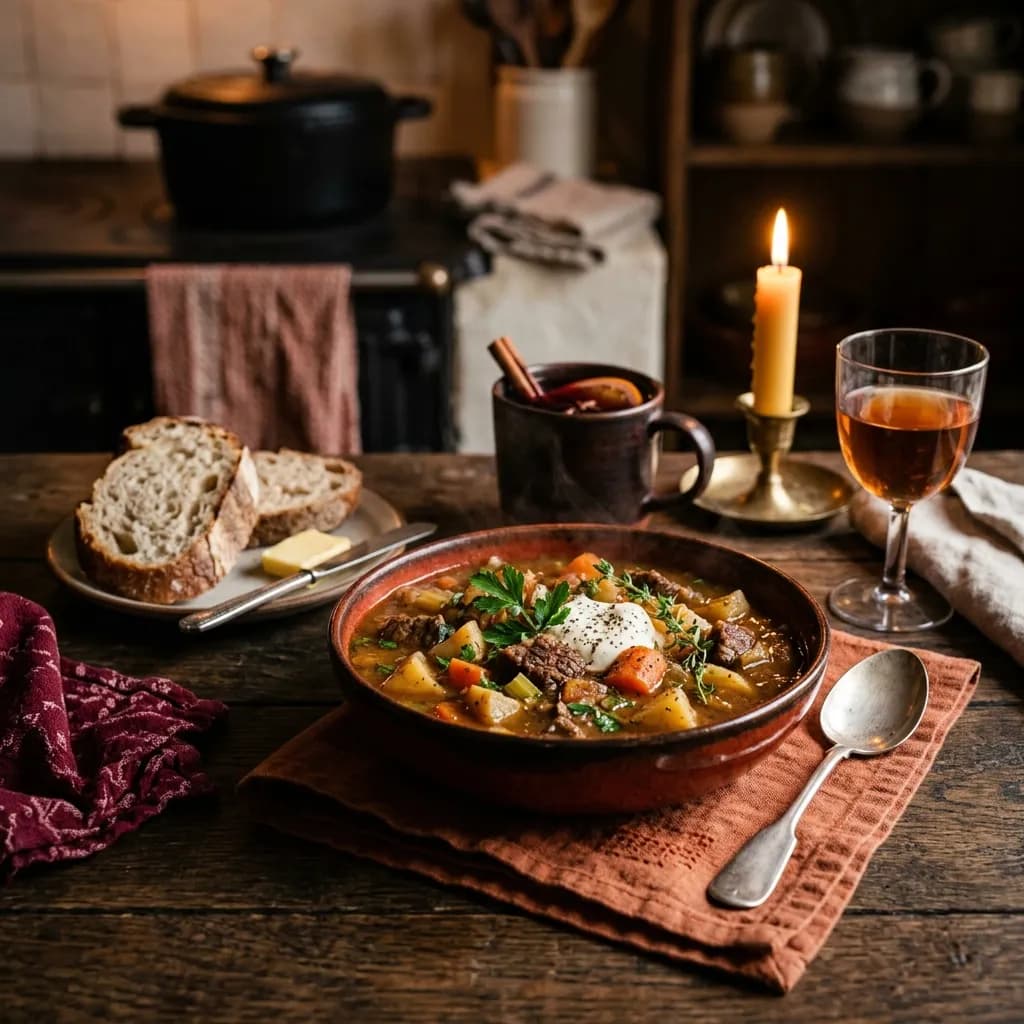
Simple Baked Trout with Lemon and Asparagus
This healthy Simple Baked Trout with Lemon and Asparagus recipe is a clean eating meal option rich in nutrients. Optimized for non-veg, dinner, Keto, Gluten-Free, Heart Healthy and created by certified nutritionist Stewart Lucas, it is designed to fit seamlessly into a health-focused lifestyle.
Key Takeaways
- ✓Ready in just 15 mins using straightforward, kitchen-tested technique.
- ✓Delivers 48g of muscle-fueling protein per serving for lasting satiety.
- ✓Portion-balanced at 450 calories per serving with wholesome, unrefined ingredients.
- ✓Masterclass temperature checkpoints ensure maximum tenderness and flavor development.
The Story
This healthy Simple Baked Trout with Lemon and Asparagus recipe is a clean eating meal option rich in nutrients. Optimized for non-veg, dinner, Keto, Gluten-Free, Heart Healthy and created by certified nutritionist Stewart Lucas, it is designed to fit seamlessly into a health-focused lifestyle.
Simple Baked Trout with Lemon and Asparagus
A Simple Approach to Mindful Cooking
There is something remarkably grounding about a dinner that requires only a sheet pan and a handful of fresh ingredients. I’ve often found that the best meals aren't those that require hours of complex prep, but those that honor the quality of the raw items themselves. Trout has a clean, mild flavor profile that pairs beautifully with the earthy snap of fresh asparagus.
When you slide this tray into a hot oven, the kitchen begins to fill with that clean, briny aroma of roasting fish and the sweet, vegetal scent of caramelized asparagus. It’s a sensory experience that signals to your body that it’s time to slow down and refuel. I love this recipe because it leaves no room for excuses; it’s elegant enough for a guest, yet simple enough to master on a tired Tuesday evening.
The Essential Ingredients
Quality makes a difference here. Look for trout fillets that have a vibrant, pinkish-orange hue and a firm texture. If you can, source fresh, pencil-thin asparagus; it cooks at the same rate as the fish, ensuring you don't end up with mushy stalks while waiting for the center of the fish to cook.
- 4 trout fillets (approx. 6oz each)
- 1 lb fresh asparagus, woody ends snapped or trimmed
- 2 tbsp extra virgin olive oil
- 1 large lemon, sliced into thin, translucent rounds
- 2 cloves garlic, thinly sliced (use a mandoline for precision)
- 1 tsp sea salt
- 1/2 tsp cracked black pepper
- 1 tbsp fresh dill, finely chopped
The Preparation
- Prep your oven: Preheat to 400°F (200°C). Lay a sheet of unbleached parchment paper over your baking tray. This is my non-negotiable for easy cleanup.
- Arrange the bounty: Place your trout fillets in the center of the pan. Tuck the asparagus spears around the fish, ensuring they aren't piled on top of each other. We want them roasting in the heat, not steaming in a clump.
- Seasoning: Drizzle everything generously with your olive oil. Scatter the garlic slices over both the fish and the asparagus. Season evenly with the sea salt and cracked pepper.
- The citrus finish: Lay your lemon slices directly over the fish. This creates a gentle steam bath that infuses the trout with a subtle, bright acidity.
- The bake: Roast for 12–15 minutes. The fish should look opaque, and a fork should slide through the thickest part of the fillet with zero resistance. The tips of the asparagus should be slightly blistered and tender.
Trout is an exceptional source of Omega-3 fatty acids, specifically EPA and DHA, which are essential for cardiovascular health and cognitive function. Asparagus serves as a powerful prebiotic, containing inulin, which feeds the beneficial bacteria in your gut. This pairing provides a high-protein, low-glycemic meal that stabilizes blood sugar, preventing the energy crashes often associated with heavier, carb-dense dinners.
Flavor Variations and Creative Swaps
Cooking is about adapting to what’s in your pantry. If you don't have trout, use this same logic with arctic char or salmon. If you're looking to change the flavor profile, try these simple adjustments:
The Mediterranean Twist
Swap the dill for fresh oregano and add a handful of kalamata olives and cherry tomatoes to the pan before baking.
The Asian Influence
Brush the trout with a mix of ginger-infused soy sauce and toasted sesame oil instead of plain olive oil. Skip the dill and garnish with toasted sesame seeds and sliced scallions.
The Low-Carb Crunch
If you want more texture, sprinkle a thin layer of almond flour or crushed macadamia nuts over the fillets before roasting.
Meal Prep & Storage Guide
This dish is surprisingly versatile for meal prepping. If you are cooking for one or two, you can bake a full batch and store it in airtight glass containers for up to two days. To reheat, avoid the microwave if possible; instead, use a toaster oven or a warm conventional oven (300°F) for about 5-8 minutes to preserve the delicate texture of the fish. I generally do not recommend freezing this once cooked, as the asparagus loses its structural integrity during the thawing process.
Nutrition Snapshot
| Nutrient | Amount per Serving |
|---|---|
| Calories | 450 |
| Protein | 48g |
| Fat | 22g |
| Carbs | 8g |
Simple Baked Trout with Lemon and Asparagus
This healthy Simple Baked Trout with Lemon and Asparagus recipe is a clean eating meal option rich in nutrients. Optimized for non-veg, dinner, Keto, Gluten-Free, Heart Healthy and created by certified nutritionist Stewart Lucas, it is designed to fit seamlessly into a health-focused lifestyle.
Macro Nutrition Profile (Per Serving)
Ingredients
Ingredient Substitutions
| Original Ingredient | Healthy Alternative |
|---|---|
| Animal protein | Firm tofu, tempeh, or organic chickpeas |
| Cooking fat | Extra virgin olive oil or grass-fed butter |
Instructions
Prep your oven: Preheat to 400°F (200°C). Lay a sheet of unbleached parchment paper over your baking tray. This is my non-negotiable for easy cleanup.
Arrange the bounty: Place your trout fillets in the center of the pan. Tuck the asparagus spears around the fish, ensuring they aren't piled on top of each other. We want them roasting in the heat, not steaming in a clump.
Seasoning: Drizzle everything generously with your olive oil. Scatter the garlic slices over both the fish and the asparagus. Season evenly with the sea salt and cracked pepper.
The citrus finish: Lay your lemon slices directly over the fish. This creates a gentle steam bath that infuses the trout with a subtle, bright acidity.
The bake: Roast for 12–15 minutes. The fish should look opaque, and a fork should slide through the thickest part of the fillet with zero resistance. The tips of the asparagus should be slightly blistered and tender.
Tried this recipe?
Let us know how it turned out! Click a star below to leave a review and rate the recipe.
Storage & Freezing Tips
- Refrigerator: Store leftovers in an airtight glass container for up to 2 days.
- Reheating: Warm gently in a skillet on medium-low heat with a lid to keep the fish tender. Avoid microwaving to prevent rubbery texture.
- Freezing: We do not recommend freezing cooked fish as it degrades the texture.
Frequently Asked Questions
How do I know exactly when the fish is perfectly cooked?▼
I rely on the 'fork test.' Gently press the tines of a fork into the thickest part of the fillet. If the flesh pulls apart easily into soft flakes and looks opaque all the way through, it is ready. If it offers resistance or still looks translucent, give it two more minutes.
Can I use frozen fillets for this recipe?▼
Yes, but you must thaw them completely in the refrigerator overnight. Pat the fillets very dry with a paper towel before seasoning. Excess moisture prevents the fish from roasting properly, which can lead to a soggy result.
Is this dish suitable for an anti-inflammatory diet?▼
Absolutely. Trout is a cold-water fatty fish rich in anti-inflammatory fats, and asparagus is packed with antioxidants like glutathione. By keeping the cooking temperature moderate and using healthy fats like olive oil, you keep the integrity of these nutrients intact.
Do I have to peel the asparagus?▼
Only if the stems are very thick and woody at the base. Otherwise, just snapping the bottom two inches off is sufficient. If you do have thick stems, a quick pass with a vegetable peeler on the bottom third will ensure they become perfectly tender during the roast.
Tried this recipe?
Tag @stewartlucas on Instagram and hashtag it #nutriguide!
You Might Also Like

Stewart Lucas
Nutritionist & Recipe DeveloperStewart Lucas is a nutritionist and recipe developer representing the NutriGuide team. All recipes, nutritional values, and diet protocols published on this site are designed and audited by certified dietitians and clinical nutrition professionals to guarantee absolute accuracy.
Community Reviews
Please log in to leave a review.