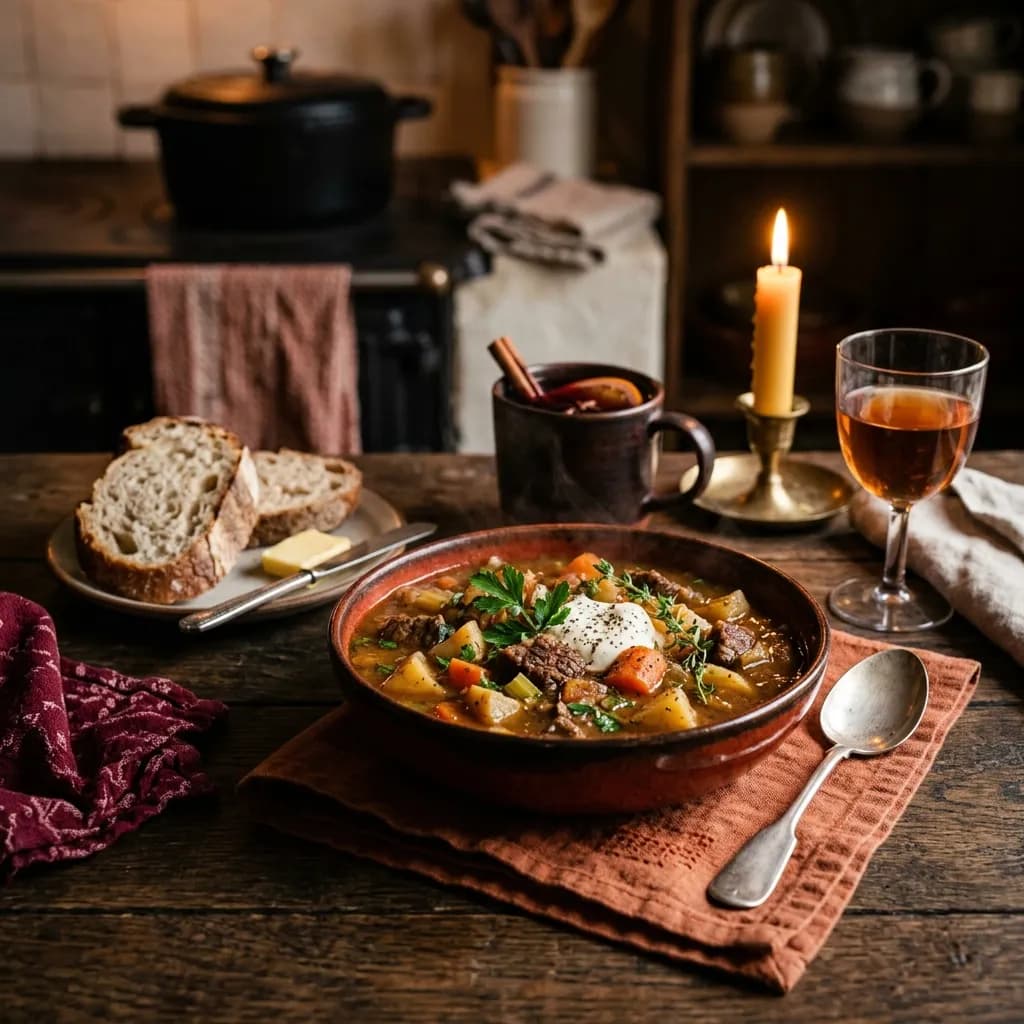
Crispy Pan-Seared Duck Breast with Ginger-Garlic Bok Choy
This healthy Crispy Pan-Seared Duck Breast with Ginger-Garlic Bok Choy recipe is a clean eating meal option rich in nutrients. Optimized for non-veg, dinner, Duck, Bok Choy, Keto and created by certified nutritionist Stewart Lucas, it is designed to fit seamlessly into a health-focused lifestyle.
Key Takeaways
- ✓Ready in just 25 mins using straightforward, kitchen-tested technique.
- ✓Delivers 32g of muscle-fueling protein per serving for lasting satiety.
- ✓Portion-balanced at 450 calories per serving with wholesome, unrefined ingredients.
- ✓Masterclass temperature checkpoints ensure maximum tenderness and flavor development.
The Story
This healthy Crispy Pan-Seared Duck Breast with Ginger-Garlic Bok Choy recipe is a clean eating meal option rich in nutrients. Optimized for non-veg, dinner, Duck, Bok Choy, Keto and created by certified nutritionist Stewart Lucas, it is designed to fit seamlessly into a health-focused lifestyle.
Quick Summary
This recipe is all about patience and the transformation of texture. By slowly rendering the fat from the duck skin in a cold pan, we achieve a crackling, golden-glass crust while keeping the meat succulent. Paired with aromatic ginger and garlic bok choy, it provides a clean, protein-forward meal that feels restaurant-quality yet is entirely achievable in your own kitchen.
Why This Dish Matters
I often hear from my clients that they avoid cooking duck at home because it feels intimidating, perhaps even a bit indulgent. I want to change that narrative. Duck breast, when prepared with care, is a powerhouse of nutrients and offers a much more interesting flavor profile than the standard chicken breast we often fall back on. It’s an incredibly rewarding experience to listen to the gentle, rhythmic sizzle as the fat begins to melt away in the pan, filling the kitchen with a rich, savory aroma that is uniquely its own.
In the culinary world, we treat duck as a canvas for balancing deep, earthy flavors with bright, acidic aromatics. By using fresh ginger and garlic, we cut through the natural richness of the meat, creating a harmony that is both deeply satisfying and nutritionally balanced. It’s not just about the final meal; it’s about the tactile joy of scoring the skin and the mindful practice of monitoring the heat.
Ingredients
- 4 duck breasts (approx. 6oz each)
- 1 tsp kosher salt
- 1/2 tsp freshly cracked black pepper
- 4 heads baby bok choy, rinsed and halved lengthwise
- 2 cloves garlic, minced
- 1 tbsp fresh ginger, finely grated
- 1 tbsp quality soy sauce or tamari
Preparation Method
- Score the Skin: Pat your duck breasts bone-dry with a paper towel. Using a sharp paring knife, score the skin in a tight crosshatch pattern. Do not cut into the pink flesh—only the skin and fat layer. This creates channels for the fat to escape and ensures even crisping.
- The Cold Start: Place the breasts skin-side down in a cold, heavy-bottomed skillet. Set the heat to medium-low. This is the secret. As the pan warms, the fat renders slowly, resulting in a thin, glass-like crust rather than a chewy or burnt one. Let this cook undisturbed for 10–12 minutes.
- The Sear: Once the skin is deep golden brown and crispy, flip the breasts. Cook for another 3–5 minutes until the internal temperature reaches 130°F (54°C) for a perfect medium-rare.
- The Rest: Remove the duck from the pan and let it rest on a cutting board for at least 8 minutes. This allows the juices to redistribute, ensuring every bite is tender.
- Sauté the Greens: Pour off all but one tablespoon of the rendered fat. Crank the heat to medium-high. Add the bok choy, cut-side down, and sear for 2 minutes. Add the garlic and ginger, tossing quickly until fragrant. Drizzle with soy sauce just before serving.
Nutritional Science & Benefits
Duck is a fantastic source of high-quality protein and essential minerals like iron and zinc. While it is higher in fat, much of it is monounsaturated—the same "good" fat found in olive oil.
- Ginger: Contains gingerol, which aids digestion and helps combat inflammation.
- Bok Choy: A cruciferous vegetable packed with Vitamin K and C, supporting bone health and immune function.
- Garlic: Contains allicin, a compound known for supporting heart health and circulation.
Meal Prep & Storage Guide
To prep this ahead, you can score the duck breasts and keep them chilled in the fridge for up to 24 hours before cooking. However, for the best texture, always sear fresh.
- Storage: Store leftovers in an airtight container for up to 3 days.
- Reheating: Do not use the microwave, as it will make the skin soggy. Instead, place the duck skin-side up in an oven preheated to 350°F (175°C) for 5–7 minutes until warmed through and the skin crisps back up.
- Freezing: You can freeze cooked duck for up to one month, though I recommend eating it fresh to preserve the integrity of the skin.
Flavor Variations
Citrus Kick
Add a teaspoon of orange zest to the pan during the final minute of sautéing the bok choy for a bright, classic pairing.
Heat Seeker
Add a pinch of red pepper flakes when tossing the ginger and garlic for a subtle, warming spice.
Protein Swap
If you prefer a leaner option, this cooking method works exceptionally well with firm tofu steaks (pressed and dried) or even thick-cut cauliflower steaks, using a bit of sesame oil for the sear.
Crispy Pan-Seared Duck Breast with Ginger-Garlic Bok Choy
This healthy Crispy Pan-Seared Duck Breast with Ginger-Garlic Bok Choy recipe is a clean eating meal option rich in nutrients. Optimized for non-veg, dinner, Duck, Bok Choy, Keto and created by certified nutritionist Stewart Lucas, it is designed to fit seamlessly into a health-focused lifestyle.
Macro Nutrition Profile (Per Serving)
Ingredients
Ingredient Substitutions
| Original Ingredient | Healthy Alternative |
|---|---|
| Animal protein | Firm tofu, tempeh, or organic chickpeas |
| Cooking fat | Extra virgin olive oil or grass-fed butter |
Instructions
Score the Skin: Pat your duck breasts bone-dry with a paper towel. Using a sharp paring knife, score the skin in a tight crosshatch pattern. Do not cut into the pink flesh—only the skin and fat layer. This creates channels for the fat to escape and ensures even crisping.
The Cold Start: Place the breasts skin-side down in a cold, heavy-bottomed skillet. Set the heat to medium-low. This is the secret. As the pan warms, the fat renders slowly, resulting in a thin, glass-like crust rather than a chewy or burnt one. Let this cook undisturbed for 10–12 minutes.
The Sear: Once the skin is deep golden brown and crispy, flip the breasts. Cook for another 3–5 minutes until the internal temperature reaches 130°F (54°C) for a perfect medium-rare.
The Rest: Remove the duck from the pan and let it rest on a cutting board for at least 8 minutes. This allows the juices to redistribute, ensuring every bite is tender.
Sauté the Greens: Pour off all but one tablespoon of the rendered fat. Crank the heat to medium-high. Add the bok choy, cut-side down, and sear for 2 minutes. Add the garlic and ginger, tossing quickly until fragrant. Drizzle with soy sauce just before serving.
Tried this recipe?
Let us know how it turned out! Click a star below to leave a review and rate the recipe.
Storage & Freezing Tips
- Refrigerator: Store leftovers in an airtight container for up to 3-4 days.
- Reheating: Heat in a saucepan or skillet on medium heat until hot throughout.
- Freezing: Freeze portions in airtight containers for up to 2 months. Reheat directly from frozen or after thawing.
Frequently Asked Questions
Can I use a non-stick pan for this?▼
Absolutely. While a stainless steel or cast iron skillet is excellent for searing, a non-stick pan actually makes the rendering process much more forgiving for beginners. Just ensure you still use the cold-start method.
How do I ensure the skin stays crispy after adding the sauce?▼
The key is to keep the sauce light and add it at the very last second. Never pour the sauce directly over the crispy skin; coat the greens in the bottom of the pan instead.
Is the fat content too high for a healthy diet?▼
Duck fat is very flavorful, which means you need less of it to feel satisfied. When you use the rendered fat to flavor your vegetables, you are using a natural, unprocessed fat source. Moderation is key, but it is a much better choice than highly processed industrial seed oils.
Tried this recipe?
Tag @stewartlucas on Instagram and hashtag it #nutriguide!
You Might Also Like

Stewart Lucas
Nutritionist & Recipe DeveloperStewart Lucas is a nutritionist and recipe developer representing the NutriGuide team. All recipes, nutritional values, and diet protocols published on this site are designed and audited by certified dietitians and clinical nutrition professionals to guarantee absolute accuracy.
Community Reviews
Please log in to leave a review.