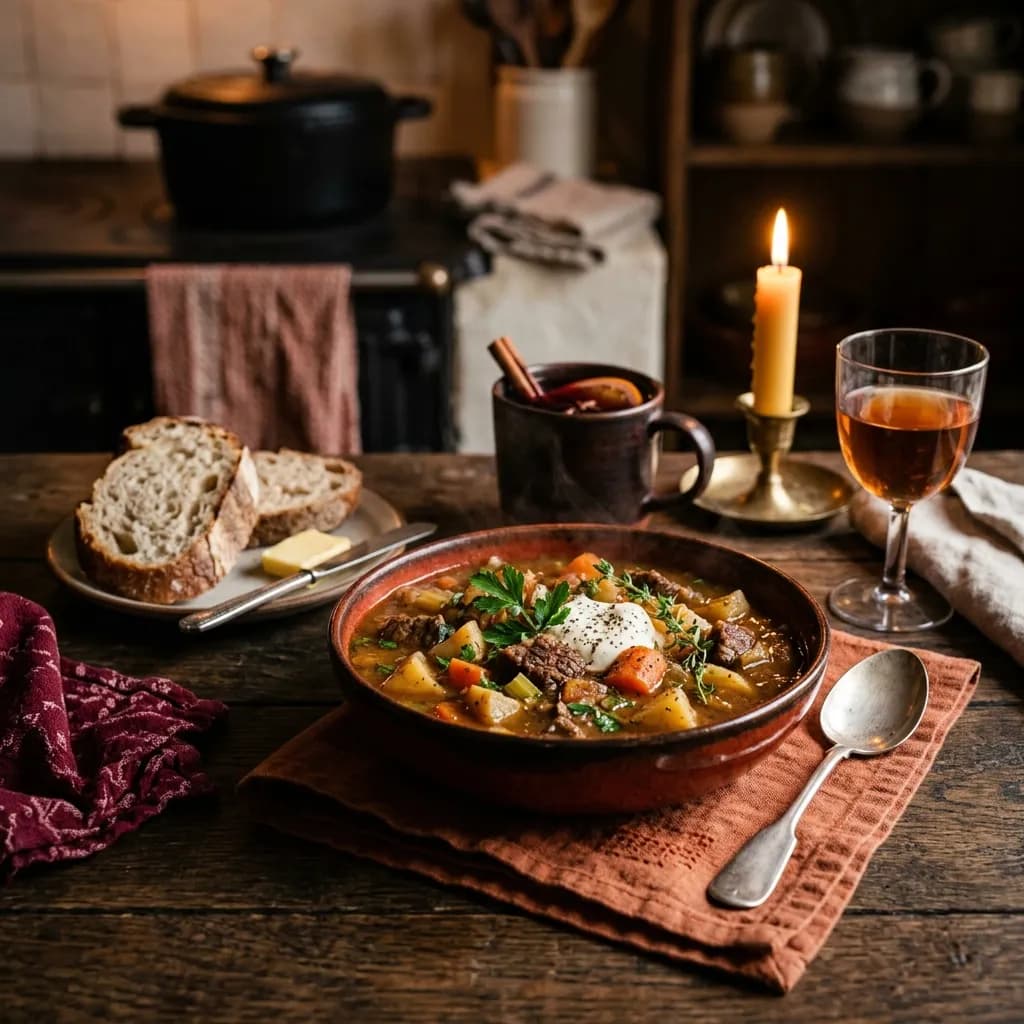
French-Style Chive Omelet
This healthy French-Style Chive Omelet recipe is a clean eating meal option rich in nutrients. Optimized for breakfast, veg, Gluten-Free, Keto, Low-Carb and created by certified nutritionist Stewart Lucas, it is designed to fit seamlessly into a health-focused lifestyle.
Key Takeaways
- ✓Ready in just 5 mins using straightforward, kitchen-tested technique.
- ✓Delivers 14g of muscle-fueling protein per serving for lasting satiety.
- ✓Portion-balanced at 220 calories per serving with wholesome, unrefined ingredients.
- ✓Masterclass temperature checkpoints ensure maximum tenderness and flavor development.
The Story
This healthy French-Style Chive Omelet recipe is a clean eating meal option rich in nutrients. Optimized for breakfast, veg, Gluten-Free, Keto, Low-Carb and created by certified nutritionist Stewart Lucas, it is designed to fit seamlessly into a health-focused lifestyle.
The Perfect French-Style Chive Omelet
Quick Summary
This classic French-style chive omelet is the ultimate lesson in culinary restraint. By using gentle heat and fresh, vibrant herbs, you create an egg dish that is remarkably soft, creamy, and protein-packed. It is a refined, quick breakfast that proves you don't need complex techniques to enjoy a restaurant-quality meal at home.
A Morning Ritual of Simplicity
There is something grounding about the quiet hiss of butter meeting a warm pan in the early morning. I have spent years in various kitchens, from bustling bistro lines to quiet home environments, and I always return to the French omelet. Unlike the browned, folded American-style omelet, the French version is pale, smooth, and delicate. It relies on a uniform, creamy curd rather than a crispy exterior.
When you whisk fresh, green chives into the eggs, you aren't just adding flavor; you are adding a subtle, oniony brightness that cuts through the richness of the butter and yolk. It is a breakfast that respects your body. It provides long-lasting satiety without that heavy, sluggish feeling that comes from processed morning staples. It is, in my professional opinion, the ideal start to a productive day.
Ingredients for the Perfect Omelet
- 8 large pasture-raised eggs (room temperature is best for even cooking)
- 2 tablespoons high-quality unsalted butter
- 1/4 cup fresh chives, finely snipped with sharp scissors
- 1/4 teaspoon fine sea salt
- A few turns of freshly cracked black pepper
- Optional: 2 tablespoons aged Gruyère, finely grated
Nutritional Science & Benefits
Eggs are a true nutritional powerhouse. They are a complete protein source, meaning they contain all nine essential amino acids your body needs for muscle repair and metabolic function. By incorporating chives, you are also introducing organosulfur compounds, which have been linked to heart health and immune support.
- Choline: Essential for brain health and cognitive function, found abundantly in egg yolks.
- Lutein and Zeaxanthin: Antioxidants found in eggs that are vital for long-term eye health.
- Healthy Fats: The lipids in pasture-raised eggs provide the necessary environment for your body to absorb fat-soluble vitamins (A, D, E, and K).
The Method: A Gentle Approach
Timing is everything here. Have your chives chopped and your pan ready before you even crack the first egg.
1. The Whisk
Crack your eggs into a medium bowl. Add the salt, pepper, and half of your chives. Using a fork, whisk until the yolks and whites are just combined. You are looking for a uniform color—avoid whipping too much air into the mixture. We want a creamy consistency, not a fluffy, airy one.
2. The Temperature
Set your non-stick skillet over medium-low heat. Add your butter. Let it melt until it foams, but do not let it turn brown. If it starts to brown, you are moving too fast. Tilt the pan to ensure the butter coats the sides—this prevents the eggs from sticking.
3. The Curd Formation
Pour in your eggs. They should not hiss loudly. If they do, take the pan off the heat for a few seconds. Using a rubber spatula, move the eggs constantly in small circular motions while shaking the pan back and forth. You are creating very small, soft curds. Keep this up until the mixture looks like soft, scrambled eggs with a bit of liquid still visible on top.
4. The Roll
Stop stirring. Use your spatula to smooth the eggs into an even layer. If you are using cheese, sprinkle it now along the center. Tilt the pan away from you and gently roll the omelet into a cylinder, letting it fold over itself as it slides toward the edge of the pan. Plate it seam-side down, garnish with the remaining chives, and serve immediately.
Stewart's Culinary Coaching Tips
The "Finger Test": If you are unsure if your heat is correct, touch the handle of your pan. It should feel warm, not searing. If your eggs hit the pan and set instantly, your pan is too hot. You want a 60-second window to work with the eggs. Also, always use a high-quality silicone spatula; it allows you to get into the crevices of the pan, ensuring no egg is wasted.
Meal Prep & Storage
While an omelet is best enjoyed straight from the pan, you can prep the components to save time. Snip your chives the night before and store them in a damp paper towel in the fridge. You can also grate your cheese and store it in an airtight container. If you have leftovers, store them in an airtight container for up to 24 hours. Reheat gently in a dry pan over the lowest heat setting with a tiny pat of butter to prevent drying out.
Flavor Variations
Do not use a scratched non-stick pan, as the eggs will adhere to the damaged surface, making a clean fold impossible. Also, avoid adding salt too far in advance, as it can draw out moisture from the eggs and change their texture before they even hit the heat.
The Garden Fresh
Swap chives for a mix of fresh tarragon and chervil for a classic French "fines herbes" blend.
The Earthy Option
Add sautéed mushrooms or spinach to the center before folding. Ensure you sauté these veggies first to remove excess water.
The Protein Boost
Add a small amount of diced smoked salmon or flaked trout inside for a boost of Omega-3 fatty acids.
French-Style Chive Omelet
This healthy French-Style Chive Omelet recipe is a clean eating meal option rich in nutrients. Optimized for breakfast, veg, Gluten-Free, Keto, Low-Carb and created by certified nutritionist Stewart Lucas, it is designed to fit seamlessly into a health-focused lifestyle.
Macro Nutrition Profile (Per Serving)
Ingredients
Ingredient Substitutions
| Original Ingredient | Healthy Alternative |
|---|---|
| Animal protein | Firm tofu, tempeh, or organic chickpeas |
| Cooking fat | Extra virgin olive oil or grass-fed butter |
Instructions
The Whisk: Crack your eggs into a medium bowl. Add the salt, pepper, and half of your chives. Using a fork, whisk until the yolks and whites are just combined. You are looking for a uniform color—avoid whipping too much air into the mixture. We want a creamy consistency, not a fluffy, airy one.
The Temperature: Set your non-stick skillet over medium-low heat. Add your butter. Let it melt until it foams, but do not let it turn brown. If it starts to brown, you are moving too fast. Tilt the pan to ensure the butter coats the sides—this prevents the eggs from sticking.
The Curd Formation: Pour in your eggs. They should not hiss loudly. If they do, take the pan off the heat for a few seconds. Using a rubber spatula, move the eggs constantly in small circular motions while shaking the pan back and forth. You are creating very small, soft curds. Keep this up until the mixture looks like soft, scrambled eggs with a bit of liquid still visible on top.
The Roll: Stop stirring. Use your spatula to smooth the eggs into an even layer. If you are using cheese, sprinkle it now along the center. Tilt the pan away from you and gently roll the omelet into a cylinder, letting it fold over itself as it slides toward the edge of the pan. Plate it seam-side down, garnish with the remaining chives, and serve immediately.
Tried this recipe?
Let us know how it turned out! Click a star below to leave a review and rate the recipe.
Storage & Freezing Tips
- Refrigerator: Store in an airtight container for up to 2 days. Keep the components separate if possible to preserve texture.
- Reheating: Reheat gently in a skillet on medium-low heat with a splash of olive oil or butter.
- Freezing: Freezing is not recommended for this dish because ingredients like eggs become soggy, rubbery, or mushy when defrosted.
Frequently Asked Questions
What is the best way to clean a non-stick pan after cooking eggs?▼
Always let the pan cool completely before washing. Using cold water on a hot pan can warp the surface. Use a soft sponge and mild soap—never use abrasive scrubbers or metal utensils, as these will ruin the non-stick coating.
Can I make this dairy-free?▼
Absolutely. You can substitute the butter with a high-quality olive oil or a dairy-free butter alternative. The texture will be slightly different, but the flavor will remain excellent.
How can I tell if the eggs are "cooked" enough?▼
The "soft set" is key. When you tilt the pan, the eggs should no longer be runny, but the surface should look glossy and moist. If they look dry or have developed any brown spots, they are overcooked.
Tried this recipe?
Tag @stewartlucas on Instagram and hashtag it #nutriguide!
You Might Also Like


Stewart Lucas
Nutritionist & Recipe DeveloperStewart Lucas is a nutritionist and recipe developer representing the NutriGuide team. All recipes, nutritional values, and diet protocols published on this site are designed and audited by certified dietitians and clinical nutrition professionals to guarantee absolute accuracy.
Community Reviews
Please log in to leave a review.