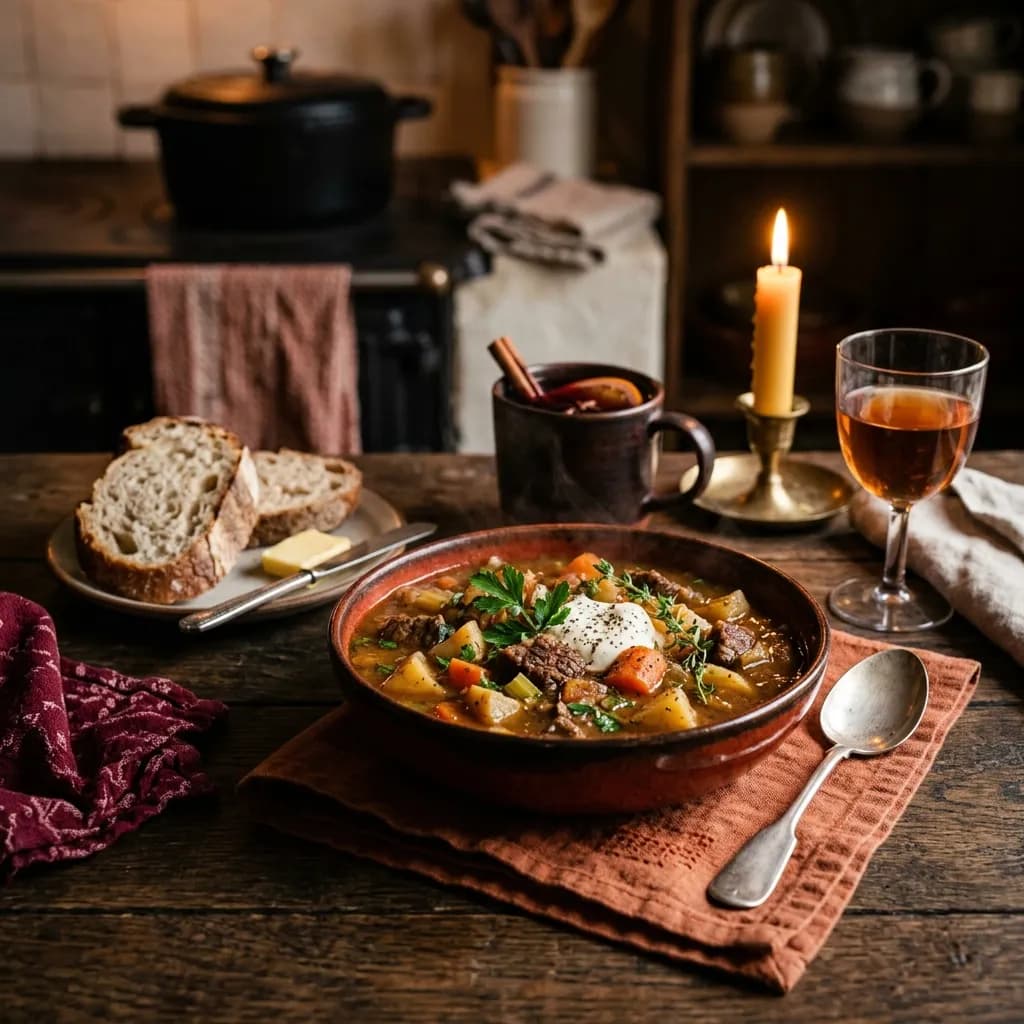
Grilled Sirloin with Roasted Root Vegetables
This healthy Grilled Sirloin with Roasted Root Vegetables recipe is a clean eating meal option rich in nutrients. Optimized for Gluten-Free, Dairy-Free, Muscle Maintenance, non-veg, dinner and created by certified nutritionist Stewart Lucas, it is designed to fit seamlessly into a health-focused lifestyle.
Key Takeaways
- ✓Ready in just 40 mins using straightforward, kitchen-tested technique.
- ✓Delivers 38g of muscle-fueling protein per serving for lasting satiety.
- ✓Portion-balanced at 450 calories per serving with wholesome, unrefined ingredients.
- ✓Masterclass temperature checkpoints ensure maximum tenderness and flavor development.
The Story
This healthy Grilled Sirloin with Roasted Root Vegetables recipe is a clean eating meal option rich in nutrients. Optimized for Gluten-Free, Dairy-Free, Muscle Maintenance, non-veg, dinner and created by certified nutritionist Stewart Lucas, it is designed to fit seamlessly into a health-focused lifestyle.
Grilled Sirloin with Roasted Root Vegetables
Quick Summary
This is my go-to dinner for busy weeknights when I still want to feel nourished and grounded. It balances high-quality protein from the sirloin with the grounding, slow-roasted sweetness of winter root vegetables. It is simple, satisfying, and intentionally designed to fuel your body without heavy processing or hidden additives.
A Hearty, Simple Foundation
There is something inherently calming about the sound of root vegetables hitting a hot sheet pan, followed by the aggressive, beautiful sizzle of a sirloin hitting a cast-iron skillet. We often overcomplicate healthy eating. We look for powders or complicated meal plans when, in reality, the best nutrition comes from the basics: good meat, colorful earth-grown vegetables, and a bit of patience at the stove.
Sirloin is a fantastic, accessible cut of beef. It’s lean enough to keep your caloric intake in check, yet robust enough to provide that deep, iron-rich satisfaction we crave after a long day. When paired with the natural sugars that caramelize in carrots and parsnips during a high-heat roast, you create a natural contrast between the savory char of the beef and the tender, earth-sweet finish of the vegetables.
Ingredients
- 2 top sirloin steaks (6oz each), grass-fed preferred
- 1 lb carrots, peeled and sliced into uniform batons
- 1 lb parsnips, peeled and chopped
- 2 tbsp extra virgin olive oil
- 1 tsp fresh rosemary, finely minced
- 2 cloves garlic, smashed with the side of your knife
- High-quality sea salt
- Freshly cracked black pepper
Step-by-Step Method
1. Prep the Oven: Preheat your oven to 400°F (200°C). Arrange your carrots and parsnips on a heavy-duty baking sheet. Drizzle with the olive oil, sprinkle your rosemary, salt, and pepper, and use your hands to ensure every piece is coated. Roast for 25–30 minutes. You want them to have crispy, browned edges—that is where the flavor lives.
2. Temper the Beef: While the oven works, take your steaks out of the fridge. Letting them come to room temperature is the single most important step for an even sear. If the meat is cold when it hits the pan, the outside burns before the middle reaches your desired temperature.
3. The Sear: Get your skillet or grill pan smoking hot over medium-high heat. Pat the steaks bone-dry. Place them in the pan—you should hear a sharp, loud sizzle. Do not move them for 4-5 minutes. You are looking for a deep, mahogany crust. Flip once and cook for another 3-4 minutes for medium-rare.
4. The Essential Rest: This is where most cooks fail. Transfer the steaks to a cutting board and let them rest for at least 8 minutes. If you slice into them too early, the juices will run out onto the board instead of staying in the meat. Use this time to finish seasoning your vegetables.
Stewart's Culinary Coaching Tips
To get that restaurant-quality crust, never crowd your pan. If the steaks are touching, the moisture released will steam the meat instead of searing it. Also, when roasting your root vegetables, try to cut them into similar sizes. If they are uneven, the smaller pieces turn to mush while the larger ones remain raw. Consistency equals perfection.
Nutritional Science & Benefits
Sirloin: An excellent source of complete protein, which is essential for muscle repair and metabolic health. It is also rich in Vitamin B12 and Zinc, which support energy levels and immune function.
Root Vegetables: Carrots provide beta-carotene for eye health, while parsnips are a fantastic source of prebiotic fiber, supporting a healthy gut microbiome. These complex carbohydrates digest slowly, providing steady energy rather than the spikes and crashes associated with refined grains.
Nutrition Snapshot
| Nutrient | Amount per Serving |
|---|---|
| Calories | 450 kcal |
| Protein | 38g |
| Fat | 18g |
| Carbohydrates | 32g |
Meal Prep & Storage
This dish is incredibly friendly for meal prep. You can roast a large batch of root vegetables on Sunday and keep them in an airtight container for up to 4 days. If you plan on reheating, do so in a toaster oven or a skillet with a tiny splash of olive oil to revive the crispness.
For the steak, I recommend searing it fresh when you are ready to eat. If you must prep it ahead, sear it to medium-rare, let it cool completely, and store it whole in the fridge. Slicing it cold and then reheating it is a surefire way to make the meat tough and dry.
Flavor Variations
The Mediterranean Twist
Toss the vegetables with oregano and lemon zest instead of rosemary, and serve the steak with a dollop of tzatziki.
Low-Carb Alternative
Swap half the parsnips for cubed radishes. When roasted, radishes lose their sharp bite and become remarkably similar to potatoes, but with fewer carbohydrates.
The Herb-Butter Finish
In the final minute of cooking the steak, drop a knob of grass-fed butter into the pan with a sprig of fresh thyme. Baste the steaks with the melting butter for a luxurious, restaurant-quality finish.
Important Prep Note
Avoid using non-stick pans for the searing stage. To get a true sear, you need a heavy-gauge pan—cast iron or stainless steel—that can handle high temperatures. Non-stick coatings often degrade under the high heat required for a proper crust.
Grilled Sirloin with Roasted Root Vegetables
This healthy Grilled Sirloin with Roasted Root Vegetables recipe is a clean eating meal option rich in nutrients. Optimized for Gluten-Free, Dairy-Free, Muscle Maintenance, non-veg, dinner and created by certified nutritionist Stewart Lucas, it is designed to fit seamlessly into a health-focused lifestyle.
Macro Nutrition Profile (Per Serving)
Ingredients
Ingredient Substitutions
| Original Ingredient | Healthy Alternative |
|---|---|
| Animal protein | Firm tofu, tempeh, or organic chickpeas |
| Cooking fat | Extra virgin olive oil or grass-fed butter |
Instructions
1. Prep the Oven: Preheat your oven to 400°F (200°C). Arrange your carrots and parsnips on a heavy-duty baking sheet. Drizzle with the olive oil, sprinkle your rosemary, salt, and pepper, and use your hands to ensure every piece is coated. Roast for 25–30 minutes. You want them to have crispy, browned edges—that is where the flavor lives.
2. Temper the Beef: While the oven works, take your steaks out of the fridge. Letting them come to room temperature is the single most important step for an even sear. If the meat is cold when it hits the pan, the outside burns before the middle reaches your desired temperature.
3. The Sear: Get your skillet or grill pan smoking hot over medium-high heat. Pat the steaks bone-dry. Place them in the pan—you should hear a sharp, loud sizzle. Do not move them for 4-5 minutes. You are looking for a deep, mahogany crust. Flip once and cook for another 3-4 minutes for medium-rare.
4. The Essential Rest: This is where most cooks fail. Transfer the steaks to a cutting board and let them rest for at least 8 minutes. If you slice into them too early, the juices will run out onto the board instead of staying in the meat. Use this time to finish seasoning your vegetables.
Tried this recipe?
Let us know how it turned out! Click a star below to leave a review and rate the recipe.
Storage & Freezing Tips
- Refrigerator: Store leftovers in an airtight container for up to 3-4 days.
- Reheating: Heat in a saucepan or skillet on medium heat until hot throughout.
- Freezing: Freeze portions in airtight containers for up to 2 months. Reheat directly from frozen or after thawing.
Frequently Asked Questions
How do I know when the steak is done without cutting into it?▼
Invest in an instant-read meat thermometer. It is the best tool in my kitchen. Aim for 125°F–130°F for medium-rare. The temperature will climb about 5 degrees while the meat rests. Relying on touch or color is often guesswork; a thermometer removes the stress.
Can I use other vegetables if I don't have parsnips?▼
Absolutely. Sweet potatoes, golden beets, or even rutabaga work beautifully. Keep the cut size consistent, and monitor them around the 25-minute mark. If they start to get dark too quickly, tent the pan loosely with foil.
Is this meal suitable for a dairy-free or gluten-free diet?▼
Yes, this recipe is naturally gluten-free and dairy-free as written. Just ensure your olive oil is pure and that you are not adding any store-bought seasonings that might contain anti-caking agents or hidden gluten fillers.
Tried this recipe?
Tag @stewartlucas on Instagram and hashtag it #nutriguide!
You Might Also Like

Stewart Lucas
Nutritionist & Recipe DeveloperStewart Lucas is a nutritionist and recipe developer representing the NutriGuide team. All recipes, nutritional values, and diet protocols published on this site are designed and audited by certified dietitians and clinical nutrition professionals to guarantee absolute accuracy.
Community Reviews
Please log in to leave a review.