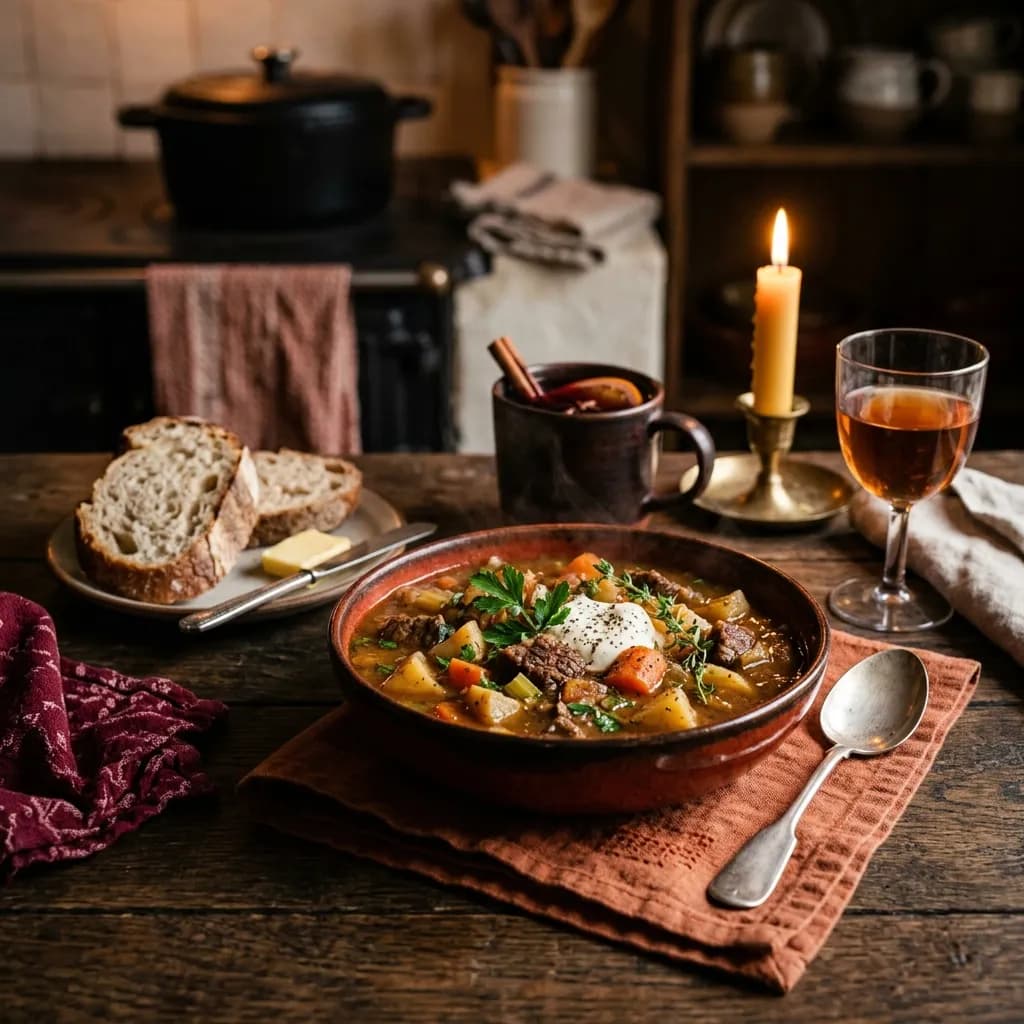
One-Pan Baked Salmon with Asparagus and Fluffy Quinoa
This healthy One-Pan Baked Salmon with Asparagus and Fluffy Quinoa recipe is a clean eating meal option rich in nutrients. Optimized for Salmon, Quinoa, Asparagus, Gluten-Free, Dairy-Free and created by certified nutritionist Stewart Lucas, it is designed to fit seamlessly into a health-focused lifestyle.
Key Takeaways
- ✓Ready in just 15 mins using straightforward, kitchen-tested technique.
- ✓Delivers 38g of muscle-fueling protein per serving for lasting satiety.
- ✓Portion-balanced at 450 calories per serving with wholesome, unrefined ingredients.
- ✓Masterclass temperature checkpoints ensure maximum tenderness and flavor development.
The Story
This healthy One-Pan Baked Salmon with Asparagus and Fluffy Quinoa recipe is a clean eating meal option rich in nutrients. Optimized for Salmon, Quinoa, Asparagus, Gluten-Free, Dairy-Free and created by certified nutritionist Stewart Lucas, it is designed to fit seamlessly into a health-focused lifestyle.
Quick Summary: The Weeknight Essential
This one-pan baked salmon with asparagus and quinoa is more than just a meal; it’s a masterclass in efficiency. By balancing omega-3 fatty acids, high-quality plant protein, and crisp, fibrous greens, this dish provides sustained energy without leaving you feeling sluggish. It’s a clean, vibrant dinner that hits the table in under 40 minutes, perfect for busy evenings when you refuse to compromise on wellness.
A Note From My Kitchen
I remember when I first started learning the rhythm of professional kitchens. Everything was about speed, but never at the expense of flavor. There is something deeply satisfying about a one-pan meal. As the oven heats up, the house begins to fill with that clean, bright aroma of roasting lemon and the earthy, savory scent of garlic-rubbed salmon. It is the kind of cooking that makes you feel taken care of.
Salmon is an incredible ingredient because it is forgiving. When you treat it with respect—giving it high heat and just enough time to firm up without drying out—it rewards you with a buttery, melt-in-your-mouth texture. Pairing it with the snap of fresh asparagus and the light, fluffy texture of quinoa makes for a balanced plate that looks just as good as it tastes. It’s the definition of "nutritious made simple."
Ingredients
- 4 salmon fillets (6oz each), skin-on or off based on your preference
- 1 lb fresh asparagus, woody ends trimmed away
- 1 cup uncooked white or tri-color quinoa
- 2 cups low-sodium vegetable broth (or water)
- 2 tbsp extra virgin olive oil
- 1 large lemon, sliced into thin, translucent rounds
- 2 cloves garlic, freshly minced
- Sea salt and freshly cracked black pepper, to taste
- Optional: A handful of fresh parsley or dill for finishing
The Method
1. Preheat and Prep: Set your oven to 400°F (200°C). While it warms, rinse your quinoa in a fine-mesh sieve under cold running water. This removes the natural saponins, which can sometimes leave a bitter, soapy taste if not washed away.
2. The Quinoa Base: In a small saucepan, bring the vegetable broth to a gentle boil. Add your rinsed quinoa, reduce the heat to low, and cover with a tight-fitting lid. Let it simmer undisturbed for 15 minutes. Once the water is absorbed, take it off the heat and let it steam for another five minutes. Fluff it with a fork; you’re looking for those tiny, delicate rings to emerge.
3. Sheet Pan Assembly: Arrange the salmon fillets and the asparagus on a large rimmed baking sheet. Drizzle everything with olive oil. Rub the minced garlic over the salmon, and sprinkle salt and pepper across the greens. Place the lemon slices directly on top of the fish—as they roast, their juice will infuse the salmon, keeping it moist.
4. The Roast: Slide the pan into the oven for 12–15 minutes. You’ll know the salmon is done when it is opaque and flakes easily at the touch of a fork. The asparagus should have a slight char on the tips but still offer a gentle crunch.
Stewart's Culinary Coaching Tips
If you have an extra two minutes, toast your dry quinoa in the saucepan with a teaspoon of olive oil before adding the broth. You will hear a light, rhythmic popping sound—that’s the nuttiness coming to life. It transforms the grain from a neutral base into a flavorful foundation. Also, don't throw away your lemon ends; squeeze them over the asparagus right before serving for an extra pop of acid that cuts through the richness of the salmon.
Nutritional Science & Benefits
This meal is a powerhouse of micronutrients:
- Salmon: An excellent source of Omega-3 fatty acids (EPA and DHA), which are essential for heart health and reducing inflammation.
- Quinoa: One of the few plant-based sources of a "complete protein," meaning it contains all nine essential amino acids. It’s also rich in magnesium and iron.
- Asparagus: A prebiotic vegetable, which means it helps feed the good bacteria in your gut. It is also packed with Vitamin K, vital for bone health.
Meal Prep & Storage Guide
This dish is fantastic for batch cooking. If you are prepping for the week, cook the quinoa in advance and store it in an airtight container. The salmon and asparagus, however, are best roasted fresh. If you must reheat, do so gently in a toaster oven or a skillet with a splash of water to prevent the fish from drying out. Leftovers will keep in the refrigerator for up to three days, but I recommend enjoying the salmon within 48 hours for the best flavor.
Flavor Variations
Don't be afraid to make this your own. Here are a few ways to switch things up:
The Mediterranean Twist
Toss a few cherry tomatoes and kalamata olives onto the tray with the salmon.
The Low-Carb Swap
Replace the quinoa with a bed of massaged kale or roasted cauliflower florets.
The Vegan Alternative
Swap the salmon for thick slices of firm tofu or tempeh, marinated in ginger and soy sauce.
Spice it Up
Sprinkle a touch of smoked paprika or red pepper flakes over the salmon for a subtle, warming heat.
One-Pan Baked Salmon with Asparagus and Fluffy Quinoa
This healthy One-Pan Baked Salmon with Asparagus and Fluffy Quinoa recipe is a clean eating meal option rich in nutrients. Optimized for Salmon, Quinoa, Asparagus, Gluten-Free, Dairy-Free and created by certified nutritionist Stewart Lucas, it is designed to fit seamlessly into a health-focused lifestyle.
Macro Nutrition Profile (Per Serving)
Ingredients
Ingredient Substitutions
| Original Ingredient | Healthy Alternative |
|---|---|
| Salmon/Cod | Steelhead trout, halibut, or sea bass (baking times may vary) |
| Asparagus/Veg | Zucchini slices, broccoli florets, or green beans (roast at same temperature) |
Instructions
1. Preheat and Prep: Set your oven to 400°F (200°C). While it warms, rinse your quinoa in a fine-mesh sieve under cold running water. This removes the natural saponins, which can sometimes leave a bitter, soapy taste if not washed away.
2. The Quinoa Base: In a small saucepan, bring the vegetable broth to a gentle boil. Add your rinsed quinoa, reduce the heat to low, and cover with a tight-fitting lid. Let it simmer undisturbed for 15 minutes. Once the water is absorbed, take it off the heat and let it steam for another five minutes. Fluff it with a fork; you’re looking for those tiny, delicate rings to emerge.
3. Sheet Pan Assembly: Arrange the salmon fillets and the asparagus on a large rimmed baking sheet. Drizzle everything with olive oil. Rub the minced garlic over the salmon, and sprinkle salt and pepper across the greens. Place the lemon slices directly on top of the fish—as they roast, their juice will infuse the salmon, keeping it moist.
4. The Roast: Slide the pan into the oven for 12–15 minutes. You’ll know the salmon is done when it is opaque and flakes easily at the touch of a fork. The asparagus should have a slight char on the tips but still offer a gentle crunch.
Tried this recipe?
Let us know how it turned out! Click a star below to leave a review and rate the recipe.
Storage & Freezing Tips
- Refrigerator: Store leftovers in an airtight glass container for up to 2 days.
- Reheating: Warm gently in a skillet on medium-low heat with a lid to keep the fish tender. Avoid microwaving to prevent rubbery texture.
- Freezing: We do not recommend freezing cooked fish as it degrades the texture.
Frequently Asked Questions
Can I use frozen salmon for this recipe?▼
Yes, but ensure it is completely thawed in the refrigerator overnight before cooking. If you try to roast frozen salmon, the outside will overcook before the middle is safe to eat.
How do I know when the salmon is perfectly cooked?▼
The internal temperature should reach 145°F. Visually, the salmon should be a light, opaque pink and flake easily when pressed with a fork. Avoid overcooking, as salmon continues to carry-over cook once removed from the oven.
What if my asparagus is thin versus thick?▼
Thin "pencil" asparagus will roast very quickly (around 8–10 minutes). If your stalks are thick, you may want to give them a head start in the oven for 5 minutes before adding the salmon to the pan.
Can I use a different grain besides quinoa?▼
Absolutely. Brown rice, farro, or even millet work beautifully. Just note that the cooking times for those grains vary, so plan your stove-top prep accordingly.
Tried this recipe?
Tag @stewartlucas on Instagram and hashtag it #nutriguide!
You Might Also Like

Stewart Lucas
Nutritionist & Recipe DeveloperStewart Lucas is a nutritionist and recipe developer representing the NutriGuide team. All recipes, nutritional values, and diet protocols published on this site are designed and audited by certified dietitians and clinical nutrition professionals to guarantee absolute accuracy.
Community Reviews
Please log in to leave a review.