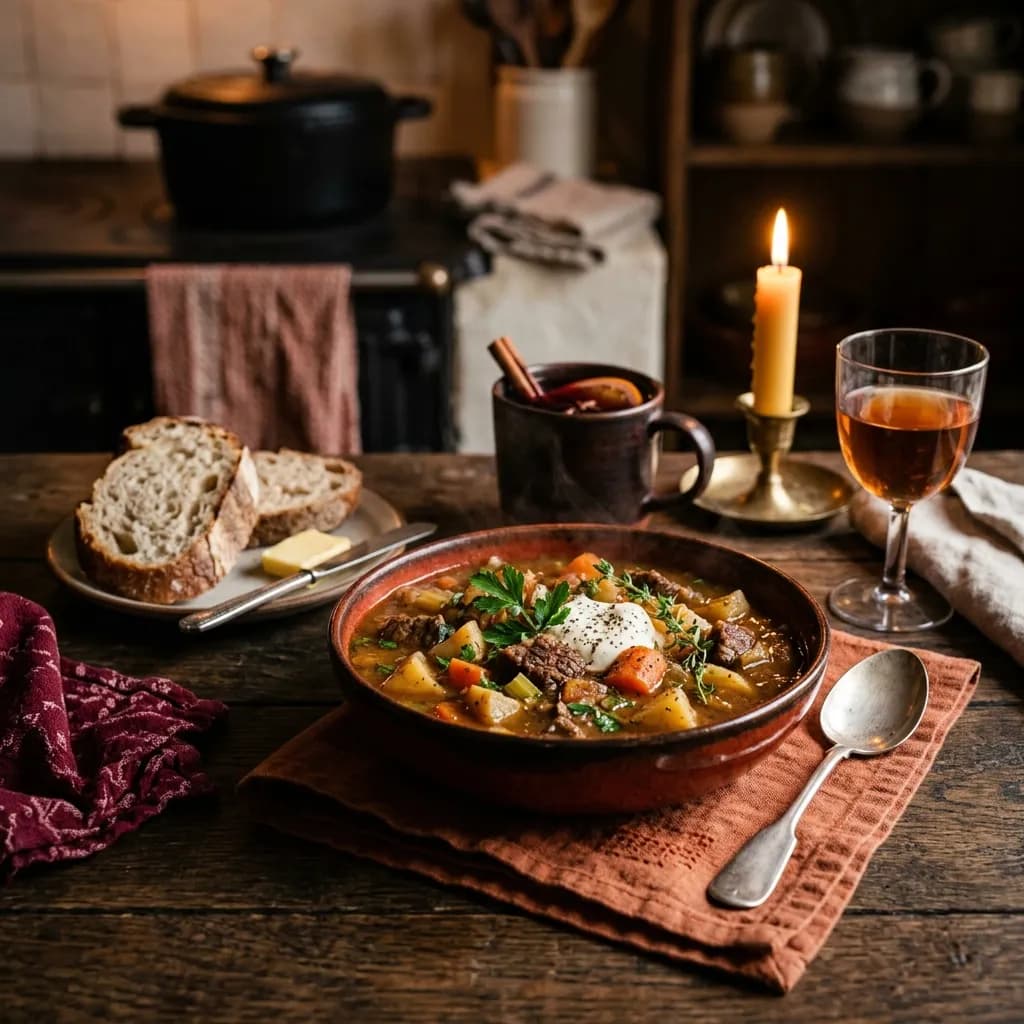
Oven-Roasted Salmon with Lemon-Garlic Asparagus
This healthy Oven-Roasted Salmon with Lemon-Garlic Asparagus recipe is a clean eating meal option rich in nutrients. Optimized for Salmon, Asparagus, Keto, Gluten-Free, Dairy-Free and created by certified nutritionist Stewart Lucas, it is designed to fit seamlessly into a health-focused lifestyle.
Key Takeaways
- ✓Ready in just 15 mins using straightforward, kitchen-tested technique.
- ✓Delivers 42g of muscle-fueling protein per serving for lasting satiety.
- ✓Portion-balanced at 450 calories per serving with wholesome, unrefined ingredients.
- ✓Masterclass temperature checkpoints ensure maximum tenderness and flavor development.
The Story
This healthy Oven-Roasted Salmon with Lemon-Garlic Asparagus recipe is a clean eating meal option rich in nutrients. Optimized for Salmon, Asparagus, Keto, Gluten-Free, Dairy-Free and created by certified nutritionist Stewart Lucas, it is designed to fit seamlessly into a health-focused lifestyle.
Quick Summary
This oven-roasted salmon and asparagus dish is the ultimate weeknight hero. By baking everything on a single sheet pan, you capture the clean, bright flavors of lemon and garlic while letting the salmon fat naturally baste the asparagus. It’s a nutrient-dense, high-protein meal that hits the table in under 30 minutes with minimal cleanup.
A Simple Ritual for Busy Evenings
I often hear from my clients that the hardest part of eating well isn't the will to do it; it’s the exhaustion that hits around 6:00 PM. We’ve all been there—staring into the fridge, wondering if we have the energy to fire up the stove. That is exactly why I rely on this salmon and asparagus combination. It isn't just a recipe; it's a reliable rhythm.
There is something incredibly satisfying about the ritual of this meal. The way the parchment paper crinkles as you line the tray, the bright, citrusy perfume of sliced lemons hitting the heat, and that unmistakable sizzle as the salmon hits the oven. When you roast salmon at a high temperature, you aren't just cooking it; you are transforming it. The edges become slightly firm while the center remains succulent and buttery, absorbing the aromatic oils of the garlic and oregano. It’s a humble dish, but one that respects the quality of the ingredients.
Ingredients You Will Need
For the best results, use wild-caught salmon if your budget allows, and look for asparagus that feels firm, not limp. The freshness of your produce dictates the final texture of the dish.
- 4 Salmon fillets (6 oz each): Aim for equal thickness so they cook evenly.
- 1 lb Fresh asparagus: Trim the woody, white ends—a good rule of thumb is to snap them where they naturally break.
- 2 tbsp Extra virgin olive oil: Use a quality cold-pressed oil for the best flavor.
- 3 Cloves garlic: Freshly minced, please. The pre-minced jarred versions lack that sharp, pungent kick.
- 1 Large lemon: Slice it thin enough so it caramelizes slightly in the heat.
- 1 tsp Sea salt & ½ tsp Cracked black pepper: Adjust to your preference.
- 1 tsp Dried oregano: Adds a woody, earthy note that ties the fish and greens together.
The Preparation Process
- Heat the oven: Get your oven to 400°F (200°C) before you start prepping. A hot oven is the secret to getting that perfect sear on the salmon without overcooking the inside.
- Prepare the tray: Line a large baking sheet with parchment paper. This is non-negotiable for an easy cleanup.
- Season the salmon and greens: Arrange the fillets in the center of the pan. Spread the asparagus around them. Drizzle everything generously with the olive oil. Use your hands to toss the asparagus right on the pan so it gets a nice, glossy coat. Sprinkle the garlic, salt, pepper, and oregano over everything.
- The citrus finish: Place the lemon slices directly on top of the salmon. As the fish roasts, the lemon juices will weep into the fillet, infusing it with brightness.
- Roast: Bake for 12–15 minutes. You are looking for an opaque, flaky texture. If you have a meat thermometer, pull the salmon when it hits 135°F; it will continue to cook slightly once you take it out.
Nutritional Science & Benefits
This meal is a powerhouse of essential nutrients, specifically designed to support heart health and cognitive function:
- Omega-3 Fatty Acids: Salmon is one of the best sources of EPA and DHA, which are crucial for reducing inflammation and supporting brain health.
- High-Quality Protein: The protein in salmon helps with muscle repair and keeps you satiated long after dinner.
- Fiber & Folate: Asparagus is not only a fantastic source of fiber for digestive health but is also rich in folate, a B-vitamin that plays a role in cell division and energy production.
- Antioxidants: The combination of garlic and lemon provides a dose of vitamin C and organosulfur compounds, which support your immune system.
Nutrition Snapshot
| Nutrient | Amount per Serving |
|---|---|
| Calories | 450 kcal |
| Protein | 42g |
| Fat | 28g |
| Carbs | 8g |
Flavor Variations
I encourage you to make this recipe your own. Here are a few ways to switch up the profile:
The Mediterranean Twist
Swap the dried oregano for a tablespoon of fresh chopped dill and add a handful of cherry tomatoes to the pan. They will burst and create a natural sauce.
Spice It Up
Add a pinch of red pepper flakes to the olive oil before drizzling if you enjoy a little heat.
The Citrus Swap
Use lime slices instead of lemon and sprinkle with fresh cilantro after roasting for a Latin-inspired flair.
Vegetarian Swap
If you are serving a group with mixed dietary needs, swap the salmon for thick slices of firm tofu or even portobello mushroom caps.
Meal Prep & Storage
This dish is fantastic for meal prep. If you want to get ahead, you can trim the asparagus and portion out your seasonings into a small jar the night before. Once cooked, store leftovers in an airtight glass container in the refrigerator for up to 2 days.
To reheat without turning the salmon into rubber, place the fillets in a cold skillet with a splash of water, cover with a lid, and warm over low heat for 3–4 minutes. The steam will keep the fish moist while gently bringing it back to temperature.
Oven-Roasted Salmon with Lemon-Garlic Asparagus
This healthy Oven-Roasted Salmon with Lemon-Garlic Asparagus recipe is a clean eating meal option rich in nutrients. Optimized for Salmon, Asparagus, Keto, Gluten-Free, Dairy-Free and created by certified nutritionist Stewart Lucas, it is designed to fit seamlessly into a health-focused lifestyle.
Macro Nutrition Profile (Per Serving)
Ingredients
Ingredient Substitutions
| Original Ingredient | Healthy Alternative |
|---|---|
| Salmon/Cod | Steelhead trout, halibut, or sea bass (baking times may vary) |
| Asparagus/Veg | Zucchini slices, broccoli florets, or green beans (roast at same temperature) |
Instructions
Heat the oven: Get your oven to 400°F (200°C) before you start prepping. A hot oven is the secret to getting that perfect sear on the salmon without overcooking the inside.
Prepare the tray: Line a large baking sheet with parchment paper. This is non-negotiable for an easy cleanup.
Season the salmon and greens: Arrange the fillets in the center of the pan. Spread the asparagus around them. Drizzle everything generously with the olive oil. Use your hands to toss the asparagus right on the pan so it gets a nice, glossy coat. Sprinkle the garlic, salt, pepper, and oregano over everything.
The citrus finish: Place the lemon slices directly on top of the salmon. As the fish roasts, the lemon juices will weep into the fillet, infusing it with brightness.
Roast: Bake for 12–15 minutes. You are looking for an opaque, flaky texture. If you have a meat thermometer, pull the salmon when it hits 135°F; it will continue to cook slightly once you take it out.
Tried this recipe?
Let us know how it turned out! Click a star below to leave a review and rate the recipe.
Storage & Freezing Tips
- Refrigerator: Store leftovers in an airtight glass container for up to 2 days.
- Reheating: Warm gently in a skillet on medium-low heat with a lid to keep the fish tender. Avoid microwaving to prevent rubbery texture.
- Freezing: We do not recommend freezing cooked fish as it degrades the texture.
Frequently Asked Questions
How do I know when the salmon is fully cooked?▼
Look for the fish to turn opaque. Use a fork to gently press into the thickest part of the fillet; if it flakes easily, it’s done. If you prefer precision, an internal temperature of 135°F is perfect.
Can I use frozen salmon for this recipe?▼
Absolutely. However, you must ensure the salmon is completely thawed in the refrigerator overnight. Before you season it, pat it very dry with paper towels. Excess moisture will cause the fish to steam rather than roast, preventing that nice texture.
What can I serve with this if I need more carbohydrates?▼
While the meal is satisfying on its own, it pairs beautifully with a side of steamed quinoa, brown rice, or a slice of toasted sourdough rubbed with a little garlic. These options add extra fiber and energy for more active days.
Tried this recipe?
Tag @stewartlucas on Instagram and hashtag it #nutriguide!
You Might Also Like

Stewart Lucas
Nutritionist & Recipe DeveloperStewart Lucas is a nutritionist and recipe developer representing the NutriGuide team. All recipes, nutritional values, and diet protocols published on this site are designed and audited by certified dietitians and clinical nutrition professionals to guarantee absolute accuracy.
Community Reviews
Please log in to leave a review.