Pan-Seared Beef Tenderloin with Steamed Kale
This healthy Pan-Seared Beef Tenderloin with Steamed Kale recipe is a clean eating meal option rich in nutrients. Optimized for Low-Carb, Keto, Muscle Maintenance, non-veg, dinner and created by certified nutritionist Stewart Lucas, it is designed to fit seamlessly into a health-focused lifestyle.
Key Takeaways
- ✓Ready in just 15 mins using straightforward, kitchen-tested technique.
- ✓Delivers 48g of muscle-fueling protein per serving for lasting satiety.
- ✓Portion-balanced at 450 calories per serving with wholesome, unrefined ingredients.
- ✓Masterclass temperature checkpoints ensure maximum tenderness and flavor development.
The Story
This healthy Pan-Seared Beef Tenderloin with Steamed Kale recipe is a clean eating meal option rich in nutrients. Optimized for Low-Carb, Keto, Muscle Maintenance, non-veg, dinner and created by certified nutritionist Stewart Lucas, it is designed to fit seamlessly into a health-focused lifestyle.
Pan-Seared Beef Tenderloin with Steamed Kale
There is something inherently grounding about a perfectly seared piece of beef. It’s not just about the protein; it’s about that specific, intoxicating aroma that fills the kitchen when garlic hits foaming butter in a cast-iron skillet. As a nutritionist, I often hear people worry that eating well means sacrificing the indulgence of a high-end restaurant meal. I’m here to tell you that’s simply not true.
This Pan-Seared Beef Tenderloin is a staple in my rotation because it respects the integrity of the ingredients. We aren’t masking the flavor of the meat with heavy sauces or breading. Instead, we are using high-heat searing to create a deep, caramelized crust, followed by a gentle butter-garlic baste that infuses every fiber of the fillet. Pairing this with steamed kale—brightened up by a squeeze of fresh lemon—provides a balance of acidity and texture that resets the palate after every bite of rich beef.
The Ingredients
- 4 (6oz) beef tenderloin fillets
- 1 tbsp avocado oil (for a high smoke point)
- 2 tbsp unsalted grass-fed butter
- 3 cloves garlic, smashed with the side of a knife
- 1 large bunch organic curly kale, thick stems removed
- 1 tbsp extra virgin olive oil
- Flaky sea salt and freshly cracked black pepper
- 1 organic lemon, halved
The Method
Cooking steak is an exercise in patience and intuition. Start by taking your fillets out of the refrigerator about 30 minutes before you plan to cook. Cold meat hitting a hot pan leads to uneven cooking; bringing it to room temperature is the first step toward a perfect medium-rare.
- Seasoning: Pat the fillets dry with a paper towel. Moisture is the enemy of a good crust. Season generously with salt and pepper on all sides just before they touch the pan.
- The Sear: Heat your cast-iron skillet over medium-high heat until it is nearly smoking. Add the avocado oil. Gently place the steaks in the pan and step back—listen for that aggressive, rhythmic sizzle. Let them develop a deep, mahogany-brown crust for about 3–4 minutes per side without touching them.
- The Baste: Reduce the heat to medium. Toss in your butter and smashed garlic. Once the butter begins to foam and turn slightly nutty, tilt the pan slightly and spoon that fragrant, golden butter over the steaks repeatedly. This is how you achieve professional-level flavor.
- The Steam: While the steaks rest, throw your kale into a shallow pan with two tablespoons of water. Cover tightly for 3 minutes. When the kale is tender and vivid green, drain any excess liquid, toss with olive oil, and finish with a squeeze of fresh lemon juice.
Stewart's Culinary Coaching Tips
If you aren't sure if your pan is hot enough, do the "water droplet test." Sprinkle a tiny drop of water into the skillet; if it dances and evaporates instantly, you are ready to sear. Also, never skip the resting phase. If you cut into the meat too soon, those precious juices will flood the cutting board instead of staying inside the steak where they belong.
Nutritional Science & Benefits
- Grass-Fed Beef: An excellent source of Conjugated Linoleic Acid (CLA) and Omega-3 fatty acids, which support heart health and inflammation reduction.
- Kale: One of the most nutrient-dense foods on the planet. It’s loaded with Vitamin K, Vitamin C, and powerful antioxidants like quercetin.
- Garlic: Contains allicin, a compound that helps support the immune system and has been shown to assist in blood pressure management.
Meal Prep & Storage Guide
This dish is surprisingly versatile for meal planning. If you are cooking ahead, I recommend searing the steaks to a "rare" stage, allowing them to cool completely, and storing them in an airtight container. When you're ready to eat, slice the beef and lightly warm it in a skillet over low heat—do not overcook it. The kale, however, is best prepared fresh. If you must prep it, keep the leaves washed and destemmed in a sealed bag with a paper towel; it will stay crisp for days until you're ready to steam it in under five minutes.
Flavor Variations
The Herb Crust
Add a tablespoon of finely minced fresh rosemary or thyme to the butter during the basting phase for an earthy, aromatic finish.
The Asian Influence
Instead of olive oil and lemon on the kale, use a dash of toasted sesame oil and a sprinkle of coconut aminos for a savory, umami-rich twist.
The Vegetarian Swap
If you're hosting, portobello mushroom caps can be seared in the exact same butter-garlic method as the tenderloin, providing a meaty, satisfying texture for non-meat eaters.
Nutrition Snapshot
| Nutrient | Amount per serving |
|---|---|
| Calories | 450 kcal |
| Protein | 48g |
| Fat | 26g |
| Carbohydrates | 6g |
Pan-Seared Beef Tenderloin with Steamed Kale
This healthy Pan-Seared Beef Tenderloin with Steamed Kale recipe is a clean eating meal option rich in nutrients. Optimized for Low-Carb, Keto, Muscle Maintenance, non-veg, dinner and created by certified nutritionist Stewart Lucas, it is designed to fit seamlessly into a health-focused lifestyle.
Macro Nutrition Profile (Per Serving)
Ingredients
Ingredient Substitutions
| Original Ingredient | Healthy Alternative |
|---|---|
| Animal protein | Firm tofu, tempeh, or organic chickpeas |
| Cooking fat | Extra virgin olive oil or grass-fed butter |
Instructions
Seasoning: Pat the fillets dry with a paper towel. Moisture is the enemy of a good crust. Season generously with salt and pepper on all sides just before they touch the pan.
The Sear: Heat your cast-iron skillet over medium-high heat until it is nearly smoking. Add the avocado oil. Gently place the steaks in the pan and step back—listen for that aggressive, rhythmic sizzle. Let them develop a deep, mahogany-brown crust for about 3–4 minutes per side without touching them.
The Baste: Reduce the heat to medium. Toss in your butter and smashed garlic. Once the butter begins to foam and turn slightly nutty, tilt the pan slightly and spoon that fragrant, golden butter over the steaks repeatedly. This is how you achieve professional-level flavor.
The Steam: While the steaks rest, throw your kale into a shallow pan with two tablespoons of water. Cover tightly for 3 minutes. When the kale is tender and vivid green, drain any excess liquid, toss with olive oil, and finish with a squeeze of fresh lemon juice.
Tried this recipe?
Let us know how it turned out! Click a star below to leave a review and rate the recipe.
Storage & Freezing Tips
- Refrigerator: Store in an airtight container for up to 3 days. Keep the components separate if possible to preserve texture.
- Reheating: Reheat gently in a skillet on medium-low heat with a splash of olive oil or butter.
- Freezing: Freezing is not recommended for this dish because ingredients like kale become soggy, rubbery, or mushy when defrosted.
Frequently Asked Questions
How do I know when the steak is perfectly done?▼
For a perfect medium-rare, use an instant-read meat thermometer to aim for an internal temperature of 130°F (54°C). Remember that the temperature will rise about 5 degrees while the meat rests.
Can I use a non-stick pan instead of cast iron?▼
You can, but you won't achieve the same depth of crust. Cast iron retains heat significantly better, which is vital for the searing process. If you use non-stick, just ensure your pan is well-preheated.
Is kale the only green I can use?▼
Not at all! Swiss chard, collard greens, or even baby spinach work well. Just adjust your steaming time—spinach will only need about 60 seconds, whereas collard greens may need an extra minute or two.
Why grass-fed butter?▼
Grass-fed butter typically has a higher concentration of fat-soluble vitamins (like K2) and a healthier ratio of Omega-3 to Omega-6 fatty acids compared to conventional butter. Plus, the flavor is noticeably richer and creamier.
Tried this recipe?
Tag @stewartlucas on Instagram and hashtag it #nutriguide!
You Might Also Like
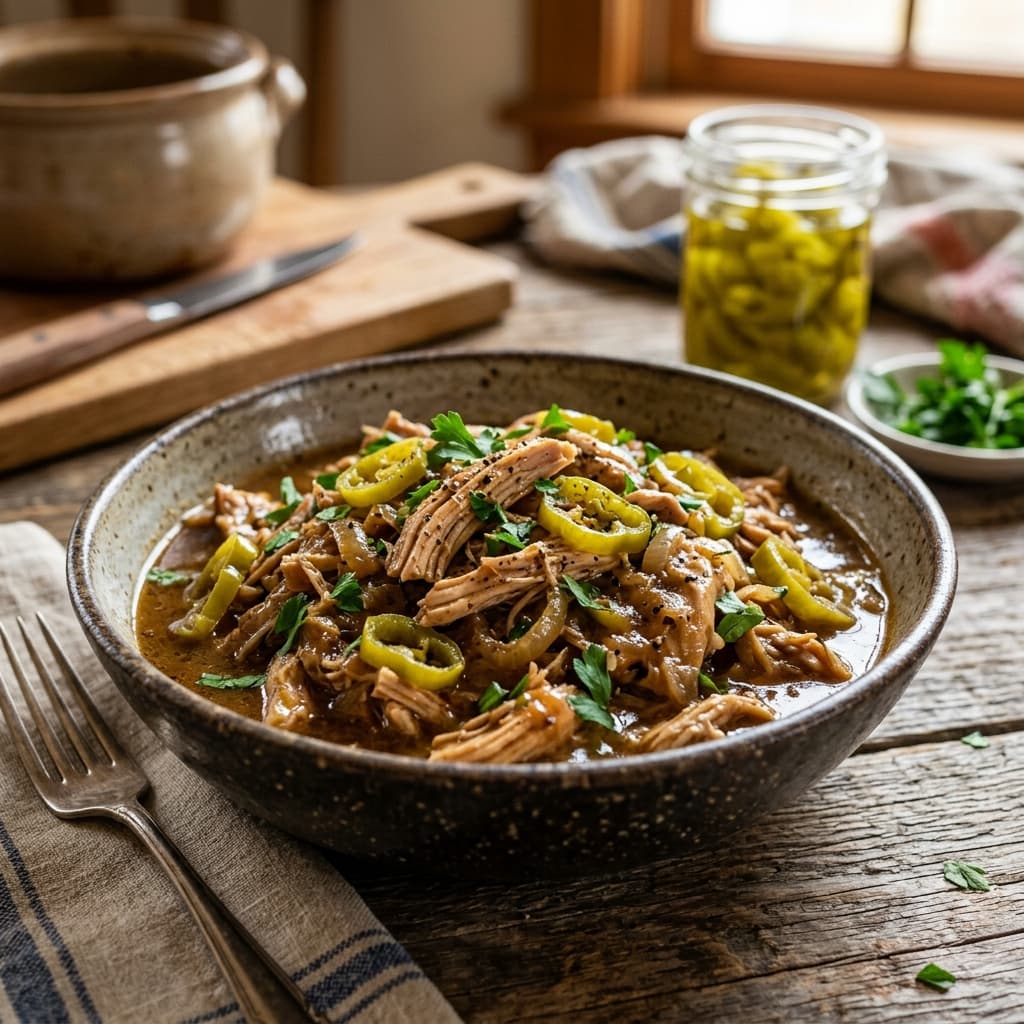
Slow Cooker Mississippi Chicken (Zesty Pepperoncini & Butter Braise Masterclass)

Stewart Lucas
Nutritionist & Recipe DeveloperStewart Lucas is a nutritionist and recipe developer representing the NutriGuide team. All recipes, nutritional values, and diet protocols published on this site are designed and audited by certified dietitians and clinical nutrition professionals to guarantee absolute accuracy.
Community Reviews
Please log in to leave a review.