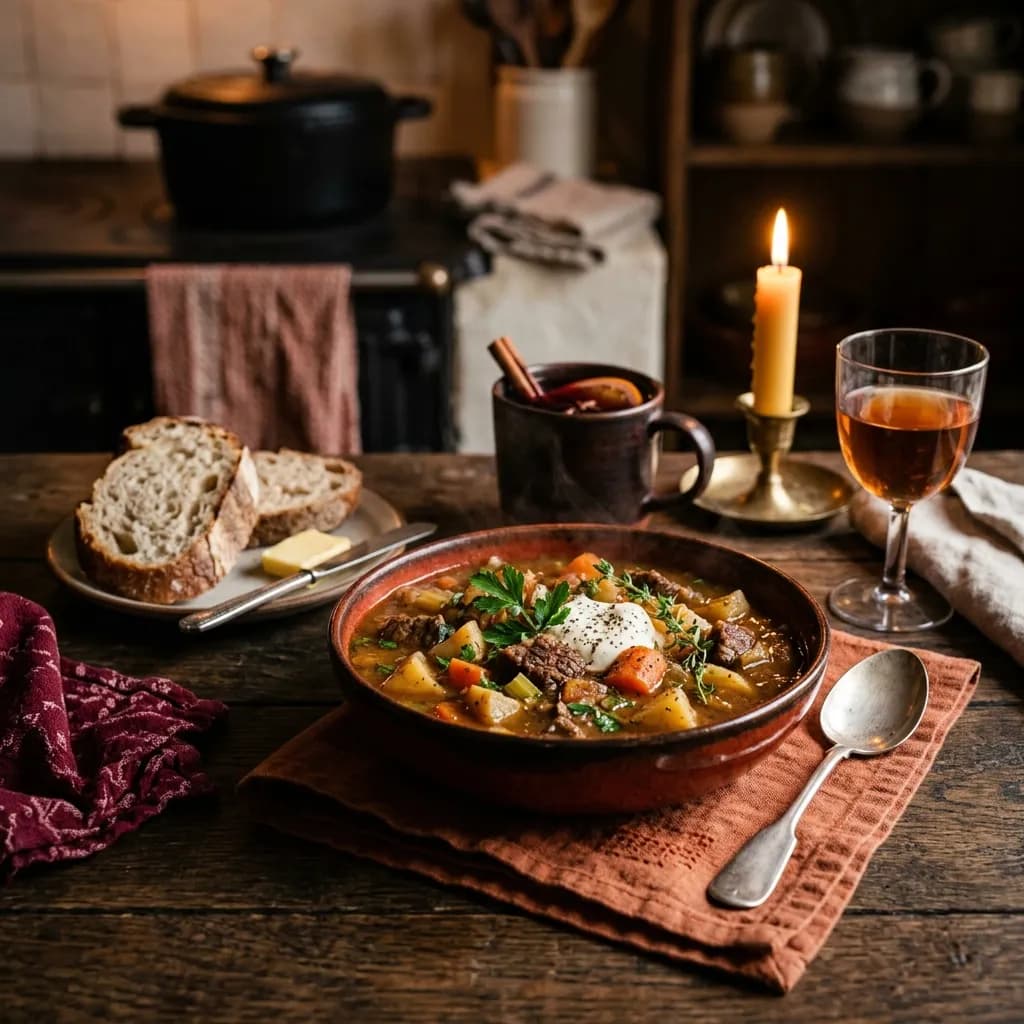
Pan-Seared Wild Salmon with Garlic Sautéed Kale
This healthy Pan-Seared Wild Salmon with Garlic Sautéed Kale recipe is a clean eating meal option rich in nutrients. Optimized for Salmon, Kale, Keto, Gluten-Free, Dairy-Free and created by certified nutritionist Stewart Lucas, it is designed to fit seamlessly into a health-focused lifestyle.
Key Takeaways
- ✓Ready in just 10 mins using straightforward, kitchen-tested technique.
- ✓Delivers 38g of muscle-fueling protein per serving for lasting satiety.
- ✓Portion-balanced at 450 calories per serving with wholesome, unrefined ingredients.
- ✓Masterclass temperature checkpoints ensure maximum tenderness and flavor development.
The Story
This healthy Pan-Seared Wild Salmon with Garlic Sautéed Kale recipe is a clean eating meal option rich in nutrients. Optimized for Salmon, Kale, Keto, Gluten-Free, Dairy-Free and created by certified nutritionist Stewart Lucas, it is designed to fit seamlessly into a health-focused lifestyle.
Pan-Seared Wild Salmon with Garlic Sautéed Kale
This dish is the gold standard for a weeknight dinner that feels sophisticated yet effortless. You are looking at a masterclass in texture: crispy, golden-brown salmon skin contrasting with the tender, mineral-rich bite of garlicky lacinato kale. It is protein-packed, heart-healthy, and comes together in less than 20 minutes.
The Harmony of Simple Ingredients
I have always believed that the best meals aren't the ones with the longest ingredient lists. They are the ones where you treat a few high-quality components with respect. Wild-caught salmon is a marvel of nature. When you sear it correctly, the skin turns into a salty, delicate wafer, while the flesh remains moist and buttery. Pairing it with kale—specifically the lacinato or "dino" variety—adds a earthy, slightly sweet backbone to the meal that cleanses the palate after the richness of the fish.
When you stand at the stove, listening to that initial, aggressive sizzle as the salmon hits the oil, you know you are on the right track. That sound is the promise of a perfect crust. It is a sensory experience that defines why we cook at home rather than reaching for a takeout menu.
Ingredients
For the best results, visit your local fishmonger or choose the best-looking fillets in the market. Quality matters here because the preparation is so transparent.
- 4 wild salmon fillets (6oz each), skin-on
- 2 large bunches lacinato kale, stemmed and roughly chopped
- 3 tbsp extra virgin olive oil
- 1 large lemon, sliced into wedges for serving
- 3 cloves garlic, thinly sliced (don't mince; we want the toasted flavor of slices)
- 1/2 tsp red pepper flakes (adjust to your heat preference)
- Sea salt and freshly cracked black pepper
The Cooking Process
- Prep the fish: Pat the salmon skin completely dry with a paper towel. This is the single most important step for a crisp crust. Moisture is the enemy of a good sear. Season both sides liberally with salt and pepper.
- The initial sear: Heat the olive oil in a heavy-bottomed skillet over medium-high heat. Once the oil shimmers—not smokes—carefully place the fillets in, skin-side down. Press them gently with a spatula to ensure full contact.
- Patience is key: Do not touch them for 4 to 5 minutes. You are waiting for the skin to release naturally from the pan. If you try to flip too early, it will stick. Trust the process.
- The finish: Once the skin is deep golden brown, flip the fish. Cook for another 2 to 3 minutes depending on thickness. Remove the fillets to a warm plate.
- The greens: In the same skillet, drop in your garlic and red pepper flakes. Watch the garlic turn a pale gold; it should smell incredible. Add the kale and a splash of water, tossing until it is wilted but still vibrant. Finish with a squeeze of fresh lemon.
If you are worried about the skin sticking, check your heat. If the pan isn't hot enough, the fish proteins bond with the metal instead of searing. Once the skin is crispy, it literally detaches from the surface. If you find the fish isn't releasing, just wait another minute. Also, leave the kale slightly al dente; a bit of bite provides a better texture than overcooked, mushy greens.
Nutritional Science & Benefits
This meal is a nutritional powerhouse designed to fuel your body without weighing you down:
- Omega-3 Fatty Acids: Wild salmon is rich in EPA and DHA, essential fats that support heart health and cognitive function.
- Vitamin K & C: Lacinato kale provides a significant boost of these vitamins, which are vital for bone health and immune function.
- High Bioavailable Protein: The amino acid profile of wild salmon is excellent for muscle repair and metabolic health.
- Allicin: By using fresh garlic, you unlock compounds that support vascular health and provide natural anti-inflammatory benefits.
| Nutrient | Amount per Serving |
|---|---|
| Calories | 450 kcal |
| Protein | 38g |
| Total Fat | 28g |
| Net Carbs | 8g |
Meal Prep & Storage Guide
This dish is fantastic for meal planning, but keep the components separate if possible. The kale keeps well in the fridge for up to three days. To reheat, I suggest a quick steam in the microwave or a fast sauté in a hot pan. The salmon is best eaten fresh, but if you have leftovers, flake the cold fish over a salad or mix it into a grain bowl the next day. Avoid microwaving the salmon on high; it will dry out instantly. If you must reheat it, use a low oven (275°F) with a splash of water in the dish to maintain moisture.
Flavor Variations
Cooking is about expression, so feel free to adapt this base:
The Mediterranean Twist
Swap the red pepper flakes for capers and a few halved kalamata olives when you toss the kale.
Asian-Inspired
Use a dash of toasted sesame oil for the kale, and garnish the fish with fresh ginger and scallions.
Vegetarian Swap
Replace the salmon with thick-cut king oyster mushroom 'steaks' or firm tofu slabs. The sear works remarkably well with these plant-based alternatives.
Pan-Seared Wild Salmon with Garlic Sautéed Kale
This healthy Pan-Seared Wild Salmon with Garlic Sautéed Kale recipe is a clean eating meal option rich in nutrients. Optimized for Salmon, Kale, Keto, Gluten-Free, Dairy-Free and created by certified nutritionist Stewart Lucas, it is designed to fit seamlessly into a health-focused lifestyle.
Macro Nutrition Profile (Per Serving)
Ingredients
Ingredient Substitutions
| Original Ingredient | Healthy Alternative |
|---|---|
| Salmon/Cod | Steelhead trout, halibut, or sea bass (baking times may vary) |
| Asparagus/Veg | Zucchini slices, broccoli florets, or green beans (roast at same temperature) |
Instructions
Prep the fish: Pat the salmon skin completely dry with a paper towel. This is the single most important step for a crisp crust. Moisture is the enemy of a good sear. Season both sides liberally with salt and pepper.
The initial sear: Heat the olive oil in a heavy-bottomed skillet over medium-high heat. Once the oil shimmers—not smokes—carefully place the fillets in, skin-side down. Press them gently with a spatula to ensure full contact.
Patience is key: Do not touch them for 4 to 5 minutes. You are waiting for the skin to release naturally from the pan. If you try to flip too early, it will stick. Trust the process.
The finish: Once the skin is deep golden brown, flip the fish. Cook for another 2 to 3 minutes depending on thickness. Remove the fillets to a warm plate.
The greens: In the same skillet, drop in your garlic and red pepper flakes. Watch the garlic turn a pale gold; it should smell incredible. Add the kale and a splash of water, tossing until it is wilted but still vibrant. Finish with a squeeze of fresh lemon.
Tried this recipe?
Let us know how it turned out! Click a star below to leave a review and rate the recipe.
Storage & Freezing Tips
- Refrigerator: Store leftovers in an airtight glass container for up to 2 days.
- Reheating: Warm gently in a skillet on medium-low heat with a lid to keep the fish tender. Avoid microwaving to prevent rubbery texture.
- Freezing: We do not recommend freezing cooked fish as it degrades the texture.
Frequently Asked Questions
Can I use farm-raised salmon?▼
You certainly can. While wild-caught is usually leaner and deeper in color, farm-raised is often milder and more accessible. Just ensure you are buying from a reputable source that follows sustainable practices.
How do I know when the salmon is finished?▼
The best test is the 'flake' test. Use a fork to gently nudge the center of the fillet. If the layers flake apart easily and the color is consistently opaque throughout, it is ready. If it resists, give it another 60 seconds.
What can I swap for kale?▼
Swiss chard or collard greens are excellent alternatives. If you prefer something softer, baby spinach works well, though you should add it at the very last second, as it wilts much faster than kale.
Is it okay to remove the skin?▼
While the skin contains healthy fats and gets wonderfully crispy, it is purely a preference. If you prefer to remove it, do so after cooking, but keep in mind that the skin acts as a protective barrier that keeps the fish moist while it's in the pan.
Tried this recipe?
Tag @stewartlucas on Instagram and hashtag it #nutriguide!
You Might Also Like

Stewart Lucas
Nutritionist & Recipe DeveloperStewart Lucas is a nutritionist and recipe developer representing the NutriGuide team. All recipes, nutritional values, and diet protocols published on this site are designed and audited by certified dietitians and clinical nutrition professionals to guarantee absolute accuracy.
Community Reviews
Please log in to leave a review.