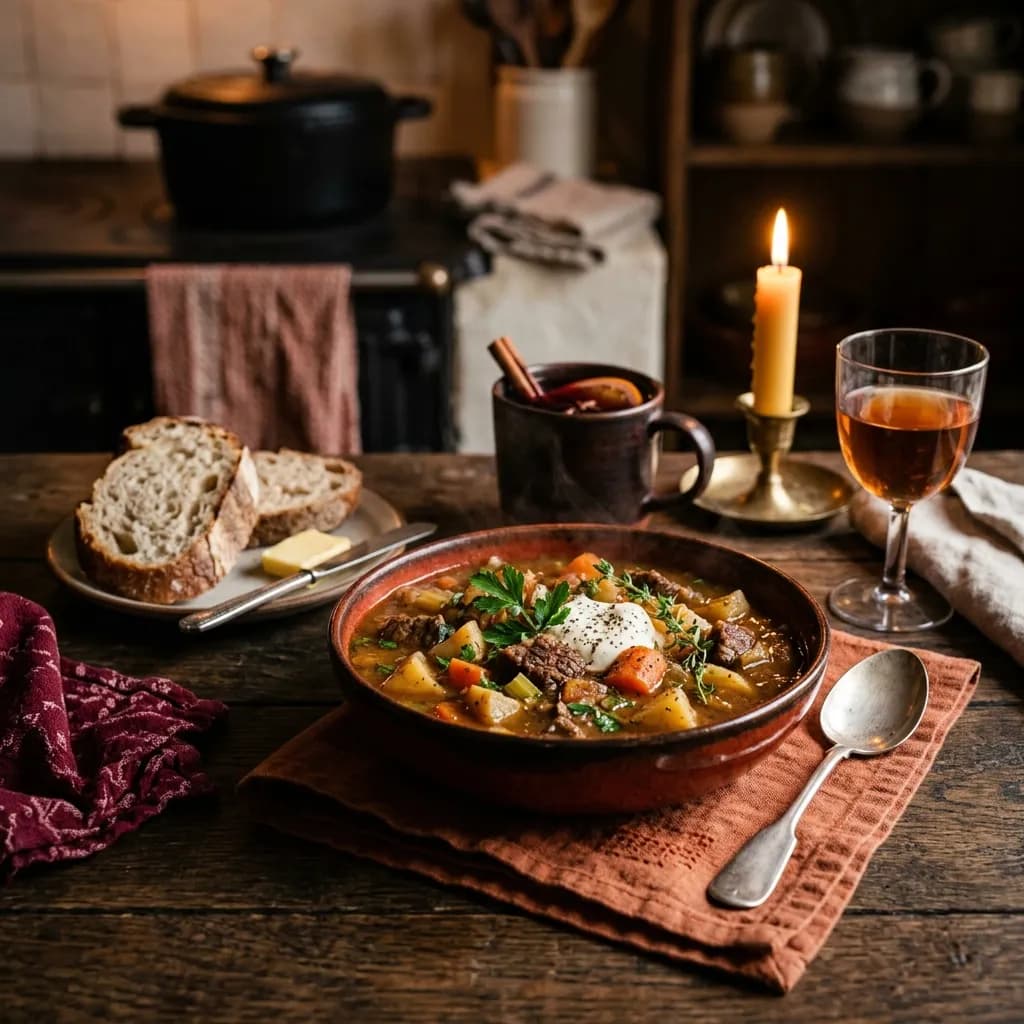
Pan-Seared Wild Salmon with Garlic Wilted Kale
This healthy Pan-Seared Wild Salmon with Garlic Wilted Kale recipe is a clean eating meal option rich in nutrients. Optimized for Salmon, Kale, Keto, Gluten-Free, Dairy-Free and created by certified nutritionist Stewart Lucas, it is designed to fit seamlessly into a health-focused lifestyle.
Key Takeaways
- ✓Vetted recipe compliant with a balanced salmon dietary lifestyle.
- ✓Vetted recipe compliant with a balanced kale dietary lifestyle.
- ✓Vetted recipe compliant with a balanced keto dietary lifestyle.
- ✓100% gluten-free ingredients suitable for celiac or gluten-sensitive diets.
The Story
This healthy Pan-Seared Wild Salmon with Garlic Wilted Kale recipe is a clean eating meal option rich in nutrients. Optimized for Salmon, Kale, Keto, Gluten-Free, Dairy-Free and created by certified nutritionist Stewart Lucas, it is designed to fit seamlessly into a health-focused lifestyle.
Quick Summary
This pan-seared wild salmon with garlicky kale is my go-to "reset" meal. It delivers high-quality protein and essential Omega-3s in under 20 minutes. With a perfectly crisp, golden-brown skin and tender, vibrant greens, it’s a masterclass in simple, soulful cooking that respects the ingredients.
The Art of the Perfect Sear
There is something inherently restorative about cooking a piece of wild salmon. It’s a clean, honest protein that responds beautifully to heat. When you drop a properly seasoned fillet into a preheated pan, the sound is unmistakable—a sharp, assertive sizzle that tells you the Maillard reaction is underway. That transformation, from raw, translucent flesh to a rich, opaque coral hue, is one of the most satisfying sights in the kitchen.
I often tell my clients that healthy eating shouldn't feel like a chore. It should feel like a ritual. Pairing the fatty, buttery richness of the salmon with the earthy, slight bitterness of sautéed kale creates a perfect nutritional balance. The garlic provides that deep, aromatic punch, while the final squeeze of lemon cuts through the richness, brightening every single bite.
Nutritional Science & Benefits
Wild-caught salmon is a powerhouse of nutrition, primarily because of its high concentration of EPA and DHA—the long-chain Omega-3 fatty acids that support heart health and cognitive function. Unlike farmed alternatives, wild salmon is often lower in overall saturated fat and inflammatory precursors.
- Wild Salmon: Provides high-quality complete protein and essential fatty acids for joint and brain health.
- Curly Kale: A nutrient-dense cruciferous vegetable packed with Vitamin K, Vitamin C, and antioxidants like quercetin.
- Garlic: Contains allicin, a compound with potent biological activity that supports immune function.
- Lemon Juice: The citric acid aids in iron absorption from the kale, making this a smart pairing for energy levels.
Ingredients
- 4 wild salmon fillets (about 6oz each), skin-on
- 1 tbsp high-quality olive oil or avocado oil
- 1 tsp sea salt (adjust to taste)
- 1/2 tsp freshly cracked black pepper
- 2 large bunches curly kale, stems stripped and leaves roughly chopped
- 3 cloves garlic, thinly sliced
- 1 tbsp fresh lemon juice
- 1/4 tsp red pepper flakes (for a gentle heat)
Preparation Method
- Prep the fish: Take the salmon out of the fridge 10 minutes before cooking. Use a paper towel to pat the skin extremely dry. Moisture is the enemy of crispiness; if the skin is wet, it will steam rather than sear. Season both sides generously.
- The Sear: Place a heavy-bottomed stainless steel or cast-iron skillet over medium-high heat. Add the oil and wait until it shimmers. Lay the salmon in the pan, skin-side down. Press down gently with a spatula for 10 seconds to ensure even contact.
- The Wait: Resist the urge to move the fish. Let it cook for 4–5 minutes undisturbed. You’ll see the edges begin to turn opaque. Once the skin is deep golden and releases easily from the pan, flip the fillets.
- Finish: Cook for another 2–3 minutes on the flesh side. The center should be tender and just barely opaque. Transfer the salmon to a warm plate.
- Wilt the Greens: Lower the heat to medium. Toss the sliced garlic and red pepper flakes into the residual oil. Sauté for 30 seconds until the aroma fills your kitchen. Add the kale and a splash of water (about 2 tablespoons) to create a bit of steam. Toss frequently for 3 minutes until tender but still vibrant green. Finish with the lemon juice.
Stewart's Culinary Coaching Tips
The "Release" Rule: When searing salmon, the fish will naturally "let go" of the pan once the skin is properly crisped. If you feel resistance when you try to lift it with your spatula, stop. Give it another 30 seconds. Forcing the flip is the most common reason the skin stays stuck to the skillet.
Meal Prep & Storage
This dish is incredibly friendly for your weekly rotation. If you’re prepping in advance, keep the salmon and the kale in separate airtight glass containers. The salmon will stay fresh for up to two days in the refrigerator. When reheating, I recommend a gentle approach: use a toaster oven or a warm pan with a teaspoon of water to keep the fish from drying out. Avoid the microwave if possible, as it tends to compromise the delicate texture of the protein.
Flavor Variations & Swaps
- For a Low-Carb Crunch: Toss a handful of toasted pine nuts or sliced almonds into the kale during the final minute of cooking.
- Protein Swap: If you're fresh out of salmon, this method works beautifully with arctic char or even firm tofu steaks.
- The Aromatics: Swap the red pepper flakes for thinly sliced ginger to give this a more East Asian-inspired profile.
Pan-Seared Wild Salmon with Garlic Wilted Kale
This healthy Pan-Seared Wild Salmon with Garlic Wilted Kale recipe is a clean eating meal option rich in nutrients. Optimized for Salmon, Kale, Keto, Gluten-Free, Dairy-Free and created by certified nutritionist Stewart Lucas, it is designed to fit seamlessly into a health-focused lifestyle.
Macro Nutrition Profile (Per Serving)
Ingredients
Ingredient Substitutions
| Original Ingredient | Healthy Alternative |
|---|---|
| Salmon/Cod | Steelhead trout, halibut, or sea bass (baking times may vary) |
| Asparagus/Veg | Zucchini slices, broccoli florets, or green beans (roast at same temperature) |
Instructions
Prep the fish: Take the salmon out of the fridge 10 minutes before cooking. Use a paper towel to pat the skin extremely dry. Moisture is the enemy of crispiness; if the skin is wet, it will steam rather than sear. Season both sides generously.
The Sear: Place a heavy-bottomed stainless steel or cast-iron skillet over medium-high heat. Add the oil and wait until it shimmers. Lay the salmon in the pan, skin-side down. Press down gently with a spatula for 10 seconds to ensure even contact.
The Wait: Resist the urge to move the fish. Let it cook for 4–5 minutes undisturbed. You’ll see the edges begin to turn opaque. Once the skin is deep golden and releases easily from the pan, flip the fillets.
Finish: Cook for another 2–3 minutes on the flesh side. The center should be tender and just barely opaque. Transfer the salmon to a warm plate.
Wilt the Greens: Lower the heat to medium. Toss the sliced garlic and red pepper flakes into the residual oil. Sauté for 30 seconds until the aroma fills your kitchen. Add the kale and a splash of water (about 2 tablespoons) to create a bit of steam. Toss frequently for 3 minutes until tender but still vibrant green. Finish with the lemon juice.
Tried this recipe?
Let us know how it turned out! Click a star below to leave a review and rate the recipe.
Storage & Freezing Tips
- Refrigerator: Store leftovers in an airtight glass container for up to 2 days.
- Reheating: Warm gently in a skillet on medium-low heat with a lid to keep the fish tender. Avoid microwaving to prevent rubbery texture.
- Freezing: We do not recommend freezing cooked fish as it degrades the texture.
Frequently Asked Questions
Can I use frozen salmon for this recipe?▼
Absolutely, just make sure it is completely thawed. Place it in the refrigerator overnight. Most importantly, pat it dry thoroughly with paper towels before seasoning. Excess water prevents the skin from crisping, which is the highlight of this dish.
Why does the kale taste bitter sometimes?▼
Kale has a natural bitterness that is often exacerbated by overcooking. By sautéing it quickly over medium-high heat with garlic and finishing it with lemon, you balance that bitterness with acid and fat. If you still find it too strong, you can massage the kale with a little olive oil before cooking.
What is the best way to tell if the salmon is cooked through?▼
The best indicator is the flake test. Use a fork to gently press on the thickest part of the fillet; if it separates easily along the natural lines of the muscle, it is ready. It should look moist and tender, not dry or chalky.
Can I use a non-stick pan?▼
You certainly can, though a stainless steel or cast-iron skillet will yield a much better crust on the salmon skin. If you use non-stick, just be mindful that you won't get quite the same level of browning.
Tried this recipe?
Tag @stewartlucas on Instagram and hashtag it #nutriguide!
You Might Also Like

Stewart Lucas
Nutritionist & Recipe DeveloperStewart Lucas is a nutritionist and recipe developer representing the NutriGuide team. All recipes, nutritional values, and diet protocols published on this site are designed and audited by certified dietitians and clinical nutrition professionals to guarantee absolute accuracy.
Community Reviews
Please log in to leave a review.