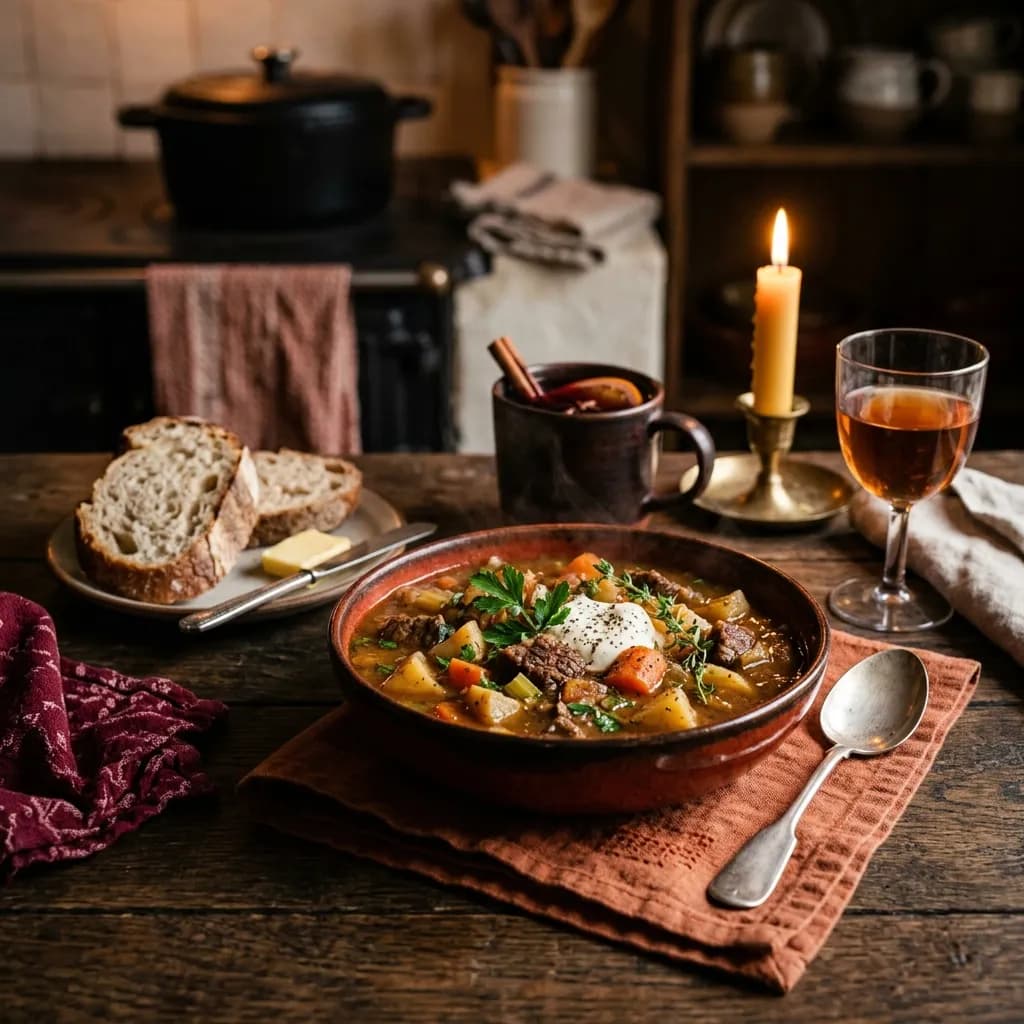
Pan-Seared Wild Salmon with Nutty Brown Rice
This healthy Pan-Seared Wild Salmon with Nutty Brown Rice recipe is a clean eating meal option rich in nutrients. Optimized for Salmon, Brown Rice, Gluten-Free, Dairy-Free, Heart Healthy and created by certified nutritionist Stewart Lucas, it is designed to fit seamlessly into a health-focused lifestyle.
Key Takeaways
- ✓Ready in just 40 mins using straightforward, kitchen-tested technique.
- ✓Delivers 38g of muscle-fueling protein per serving for lasting satiety.
- ✓Portion-balanced at 450 calories per serving with wholesome, unrefined ingredients.
- ✓Masterclass temperature checkpoints ensure maximum tenderness and flavor development.
The Story
This healthy Pan-Seared Wild Salmon with Nutty Brown Rice recipe is a clean eating meal option rich in nutrients. Optimized for Salmon, Brown Rice, Gluten-Free, Dairy-Free, Heart Healthy and created by certified nutritionist Stewart Lucas, it is designed to fit seamlessly into a health-focused lifestyle.
Pan-Seared Wild Salmon with Nutty Brown Rice
A Simple, Soul-Satisfying Dinner
There is something grounding about the sound of a hot pan hitting the stove. When you lay a fresh fillet of wild-caught salmon into a skillet, that immediate, aggressive sizzle is the first sign of a meal done right. I’ve spent years refining my weeknight routine, and I always come back to this pairing: wild salmon and brown rice. It’s not just about hitting your macros; it’s about the textures—the crisp, golden-brown skin of the fish contrasting with the chewiness of nutty, earth-toned grains.
Salmon is perhaps the most reliable protein in my kitchen. It’s forgiving, fast, and packed with the kind of healthy fats that make you feel genuinely nourished. When you pair it with brown rice, you aren't just eating dinner; you’re fueling your body with sustained energy. This dish is my go-to for those evenings when I want something that feels elegant but doesn't require a sink full of dishes or an hour of hovering over the stove.
Ingredients
- 4 wild-caught salmon fillets (6oz each)
- 1 tbsp extra virgin olive oil
- 1 tsp sea salt (coarse grain works best)
- 1/2 tsp freshly cracked black pepper
- 1.5 cups long-grain brown rice, uncooked
- 3 cups low-sodium vegetable broth
- 1 organic lemon, thinly sliced
- 2 tbsp fresh flat-leaf parsley, finely chopped
The Method: Step-by-Step
1. Prepare the Rice Base: Rinse your brown rice under cold, running water until the water runs clear. In a medium pot, toast the grains over medium heat until fragrant. Pour in the vegetable broth—the steam will billow up instantly—and bring to a gentle boil. Cover tightly, reduce to a low simmer, and let it cook for 40 minutes. Patience is key; don't peek.
2. Prep the Salmon: While the rice simmers, take your salmon fillets out of the fridge. Pat them very dry with a paper towel. This is non-negotiable! If the surface is damp, the fish will steam rather than sear, and we want that beautiful, crispy exterior. Season both sides generously with your sea salt and cracked pepper.
3. The Perfect Sear: Heat your olive oil in a heavy-bottomed skillet over medium-high heat. When the oil begins to shimmer, place the salmon in the pan, skin-side down. Press down gently with a spatula for a few seconds to ensure even contact. Let it cook undisturbed for 4 minutes. You’re looking for a deep, golden-brown color on the skin.
4. Finish and Rest: Carefully flip the fillets. They should release easily from the pan. Cook for another 3 to 4 minutes, depending on the thickness. The center should be tender and opaque. Remove from the pan and let them rest on a plate for two minutes—this allows the juices to redistribute.
5. Assemble: Fluff the rice with a fork, spoon it into bowls, and top with the salmon. Garnish with a squeeze of fresh lemon and a generous dusting of chopped parsley.
Meal Prep & Storage Guide
This dish is incredibly friendly for those who like to prep ahead. If you’re cooking for the week, keep the rice and salmon in separate airtight containers. The rice will stay fresh in the refrigerator for up to four days. To reheat, add a tiny splash of water to the rice container and microwave on low power, or steam it gently on the stove. For the salmon, avoid the microwave; a quick flash in a warm oven or a cold salad topper is the best way to maintain that beautiful texture.
Flavor Variations
The Mediterranean Twist
Swap the vegetable broth for a mixture of water and a splash of dry white wine. Finish the rice with toasted pine nuts and kalamata olives.
Low-Carb Swap
If you're looking to reduce your carbohydrate intake, replace the brown rice with cauliflower rice. Sauté the cauliflower in the same pan after the salmon is finished to pick up those delicious browned bits.
The Zesty Herb Blend
Add a tablespoon of fresh dill and minced garlic to the pan during the last minute of searing the salmon for an aromatic punch.
Pan-Seared Wild Salmon with Nutty Brown Rice
This healthy Pan-Seared Wild Salmon with Nutty Brown Rice recipe is a clean eating meal option rich in nutrients. Optimized for Salmon, Brown Rice, Gluten-Free, Dairy-Free, Heart Healthy and created by certified nutritionist Stewart Lucas, it is designed to fit seamlessly into a health-focused lifestyle.
Macro Nutrition Profile (Per Serving)
Ingredients
Ingredient Substitutions
| Original Ingredient | Healthy Alternative |
|---|---|
| Salmon/Cod | Steelhead trout, halibut, or sea bass (baking times may vary) |
| Asparagus/Veg | Zucchini slices, broccoli florets, or green beans (roast at same temperature) |
Instructions
1. Prepare the Rice Base: Rinse your brown rice under cold, running water until the water runs clear. In a medium pot, toast the grains over medium heat until fragrant. Pour in the vegetable broth—the steam will billow up instantly—and bring to a gentle boil. Cover tightly, reduce to a low simmer, and let it cook for 40 minutes. Patience is key; don't peek.
2. Prep the Salmon: While the rice simmers, take your salmon fillets out of the fridge. Pat them very dry with a paper towel. This is non-negotiable! If the surface is damp, the fish will steam rather than sear, and we want that beautiful, crispy exterior. Season both sides generously with your sea salt and cracked pepper.
3. The Perfect Sear: Heat your olive oil in a heavy-bottomed skillet over medium-high heat. When the oil begins to shimmer, place the salmon in the pan, skin-side down. Press down gently with a spatula for a few seconds to ensure even contact. Let it cook undisturbed for 4 minutes. You’re looking for a deep, golden-brown color on the skin.
4. Finish and Rest: Carefully flip the fillets. They should release easily from the pan. Cook for another 3 to 4 minutes, depending on the thickness. The center should be tender and opaque. Remove from the pan and let them rest on a plate for two minutes—this allows the juices to redistribute.
5. Assemble: Fluff the rice with a fork, spoon it into bowls, and top with the salmon. Garnish with a squeeze of fresh lemon and a generous dusting of chopped parsley.
Tried this recipe?
Let us know how it turned out! Click a star below to leave a review and rate the recipe.
Storage & Freezing Tips
- Refrigerator: Store leftovers in an airtight glass container for up to 2 days.
- Reheating: Warm gently in a skillet on medium-low heat with a lid to keep the fish tender. Avoid microwaving to prevent rubbery texture.
- Freezing: We do not recommend freezing cooked fish as it degrades the texture.
Frequently Asked Questions
Can I substitute white rice for brown rice?▼
Absolutely. If you use white rice, remember that the cooking time will drop to about 18–20 minutes and you’ll need slightly less liquid. However, you will lose the fiber content and the nutty, complex flavor that brown rice provides.
How do I know exactly when the salmon is done?▼
The best test is the "flake" test. Press the thickest part of the fillet gently with a fork. If the fish flakes easily along the natural white lines (the segments), it’s perfectly cooked. If it resists, give it one more minute.
Is this recipe gluten-free?▼
Yes, as long as your vegetable broth is confirmed to be gluten-free. Always check the ingredient labels on store-bought broths, as some brands use wheat-based thickeners or yeast extracts that contain gluten.
Why does my salmon stick to the pan?▼
Sticking usually happens for two reasons: the pan wasn't hot enough, or you tried to flip it too soon. Let the salmon develop its crust; the protein will naturally release from the pan once the searing process is complete.
Tried this recipe?
Tag @stewartlucas on Instagram and hashtag it #nutriguide!
You Might Also Like

Stewart Lucas
Nutritionist & Recipe DeveloperStewart Lucas is a nutritionist and recipe developer representing the NutriGuide team. All recipes, nutritional values, and diet protocols published on this site are designed and audited by certified dietitians and clinical nutrition professionals to guarantee absolute accuracy.
Community Reviews
Please log in to leave a review.