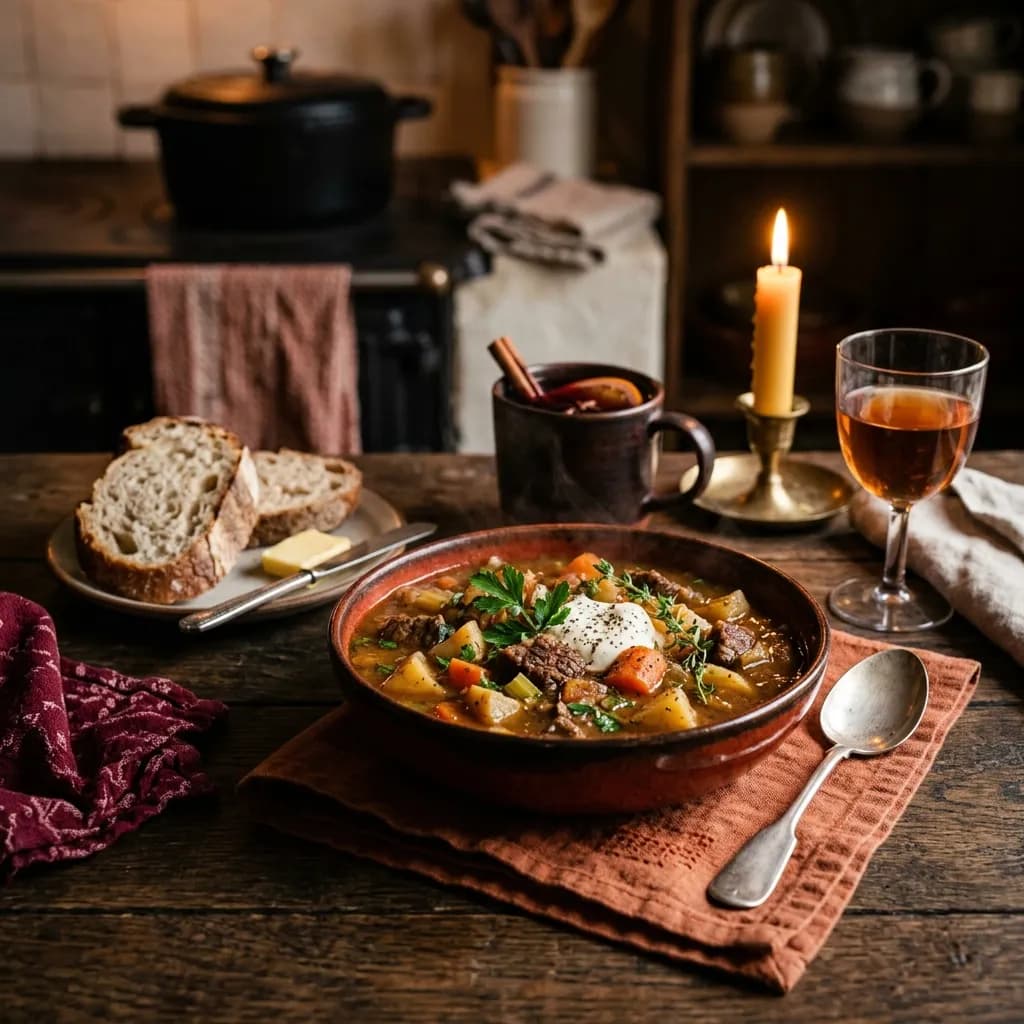
Perfectly Baked Wild Salmon
This healthy Perfectly Baked Wild Salmon recipe is a clean eating meal option rich in nutrients. Optimized for Salmon, Keto, Low-Carb, Gluten-Free, Dairy-Free and created by certified nutritionist Stewart Lucas, it is designed to fit seamlessly into a health-focused lifestyle.
Key Takeaways
- ✓Ready in just 15 mins using straightforward, kitchen-tested technique.
- ✓Delivers 34g of muscle-fueling protein per serving for lasting satiety.
- ✓Portion-balanced at 310 calories per serving with wholesome, unrefined ingredients.
- ✓Masterclass temperature checkpoints ensure maximum tenderness and flavor development.
The Story
This healthy Perfectly Baked Wild Salmon recipe is a clean eating meal option rich in nutrients. Optimized for Salmon, Keto, Low-Carb, Gluten-Free, Dairy-Free and created by certified nutritionist Stewart Lucas, it is designed to fit seamlessly into a health-focused lifestyle.
Perfectly Baked Wild Salmon
Why Wild Salmon Belongs in Your Weekly Rotation
I often tell my clients that if they only pick one fish to master, make it salmon. There is something profoundly satisfying about pulling a tray of wild-caught salmon out of the oven. The moment you open the oven door, you are greeted by that unmistakable aroma—bright, clean, and ocean-fresh, mingling with the sharp, savory scent of toasted garlic and warm dill.
As a nutritionist, I love salmon for its dense nutritional profile, but as a cook, I love it for its forgiveness. When sourced correctly, wild salmon has a firmer, leaner texture than its farmed counterparts. It holds up beautifully to heat, developing a lovely, buttery flake that feels luxurious even on a busy Tuesday night. This preparation is intentionally simple. We aren't burying the fish under heavy sauces; we are simply elevating its natural, rich character with lemon, aromatics, and just enough moisture to keep it succulent.
The Essential Ingredients
- 4 (6oz) wild-caught salmon fillets, skin-on preferred
- 2 tablespoons extra-virgin olive oil (the good stuff matters here!)
- 1 large lemon, sliced into thin, translucent rounds
- 3 cloves garlic, finely minced or pressed
- 1 teaspoon sea salt (flaky salt is great if you have it)
- 1/2 teaspoon freshly cracked black pepper
- 1 tablespoon fresh dill, chopped
- 1/4 cup dry white wine (like Sauvignon Blanc) or a high-quality vegetable broth
The Step-by-Step Method
- Prep the Oven: Preheat your oven to 375°F (190°C). Lining your baking sheet with unbleached parchment paper makes cleanup a breeze and prevents the delicate skin from sticking.
- Dry the Fillets: This is the most important step for texture. Pat the salmon dry with a paper towel. Removing surface moisture allows the olive oil to adhere properly and ensures the fish roasts rather than steams in its own juices initially.
- The Aromatics: In a small ramekin, whisk together the olive oil, minced garlic, salt, and pepper. Use a brush or your fingers to coat the top of each fillet evenly.
- Assemble: Place the fillets on the parchment-lined tray, skin-side down. Arrange the lemon slices directly on top of the fish. These will infuse the meat with a gentle citrus perfume as they warm.
- The Liquid Base: Carefully pour the white wine or broth into the base of the pan. This liquid provides a gentle, steam-infused environment that keeps the fish from drying out in the dry heat of the oven.
- Roast: Slide the tray into the oven. Bake for 12 to 15 minutes. You are looking for the fish to turn from a deep translucent coral to a consistent, opaque pink. When you nudge it with a fork, it should separate into clean, moist flakes.
Flavor Variations and Creative Swaps
Once you’ve mastered this base recipe, it becomes a template for your own pantry. Here are a few ways to mix it up:
Mediterranean Style
Swap the dill for a tablespoon of chopped fresh oregano and tuck a few pitted Kalamata olives and cherry tomatoes into the pan liquid.
The Asian Influence
Replace the lemon and dill with a teaspoon of grated fresh ginger, a drizzle of toasted sesame oil, and a splash of tamari instead of the wine.
Herb-Crusted
Create a paste using the garlic, olive oil, and a mix of fresh parsley and chives. Spread this over the top of the fillets for a more vibrant, herbaceous crust.
Meal Prep and Storage
Salmon is surprisingly resilient when stored correctly. If you have leftovers, place them in an airtight glass container in the refrigerator. They will stay fresh for up to two days.
To Reheat: Avoid the microwave if possible, as it can cause the fish to become rubbery and give off a "fishy" odor. Instead, place the fillets in a small oven-safe dish with a tiny splash of water or broth, cover tightly with foil, and warm at 300°F (150°C) for about 8–10 minutes. This method uses low, moist heat to bring the fish back to a succulent temperature without overcooking the delicate proteins.
Perfectly Baked Wild Salmon
This healthy Perfectly Baked Wild Salmon recipe is a clean eating meal option rich in nutrients. Optimized for Salmon, Keto, Low-Carb, Gluten-Free, Dairy-Free and created by certified nutritionist Stewart Lucas, it is designed to fit seamlessly into a health-focused lifestyle.
Macro Nutrition Profile (Per Serving)
Ingredients
Ingredient Substitutions
| Original Ingredient | Healthy Alternative |
|---|---|
| Salmon/Cod | Steelhead trout, halibut, or sea bass (baking times may vary) |
| Asparagus/Veg | Zucchini slices, broccoli florets, or green beans (roast at same temperature) |
Instructions
Prep the Oven: Preheat your oven to 375°F (190°C). Lining your baking sheet with unbleached parchment paper makes cleanup a breeze and prevents the delicate skin from sticking.
Dry the Fillets: This is the most important step for texture. Pat the salmon dry with a paper towel. Removing surface moisture allows the olive oil to adhere properly and ensures the fish roasts rather than steams in its own juices initially.
The Aromatics: In a small ramekin, whisk together the olive oil, minced garlic, salt, and pepper. Use a brush or your fingers to coat the top of each fillet evenly.
Assemble: Place the fillets on the parchment-lined tray, skin-side down. Arrange the lemon slices directly on top of the fish. These will infuse the meat with a gentle citrus perfume as they warm.
The Liquid Base: Carefully pour the white wine or broth into the base of the pan. This liquid provides a gentle, steam-infused environment that keeps the fish from drying out in the dry heat of the oven.
Roast: Slide the tray into the oven. Bake for 12 to 15 minutes. You are looking for the fish to turn from a deep translucent coral to a consistent, opaque pink. When you nudge it with a fork, it should separate into clean, moist flakes.
Tried this recipe?
Let us know how it turned out! Click a star below to leave a review and rate the recipe.
Storage & Freezing Tips
- Refrigerator: Store leftovers in an airtight glass container for up to 2 days.
- Reheating: Warm gently in a skillet on medium-low heat with a lid to keep the fish tender. Avoid microwaving to prevent rubbery texture.
- Freezing: We do not recommend freezing cooked fish as it degrades the texture.
Frequently Asked Questions
How can I tell if my salmon is wild-caught versus farmed?▼
Wild-caught salmon is typically leaner, meaning it has less visible white fat marbling throughout the flesh. Its color is usually a deeper, more consistent red-orange compared to the paler, striped appearance of farmed fish.
My salmon skin stuck to the pan, what happened?▼
If you didn't use parchment paper, the skin will almost certainly adhere to a standard metal tray. Using parchment is your best insurance policy. Also, ensure the tray has reached room temperature before you start—placing cold fish on a hot tray can sometimes cause the skin to fuse instantly.
Can I prepare this in an air fryer?▼
You certainly can! Follow the same seasoning instructions, but shorten the cooking time significantly. Usually, 7–9 minutes at 360°F is sufficient for a 6oz fillet. Keep in mind that you won't be able to use the wine/broth method in the air fryer basket.
What is the best way to serve this for a balanced meal?▼
I recommend pairing this with a complex carbohydrate like quinoa or roasted sweet potatoes, and a heavy portion of leafy greens or charred cruciferous vegetables like broccoli or Brussels sprouts. The combination of protein, fiber, and healthy fats keeps your blood sugar stable and your energy levels consistent throughout the afternoon.
Tried this recipe?
Tag @stewartlucas on Instagram and hashtag it #nutriguide!
You Might Also Like

Stewart Lucas
Nutritionist & Recipe DeveloperStewart Lucas is a nutritionist and recipe developer representing the NutriGuide team. All recipes, nutritional values, and diet protocols published on this site are designed and audited by certified dietitians and clinical nutrition professionals to guarantee absolute accuracy.
Community Reviews
Please log in to leave a review.