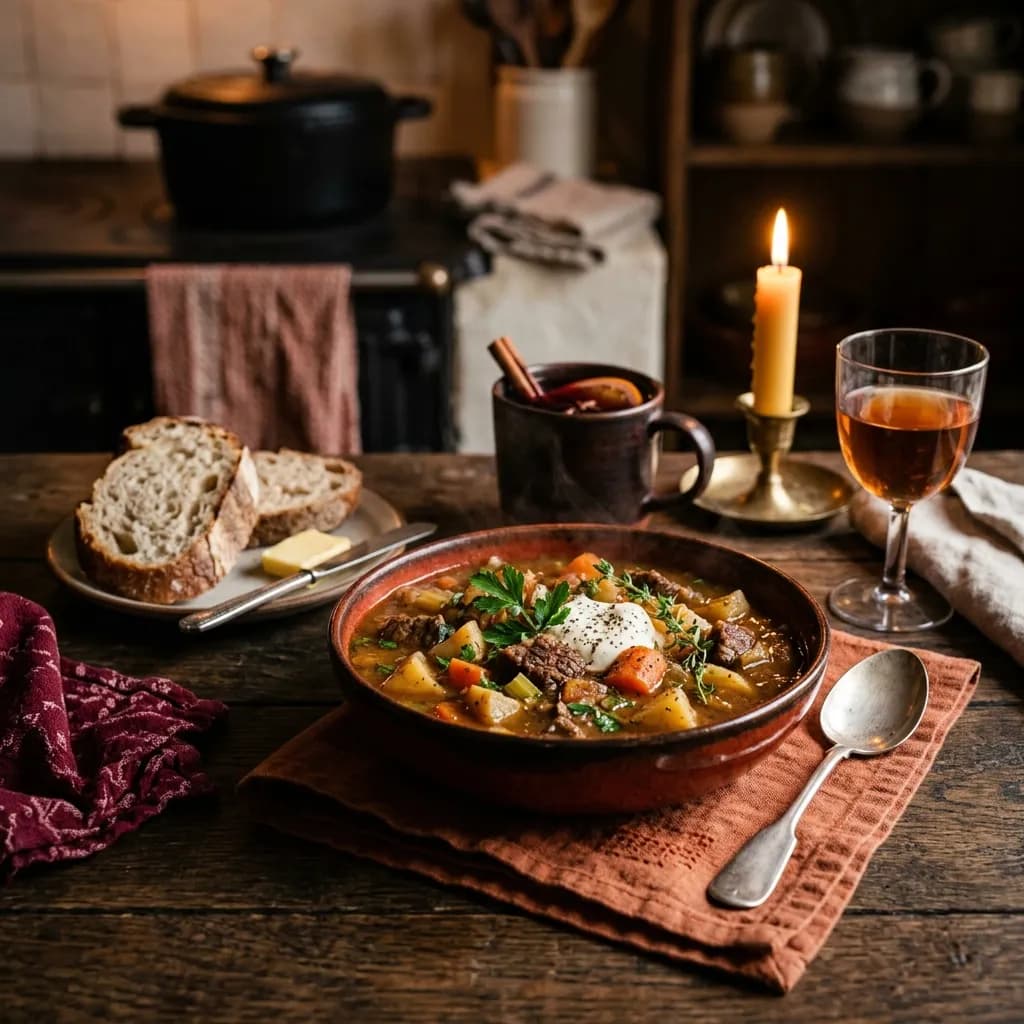
Roasted Vegetable and Chickpea Curry
This healthy Roasted Vegetable and Chickpea Curry recipe is a clean eating meal option rich in nutrients. Optimized for Vegan, Vegetarian, Gluten-Free, Dairy-Free, Anti-Inflammatory and created by certified nutritionist Stewart Lucas, it is designed to fit seamlessly into a health-focused lifestyle.
Key Takeaways
- ✓Ready in just 45 mins using straightforward, kitchen-tested technique.
- ✓Delivers 12g of muscle-fueling protein per serving for lasting satiety.
- ✓Portion-balanced at 450 calories per serving with wholesome, unrefined ingredients.
- ✓Masterclass temperature checkpoints ensure maximum tenderness and flavor development.
The Story
This healthy Roasted Vegetable and Chickpea Curry recipe is a clean eating meal option rich in nutrients. Optimized for Vegan, Vegetarian, Gluten-Free, Dairy-Free, Anti-Inflammatory and created by certified nutritionist Stewart Lucas, it is designed to fit seamlessly into a health-focused lifestyle.
Roasted Vegetable and Chickpea Curry
Quick Summary
This roasted vegetable and chickpea curry is a celebration of texture and warmth. By roasting the vegetables first, we caramelize their natural sugars, creating a deep, complex foundation that pairs perfectly with a creamy, spice-forward coconut sauce. It is a plant-forward, protein-rich meal designed to satisfy the soul and nourish the body.
There is a specific kind of magic that happens when you slide a tray of cauliflower and sweet potatoes into a hot oven. The kitchen begins to transform, filled with the nutty, sweet aroma of roasting edges. As a nutritionist, I’m often asked how to make healthy eating feel less like a chore and more like a culinary reward. My answer is almost always the same: rely on the oven to do the heavy lifting.
This curry isn't just a "healthy meal"—it is a sensory experience. You have the soft, melt-in-your-mouth sweetness of the potatoes, the earthy bite of the cauliflower, and the structural protein of chickpeas, all swimming in a vibrant, golden turmeric-infused broth. It’s the type of dish that tastes better the next day, once the spices have had time to truly introduce themselves to the coconut milk.
Ingredients
To get the best results, look for produce that feels heavy for its size. Freshness matters here.
- 2 cups cauliflower, cut into bite-sized florets
- 1 large sweet potato, peeled and cut into 1-inch cubes
- 1 red bell pepper, deseeded and chopped into chunks
- 1 can (15oz) chickpeas, rinsed and patted dry
- 1 yellow onion, finely diced
- 3 cloves garlic, minced or smashed
- 1 tbsp fresh ginger, finely grated
- 1 tbsp yellow curry powder (or a mild Madras blend)
- 1 can (14oz) full-fat coconut milk
- 1/2 cup vegetable broth
- 2 tbsp extra virgin olive oil
- Fresh cilantro and a squeeze of lime for the finish
Method
- The Roast: Preheat your oven to 400°F (200°C). On a large rimmed baking sheet, toss the cauliflower, sweet potato, and bell pepper with olive oil, a generous pinch of sea salt, and half the curry powder. Spread them out in a single layer—don’t crowd the pan, or they will steam instead of roast. Roast for 25–30 minutes, tossing halfway through, until the vegetables are tender and the edges are beautifully charred.
- The Aromatics: While the vegetables are roasting, heat a large, heavy-bottomed pan or Dutch oven over medium heat. Add a splash of oil and sauté the onion until it turns translucent and soft. Stir in your garlic and ginger. The aroma should hit you instantly—if it doesn’t, turn the heat up just a hair. Stir in the remaining curry powder and cook for 60 seconds until the pan smells fragrant and toasted.
- The Simmer: Pour in the coconut milk and the vegetable broth. Whisk gently to lift any flavorful bits stuck to the bottom of the pan. Bring this to a gentle bubble, then turn the heat down to low.
- The Marriage: Fold in your roasted vegetables and the chickpeas. Let everything simmer together for about 10 minutes. This allows the sauce to thicken slightly and the vegetables to soak up that golden, creamy goodness. Taste, adjust your salt, and finish with a squeeze of fresh lime juice to cut through the richness.
Nutritional Science & Benefits
This dish is more than just comfort food; it's a functional wellness powerhouse:
- Turmeric: The star of curry powder contains curcumin, a compound studied for its potent anti-inflammatory properties.
- Chickpeas: An excellent source of plant-based protein and fiber, which helps regulate blood sugar levels and promotes satiety.
- Sweet Potatoes: Rich in beta-carotene, an antioxidant that supports eye health and immune function.
- Healthy Fats: The coconut milk provides medium-chain triglycerides (MCTs), which offer a quick source of energy and help your body absorb the fat-soluble vitamins found in the vegetables.
Meal Prep & Storage Guide
This curry is a dream for meal preppers. Because it’s a stew, the flavors actually improve after sitting for 24 hours.
Storage: Allow the curry to cool completely before transferring it to airtight glass containers. It will keep in the refrigerator for up to 4 days.
Reheating: To reheat, use a saucepan on the stovetop over low heat. If the sauce has thickened too much in the fridge, splash in a tablespoon or two of water or broth to loosen it back up. Avoid high-heat microwave settings, which can cause the coconut milk to separate.
Freezing: You can freeze this for up to 2 months. Note that the cauliflower may lose some structural integrity upon thawing, but the flavor remains excellent. Reheat gently from a thawed state.
Flavor Variations
The Protein Boost
Add some pan-seared tofu cubes or rotisserie chicken at the end if you want a higher protein density.
The Low-Carb Swap
Replace the sweet potato with cubes of butternut squash or zucchini, and serve over cauliflower rice instead of traditional grains.
The Green Lift
Throw in two large handfuls of baby spinach during the last two minutes of simmering. It wilts down instantly and adds a lovely vibrant color and extra iron.
Roasted Vegetable and Chickpea Curry
This healthy Roasted Vegetable and Chickpea Curry recipe is a clean eating meal option rich in nutrients. Optimized for Vegan, Vegetarian, Gluten-Free, Dairy-Free, Anti-Inflammatory and created by certified nutritionist Stewart Lucas, it is designed to fit seamlessly into a health-focused lifestyle.
Macro Nutrition Profile (Per Serving)
Ingredients
Ingredient Substitutions
| Original Ingredient | Healthy Alternative |
|---|---|
| Animal protein | Firm tofu, tempeh, or organic chickpeas |
| Cooking fat | Extra virgin olive oil or grass-fed butter |
Instructions
The Roast: Preheat your oven to 400°F (200°C). On a large rimmed baking sheet, toss the cauliflower, sweet potato, and bell pepper with olive oil, a generous pinch of sea salt, and half the curry powder. Spread them out in a single layer—don’t crowd the pan, or they will steam instead of roast. Roast for 25–30 minutes, tossing halfway through, until the vegetables are tender and the edges are beautifully charred.
The Aromatics: While the vegetables are roasting, heat a large, heavy-bottomed pan or Dutch oven over medium heat. Add a splash of oil and sauté the onion until it turns translucent and soft. Stir in your garlic and ginger. The aroma should hit you instantly—if it doesn’t, turn the heat up just a hair. Stir in the remaining curry powder and cook for 60 seconds until the pan smells fragrant and toasted.
The Simmer: Pour in the coconut milk and the vegetable broth. Whisk gently to lift any flavorful bits stuck to the bottom of the pan. Bring this to a gentle bubble, then turn the heat down to low.
The Marriage: Fold in your roasted vegetables and the chickpeas. Let everything simmer together for about 10 minutes. This allows the sauce to thicken slightly and the vegetables to soak up that golden, creamy goodness. Taste, adjust your salt, and finish with a squeeze of fresh lime juice to cut through the richness.
Tried this recipe?
Let us know how it turned out! Click a star below to leave a review and rate the recipe.
Storage & Freezing Tips
- Refrigerator: Store leftovers in an airtight container for up to 3-4 days.
- Reheating: Heat in a saucepan or skillet on medium heat until hot throughout.
- Freezing: Freeze portions in airtight containers for up to 2 months. Reheat directly from frozen or after thawing.
Frequently Asked Questions
Can I use light coconut milk instead of full-fat?▼
You certainly can to reduce the caloric density. However, keep in mind that full-fat coconut milk provides the luxurious mouthfeel and satiety that makes this dish feel like a complete meal. If you go with light, you may want to add a teaspoon of almond butter to the sauce to help maintain that creamy consistency.
Is it necessary to drain the chickpeas?▼
Yes, always rinse your canned chickpeas thoroughly. The liquid they are packed in (aquafaba) can be quite salty and contains starches that can make your curry texture a bit "gummy." A quick rinse under cold water makes them clean and ready to absorb the curry flavors.
What can I serve this with?▼
For a complete, balanced meal, I love serving this over fluffy basmati rice, quinoa, or with a warm piece of whole-wheat naan. If you are keeping it light, a simple cucumber salad with a vinegar dressing provides a crisp contrast to the warm, creamy curry.
The curry is too thick—what should I do?▼
Coconut milk thickens as it cools and sits. If your curry becomes a bit too stiff, just add a small splash of vegetable broth or water one tablespoon at a time while reheating. It will come right back to that perfect, spoonable consistency.
Tried this recipe?
Tag @stewartlucas on Instagram and hashtag it #nutriguide!
You Might Also Like



Stewart Lucas
Nutritionist & Recipe DeveloperStewart Lucas is a nutritionist and recipe developer representing the NutriGuide team. All recipes, nutritional values, and diet protocols published on this site are designed and audited by certified dietitians and clinical nutrition professionals to guarantee absolute accuracy.
Community Reviews
Please log in to leave a review.