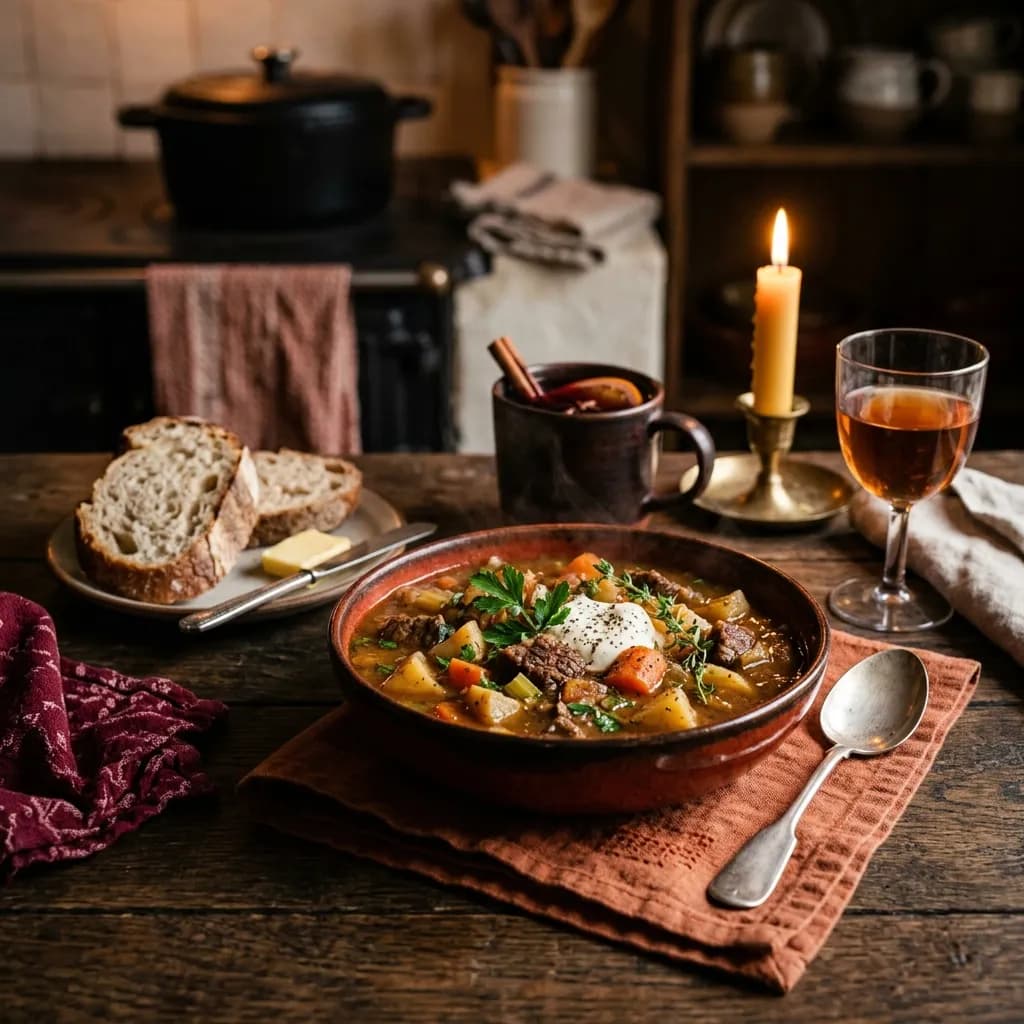
Roasted Wild Salmon with Garlic-Lemon Asparagus
This healthy Roasted Wild Salmon with Garlic-Lemon Asparagus recipe is a clean eating meal option rich in nutrients. Optimized for Salmon, Asparagus, Keto, Low-Carb, Gluten-Free and created by certified nutritionist Stewart Lucas, it is designed to fit seamlessly into a health-focused lifestyle.
Key Takeaways
- ✓Ready in just 15 mins using straightforward, kitchen-tested technique.
- ✓Delivers 42g of muscle-fueling protein per serving for lasting satiety.
- ✓Portion-balanced at 450 calories per serving with wholesome, unrefined ingredients.
- ✓Masterclass temperature checkpoints ensure maximum tenderness and flavor development.
The Story
This healthy Roasted Wild Salmon with Garlic-Lemon Asparagus recipe is a clean eating meal option rich in nutrients. Optimized for Salmon, Asparagus, Keto, Low-Carb, Gluten-Free and created by certified nutritionist Stewart Lucas, it is designed to fit seamlessly into a health-focused lifestyle.
Roasted Wild Salmon with Garlic-Lemon Asparagus
Quick Summary
This dish is the gold standard for a weeknight dinner that doesn't sacrifice flavor for speed. You get heart-healthy omega-3 fats from wild-caught salmon paired with the vibrant, earthy snap of fresh asparagus. It hits the table in under 30 minutes, relying on the magic of high-heat roasting to develop a light, caramelized crust on the fish and a tender bite on the greens.
Why This Recipe Works
I often talk to clients who think "healthy eating" requires hours of standing over a stove. It doesn’t. This recipe is one of my personal favorites because it utilizes a single sheet pan, which means minimal cleanup and a focused, concentrated flavor profile. When the garlic hits the hot olive oil and the lemon slices begin to release their citrus oils into the salmon, the aroma that fills your kitchen is better than any store-bought candle.
The beauty of this method is the natural synergy between the ingredients. The fat from the salmon renders down slightly, coating the asparagus as it roasts, while the lemon acts as a natural brightener, cutting through the richness of the fish. It is simple, honest food that fuels your body correctly.
Ingredients
- 4 Wild salmon fillets (approx. 6oz each)
- 1 lb Fresh asparagus, woody ends removed
- 2 tbsp Extra virgin olive oil
- 2 cloves Fresh garlic, minced finely
- 1 Large lemon, sliced into thin rounds
- 1 tsp High-quality sea salt
- 1/2 tsp Cracked black pepper
- Small handful of fresh dill, chopped for serving
The Method
- Prep your oven and pan: Preheat your oven to 400°F (200°C). Line a rimmed sheet pan with parchment paper. This isn't just for cleanup; it prevents the delicate skin of the fish from sticking to the metal.
- Arrange the produce: Place your trimmed asparagus on the pan. Drizzle with half of the olive oil and sprinkle with a pinch of salt. Toss them directly on the tray until coated, then push them toward the edges of the pan to make room for the salmon.
- Prepare the fish: Pat your salmon fillets dry with a paper towel—this is crucial for getting that nice sear. Lay them in the center of the pan. Rub the tops with the remaining olive oil, minced garlic, sea salt, and cracked pepper.
- Add the aromatics: Lay two lemon slices directly onto the top of each salmon fillet. This acts like a steam tent for the fish, keeping the center moist while the edges firm up.
- Roast to perfection: Slide the tray into the center rack. Roast for 12 to 15 minutes. You are looking for an opaque, buttery texture. When a fork slides into the thickest part of the fish with no resistance, it is ready.
Nutritional Science & Benefits
Wild-caught salmon is a powerhouse of nutrition, primarily due to its high concentration of EPA and DHA omega-3 fatty acids, which support cardiovascular health and brain function. By roasting at 400°F, we preserve these delicate fats better than deep-frying or over-boiling.
Asparagus is not just a side dish; it is a prebiotic powerhouse. It contains inulin, a type of fiber that feeds the beneficial bacteria in your gut, supporting digestion and immune function. Paired with lemon—which provides a hit of Vitamin C to help iron absorption—this meal is a complete, balanced package for your metabolism.
Stewart’s Culinary Coaching Tips
The "Snap" Test: When buying asparagus, look for stalks that are firm, not limp. If you're unsure where to trim, hold a spear at both ends and gently bend it; it will naturally snap exactly where the woody, inedible part ends.
Don't Overcrowd: Give your ingredients space. If the sheet pan is too crowded, the food will steam rather than roast, resulting in soggy asparagus instead of those beautiful, slightly charred tips we want.
Finishing Touch: Always add your fresh dill after the dish comes out of the oven. The high heat destroys the delicate oils in fresh herbs. Adding it as a garnish preserves the bright, herbaceous aroma.
Meal Prep & Storage Guide
If you're planning for the week ahead, this meal holds up surprisingly well. Store leftovers in an airtight glass container for up to 48 hours. When reheating, I recommend using a toaster oven or a traditional oven at 300°F with a teaspoon of water sprinkled in the container. This prevents the salmon from drying out. Avoid the microwave if you can, as it tends to turn the fish texture rubbery and mutes the freshness of the lemon.
Flavor Variations
If you want to mix things up, here are a few ways to keep the concept but shift the profile:
Mediterranean Style
Swap the dill for a sprinkle of dried oregano and add halved cherry tomatoes to the pan during the last 5 minutes of roasting.
Asian-Inspired
Replace the lemon with a light drizzle of toasted sesame oil and tamari, and garnish with toasted sesame seeds instead of dill.
Vegetarian Swap
Replace the salmon with firm tofu steaks or thick-cut portobello mushrooms. They take roughly the same amount of time to roast and absorb the garlic-lemon flavors beautifully.
Nutrition Snapshot
| Nutrient | Amount per Serving |
|---|---|
| Calories | 450 kcal |
| Protein | 42g |
| Fat | 28g |
| Carbohydrates | 6g |
Roasted Wild Salmon with Garlic-Lemon Asparagus
This healthy Roasted Wild Salmon with Garlic-Lemon Asparagus recipe is a clean eating meal option rich in nutrients. Optimized for Salmon, Asparagus, Keto, Low-Carb, Gluten-Free and created by certified nutritionist Stewart Lucas, it is designed to fit seamlessly into a health-focused lifestyle.
Macro Nutrition Profile (Per Serving)
Ingredients
Ingredient Substitutions
| Original Ingredient | Healthy Alternative |
|---|---|
| Salmon/Cod | Steelhead trout, halibut, or sea bass (baking times may vary) |
| Asparagus/Veg | Zucchini slices, broccoli florets, or green beans (roast at same temperature) |
Instructions
Prep your oven and pan: Preheat your oven to 400°F (200°C). Line a rimmed sheet pan with parchment paper. This isn't just for cleanup; it prevents the delicate skin of the fish from sticking to the metal.
Arrange the produce: Place your trimmed asparagus on the pan. Drizzle with half of the olive oil and sprinkle with a pinch of salt. Toss them directly on the tray until coated, then push them toward the edges of the pan to make room for the salmon.
Prepare the fish: Pat your salmon fillets dry with a paper towel—this is crucial for getting that nice sear. Lay them in the center of the pan. Rub the tops with the remaining olive oil, minced garlic, sea salt, and cracked pepper.
Add the aromatics: Lay two lemon slices directly onto the top of each salmon fillet. This acts like a steam tent for the fish, keeping the center moist while the edges firm up.
Roast to perfection: Slide the tray into the center rack. Roast for 12 to 15 minutes. You are looking for an opaque, buttery texture. When a fork slides into the thickest part of the fish with no resistance, it is ready.
Tried this recipe?
Let us know how it turned out! Click a star below to leave a review and rate the recipe.
Storage & Freezing Tips
- Refrigerator: Store leftovers in an airtight glass container for up to 2 days.
- Reheating: Warm gently in a skillet on medium-low heat with a lid to keep the fish tender. Avoid microwaving to prevent rubbery texture.
- Freezing: We do not recommend freezing cooked fish as it degrades the texture.
Frequently Asked Questions
How do I know exactly when the salmon is done?▼
The best indicator is physical feedback. The flesh should be opaque and flake apart easily when you nudge it with a fork. If you have a kitchen thermometer, pull the fish when the thickest part hits 140°F—the internal heat will carry it to the perfect 145°F while it rests for two minutes before serving.
Can I use frozen salmon fillets?▼
Absolutely. Just ensure you thaw them completely in the refrigerator overnight. Pat them extremely dry before applying the oil and seasonings. If you try to roast them while they are still icy, the water released will boil the fish, and you won't get that nice roasted flavor.
What can I serve this with for a heartier meal?▼
If you need extra carbohydrates, this pairs beautifully with a side of steamed quinoa or a small portion of roasted baby potatoes. Both absorb the pan juices and lemon-garlic flavor left on the sheet pan.
Is there a way to make the asparagus crispier?▼
Yes! Increase your oven temperature to 425°F and roast for only 10-12 minutes. The higher heat will char the tips of the asparagus faster, giving you a crunchier texture without overcooking the stalks.
Tried this recipe?
Tag @stewartlucas on Instagram and hashtag it #nutriguide!
You Might Also Like

Stewart Lucas
Nutritionist & Recipe DeveloperStewart Lucas is a nutritionist and recipe developer representing the NutriGuide team. All recipes, nutritional values, and diet protocols published on this site are designed and audited by certified dietitians and clinical nutrition professionals to guarantee absolute accuracy.
Community Reviews
Please log in to leave a review.