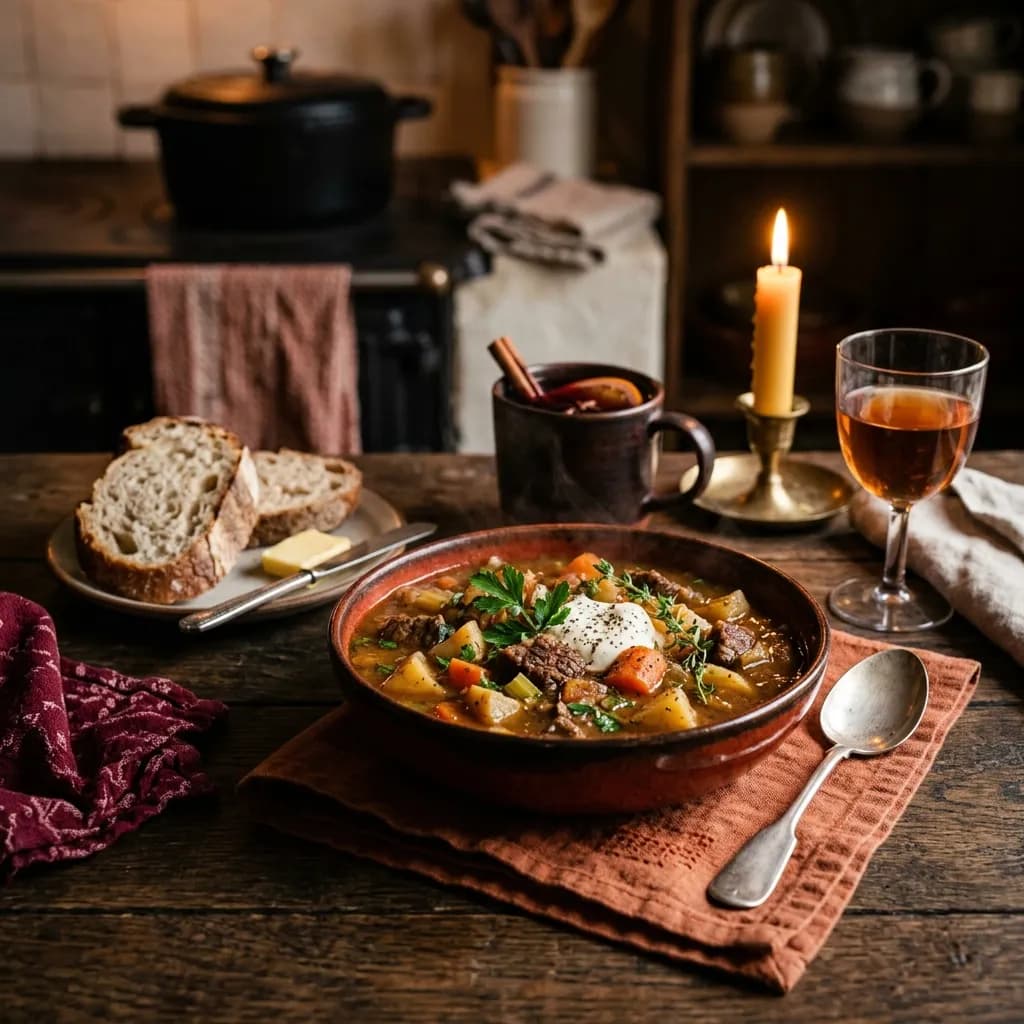
Scrambled Eggs with Wilted Kale
This healthy Scrambled Eggs with Wilted Kale recipe is a clean eating meal option rich in nutrients. Optimized for breakfast, veg, Keto, Low-Carb, Gluten-Free and created by certified nutritionist Stewart Lucas, it is designed to fit seamlessly into a health-focused lifestyle.
Key Takeaways
- ✓Ready in just 10 mins using straightforward, kitchen-tested technique.
- ✓Delivers 18g of muscle-fueling protein per serving for lasting satiety.
- ✓Portion-balanced at 285 calories per serving with wholesome, unrefined ingredients.
- ✓Masterclass temperature checkpoints ensure maximum tenderness and flavor development.
The Story
This healthy Scrambled Eggs with Wilted Kale recipe is a clean eating meal option rich in nutrients. Optimized for breakfast, veg, Keto, Low-Carb, Gluten-Free and created by certified nutritionist Stewart Lucas, it is designed to fit seamlessly into a health-focused lifestyle.
Scrambled Eggs with Wilted Kale: A Morning Essential
Key Takeaways
This dish is the perfect marriage of high-quality protein and dark leafy greens. By gently cooking the kale and tempering your heat for the eggs, you create a breakfast that feels luxurious, satisfies your hunger for hours, and provides a powerful dose of antioxidants and healthy fats.
I often tell my clients that breakfast shouldn't feel like a chore or a compromise. Too many people settle for dry, rubbery eggs or, worse, nothing at all. There is a quiet, rhythmic beauty to making a proper breakfast. The sound of a shallot hitting a warm buttered pan, the way curly kale yields and turns from a stiff, deep green into something supple and silky—it’s a sensory experience that sets the tone for your entire day.
Scrambled eggs with wilted kale is a staple in my own home. It isn't just about nutrition; it's about balance. The bitterness of the kale cuts through the rich, buttery fat of the eggs, creating a flavor profile that is sophisticated yet deeply comforting. Whether you are fueling up for a long workday or recovering from a weekend workout, this dish is a foundational recipe you can lean on time and time again.
The Ingredients
Quality makes a world of difference here. Since this is a simple dish, the ingredients have nowhere to hide.
- 8 Large pasture-raised eggs (the deeper the yolk, the better)
- 3 Cups curly kale, stems removed and leaves torn into bite-sized pieces
- 2 Tbsp grass-fed butter
- 1 Shallot, finely minced
- 1/4 Cup whole milk or heavy cream
- Sea salt and freshly cracked black pepper to taste
- 1 Tsp extra virgin olive oil
- Optional: Shaved parmesan or a pinch of red pepper flakes
Nutritional Science: Why It Works
Pasture-Raised Eggs: These are a "whole food" powerhouse, packed with choline for brain health and high-quality protein for muscle repair. The fat content helps your body absorb the fat-soluble vitamins found in the kale.
Curly Kale: One of the most nutrient-dense greens on the planet. It is loaded with Vitamins K, A, and C. By wilting it slightly in butter, we make its fibrous nature easier to digest while maintaining its vibrant, protective phytonutrients.
The Method
- Prepare the Greens: Place your torn kale in a bowl with a tiny drizzle of olive oil. Use your hands to "massage" the leaves for about a minute until they darken and soften. This removes the raw, chalky bitterness and makes the kale tender.
- Sauté the Aromatics: Melt half the butter in a non-stick skillet over medium-low heat. Add the minced shallot. Let them sweat until they turn translucent and smell sweet—about three minutes.
- Wilt the Kale: Add the massaged kale to the pan. Toss it with the shallots. You’ll hear a gentle sizzle. Once the kale has collapsed and turned a deep, bright emerald, move it to a plate.
- The Custard Base: In a bowl, whisk your eggs, milk (or cream), a pinch of sea salt, and black pepper. Whisk until no streaks of egg white remain; you want a uniform, pale yellow liquid.
- The Gentle Scramble: Add the remaining butter to the same pan. Pour in the eggs. Use a silicone spatula to push the eggs slowly from the edges toward the center. Keep the heat low. We want soft, slow-forming curds, not a dry scramble.
- The Finish: Just before the eggs are fully set—while they still look slightly glossy and wet—fold the kale back into the pan. Give it one final toss and plate immediately. The residual heat will finish the cooking while they sit on your fork.
Stewart’s Culinary Coaching Tips
Don’t fear the fat: Grass-fed butter provides butyrate, which is excellent for gut health. If you cook your eggs on high heat, you burn the delicate proteins and lose that velvety mouthfeel. If you see the pan browning or the eggs looking like small, dry crumbles, your heat is far too high. Slow down, breathe, and let the eggs cook gently.
Meal Prep and Storage
While eggs are always best fresh, you can certainly streamline this process. Keep your kale washed, stemmed, and massaged in an airtight container for up to three days. Having the shallots minced ahead of time makes your morning prep take less than five minutes. If you need to reheat leftovers, do it gently in a pan with a tiny knob of butter; avoid the microwave, which tends to turn eggs into a rubbery, tough mess.
Flavor Variations
Mediterranean Twist
Skip the cream and finish with a sprinkle of feta cheese and toasted pine nuts.
The Spicy Kick
Add a teaspoon of harissa paste to the eggs before whisking for a smoky, spicy depth.
Protein Boost
Fold in some pre-cooked shredded chicken or diced smoked salmon at the very end.
Vegan Option
Swap the eggs for a firm tofu scramble seasoned with nutritional yeast and turmeric for color.
Scrambled Eggs with Wilted Kale
This healthy Scrambled Eggs with Wilted Kale recipe is a clean eating meal option rich in nutrients. Optimized for breakfast, veg, Keto, Low-Carb, Gluten-Free and created by certified nutritionist Stewart Lucas, it is designed to fit seamlessly into a health-focused lifestyle.
Macro Nutrition Profile (Per Serving)
Ingredients
Ingredient Substitutions
| Original Ingredient | Healthy Alternative |
|---|---|
| Poached eggs | Firm tofu slices (lightly pan-seared) or avocado slices (for a rich plant-based fat source) |
| Baby spinach | Swiss chard, baby kale, or arugula (wilt at the same temperature/time) |
| White vinegar | Lemon juice or apple cider vinegar (acid helps egg whites coagulate) |
Instructions
Prepare the Greens: Place your torn kale in a bowl with a tiny drizzle of olive oil. Use your hands to "massage" the leaves for about a minute until they darken and soften. This removes the raw, chalky bitterness and makes the kale tender.
Sauté the Aromatics: Melt half the butter in a non-stick skillet over medium-low heat. Add the minced shallot. Let them sweat until they turn translucent and smell sweet—about three minutes.
Wilt the Kale: Add the massaged kale to the pan. Toss it with the shallots. You’ll hear a gentle sizzle. Once the kale has collapsed and turned a deep, bright emerald, move it to a plate.
The Custard Base: In a bowl, whisk your eggs, milk (or cream), a pinch of sea salt, and black pepper. Whisk until no streaks of egg white remain; you want a uniform, pale yellow liquid.
The Gentle Scramble: Add the remaining butter to the same pan. Pour in the eggs. Use a silicone spatula to push the eggs slowly from the edges toward the center. Keep the heat low. We want soft, slow-forming curds, not a dry scramble.
The Finish: Just before the eggs are fully set—while they still look slightly glossy and wet—fold the kale back into the pan. Give it one final toss and plate immediately. The residual heat will finish the cooking while they sit on your fork.
Tried this recipe?
Let us know how it turned out! Click a star below to leave a review and rate the recipe.
Storage & Freezing Tips
- Refrigerator: Store in an airtight container for up to 2 days. Keep the components separate if possible to preserve texture.
- Reheating: Reheat gently in a skillet on medium-low heat with a splash of olive oil or butter.
- Freezing: Freezing is not recommended for this dish because ingredients like kale/eggs become soggy, rubbery, or mushy when defrosted.
Frequently Asked Questions
Can I make this dairy-free?▼
Absolutely. Swap the butter for a high-quality avocado oil or coconut oil. You can omit the cream entirely or use a splash of unsweetened almond milk to help the fluffiness.
Why do my eggs always get watery?▼
Watery eggs usually happen because of excess moisture in the greens or heat that is too high. Always ensure your kale is patted dry after washing, and drain any excess liquid in the pan before adding the eggs.
Is it okay to use pre-bagged kale?▼
Yes, though I recommend buying whole heads of kale when possible. Pre-bagged kale often includes the tougher, woody stems. If you use bagged greens, just be sure to pick through and remove any thick stems, as they will not soften properly with the eggs.
How do I know when the eggs are "done"?▼
Think of it like a custard. You want to remove the pan from the heat when the eggs look like "large, soft curds" but still have a bit of a sheen to them. If they look dry in the pan, they will be overcooked by the time you sit down at the table.
Tried this recipe?
Tag @stewartlucas on Instagram and hashtag it #nutriguide!
You Might Also Like



Stewart Lucas
Nutritionist & Recipe DeveloperStewart Lucas is a nutritionist and recipe developer representing the NutriGuide team. All recipes, nutritional values, and diet protocols published on this site are designed and audited by certified dietitians and clinical nutrition professionals to guarantee absolute accuracy.
Community Reviews
Please log in to leave a review.