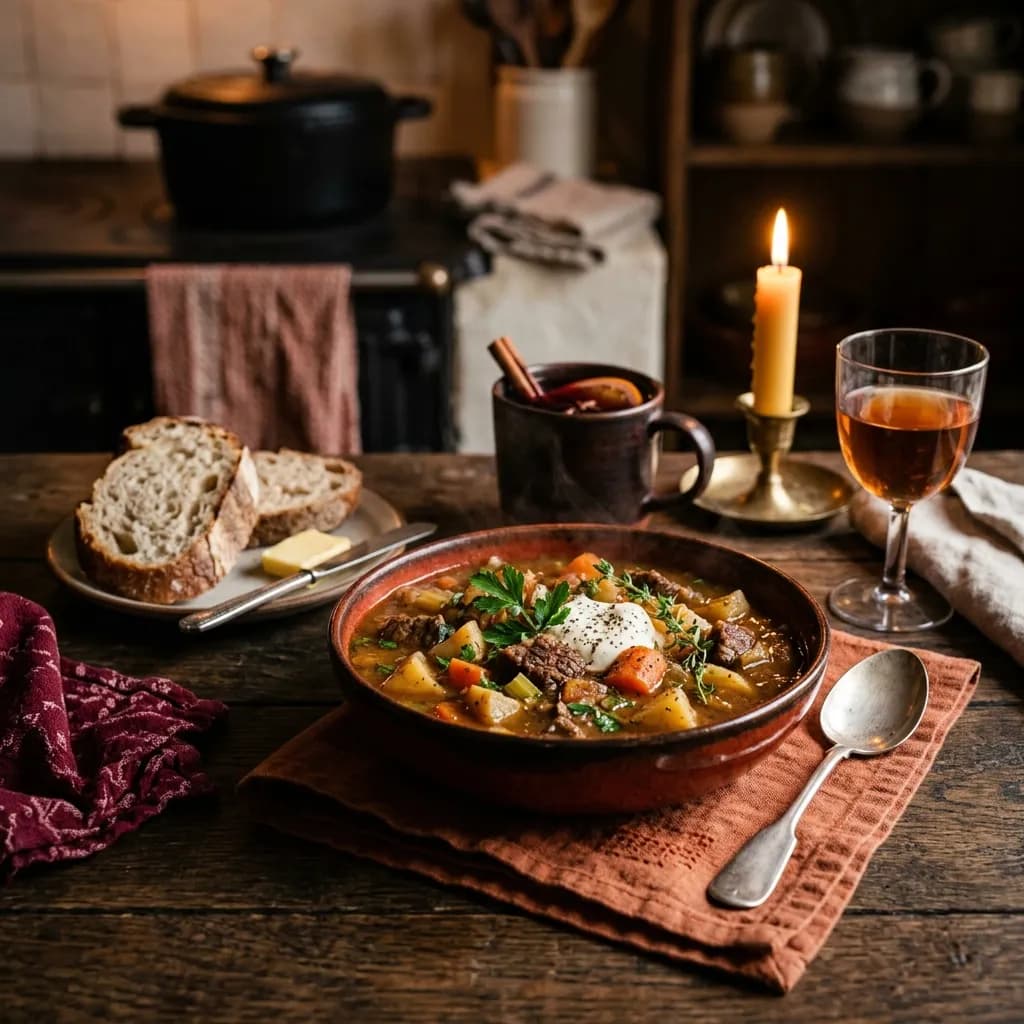
Simple Baked Salmon with Roasted Sweet Potatoes
This healthy Simple Baked Salmon with Roasted Sweet Potatoes recipe is a clean eating meal option rich in nutrients. Optimized for Salmon, Sweet Potatoes, Gluten-Free, Dairy-Free, Heart Healthy and created by certified nutritionist Stewart Lucas, it is designed to fit seamlessly into a health-focused lifestyle.
Key Takeaways
- ✓Ready in just 30 mins using straightforward, kitchen-tested technique.
- ✓Delivers 38g of muscle-fueling protein per serving for lasting satiety.
- ✓Portion-balanced at 450 calories per serving with wholesome, unrefined ingredients.
- ✓Masterclass temperature checkpoints ensure maximum tenderness and flavor development.
The Story
This healthy Simple Baked Salmon with Roasted Sweet Potatoes recipe is a clean eating meal option rich in nutrients. Optimized for Salmon, Sweet Potatoes, Gluten-Free, Dairy-Free, Heart Healthy and created by certified nutritionist Stewart Lucas, it is designed to fit seamlessly into a health-focused lifestyle.
Quick Summary
This sheet-pan staple is a masterclass in simplicity. You get the rich, buttery texture of oven-baked salmon paired with the earthy, caramelized sweetness of roasted potatoes. It is a nutrient-dense, stress-free dinner that hits the table in under 40 minutes, providing a robust balance of omega-3 fatty acids and complex carbohydrates.
Why This Meal Works for Your Body
I often tell my clients that the best meals aren't the ones that require hours in the kitchen, but the ones that rely on high-quality ingredients working in harmony. There is something profoundly satisfying about the sound of a hot sheet pan hitting the counter, the aroma of smoked paprika wafting through the kitchen, and that first forkful of salmon that just yields under the slightest pressure.
This dish is a nutritional powerhouse. Salmon is one of the few reliable dietary sources of long-chain omega-3 fatty acids—specifically EPA and DHA. These aren't just "good fats"; they are essential components that support cardiovascular health, brain function, and systemic inflammation reduction. Pairing this with sweet potatoes is intentional. While white potatoes are fine, sweet potatoes offer a slower release of glucose into your bloodstream, providing sustained energy without the mid-evening slump.
The Nutritional Edge
- Salmon: Rich in high-quality protein and astaxanthin, a powerful antioxidant that gives the fish its signature pink hue.
- Sweet Potatoes: A fantastic source of beta-carotene, which your body converts to Vitamin A. They also provide essential fiber for gut health.
- Lemon: The acidity of fresh lemon juice brightens the flavors and aids in the absorption of iron from the sweet potatoes.
The Ingredients
- 4 wild-caught or high-quality salmon fillets (approx. 6oz each)
- 2 large orange-fleshed sweet potatoes, scrubbed and cut into 3/4-inch cubes
- 2 tablespoons extra-virgin olive oil
- 1 teaspoon smoked paprika (this provides that subtle, rustic depth)
- 1 teaspoon dried thyme
- 1 organic lemon, sliced into thin wheels
- Sea salt and freshly cracked black pepper to taste
- A generous handful of fresh flat-leaf parsley, chopped, for a pop of freshness
Step-by-Step Preparation
Start by preheating your oven to 400°F (200°C). A hot oven is the secret to getting that light char on the sweet potatoes without turning them into mush.
1. Prep the Potatoes: Toss your cubed sweet potatoes on a large, rimmed baking sheet with the olive oil, smoked paprika, salt, and pepper. Use your hands to ensure every cube is coated. Spread them out in a single layer. If they are crowded, they will steam; give them breathing room to roast properly. Roast for 15 minutes.
2. Prepare the Salmon: While the potatoes start their transformation, pat your salmon fillets dry with a paper towel. Moisture is the enemy of a nice texture. Season the fish gently with salt, pepper, and dried thyme. If the skin is on, I like to leave it—it protects the flesh while it bakes.
3. The Final Roast: Remove the pan carefully. Move the potatoes to the outer edges to create space in the center. Nestle your salmon fillets there. Lay a thin slice of lemon directly on top of each fillet; as the fish cooks, the oils from the lemon peel and juice will infuse the salmon with a bright, citrusy perfume.
4. Finish: Return the pan to the oven for another 12–15 minutes. You are looking for an internal temperature of 145°F, or simply check by taking a fork to the thickest part—the fish should flake effortlessly and look opaque, not translucent.
Stewart's Culinary Coaching Tips
Don't be afraid of the heat. If you want that extra "restaurant-style" finish, flip your oven to the broil setting for the final 60 seconds of cooking. Keep a very close eye on it, though! It helps caramelize the edges of the potatoes and gives the salmon a slightly firmer, more pleasant surface.
Meal Prep and Storage
One of the reasons I love this recipe is that it saves beautifully. If you are cooking for one or two, this is an excellent candidate for your midweek lunches.
- Storage: Store the salmon and potatoes in an airtight glass container in the refrigerator for up to 3 days.
- Reheating: Never microwave salmon on high power; it will turn rubbery. Instead, reheat it in a toaster oven or a standard oven at 300°F until just warmed through. Alternatively, cold leftover salmon is excellent flaked over a large salad with a vinaigrette.
Flavor Variations
If you want to keep things interesting, here are a few ways to pivot this recipe:
The Mediterranean Twist
Swap the smoked paprika for dried oregano and add halved cherry tomatoes and Kalamata olives to the pan during the final 10 minutes.
Low-Carb Alternative
Swap the sweet potatoes for cauliflower florets. They roast in about the same time and pair wonderfully with the lemon and thyme.
Herb Infusion
If you have fresh herbs, skip the dried thyme. Use a mixture of fresh dill and parsley, but add them <em class="italic">after</em> the fish comes out of the oven to keep their flavor vibrant and bright.
Nutritional Snapshot
| Nutrient | Amount |
|---|---|
| Calories | 450 kcal |
| Protein | 38g |
| Total Fat | 18g |
| Carbohydrates | 34g |
| Fiber | 5g |
Simple Baked Salmon with Roasted Sweet Potatoes
This healthy Simple Baked Salmon with Roasted Sweet Potatoes recipe is a clean eating meal option rich in nutrients. Optimized for Salmon, Sweet Potatoes, Gluten-Free, Dairy-Free, Heart Healthy and created by certified nutritionist Stewart Lucas, it is designed to fit seamlessly into a health-focused lifestyle.
Macro Nutrition Profile (Per Serving)
Ingredients
Ingredient Substitutions
| Original Ingredient | Healthy Alternative |
|---|---|
| Salmon/Cod | Steelhead trout, halibut, or sea bass (baking times may vary) |
| Asparagus/Veg | Zucchini slices, broccoli florets, or green beans (roast at same temperature) |
Instructions
1. Prep the Potatoes: Toss your cubed sweet potatoes on a large, rimmed baking sheet with the olive oil, smoked paprika, salt, and pepper. Use your hands to ensure every cube is coated. Spread them out in a single layer. If they are crowded, they will steam; give them breathing room to roast properly. Roast for 15 minutes.
2. Prepare the Salmon: While the potatoes start their transformation, pat your salmon fillets dry with a paper towel. Moisture is the enemy of a nice texture. Season the fish gently with salt, pepper, and dried thyme. If the skin is on, I like to leave it—it protects the flesh while it bakes.
3. The Final Roast: Remove the pan carefully. Move the potatoes to the outer edges to create space in the center. Nestle your salmon fillets there. Lay a thin slice of lemon directly on top of each fillet; as the fish cooks, the oils from the lemon peel and juice will infuse the salmon with a bright, citrusy perfume.
4. Finish: Return the pan to the oven for another 12–15 minutes. You are looking for an internal temperature of 145°F, or simply check by taking a fork to the thickest part—the fish should flake effortlessly and look opaque, not translucent.
Tried this recipe?
Let us know how it turned out! Click a star below to leave a review and rate the recipe.
Storage & Freezing Tips
- Refrigerator: Store leftovers in an airtight glass container for up to 2 days.
- Reheating: Warm gently in a skillet on medium-low heat with a lid to keep the fish tender. Avoid microwaving to prevent rubbery texture.
- Freezing: We do not recommend freezing cooked fish as it degrades the texture.
Frequently Asked Questions
Can I use frozen salmon for this recipe?▼
Yes, but you must thaw it completely in the refrigerator overnight. Pat it very dry with a paper towel before seasoning. If you try to cook it while icy, the surface won't sear, and you'll end up with a watery pan.
How do I know exactly when the salmon is cooked through?▼
Use a fork to gently press the thickest part of the fillet. If it flakes easily and looks uniform in color—no longer translucent—it is done. If you are using a meat thermometer, pull it out when it hits 135°F, as it will continue to cook slightly while it rests on the hot pan.
Can I make this dairy-free and gluten-free?▼
This recipe is naturally gluten-free and dairy-free, provided you stick to olive oil. It is a fantastic choice for those with sensitive digestive systems.
Why did my potatoes turn out soft instead of roasted?▼
This almost always comes down to crowding. If the potatoes are stacked on top of each other, they trap steam. Ensure there is at least a small gap between every cube on your baking sheet for the best results.
Tried this recipe?
Tag @stewartlucas on Instagram and hashtag it #nutriguide!
You Might Also Like

Stewart Lucas
Nutritionist & Recipe DeveloperStewart Lucas is a nutritionist and recipe developer representing the NutriGuide team. All recipes, nutritional values, and diet protocols published on this site are designed and audited by certified dietitians and clinical nutrition professionals to guarantee absolute accuracy.
Community Reviews
Please log in to leave a review.