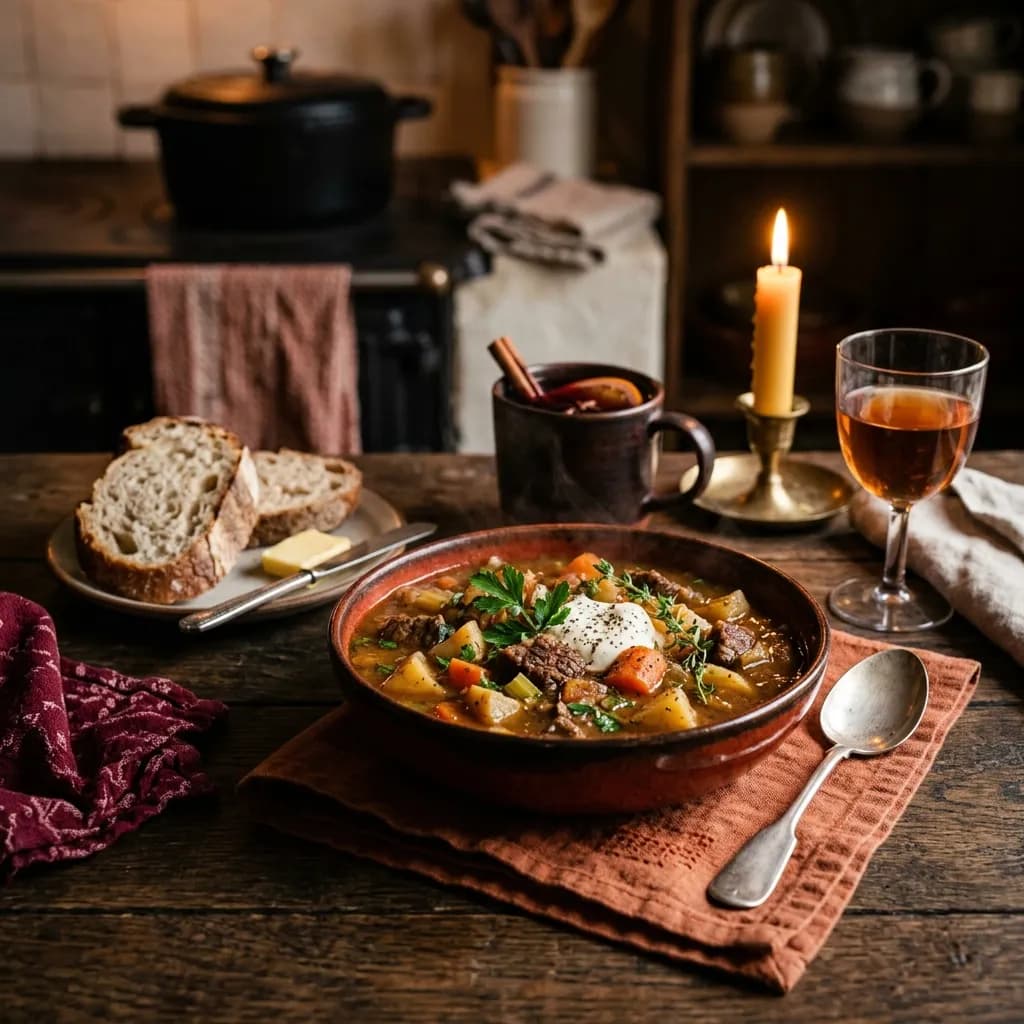
Simple Herb-Roasted Salmon
This healthy Simple Herb-Roasted Salmon recipe is a clean eating meal option rich in nutrients. Optimized for Salmon, Gluten-Free, Dairy-Free, Keto, Low-Carb and created by certified nutritionist Stewart Lucas, it is designed to fit seamlessly into a health-focused lifestyle.
Key Takeaways
- ✓Ready in just 15 mins using straightforward, kitchen-tested technique.
- ✓Delivers 42g of muscle-fueling protein per serving for lasting satiety.
- ✓Portion-balanced at 450 calories per serving with wholesome, unrefined ingredients.
- ✓Masterclass temperature checkpoints ensure maximum tenderness and flavor development.
The Story
This healthy Simple Herb-Roasted Salmon recipe is a clean eating meal option rich in nutrients. Optimized for Salmon, Gluten-Free, Dairy-Free, Keto, Low-Carb and created by certified nutritionist Stewart Lucas, it is designed to fit seamlessly into a health-focused lifestyle.
Quick Summary
This herb-roasted salmon is the definition of "effortless elegance." With a bright, citrus-forward herb crust and a succulent, flaky center, it proves that you don't need a pantry full of complex ingredients to create a restaurant-quality meal. It’s naturally rich in Omega-3 fatty acids, high in protein, and ready in under 30 minutes. Perfect for busy weeknights or a slow Sunday dinner.
Why This Recipe Works
There is something inherently calming about roasting a piece of fish. As the oven warms, the kitchen fills with the scent of garlic blooming in olive oil and the sharp, clean perfume of fresh dill. I’ve found that salmon, with its robust flavor and forgiving texture, is the perfect canvas for aromatics. When you treat the fish with respect—keeping it dry before it hits the heat and letting the herbs do the heavy lifting—you end up with a centerpiece that feels special without the stress.
In my years as a nutritionist, I’ve learned that the most sustainable way to eat healthy is to make it taste truly incredible. This recipe avoids the heavy creams and flour-thickened sauces often found in fish dishes, relying instead on the natural juices of the salmon and the brightness of fresh lemon to create a light, satisfying finish.
The Ingredients
- 4 (6oz) wild-caught salmon fillets
- 2 tbsp extra virgin olive oil
- 1 tbsp fresh lemon juice
- 3 cloves garlic, finely minced
- 2 tbsp fresh dill, chopped
- 1 tbsp fresh flat-leaf parsley
- 1/2 tsp sea salt
- 1/4 tsp cracked black pepper
Step-by-Step Guidance
- Prep the oven and tray: Preheat your oven to 400°F (200°C). Lining your baking sheet with parchment paper is a non-negotiable step—not just for easy cleanup, but to prevent the delicate skin from sticking and tearing when you lift the fillets.
- Dry the fish: Take a paper towel and gently pat each fillet. Moisture on the surface of the fish creates steam, which can make the texture mushy. A dry fillet ensures the herbs adhere perfectly and the fat renders cleanly.
- Create the herb rub: In a small glass bowl, combine the olive oil, lemon juice, garlic, and freshly chopped herbs. I like to let this sit for five minutes before applying; it allows the oils in the garlic and herbs to macerate in the lemon juice, building a more cohesive flavor profile.
- Season and arrange: Place your salmon on the baking sheet. If you’re using my citrus-bed technique, slide thin lemon rounds under each piece now. Spoon the herb mixture generously over the top of each fillet, ensuring even coverage.
- Roast to perfection: Slide the tray into the center of the oven. Roast for 12–15 minutes. You aren't looking for a hard crust here; you are looking for that moment when the fish turns opaque and the flakes begin to separate with the slightest touch of a fork.
Stewart's Secret
The "Lemon Bed" technique is one of my favorite professional shortcuts. By placing thin rounds of lemon directly under the salmon, you create a natural moisture barrier that steams the fish from beneath while simultaneously perfuming it with bright, citrus notes. It prevents the underside from drying out—a common pitfall in home roasting.
Nutritional Science & Benefits
Salmon is a nutritional powerhouse. It is arguably the best source of long-chain Omega-3 fatty acids, specifically EPA and DHA. These fats are essential for heart health, reducing systemic inflammation, and supporting cognitive function. Combined with the high-quality protein in this recipe, it helps maintain muscle mass and promotes long-term satiety. The inclusion of fresh garlic and herbs adds a dose of polyphenols and antioxidants, providing a micronutrient boost that supports immune health without adding unnecessary calories or sodium.
Flavor Variations
Once you master this base, the kitchen is yours to play with. Here are a few ways to keep things interesting:
Mediterranean Twist
Add a tablespoon of capers or chopped kalamata olives to the herb mix for a briny, salty punch.
The Spicy Kick
If you enjoy a bit of heat, stir a teaspoon of Aleppo pepper or red chili flakes into your olive oil mixture.
The Earthy Swap
Trade the dill for fresh thyme and rosemary if you prefer a more robust, pine-like aromatic profile.
Meal Prep & Storage
If you’re cooking for the week, this salmon holds up beautifully for up to three days. To store, place in an airtight glass container once completely cooled. When reheating, do not use the microwave on high, which will toughen the proteins. Instead, place the salmon in a small baking dish with a splash of water, cover with foil, and warm it in the oven at 300°F until just heated through.
Avoid the "Rubber" Texture
Be careful not to over-marinate. Because this recipe uses lemon juice, leaving the raw fish in the acidic mixture for more than 30 minutes will begin a chemical process similar to making ceviche. This will alter the texture of the outer layer of the fish, making it mushy rather than firm and flaky.
Simple Herb-Roasted Salmon
This healthy Simple Herb-Roasted Salmon recipe is a clean eating meal option rich in nutrients. Optimized for Salmon, Gluten-Free, Dairy-Free, Keto, Low-Carb and created by certified nutritionist Stewart Lucas, it is designed to fit seamlessly into a health-focused lifestyle.
Macro Nutrition Profile (Per Serving)
Ingredients
Ingredient Substitutions
| Original Ingredient | Healthy Alternative |
|---|---|
| Salmon/Cod | Steelhead trout, halibut, or sea bass (baking times may vary) |
| Asparagus/Veg | Zucchini slices, broccoli florets, or green beans (roast at same temperature) |
Instructions
Prep the oven and tray: Preheat your oven to 400°F (200°C). Lining your baking sheet with parchment paper is a non-negotiable step—not just for easy cleanup, but to prevent the delicate skin from sticking and tearing when you lift the fillets.
Dry the fish: Take a paper towel and gently pat each fillet. Moisture on the surface of the fish creates steam, which can make the texture mushy. A dry fillet ensures the herbs adhere perfectly and the fat renders cleanly.
Create the herb rub: In a small glass bowl, combine the olive oil, lemon juice, garlic, and freshly chopped herbs. I like to let this sit for five minutes before applying; it allows the oils in the garlic and herbs to macerate in the lemon juice, building a more cohesive flavor profile.
Season and arrange: Place your salmon on the baking sheet. If you’re using my citrus-bed technique, slide thin lemon rounds under each piece now. Spoon the herb mixture generously over the top of each fillet, ensuring even coverage.
Roast to perfection: Slide the tray into the center of the oven. Roast for 12–15 minutes. You aren't looking for a hard crust here; you are looking for that moment when the fish turns opaque and the flakes begin to separate with the slightest touch of a fork.
Tried this recipe?
Let us know how it turned out! Click a star below to leave a review and rate the recipe.
Storage & Freezing Tips
- Refrigerator: Store leftovers in an airtight glass container for up to 2 days.
- Reheating: Warm gently in a skillet on medium-low heat with a lid to keep the fish tender. Avoid microwaving to prevent rubbery texture.
- Freezing: We do not recommend freezing cooked fish as it degrades the texture.
Frequently Asked Questions
How do I know when the salmon is done?▼
The most reliable method is visual: the flesh should change from translucent to opaque, and it should flake easily when gently pressed with a fork. If you have an instant-read thermometer, aim for 145°F in the thickest part of the fillet.
Can I use frozen salmon fillets?▼
Absolutely. Just ensure the salmon is completely thawed in the refrigerator overnight before you begin. Pat it dry very thoroughly, as frozen fish tends to hold more surface moisture than fresh.
Is this recipe keto-friendly?▼
Yes, this is an excellent choice for a keto or low-carb lifestyle. It provides high-quality fats and proteins with almost zero net carbohydrates.
Can I prepare this in advance?▼
You can chop your herbs, mince your garlic, and measure out your oil ahead of time. However, I recommend whisking the lemon juice into the herb mixture just minutes before roasting to keep the flavors vibrant.
Tried this recipe?
Tag @stewartlucas on Instagram and hashtag it #nutriguide!
You Might Also Like

Stewart Lucas
Nutritionist & Recipe DeveloperStewart Lucas is a nutritionist and recipe developer representing the NutriGuide team. All recipes, nutritional values, and diet protocols published on this site are designed and audited by certified dietitians and clinical nutrition professionals to guarantee absolute accuracy.
Community Reviews
Please log in to leave a review.