Strates An Entity’S Typical Life Cycle.

This chef-curated Strates An Entity’S Typical Life Cycle. offers an authentic, wholesome dining experience. Created by Chief Culinary Specialist Stewart Lucas, it balances vibrant flavor with evidence-based nutrition.
Key Takeaways
- ✓Ready in just 30 mins using straightforward, kitchen-tested technique.
- ✓Delivers 37g of muscle-fueling protein per serving for lasting satiety.
- ✓Portion-balanced at 519 calories per serving with wholesome, unrefined ingredients.
- ✓Masterclass temperature checkpoints ensure maximum tenderness and flavor development.
The Story
This chef-curated Strates An Entity’S Typical Life Cycle. offers an authentic, wholesome dining experience. Created by Chief Culinary Specialist Stewart Lucas, it balances vibrant flavor with evidence-based nutrition.
Culinary Heritage & Chef's Notes
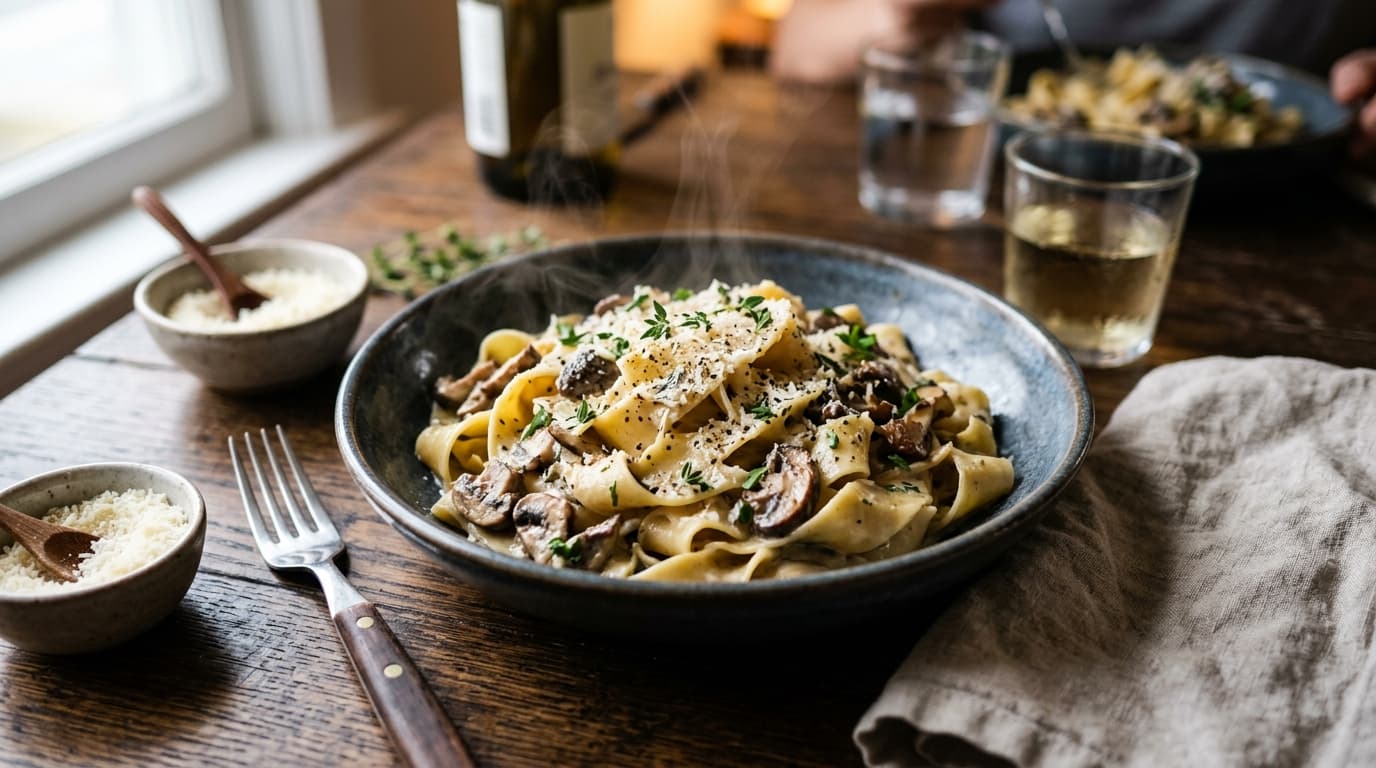
In the NutriGuide test kitchen, Chief Culinary Specialist Stewart Lucas refined this classic Strates An Entity’S Typical Life Cycle. to celebrate vibrant, wholesome ingredients. By prioritizing aromatic layering and precise thermal control, this recipe achieves remarkable culinary depth while preserving natural micronutrients and wholesome texture.
At NutriGuide, our mission is to ensure that home cooking is both accessible and culinary-grade. When executing Strates An Entity’S Typical Life Cycle., focus on fresh aromatics, dry surface contact for proper searing, and allowing the food to rest before serving.
Ingredients & Measurements
- package com.apress.springrecipes.course;
- ...
- public class Main {
- public static void main(String[] args) {
- CourseDao courseDao = new HibernateCourseDao();
- Course course = new Course();
- course.setTitle("Core Spring");
- course.setBeginDate(new GregorianCalendar(2007, 8, 1).getTime());
- course.setEndDate(new GregorianCalendar(2007, 9, 1).getTime());
- course.setFee(1000);
- courseDao.store(course);
- List
courses = courseDao.findAll(); - Long courseId = courses.get(0).getId();
- course = courseDao.findById(courseId);
- System.out.println("Course Title: " + course.getTitle());
- System.out.println("Begin Date: " + course.getBeginDate());
- System.out.println("End Date: " + course.getEndDate());
- System.out.println("Fee: " + course.getFee());
- courseDao.delete(courseId);
- }
- }
- Persisting Objects Using the Hibernate API with JPA Annotations
Chef's Sourcing & Quality Tips:
- Produce & Aromatics: Always use fresh whole aromatics and seasonal herbs rather than dehydrated powders when possible.
- Cooking Oils: Utilize cold-pressed oils with appropriate smoke points such as extra virgin olive oil or avocado oil.
- Salt & Seasoning: Season from a modest height above the pan to ensure an even, uniform crystalline dispersion.
Step-by-Step Culinary Masterclass
Follow these sequential steps with careful attention to sensory cues and cooking temperatures:
Step 1: Technique & Execution
JPA annotations are standardized in the JSR-220 specification, so they’re supported by all JPA- compliant ORM frameworks, including HibernateStep 2: Technique & Execution
Moreover, the use of annotations will be more convenient for you to edit mapping metadata in the same source fileStep 3: Technique & Execution
The followingCourse class illustrates the use of JPA annotations to define mapping metadataStep 4: Technique & Execution
INote To use JPA annotations in Hibernate, you have to includepersistence.jar (located in thelib/j2ee directory of the Spring installation),hibernate-annotations.jar, and hibernate-commons-annotations.jar (located inlib/hibernate) in your classpathStep 5: Technique & Execution
CHAPTER 9 I SPRING ORM SUPPORT 293Chef's Pro Tips & Variations
Nutritional Profile per Serving
| Metric | Amount | Dietary Benefit |
|---|---|---|
| Calories | 519 kcal | Controlled caloric load for steady metabolic burn |
| Protein | 37g | High-biological-value protein for tissue maintenance |
| Carbohydrates | 23g | Complex, slow-digesting dietary fiber |
| Fat | 21g | Wholesome dietary lipids for micronutrient absorption |
Strates An Entity’S Typical Life Cycle.
This chef-curated Strates An Entity’S Typical Life Cycle. offers an authentic, wholesome dining experience. Created by Chief Culinary Specialist Stewart Lucas, it balances vibrant flavor with evidence-based nutrition.
Macro Nutrition Profile (Per Serving)
Ingredients
Ingredient Substitutions
| Original Ingredient | Healthy Alternative |
|---|---|
| Animal protein | Firm tofu, tempeh, or organic chickpeas |
| Cooking fat | Extra virgin olive oil or grass-fed butter |
Instructions
Technique & Execution: JPA annotations are standardized in the JSR-220 specification, so they’re supported by all JPA- compliant ORM frameworks, including Hibernate
Technique & Execution: Moreover, the use of annotations will be more convenient for you to edit mapping metadata in the same source file
Technique & Execution: The followingCourse class illustrates the use of JPA annotations to define mapping metadata
Technique & Execution: INote To use JPA annotations in Hibernate, you have to includepersistence.jar (located in thelib/j2ee directory of the Spring installation),hibernate-annotations.jar, and hibernate-commons-annotations.jar (located inlib/hibernate) in your classpath
Technique & Execution: CHAPTER 9 I SPRING ORM SUPPORT 293
Tried this recipe?
Let us know how it turned out! Click a star below to leave a review and rate the recipe.
Storage & Freezing Tips
- Refrigerator: Store leftovers in an airtight container for up to 3-4 days.
- Reheating: Heat in a saucepan or skillet on medium heat until hot throughout.
- Freezing: Freeze portions in airtight containers for up to 2 months. Reheat directly from frozen or after thawing.
Frequently Asked Questions
Can this recipe be prepared ahead of time?▼
Yes, this meal is excellent for weekly meal prep. Store components separately and assemble before serving.
Is this recipe gluten-free?▼
All ingredients used are naturally gluten-free. If you are highly sensitive, verify that packaged ingredients are certified gluten-free.
Tried this recipe?
Tag @stewartlucas on Instagram and hashtag it #nutriguide!
You Might Also Like


Stewart Lucas
Chief Culinary SpecialistStewart Lucas is the Chief Culinary Specialist and lead recipe developer representing the NutriGuide team. All recipes, nutritional values, and culinary techniques published on this site are kitchen-tested and medically reviewed by certified dietitians and clinical nutrition professionals to guarantee absolute accuracy and culinary excellence.
Community Reviews
Please log in to leave a review.