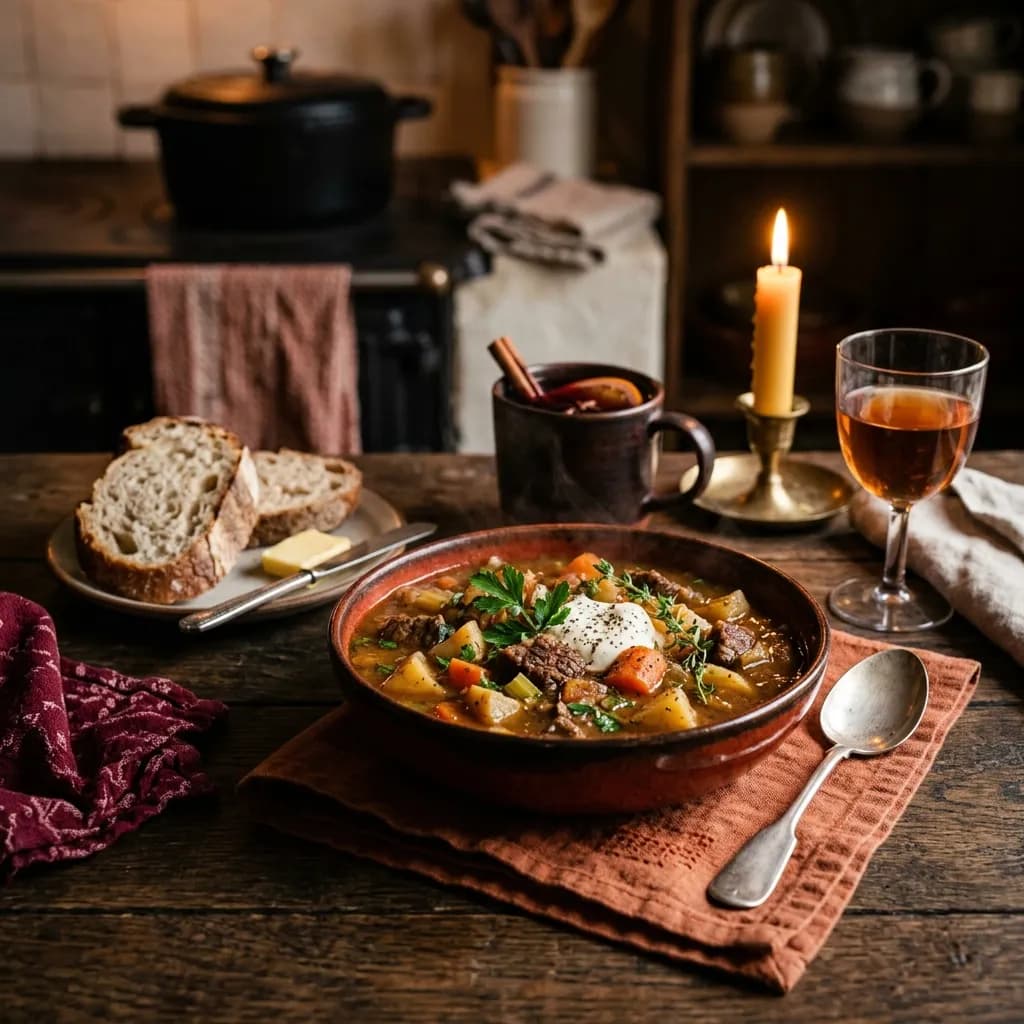
Vegetable Kitchari
This healthy Vegetable Kitchari recipe is a clean eating meal option rich in nutrients. Optimized for Vegan, Gluten-Free, Gut Health, Anti-Inflammatory, dinner and created by certified nutritionist Stewart Lucas, it is designed to fit seamlessly into a health-focused lifestyle.
Key Takeaways
- ✓Ready in just 45 mins using straightforward, kitchen-tested technique.
- ✓Delivers 18g of muscle-fueling protein per serving for lasting satiety.
- ✓Portion-balanced at 450 calories per serving with wholesome, unrefined ingredients.
- ✓Masterclass temperature checkpoints ensure maximum tenderness and flavor development.
The Story
This healthy Vegetable Kitchari recipe is a clean eating meal option rich in nutrients. Optimized for Vegan, Gluten-Free, Gut Health, Anti-Inflammatory, dinner and created by certified nutritionist Stewart Lucas, it is designed to fit seamlessly into a health-focused lifestyle.
Vegetable Kitchari: The Ultimate Comfort Bowl
Vegetable Kitchari is a traditional, one-pot Ayurvedic staple that balances basmati rice and yellow mung dal with aromatic spices. It is designed for easy digestion, rich in plant-based protein, and offers a warm, porridge-like texture that feels like a hug in a bowl. It is naturally gluten-free, vegan, and highly customizable.
Whenever my kitchen feels a bit chaotic or my digestion needs a gentle reset, I turn to Kitchari. It is one of the most humble yet profound dishes in my repertoire. There is something truly meditative about the process: rinsing the rice and lentils until the water runs crystal clear, hearing that first, sharp sizzle of cumin seeds hitting the hot coconut oil, and smelling the earthy, floral aroma of turmeric blooming in the pan.
This isn't just "food." It is a restorative experience. In many cultures, this combination of grains and legumes is considered the gold standard for gut health. By cooking the ingredients together until they soften into a unified, creamy harmony, you are essentially pre-digesting the food for your body, allowing you to absorb all that wonderful nutrition without working overtime.
The Ingredients
To capture the authentic, comforting essence of a traditional Kitchari, gather these ingredients. I always suggest sourcing the best quality basmati rice and split mung dal you can find; the quality of the pantry staples makes a world of difference.
- 1 cup organic basmati rice
- 1 cup yellow split mung dal
- 6 cups filtered water or low-sodium vegetable broth
- 2 cups fresh cauliflower florets, chopped small
- 1 cup diced organic carrots
- 1 tbsp virgin coconut oil
- 1 tsp whole cumin seeds
- 1 tsp fresh grated ginger
- 1/2 tsp ground turmeric powder
- A generous handful of fresh cilantro for garnish
- Sea salt to taste
The Method
1. The Ritual of Rinsing: Place your rice and mung dal in a fine-mesh strainer. Rinse under cold water for a good two minutes. Use your fingers to agitate the grains. You want the water to run completely clear to remove excess starch, which ensures your finished dish is creamy, not gummy.
2. Blooming the Aromatics: Heat your coconut oil in a heavy-bottomed pot or a Dutch oven over medium heat. Once it shimmers, add the cumin seeds. Listen for that rhythmic popping sound—it’s the sign that the essential oils are being released. Stir in your grated ginger and turmeric. The aroma should hit you instantly; it’s bold, bright, and deeply satisfying.
3. Toasting the Grains: Add the rinsed rice and dal to the pot. Stir them into the spices for about two minutes. You want every grain coated in that golden, ginger-infused oil. This "toasting" step adds a subtle nuttiness that takes the dish from simple to exceptional.
4. The Simmer: Stir in your cauliflower and carrots. Pour over the broth or water. Bring the mixture to a gentle boil, then turn the heat down to the lowest setting. Cover the pot with a tight-fitting lid.
5. Patience is Key: Let it simmer undisturbed for 30–35 minutes. When you lift the lid, you are looking for a soft, porridge-like consistency where the grains and beans have surrendered their shape into a cohesive, comforting texture. If it looks too thick, simply stir in a splash of hot water.
The Nutritional Science
The magic of Kitchari lies in the protein pairing. When you combine rice (a grain) with mung dal (a legume), you create a complete protein profile. This means you are getting all nine essential amino acids your body cannot produce on its own. Furthermore, yellow mung dal is recognized in holistic nutrition for being exceptionally easy for the human gut to break down compared to larger beans like chickpeas or kidney beans. The addition of turmeric provides curcumin, a potent anti-inflammatory compound that is most effectively absorbed when paired with the healthy fats found in coconut oil.
Stewart's Culinary Coaching Tips
If you really want to elevate the dish, finish your bowl with a squeeze of fresh lime juice and a generous drizzle of high-quality ghee (or olive oil, if you are strictly plant-based). The acid cuts through the richness, while the added fat brings a velvety mouthfeel that rounds out the savory profile. Also, don't be afraid to fold in a handful of fresh baby spinach at the very end—the residual heat will wilt it perfectly without turning it into mush.
Meal Prep and Storage
Kitchari is arguably better on the second day. As it sits, the spices continue to permeate the grains, and the flavors deepen. Store your leftovers in an airtight glass container in the refrigerator for up to four days.
When reheating, it will naturally thicken as the starch cools. Always add a few tablespoons of water or broth to the pan before warming it on the stove over low heat. If you’re freezing portions, leave a bit of headspace in your container, as the mixture will expand. It will keep beautifully in the freezer for up to one month. To reheat from frozen, let it thaw in the fridge overnight or use the defrost setting on your microwave, then finish in a pan with a little extra moisture.
Flavor Variations
The Garden Green
Swap cauliflower and carrots for diced zucchini and frozen peas. Add them during the last 10 minutes of cooking to maintain their vibrant color and texture.
The Protein Boost
For a heartier meal, fold in cubed firm tofu or pre-cooked chickpeas. If you consume animal products, a poached egg on top is a game-changer.
The Spice Infusion
If you enjoy heat, add a pinch of red chili flakes or a finely minced serrano pepper when you sauté the cumin seeds.
Vegetable Kitchari
This healthy Vegetable Kitchari recipe is a clean eating meal option rich in nutrients. Optimized for Vegan, Gluten-Free, Gut Health, Anti-Inflammatory, dinner and created by certified nutritionist Stewart Lucas, it is designed to fit seamlessly into a health-focused lifestyle.
Macro Nutrition Profile (Per Serving)
Ingredients
Ingredient Substitutions
| Original Ingredient | Healthy Alternative |
|---|---|
| Animal protein | Firm tofu, tempeh, or organic chickpeas |
| Cooking fat | Extra virgin olive oil or grass-fed butter |
Instructions
1. The Ritual of Rinsing: Place your rice and mung dal in a fine-mesh strainer. Rinse under cold water for a good two minutes. Use your fingers to agitate the grains. You want the water to run completely clear to remove excess starch, which ensures your finished dish is creamy, not gummy.
2. Blooming the Aromatics: Heat your coconut oil in a heavy-bottomed pot or a Dutch oven over medium heat. Once it shimmers, add the cumin seeds. Listen for that rhythmic popping sound—it’s the sign that the essential oils are being released. Stir in your grated ginger and turmeric. The aroma should hit you instantly; it’s bold, bright, and deeply satisfying.
3. Toasting the Grains: Add the rinsed rice and dal to the pot. Stir them into the spices for about two minutes. You want every grain coated in that golden, ginger-infused oil. This "toasting" step adds a subtle nuttiness that takes the dish from simple to exceptional.
4. The Simmer: Stir in your cauliflower and carrots. Pour over the broth or water. Bring the mixture to a gentle boil, then turn the heat down to the lowest setting. Cover the pot with a tight-fitting lid.
5. Patience is Key: Let it simmer undisturbed for 30–35 minutes. When you lift the lid, you are looking for a soft, porridge-like consistency where the grains and beans have surrendered their shape into a cohesive, comforting texture. If it looks too thick, simply stir in a splash of hot water.
Tried this recipe?
Let us know how it turned out! Click a star below to leave a review and rate the recipe.
Storage & Freezing Tips
- Refrigerator: Store leftovers in an airtight container for up to 3-4 days.
- Reheating: Heat in a saucepan or skillet on medium heat until hot throughout.
- Freezing: Freeze portions in airtight containers for up to 2 months. Reheat directly from frozen or after thawing.
Frequently Asked Questions
Can I use brown rice instead of basmati?▼
You can, but note that the cooking time will nearly double and the texture will be chewier rather than the traditional, soft, porridge-like consistency of Kitchari. If you choose brown rice, soak it for at least 4 hours beforehand to help with digestion.
What if I don't have yellow mung dal?▼
Red lentils are the best substitute. They cook at roughly the same rate as basmati rice and break down to a very similar, creamy texture. Avoid green or brown lentils, as they hold their shape too well and won't give you that signature Kitchari consistency.
Is this dish strictly a dinner meal?▼
Not at all! In my home, it’s a wonderful breakfast if you’re looking for a savory start to the day. It provides steady, slow-burning energy that prevents that mid-morning blood sugar crash. It is incredibly versatile.
Why is ginger used in this recipe?▼
Beyond the incredible warming flavor, ginger is a classic digestive aid. It helps stimulate the digestive enzymes, making this dish even easier to process, which is why this meal is so often recommended for those recovering from illness or looking for a light weeknight supper.
Tried this recipe?
Tag @stewartlucas on Instagram and hashtag it #nutriguide!
You Might Also Like


Stewart Lucas
Nutritionist & Recipe DeveloperStewart Lucas is a nutritionist and recipe developer representing the NutriGuide team. All recipes, nutritional values, and diet protocols published on this site are designed and audited by certified dietitians and clinical nutrition professionals to guarantee absolute accuracy.
Community Reviews
Please log in to leave a review.