7 Warning Signs Your Heart Needs More Omega-3
Learn the critical cardiovascular warning signs of omega-3 deficiency, from microcirculation issues to lipid panel red flags. Backed by clinical research.
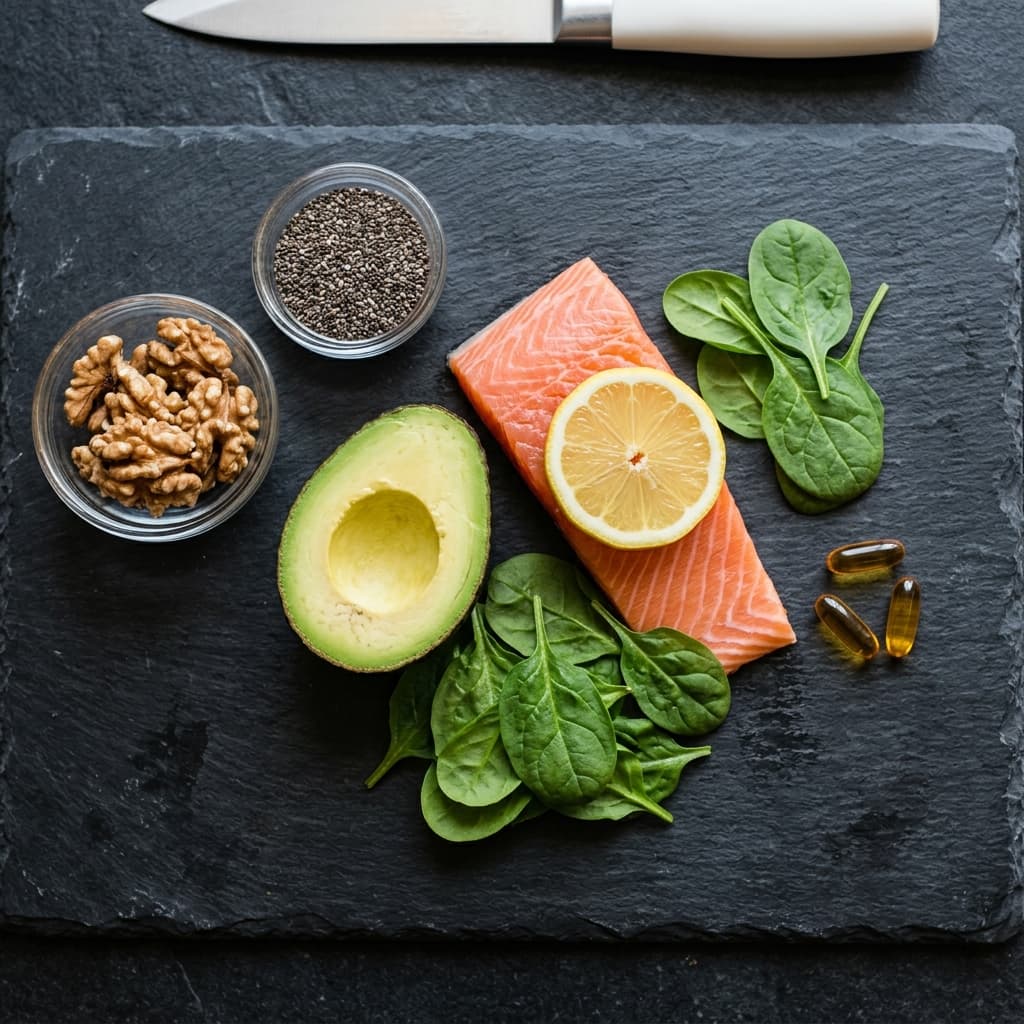
Learn the critical cardiovascular warning signs of omega-3 deficiency, from microcirculation issues to lipid panel red flags. Backed by clinical research.
Key Takeaways
- ✓Dry skin, brain fog, and joint stiffness can be early signs of omega-3 deficiency.
- ✓Wild salmon, mackerel, and sardines provide the most bioavailable EPA and DHA.
- ✓Aim for at least 1,000 mg of combined EPA and DHA daily for cardiovascular protection.
- ✓Plant-based ALA from flaxseed converts to EPA at only 5–8% efficiency — marine sources are far superior.
7 Warning Signs Your Heart Needs More Omega-3
Imagine your blood vessels as a smooth, elastic network of highways. In a healthy state, they dilate and contract effortlessly, adjusting to your heart's rhythm to deliver oxygenated blood to every cell. But behind the scenes, a subtle, silent deficiency could be stiffening those vessel walls, raising your blood pressure, and leaving your heart vulnerable. We are talking about essential Omega-3 fatty acids—specifically Eicosapentaenoic Acid (EPA) and Docosahexaenoic Acid (DHA). Because the human body cannot produce these long-chain polyunsaturated fatty acids in therapeutic quantities, it depends entirely on dietary intake. Yet, modern Western diets are heavily skewed toward Omega-6 fats, creating a severe nutritional imbalance. The heart rarely screams when it lacks Omega-3; instead, it sends quiet, persistent warnings. In this comprehensive guide, we will cut through the noise to explore the 7 clinical warning signs that your cardiovascular system is running low on Omega-3, the physiological science behind each sign, and a step-by-step blueprint to restore your levels.Introduction: The Silent Cardiovascular Nutrient Gap
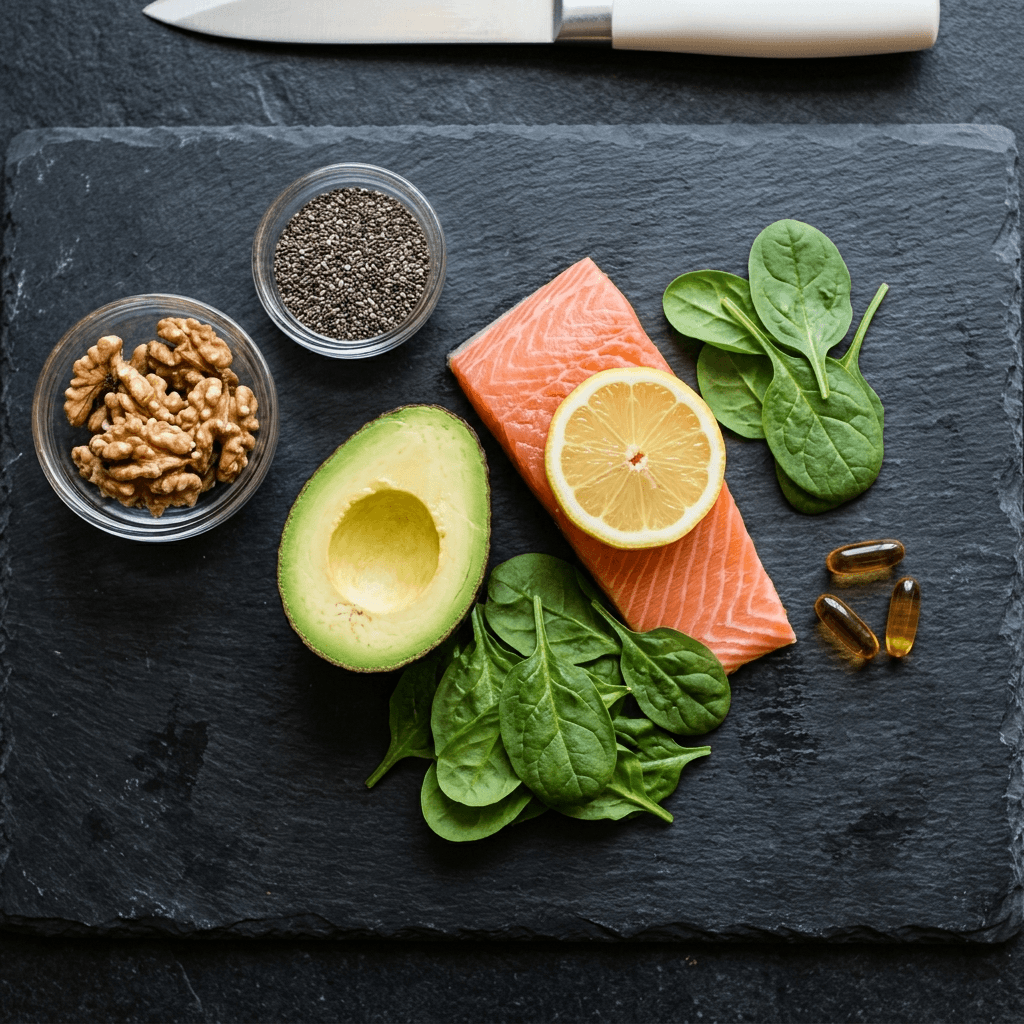
Explanation: EPA and DHA are incorporated directly into the phospholipid bilayer of every cell membrane in the body. In the heart, they maintain membrane fluidity, stabilize cardiac electrical conduction, and serve as precursors to anti-inflammatory signaling molecules. When your diet lacks these fats, cell membranes become rigid, pro-inflammatory pathways dominate, and cardiovascular compliance drops.Understanding the Heart-Omega-3 Connection
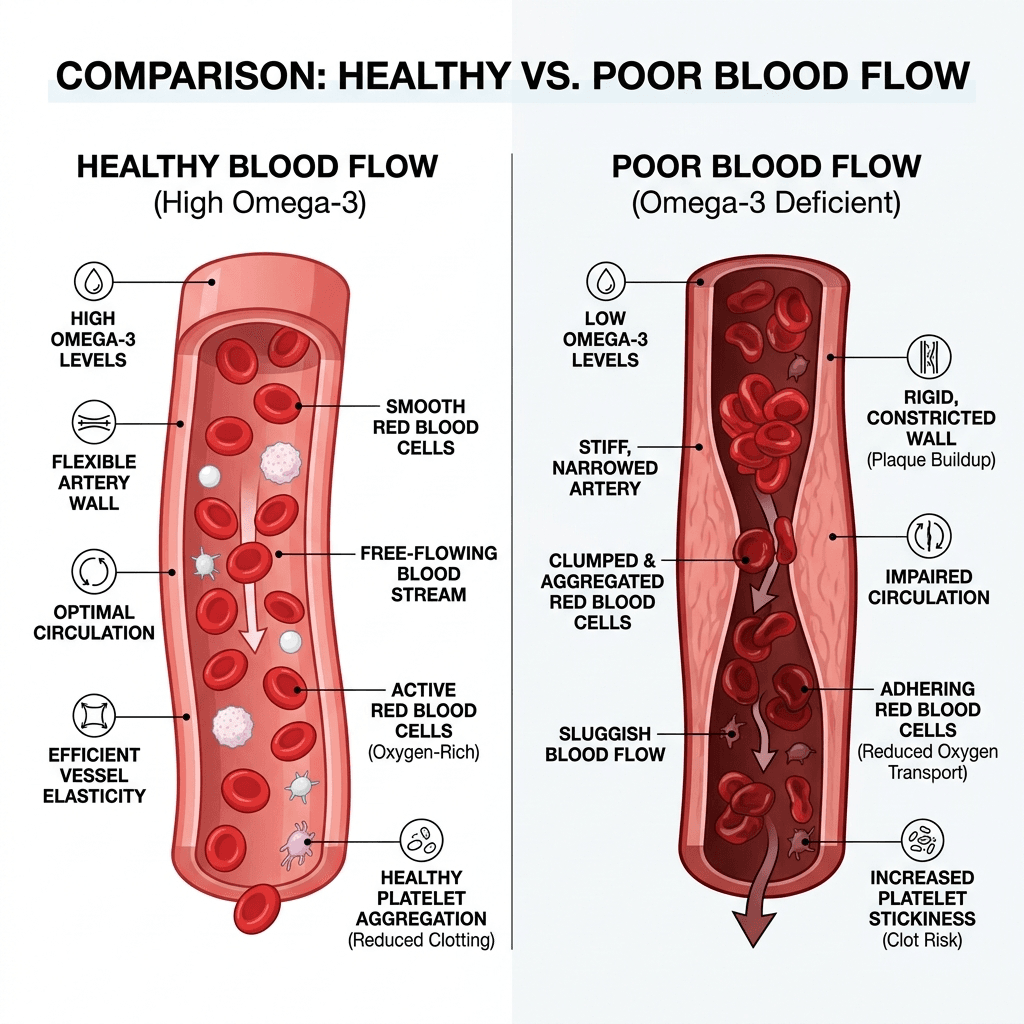
If your extremities are constantly cold, even in warm environments, your microcirculation may be compromised due to a lack of Omega-3. The Science: How It Affects Blood Flow: Omega-3 fatty acids are critical precursors for the production of endothelial nitric oxide (NO). Nitric oxide acts as a signal to the smooth muscle surrounding blood vessels, telling them to relax and dilate (vasodilation). When Omega-3 levels are depleted, nitric oxide production drops, leading to chronic vasoconstriction. This restricts blood flow to the tiny capillaries in your hands and feet. Statistic: Studies show that daily supplementation of high-dose EPA/DHA improves blood flow index by up to 20% by reducing endothelial shear stress.1. Cold Hands and Feet (Microvascular Constriction)
Myth: Cold hands and feet are always just a sign of poor weather or genetics.
Fact: Persistent coldness in extremities is frequently a functional indicator of endothelial dysfunction and impaired microcirculation, which can be improved with omega-3 fatty acids.
A heart that beats too fast or flutters unexpectedly may be struggling with electrical instability due to fatty acid depletion. The Science: Stabilizing the Rhythm: EPA and DHA stabilize the electrical activity of myocardial cells. They embed in cardiac membranes and directly modulate voltage-gated sodium and calcium channels. This acts as a natural buffer against erratic electrical signals, preventing premature ventricular contractions (PVCs) and keeping your resting heart rate low. Expert Insight: A resting heart rate consistently above 75-80 beats per minute (BPM) in otherwise healthy individuals can indicate a lack of parasympathetic tone, which Omega-3s help regulate.2. Elevated Resting Heart Rate & Palpitations
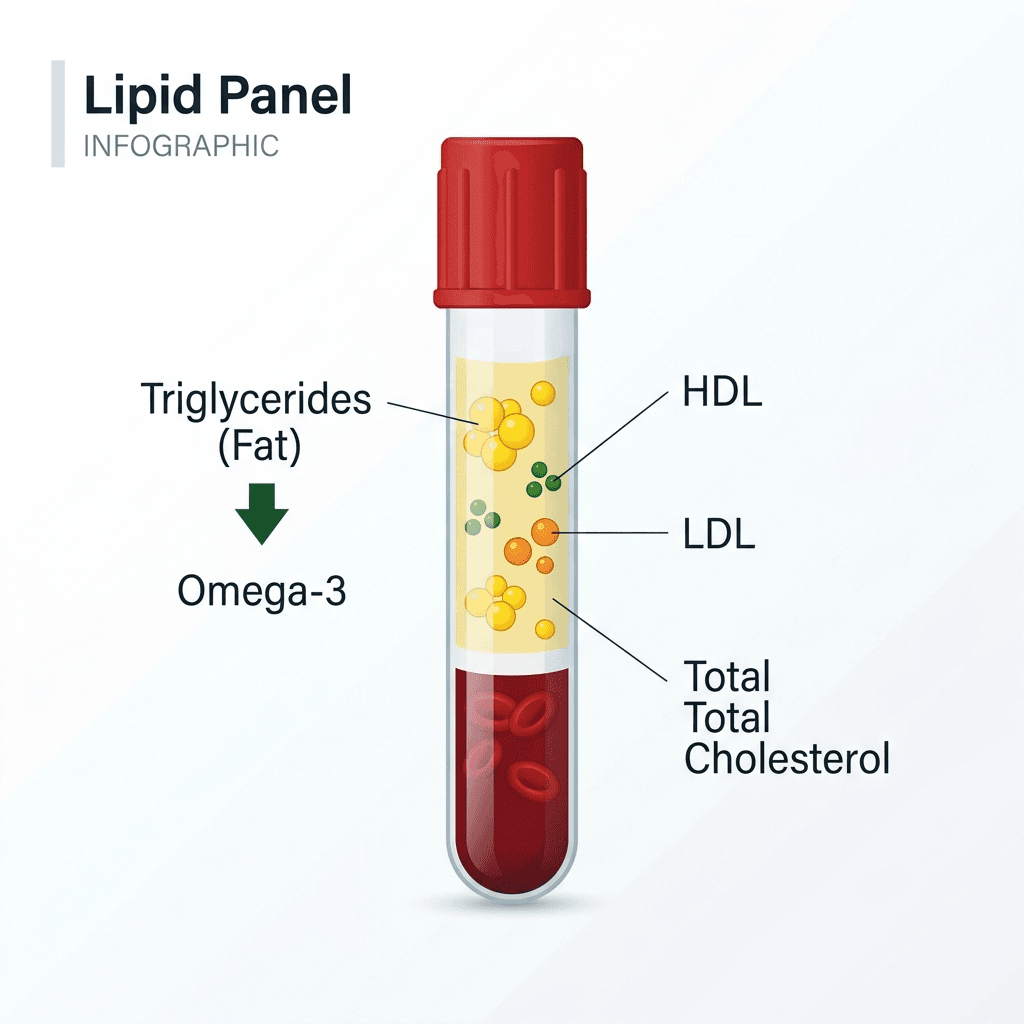
When you receive your cholesterol panel, a double-digit rise in triglycerides is one of the most reliable blood markers of a lack of Omega-3. The Science: Inhibiting Hepatic VLDL Production: Your liver converts excess carbohydrates and calories into triglycerides, package-shipping them out as VLDL particles. EPA and DHA actively inhibit two key enzymes in the liver responsible for fatty acid synthesis: diacylglycerol acyltransferase (DGAT) and phosphatidic acid phosphohydrolase. Without sufficient Omega-3, hepatic triglyceride synthesis goes unchecked, releasing excess fat into the bloodstream. Statistic: Clinical trials demonstrate that 2 to 4 grams of pure EPA/DHA daily can reduce serum triglyceride levels by 20% to 50%. Quick Win: If your blood triglycerides are borderline high (150-199 mg/dL), adding wild sardines or a high-quality fish oil supplement to your diet can often pull your levels back into the optimal range (<150 mg/dL) within 6-8 weeks.3. Creeping Triglyceride Levels on Your Lipid Panel
As arteries lose their flexibility, systolic blood pressure creeps upward. Omega-3 deficiency is a direct contributor to this vascular stiffening. The Science: Maintaining Membrane Deformability: Healthy arteries must expand with every pulse of blood ejected from the left ventricle. This elasticity depends on the structural fluidity of the endothelial cell membranes. Because polyunsaturated fatty acids have multiple double bonds, they remain highly flexible. When saturated or trans-fats replace Omega-3s in cell membranes, the arterial wall stiffens, causing the heart to pump against higher resistance. Statistic: A meta-analysis published in the Journal of the American Heart Association found that 3 grams of EPA/DHA daily lowers systolic blood pressure by an average of 4.5 mmHg in hypertensive individuals.4. Rising Systolic Blood Pressure and Arterial Stiffness
5. Elevated hs-CRP (Chronic Low-Grade Systemic Inflammation)
Atherosclerosis is fundamentally an inflammatory disease. A lack of Omega-3 leaves your vascular lining in a persistent state of low-grade inflammation.
The Science: Resolving the Inflammatory Response: When blood vessels experience injury, the body triggers an inflammatory response. EPA and DHA serve as the sole substrates for the synthesis of Specialized Pro-Resolving Mediators (SPMs), known as Resolvins and Protectins. These molecules actively resolve inflammation, clearing cellular debris and stabilizing vulnerable arterial plaques.
Case Study Insight: In patients with elevated hs-CRP, supplementation with purified EPA led to a significant reduction in arterial plaque volume and stabilized the thin fibrous caps covering vulnerable plaques, preventing ruptures.
6. Rapid Fatigue and Poor Exertion Recovery
If you find yourself running out of breath during activities that used to feel easy, the culprit could be cellular oxygenation.
The Science: Red Blood Cell Flexibility: To deliver oxygen to working muscles and the myocardium, red blood cells (RBCs) must squeeze through capillaries that are narrower than the cells themselves. RBC membranes rich in Omega-3 are highly deformable, allowing them to stretch and pass through smoothly. Omega-3 deficient membranes are rigid, which limits microvascular blood flow and restricts oxygen delivery during physical exertion.
• Heavy legs or rapid breathing during moderate stair climbing
• Slower than normal recovery of resting heart rate after exertion
• Cold sweat or mild chest heaviness during cardiorespiratory activities
• Persistent physical lethargy despite adequate sleep
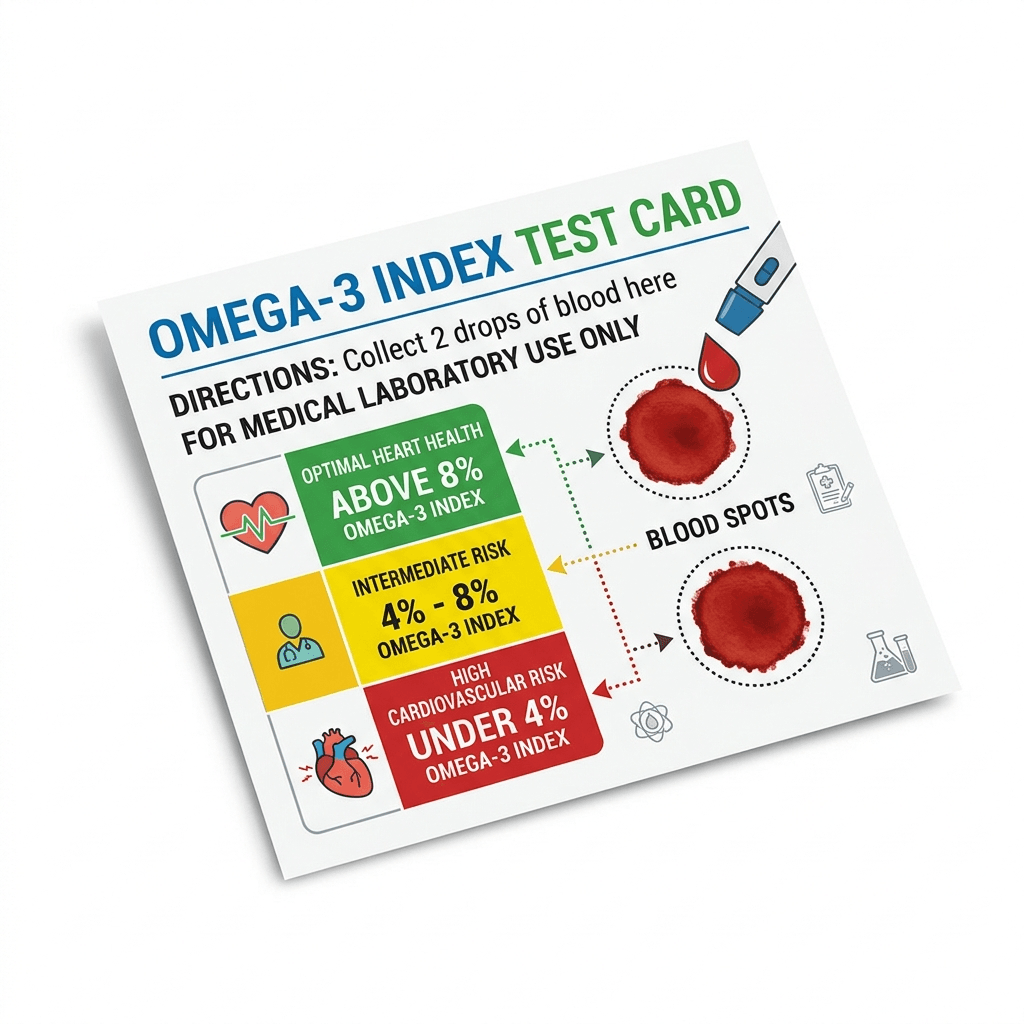
7. An Omega-3 Index Below 4% (The Silent Risk)
The most definitive warning sign is one you cannot feel, but can easily measure: your clinical Omega-3 Index.
The Science: Diagnostic RBC Biomarker: The Omega-3 Index measures the concentration of EPA and DHA in the membranes of your red blood cells, expressed as a percentage of total fatty acids. It reflects your long-term tissue intake over the past 120 days.
- High Risk (Under 4%): Associated with a high risk of sudden cardiac death and rapid progression of coronary artery disease.
- Intermediate Risk (4% to 8%): Average risk, common in most Western countries.
- Optimal Range (Above 8%): Linked to maximum cardiovascular protection and optimal blood vessel flexibility.
If you display one or more of these warning signs, follow this step-by-step protocol to restore your cardiovascular fatty acid balance:Dietary Blueprint: How to Restore Your Omega-3 Levels
│
▼
Step 2: Consume Cold-Water Fatty Fish (Salmon, sardines, or mackerel 3x per week)
│
▼
Step 3: Add Plant-Based ALA Precursors (Freshly ground flaxseeds, chia, walnuts)
│
▼
Step 4: Supplement Strategically (High-quality, third-party tested EPA/DHA oil)
Step 1: Establish Your Baseline
Order an Omega-3 Index test through your primary physician or a reputable home testing kit. Target an initial baseline percentage to track progress.
Step 2: Eat Small, Wild Cold-Water Fish
Focus on small, wild-caught fatty fish (sardines, anchovies, mackerel, wild salmon). These are low in heavy metals and provide pre-formed EPA and DHA in their natural triglyceride form.
Step 3: Integrate Plant-Based ALA Precursors
Add 2 tablespoons of freshly ground flaxseed or chia seeds to your daily diet. Note that the conversion rate of plant-based ALA to active EPA/DHA is low (typically under 5-10%), so this must support, not replace, marine sources.
Step 4: Supplement with Purified EPA/DHA
If you cannot meet targets through diet, choose a premium, molecularly distilled fish oil or algal oil supplement providing a minimum of 1,000 mg of combined EPA and DHA daily.
Comparison: Fish Oil Supplements vs. Whole Seafood
Factor Whole Seafood (e.g., Sardines, Salmon) Fish Oil / Algal Oil Supplements EPA/DHA Form Natural triglycerides (highly bioavailable) Ethyl esters or re-esterified triglycerides Additional Nutrients Selenium, Vitamin D, high-quality protein, calcium None (pure fatty acids) Heavy Metal Risk Minimal in small fish; higher in large fish (tuna, swordfish) Zero (molecular distillation filters impurities) Convenience Requires preparation and cooking High; shelf-stable and easy to consume Cost Per Gram Higher Lower
To explore further resources on NutriGuide, consider reading these related guides:Internal Linking Suggestions
This guide is built on findings from the following peer-reviewed studies and cardiovascular institutions:External Authority References
Protecting your cardiovascular system is a long-term commitment. A deficiency in Omega-3 fatty acids is a silent but addressable driver of arterial stiffness, lipid imbalances, and electrical instability in the heart. By recognizing the warning signs—from cold extremities to creeping triglycerides—you can take control of your vascular health. Your 30-Day Action Plan:Conclusion and Action Plan
Frequently Asked Questions
Can you check Omega-3 levels with a standard blood test?▼
A standard lipid panel does not measure your Omega-3 levels. You must request a specific Omega-3 Index Test, which measures the concentration of EPA and DHA inside your red blood cell membranes, representing your tissue levels over the previous 4 months.
How long does it take to correct an Omega-3 deficiency?▼
It typically takes 6 to 12 weeks of consistent dietary changes or targeted supplementation to see a significant rise in your Omega-3 Index. Cell membrane turnover is gradual, so consistency is critical to vascular remodeling.
Can Omega-3 clear blocked arteries?▼
Omega-3 fatty acids do not physically clear calcified arterial plaque. However, they reduce systemic vascular inflammation, decrease circulating triglycerides, and help stabilize the soft, vulnerable plaques that pose the highest risk of rupture.
What is the difference between EPA and DHA?▼
EPA (Eicosapentaenoic Acid) primarily regulates vascular inflammation, lowers triglycerides, and supports endothelial function. DHA (Docosahexaenoic Acid) is heavily concentrated in the brain and retina, supporting cognitive function and heart muscle electrical stability.
What are the side effects of taking too much fish oil?▼
Extremely high doses of fish oil (typically over 4-5 grams daily) can increase the risk of bleeding, cause mild acid reflux or a fishy aftertaste, and potentially elevate the risk of atrial fibrillation in susceptible individuals. Always follow clinical guidance.
Can I get enough Omega-3 from flaxseed and chia seeds?▼
While flaxseed and chia seeds are excellent sources of plant-based ALA, your body must convert ALA into the active cardiovascular forms, EPA and DHA. The conversion rate is very low (under 5%), making marine or algal sources necessary for optimal heart health.
Does cooking fish destroy its Omega-3 content?▼
Gentle cooking methods like baking, poaching, or light pan-searing preserve the delicate double bonds of Omega-3 fats. Avoid deep-frying at high heat, which oxidizes these sensitive polyunsaturated fats, turning them into inflammatory compounds.
Is krill oil better than standard fish oil?▼
Krill oil carries its EPA and DHA bound to phospholipids rather than triglycerides. Some clinical trials suggest this phospholipid structure improves absorption efficiency, meaning you may require a lower dose to achieve the same tissue levels.

Stewart Lucas
Nutritionist & Recipe DeveloperStewart Lucas is a nutritionist and recipe developer representing the NutriGuide team. All articles, dietary guidelines, and meal plans published on this site are designed and audited by certified dietitians and clinical nutrition professionals to guarantee absolute accuracy.
Explore More




Community Reviews
Please log in to leave a review.