High-Protein Vegetarian Cooking: 12 Easy Ways to Build Flavor-Packed Meals
Imagine plates bursting with color, vibrant flavors, and sustaining energy. You've heard the whispers: 'Where do vegetarians get their protein?' It's time to silence doubt and build meals that truly nourish, every single day.
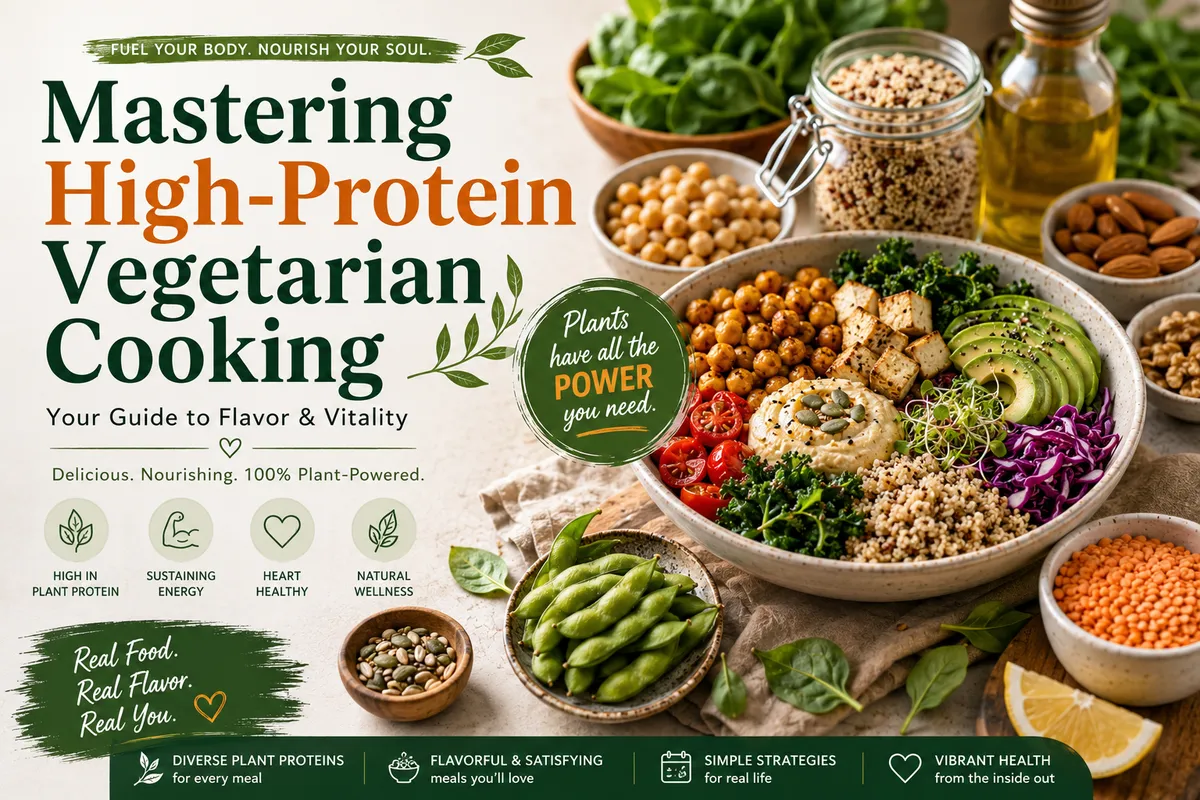
Imagine plates bursting with color, vibrant flavors, and sustaining energy. You've heard the whispers: 'Where do vegetarians get their protein?' It's time to silence doubt and build meals that truly nourish, every single day.
Key Takeaways
- ✓Evidence-based guidance on high protein vegetarian meals for long-term health.
- ✓Evidence-based guidance on high protein vegetarian recipes for long-term health.
- ✓Evidence-based guidance on plant based protein for long-term health.
- ✓Evidence-based guidance on vegetarian protein sources for long-term health.
- Embrace a diverse array of whole plant based protein options.
- Combine different protein sources for a complete amino acid profile.
- Build flavor and texture through intentional layering.
- Simplify your routine with smart meal planning and prep.
- View vegetarian cooking as an empowering, vibrant culinary journey.
Imagine plates bursting with color, vibrant flavors, and sustaining energy. You've heard the whispers: 'Where do vegetarians get their protein?' It's time to silence doubt, identify the best vegetarian protein sources, and build meals that truly nourish, every single day. Exploring creative high protein vegetarian recipes and adopting a lifestyle centered around protein rich vegetarian foods is the ultimate blueprint for vitality.
The Foundation: Understanding Vegetarian Protein
Building a high protein vegetarian diet starts with knowledge. It's not about scarcity; it's about smart choices and abundant possibilities.
Beyond the Bean: Diverse Sources
Expand your view. Lentils, chickpeas, tofu, tempeh, and edamame are just the beginning. Think seeds, nuts, whole grains, and even protein-rich vegetables like peas and spinach. Variety is your key.
The Power of Combination: Complete Proteins
Plant proteins offer diverse amino acid profiles. Combine them throughout your day. Lentils with rice, peanut butter on whole-wheat toast. This simple synergy ensures you receive all essential building blocks for optimal health.
"Cooking is an act of self-care. When you truly understand your ingredients, you unlock boundless potential. High protein vegetarian meals aren't a compromise; they are a celebration of plant-powered vitality." – Stewart Lucas, NutriGuide
Smart Sourcing: Building Your Pantry
A well-stocked pantry is your secret weapon. It allows for spontaneous, nourishing creations and makes healthy eating effortless.
Grains with Grit: Quinoa, Amaranth, Buckwheat
Quinoa stands out, a complete protein by itself. Amaranth, buckwheat, and farro also add substantial protein and a delightful chew to your bowls and salads. They are foundational elements.
Legumes: The Versatile Core
Black beans, cannellini, kidney beans, chickpeas, and lentils. Affordable, fiber-rich, and incredibly versatile. Use them in soups, stews, vibrant salads, or creamy spreads. Their uses are truly endless.
Nuts, Seeds & Fungi: Flavor and Function
Almonds, walnuts, chia seeds, hemp seeds, flax seeds. They add healthy fats, fiber, and concentrated protein. Nutritional yeast offers a cheesy flavor and essential B vitamins. Mushrooms, while not high in protein, contribute significant umami depth.
Dairy & Eggs: For Lacto-Ovo Options
For those including them, Greek yogurt, cottage cheese, and eggs are protein powerhouses. They blend seamlessly into many vegetarian dishes, boosting nutritional value and offering satiety.
Flavor & Function: Crafting Delicious Meals
High-protein vegetarian dishes are far from bland. They are vibrant, satisfying, and deeply flavorful. It's about culinary artistry.
Layering for Depth
Think beyond a single ingredient. Sautéed garlic and onions, toasted spices, fresh herbs, a squeeze of citrus. Build flavor from the ground up, creating a complex tapestry for your palate.
Texture Play
Creamy beans, crunchy nuts, chewy grains, crisp vegetables. Contrast adds excitement and satisfaction to every single bite. It transforms a simple meal into an experience.
Strategic Spicing
Don't shy away from your spice rack. Cumin, coriander, smoked paprika, turmeric. Each adds a distinct voice, transforming simple ingredients into complex, memorable dishes. Spices are your allies.
The American Journal of Clinical Nutrition highlights that a well-planned vegetarian diet can easily meet protein requirements for adults. Focus on variety and caloric adequacy for optimal health outcomes.
Practical Strategies for Daily Success
Consistency is key. Simplify your routine without sacrificing nutrition or taste. Smart planning empowers your daily choices.
Meal Prep Mastery
Dedicate a few hours each week. Integrating meal prep into your weekly routine saves precious time and ensures healthy options are always at your fingertips. Cook a batch of quinoa, roast some chickpeas, and chop an assortment of vegetables.
Smart Snacking
Keep protein-rich snacks readily at hand. Edamame, a handful of almonds, hummus with veggie sticks, a hard-boiled egg. These curb hunger, maintain steady energy levels, and prevent unhealthy choices.
The Art of the Balanced Plate
Visually, aim for variety. Half your plate with vibrant vegetables, a quarter with hearty whole grains, and a quarter with a primary protein source. Add healthy fats like avocado or a drizzle of olive oil for satiety and nutrient absorption.
Frequently Asked Questions
Can vegetarians get enough protein without supplements?▼
Yes, absolutely. A well-planned vegetarian diet, rich in diverse whole foods, provides all necessary protein for adults and even athletes. You can create simple and healthy vegetarian recipes using whole food staples.
What are the best complete plant proteins?▼
Quinoa, soy products (tofu, tempeh, edamame), and buckwheat are complete plant proteins. Combining other plant proteins, like beans and rice, also creates a complete profile.
How can I make my vegetarian meals more filling?▼
Increase fiber and healthy fats from whole grains, legumes, nuts, seeds, and avocados. Ensuring adequate protein intake also significantly contributes to satiety.
Is protein powder necessary for vegetarian athletes?▼
For most vegetarian athletes, a well-planned diet is sufficient. Consider supplements only if consistent dietary intake struggles to meet very high protein demands, and always consult a nutritionist.

Stewart Lucas
Nutritionist & Recipe DeveloperStewart Lucas is a nutritionist and recipe developer representing the NutriGuide team. All articles, dietary guidelines, and meal plans published on this site are designed and audited by certified dietitians and clinical nutrition professionals to guarantee absolute accuracy.
Explore More


Community Reviews
Please log in to leave a review.