Top 10 Foods That Unclog Arteries Naturally
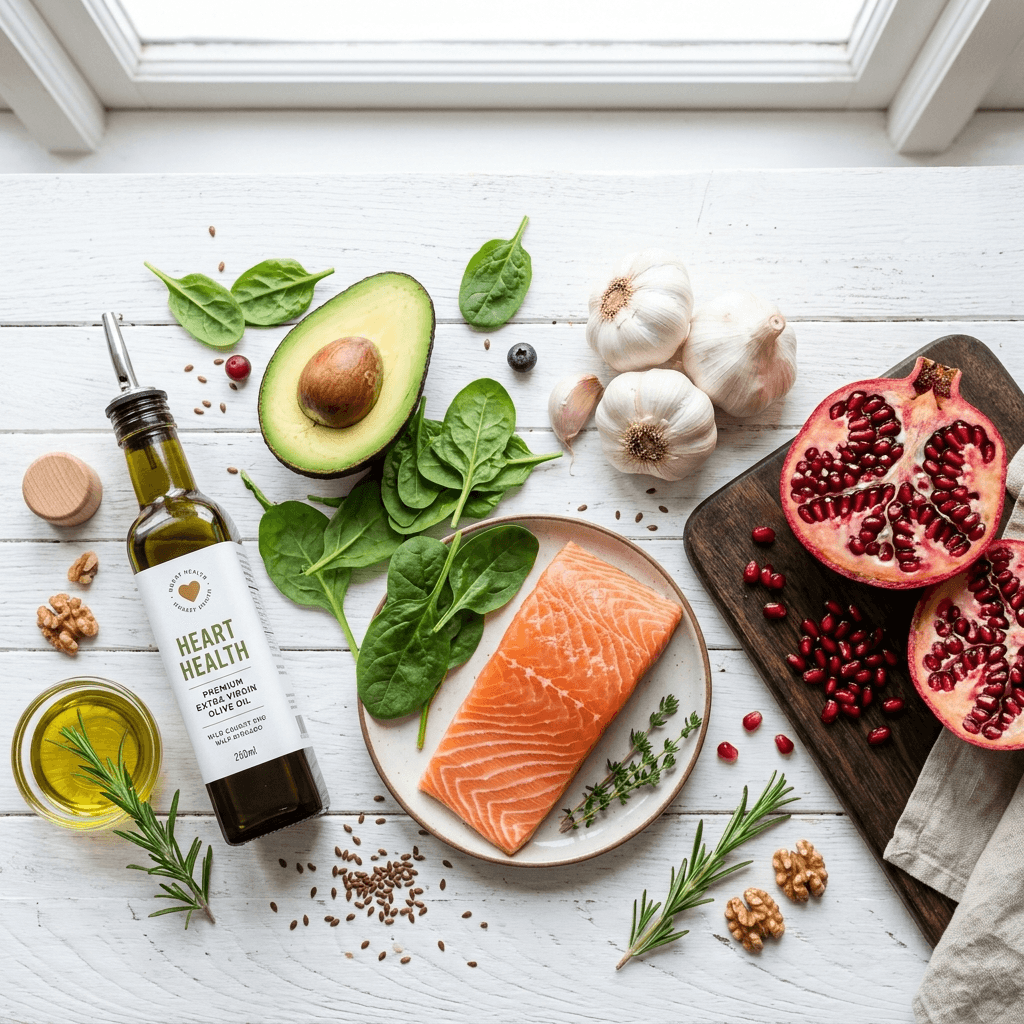
Can food clean your arteries? Discover the top 10 evidence-backed foods that stabilize vascular plaque, clear LDL cholesterol, and improve arterial elasticity.
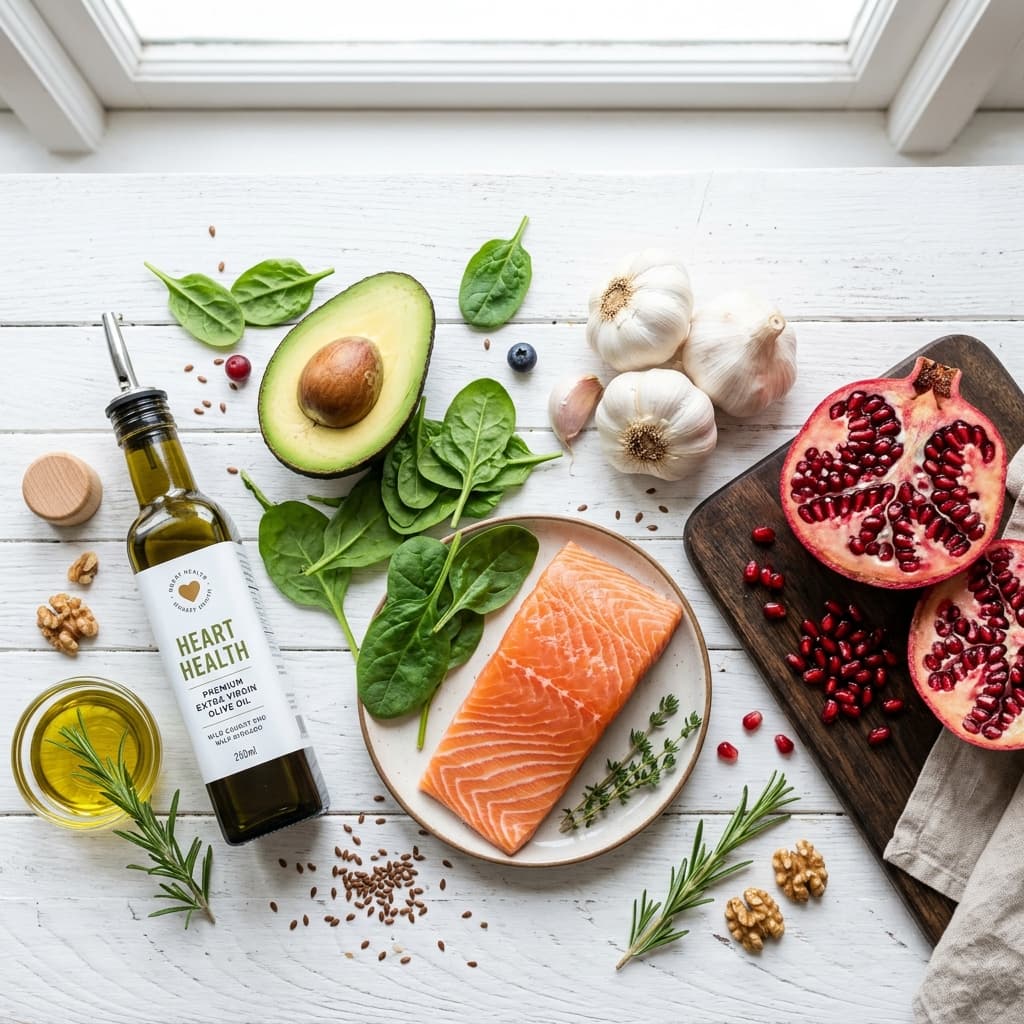
Can food clean your arteries? Discover the top 10 evidence-backed foods that stabilize vascular plaque, clear LDL cholesterol, and improve arterial elasticity.
Key Takeaways
- ✓No food literally 'unclogs' calcified arteries — but 10 specific foods halt plaque progression and restore arterial flexibility.
- ✓Oat beta-glucan reduces LDL cholesterol by 5–10% within 6 weeks of daily consumption.
- ✓Pomegranate juice reduced carotid artery plaque by 30% over 12 months in a clinical trial.
- ✓Omega-3 fats from wild salmon physically strengthen the fibrous cap covering unstable plaques.
Top 10 Foods That Unclog Arteries Naturally
Imagine your circulatory system as a vast network of highways. When these highways are clear, traffic flows smoothly, delivering vital oxygen and nutrients to every organ in your body. But over time, silent blockages can build up. This buildup, known as arterial plaque, is the primary driver of cardiovascular disease—the leading cause of mortality worldwide. The internet is full of articles promising to "unclog" your arteries overnight with simple kitchen ingredients. But can you actually dissolve arterial plaque once it has formed? To answer this honestly: you cannot scrub your arteries clean like a dirty pipe. Once calcified plaque forms, it is structurally integrated into the arterial wall. However, modern cardiovascular science reveals something even better: you can halt plaque progression, stabilize dangerous soft plaque to prevent heart attacks, and drastically improve your arterial elasticity (endothelial function) through targeted nutrition. In this guide, we will cut through the marketing fluff and explore the top 10 foods that science proves can naturally protect, stabilize, and support your arteries.Introduction: The Truth About "Unclogging" Your Arteries
If you're searching for an immediate artery plaque removal food or a list of foods to unclog arteries fast, it is crucial to establish expectations based on clinical reality. No food acts like a drain cleaner to wash away decades of calcified buildup in a few days. However, certain foods are highly effective at slowing down plaque growth, keeping existing plaques stable, and restoring arterial flexibility. When people search for the best food to clear blocked arteries, they're looking for a practical, evidence-based answer. The honest truth is nuanced: no single food can dissolve hardened arterial plaque overnight. However, decades of cardiovascular research have identified specific nutrients that halt plaque progression, stabilize vulnerable lesions, and restore the elasticity of your blood vessels. The foods listed in this guide work through three proven biological mechanisms: Think of it this way: you cannot undo decades of damage in a week, but you can create an internal environment where your arteries stop getting worse and start functioning better.Can You Really Clean Arteries with Food?
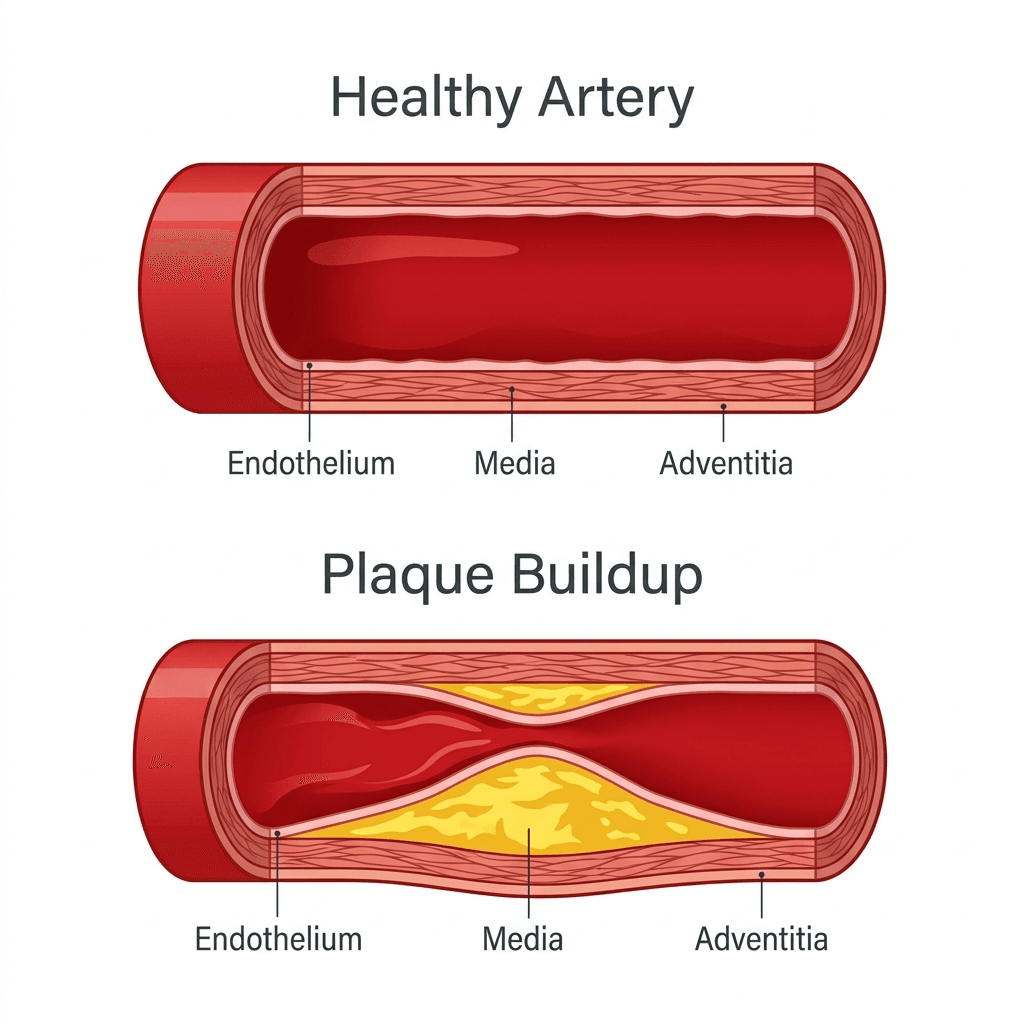
To understand how foods help, we must first understand the enemy. The process begins not with cholesterol, but with endothelial injury. The endothelium is the single-cell layer lining your blood vessels. When high blood pressure, chronic inflammation, smoking, or elevated blood sugar damages this layer, it becomes sticky. Low-Density Lipoprotein (LDL) cholesterol penetrates the damaged vessel wall and becomes oxidized. Your immune system reacts by sending white blood cells (macrophages) to consume the oxidized LDL. These cells become bloated with fat, transforming into foam cells. Over decades, these foam cells accumulate, forming a fatty streak that eventually calcifies into a hardened plaque.Understanding Atherosclerosis: How Arteries Get Blocked
The Role of Plaque Stability
Not all plaques are created equal. Hard, calcified plaques are stable and rarely rupture, though they limit blood flow. The real danger lies in soft, vulnerable plaques covered by a thin fibrous cap. If this cap ruptures, it triggers a rapid blood clot that can cause a heart attack or stroke.
The foods listed below target this exact process—reducing LDL oxidation, lowering arterial inflammation, and helping to stabilize the fibrous cap over existing plaques.
The Top 10 Foods to Unclog Arteries Naturally
1. Oats and Barley (Beta-Glucan Powerhouses)
Oats and barley are among the most effective functional foods for reducing circulating cholesterol. Their primary active compound is beta-glucan, a highly viscous, soluble fiber.
The Science: How It Protects Arteries: When you consume beta-glucan, it forms a thick gel in your digestive tract. This gel binds to bile acids (which are rich in cholesterol) and carries them out of the body through excretion. To replace these lost bile acids, your liver is forced to pull LDL cholesterol directly from your bloodstream, effectively lowering your circulating LDL levels.
Statistic: A meta-analysis published in The American Journal of Clinical Nutrition found that consuming ≥3 grams of oat beta-glucan daily reduces total cholesterol and LDL cholesterol by 5% to 10%.
2. Garlic (The Natural Vasodilator)
For thousands of years, garlic (Allium sativum) has been used as a remedy for cardiovascular ailments. Its modern therapeutic value is linked to sulfur-containing compounds, primarily allicin.
The Science: How It Protects Arteries: Allicin is released when garlic is crushed, chopped, or chewed. Once consumed, it interacts with red blood cells to produce hydrogen sulfide (H₂S), a powerful signaling molecule that relaxes blood vessels and promotes vasodilation (widening of the arteries). This significantly reduces shear stress on the endothelial lining, preventing the initial damage that leads to plaque formation.
Plausible Mechanism: Garlic also inhibits HMG-CoA reductase, the enzyme responsible for cholesterol synthesis in the liver—functioning similarly to a mild, natural statin.
Common Mistake to Avoid: Cooking garlic immediately after cutting: Heat destroys the alliinase enzyme required to produce allicin.
The Fix: Crush or chop garlic and let it sit on the cutting board for 10 minutes before introducing it to heat. This allows the enzymatic reaction to fully complete.
3. Pomegranates (The Nitric Oxide Booster)
Pomegranates contain an exceptionally high concentration of unique antioxidants known as punicalagins and anthocyanins.
The Science: How It Protects Arteries: The active compounds in pomegranate juice directly stimulate the activity of endothelial nitric oxide synthase (eNOS). This enzyme is responsible for producing nitric oxide (NO), a gas that tells the smooth muscle cells of your blood vessels to relax, widening the artery and improving blood flow. Nitric oxide also acts as a natural shield, preventing platelets and white blood cells from sticking to the arterial walls.
Case Study Insight: A landmark clinical trial published in the journal Clinical Nutrition followed patients with severe carotid artery stenosis (clogged neck arteries) who consumed pomegranate juice daily for one year. The researchers observed a 30% reduction in carotid intima-media thickness (plaque size), whereas the control group experienced a 9% increase in plaque.
4. Fatty Fish (The Omega-3 Plaque Stabilizer)
Cold-water fatty fish—such as wild salmon, mackerel, sardines, and anchovies—are the premier dietary sources of the long-chain omega-3 fatty acids EPA (eicosapentaenoic acid) and DHA (docosahexaenoic acid).
The Science: How It Protects Arteries: EPA and DHA alter the composition of cell membranes, reducing the production of pro-inflammatory signaling proteins (cytokines). Crucially, clinical trials show that high levels of EPA incorporate directly into existing arterial plaques, strengthening the fibrous cap and making the plaque far less likely to rupture.
Pros & Cons of Wild Salmon vs. Farmed Salmon:
- Wild Salmon (Pro): Higher mineral content, lower levels of chemical contaminants, optimal omega-3 to omega-6 ratio.
- Farmed Salmon (Con): Can be higher in saturated fats and environmental toxins if not sourced from high-quality, sustainable closed-loop farms.
5. Avocados (The Potassium & MUFA Shield)
Avocados are unique because they are high in heart-healthy monounsaturated fatty acids (MUFAs), specifically oleic acid, along with essential minerals like potassium.
The Science: How It Protects Arteries: Oleic acid helps reduce systemic inflammation and protects LDL cholesterol from becoming oxidized. Additionally, one medium avocado provides roughly 20% of your daily value of potassium. Potassium regulates intracellular fluid balance and directly counteracts the arterial stiffening effects of excess dietary sodium.
Quick Win: Swap out processed mayonnaise or seed-oil-based spreads on sandwiches for mashed fresh avocado seasoned with lemon juice and a pinch of black pepper.
Blueberries, blackberries, raspberries, and strawberries are packed with anthocyanins—the pigments responsible for their deep red, blue, and purple colors. The Science: How It Protects Arteries: Anthocyanins are potent anti-inflammatory compounds that target vascular cell adhesion molecule-1 (VCAM-1). VCAM-1 is the "glue" that allows white blood cells to stick to the endothelium and form plaque. By downregulating this protein, berries prevent white blood cells from infiltrating the arterial wall. Statistic: A study published in Circulation tracking over 93,000 women found that those who ate more than three servings of blueberries and strawberries per week had a 32% lower risk of suffering a heart attack compared to those who rarely ate them.6. Berries (Anthocyanin Anti-Inflammatories)
7. Leafy Greens (Dietary Nitrates for Elasticity)
Leafy green vegetables like spinach, kale, arugula, Swiss chard, and collard greens are the richest dietary sources of inorganic nitrates.
The Science: How It Protects Arteries: Unlike the harmful synthetic nitrates found in processed meats, natural dietary nitrates are converted by salivary bacteria and stomach acids into active nitric oxide. This pathway works independently of the endothelial eNOS enzyme, making greens incredibly effective for individuals who already have early-stage endothelial dysfunction.
Expert Tip: Do not use antibacterial mouthwash immediately after eating leafy greens. The chlorhexidine in mouthwash kills the beneficial oral bacteria required to convert dietary nitrates into nitric oxide, neutralizing the blood-pressure-lowering benefits of your meal.
8. Nuts (L-Arginine and Vitamin E Protectors)
Nuts—especially walnuts, almonds, and pistachios—are dense packages of heart-healthy unsaturated fats, plant sterols, L-arginine, and vitamin E.
The Science: How It Protects Arteries:
- L-Arginine: An amino acid that serves as the direct chemical precursor for nitric oxide synthesis.
- Vitamin E: A lipid-soluble antioxidant that embeds itself within LDL cholesterol particles, preventing free radicals from oxidizing them as they circulate in the blood.
- Walnut Superiority: Walnuts contain significantly more alpha-linolenic acid (ALA), the plant-based omega-3 precursor, than any other nut.
9. Extra Virgin Olive Oil (The Polyphenol Standard)
Extra Virgin Olive Oil (EVOO) is the cornerstone of the Mediterranean diet. It is characterized by high levels of monounsaturated fats and active biophenols like hydroxytyrosol and oleocanthal.
The Science: How It Protects Arteries: EVOO's polyphenols act as natural antioxidants that protect the lipid membranes of blood cells. They also stimulate the expression of Paraoxonase 1 (PON1), an enzyme associated with High-Density Lipoprotein (HDL) that actively destroys oxidized lipids within arterial walls.
How to Buy Real EVOO:
- Look for a harvest date: Real olive oil degrades over time. Ensure the bottle lists a harvest date within the last 12-18 months.
- Choose dark glass bottles: Light destroys the delicate polyphenols. Avoid clear glass or plastic bottles.
- Look for certifications: Check for seals like PDO (Protected Designation of Origin) or COOC (California Olive Oil Council).
10. Turmeric (The Curcumin Inflammation Crusher)
Turmeric is a vibrant yellow root containing the active pharmacological polyphenol curcumin.
The Science: How It Protects Arteries: Atherosclerosis is fundamentally an inflammatory disease. Curcumin is a natural inhibitor of NF-kB, a primary molecular switch that turns on inflammatory genes within the vascular system. By keeping NF-kB turned off, curcumin prevents the chronic vascular inflammation that destabilizes arterial plaques.
The Absorption Hack: Curcumin has very low natural bioavailability. Always consume turmeric with a pinch of black pepper (which contains piperine, increasing curcumin absorption by up to 2,000%) and a source of healthy fat, like extra virgin olive oil. For a delicious way to use turmeric with black pepper and healthy fat, try our Golden Turmeric Scrambled Tofu.
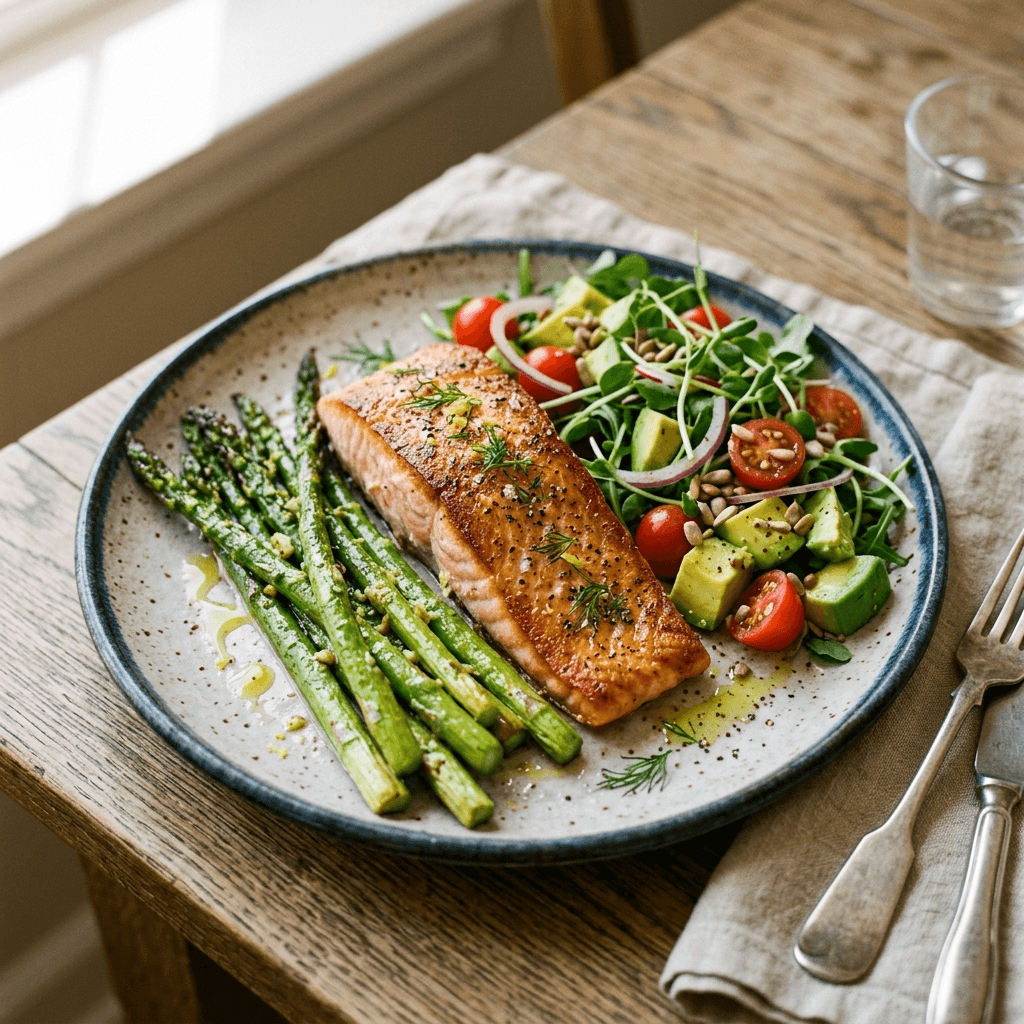
Below is a detailed analysis of the biological mechanisms and practical applications of these foods:Comparing the Top Arterial Health Foods
Food Primary Compound Primary Mechanism Best Culinary Pairings Daily Target Oats & Barley Beta-glucan Binds bile acids, lowers circulating LDL Berries, ground flaxseeds, walnuts 1 cup cooked Garlic Allicin Vasodilation, lowers arterial shear stress Olive oil, tomatoes, lean proteins 2 cloves (crushed) Pomegranate Punicalagins Stimulates nitric oxide synthesis, reduces plaque thickness Arugula, walnuts, goat cheese 4-8 oz juice or 1/2 cup seeds Fatty Fish EPA & DHA Lowers cytokines, stabilizes fibrous plaque cap Lemon, garlic, dark leafy greens 4 oz serving (2x per week) Avocados Oleic Acid & Potassium Reduces LDL oxidation, maintains cellular fluid balance Tomato, onion, lime, extra virgin olive oil 1/2 medium avocado Berries Anthocyanins Inhibits VCAM-1, prevents leukocyte adhesion Oats, Greek yogurt, raw almonds 1/2 cup fresh or frozen Leafy Greens Dietary Nitrates Direct nitrate-nitrite-nitric oxide pathway Lemon juice, garlic, extra virgin olive oil 2 cups raw / 1 cup cooked Nuts L-Arginine Direct precursor for nitric oxide, antioxidant protection Oats, salads, dark chocolate (85%+) 1 oz (handful) Extra Virgin Olive Oil Hydroxytyrosol Activates PON1 enzyme, destroys oxidized lipids Leafy greens, garlic, roasted vegetables 2 tablespoons (raw) Turmeric Curcumin Blocks NF-kB inflammatory signaling pathway Black pepper + extra virgin olive oil 1 teaspoon powder / 1-inch fresh root
Use this checklist when shopping to ensure you have the building blocks for arterial health on hand every week:Your Daily Grocery Checklist for Clean Arteries
Use this quick reference to ensure every meal of the day contributes to your cardiovascular health:Top 3 Artery-Protective Foods at Each Meal
Meal Food 1 Food 2 Food 3 Breakfast Steel-cut oats with flaxseed Fresh berries Green tea Lunch Arugula/spinach salad Avocado Walnuts Dinner Wild-caught salmon Garlic-sautéed kale Extra virgin olive oil Snack Pomegranate seeds Raw almonds Turmeric golden milk
To maximize the benefits of these foods, follow this systematic dietary protocol:The Step-by-Step Dietary Blueprint for Clean Arteries
│
▼
Step 2: Establish the Nitric Oxide Base (Daily leafy greens + crushed garlic)
│
▼
Step 3: Integrate Soluble Fiber & Healthy Fats (Oats, avocado, EVOO daily)
│
▼
Step 4: Incorporate Marine Proteins (Fatty fish twice per week)
Step 1: Eliminate Endothelial Toxins
Before adding protective foods, stop damaging your endothelium. Remove trans fats (partially hydrogenated oils), refined sugars, high-fructose corn syrup, and highly processed seed oils (corn, canola, soybean) from your diet.
Step 2: Establish the Nitric Oxide Base
Incorporate a daily "Green Salad" containing arugula or spinach, dressed with extra virgin olive oil, lemon juice (vitamin C boosts nitrate conversion), and crushed garlic.
Step 3: Integrate Soluble Fiber and Healthy Fats
Start your mornings with steel-cut oats topped with walnuts and berries. Use avocado as your primary spread instead of butter or processed mayonnaise.
Step 4: Incorporate Marine Proteins
Enjoy wild-caught salmon, mackerel, or sardines twice per week. If you choose chicken breast or sirloin steak instead, make sure to pair them with antioxidant-rich vegetables to buffer potential oxidative stress. For tips on grilling proteins safely, check out our Perfectly Grilled Sirloin Steak Guide.
Before you focus on adding protective foods, stop feeding the disease. These are the most damaging dietary offenders for arterial health, ranked by their impact on endothelial dysfunction:Worst Foods for Blocked Arteries: What to Eliminate First
Critical Mistakes to Avoid in Heart-Healthy Diets
Continue your cardiovascular health journey with these related guides and recipes from NutriGuide:Explore More Heart-Healthy Resources
This guide is built on findings from the following peer-reviewed studies and cardiovascular institutions:External Authority References

Protecting your heart is a lifelong commitment built on daily habits, not quick fixes. While you cannot physically scrub calcified plaque from your blood vessels, the science is clear: you have immense power to protect your endothelium, stabilize vulnerable plaques, and restore arterial flexibility through your diet. Your Action Plan: Use these dietary steps as your foundation, monitor your progress, and let food be your partner in building a strong cardiovascular system.Conclusion: Next Steps for Your Cardiovascular Journey
Frequently Asked Questions
Can you reverse arterial plaque naturally?▼
While calcified, hardened arterial plaques cannot be entirely dissolved naturally, you can significantly reduce the volume of soft, unstable plaques, prevent new plaque from forming, and improve arterial elasticity by adopting a diet rich in soluble fibers, antioxidants, and omega-3 fatty acids.
What is the fastest way to clear clogged arteries?▼
There is no overnight cure for clogged arteries. The most effective long-term method to stabilize plaque and restore blood flow is a combination of lifestyle changes: eliminating trans fats and refined sugars, eating nitrate-rich greens daily, exercising regularly, and working with your doctor to manage blood pressure.
Does drinking water help clear your arteries?▼
Drinking water does not directly dissolve arterial plaque, but staying properly hydrated maintains optimal blood viscosity (thickness). Dehydration makes your blood more prone to clotting and increases the shear stress exerted on the endothelial lining of your arterial walls.
Is oatmeal good for clogged arteries?▼
Yes. Oatmeal contains beta-glucan, a soluble fiber that binds to bile acids in the gut and pulls them out of the body. This forces the liver to clear circulating LDL cholesterol from your bloodstream to make new bile, reducing the raw materials that form arterial plaque.
Can exercise clear clogged arteries?▼
Cardiovascular exercise does not physically scrub plaque away, but it triggers the release of nitric oxide from the endothelium. This relaxes arterial walls, lowers blood pressure, reduces vascular inflammation, and encourages the growth of collateral blood vessels to improve overall circulation.
Are bananas good for your arteries?▼
Yes. Bananas are rich in potassium, an essential mineral that helps manage blood pressure by promoting sodium excretion in urine. Potassium also helps prevent calcification and stiffening of the arterial walls, keeping blood vessels flexible.
How does garlic help with clogged arteries?▼
Garlic contains allicin, which promotes the production of hydrogen sulfide in the blood. This compound relaxes smooth muscle cells inside blood vessels, causing them to dilate, lowering blood pressure, and reducing mechanical damage to the endothelium.
What foods damage arteries the most?▼
The most damaging foods are those containing trans fats (partially hydrogenated oils), refined sugars, high-fructose corn syrup, and highly processed seed oils. These foods trigger systemic inflammation, elevate triglycerides, and accelerate the oxidation of LDL cholesterol within arterial walls.

Stewart Lucas
Nutritionist & Recipe DeveloperStewart Lucas is a nutritionist and recipe developer representing the NutriGuide team. All articles, dietary guidelines, and meal plans published on this site are designed and audited by certified dietitians and clinical nutrition professionals to guarantee absolute accuracy.
Explore More



Community Reviews
Please log in to leave a review.