Nourish for Longevity: Embracing the Mediterranean Way for a Healthier Heart
Unlock the world's most researched dietary pattern for cardiovascular protection and cellular longevity. Discover how extra virgin olive oil, wild seafood, legumes, and lifestyle habits transform heart health.
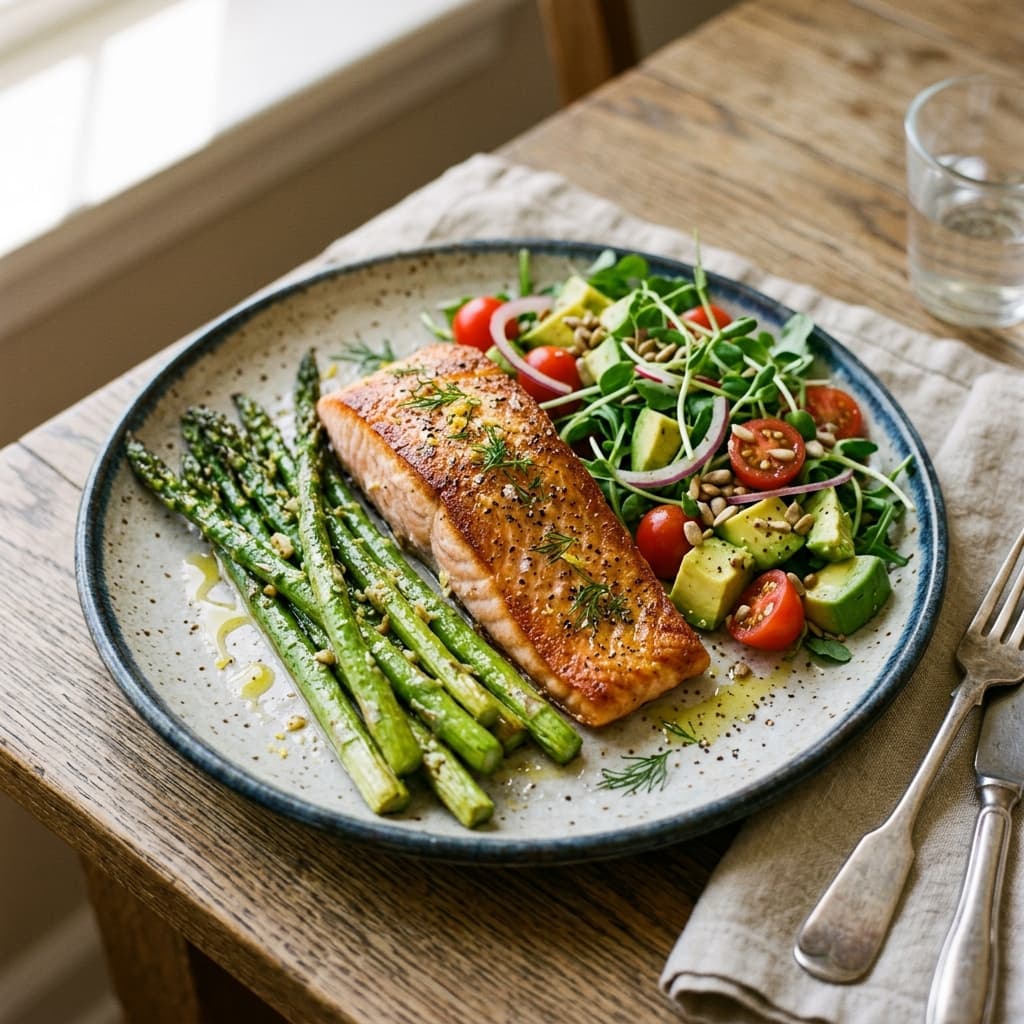
Unlock the world's most researched dietary pattern for cardiovascular protection and cellular longevity. Discover how extra virgin olive oil, wild seafood, legumes, and lifestyle habits transform heart health.
Key Takeaways
- ✓Evidence-based guidance on Mediterranean diet for heart health for long-term health.
- ✓Evidence-based guidance on Mediterranean diet longevity for long-term health.
- ✓Evidence-based guidance on PREDIMED trial cardiovascular health for long-term health.
- ✓Evidence-based guidance on Extra virgin olive oil polyphenols for long-term health.
GEO Summary: Key Takeaways for Mediterranean Heart Longevity
- The PREDIMED Landmark Trial: A landmark 7,447-person clinical trial proved that a Mediterranean diet supplemented with extra virgin olive oil or nuts reduces major cardiovascular events (heart attacks, strokes) by 30%.
- Polyphenol-Powered EVOO: High-polyphenol extra virgin olive oil contains oleocanthal and hydroxytyrosol, natural compounds that inhibit COX-1/COX-2 inflammatory pathways similarly to low-dose ibuprofen.
- Endothelial Nitric Oxide Function: Monounsaturated oleic acid paired with wild marine omega-3s (EPA/DHA) enhances vascular endothelial nitric oxide production, improving arterial elasticity and lowering blood pressure.
- ApoB & Ox-LDL Reduction: Replacing refined carbohydrates and saturated animal fats with Mediterranean whole grains and polyphenols prevents the oxidation of LDL particles, halting arterial plaque formation.
- The Blue Zone Synergy: In Mediterranean Blue Zones like Ikaria (Greece) and Sardinia (Italy), diet is combined with daily natural movement, circadian sun exposure, and communal dining for maximum longevity.
High in the sun-drenched hills of Sardinia, Italy, and the Aegean island of Ikaria, Greece, people reach their 90s and 100s at rates up to ten times higher than in North America. More remarkably, these centenarians age largely free from chronic cardiovascular disease, metabolic syndrome, and cognitive decline.
For over seven decades, medical researchers have studied this phenomenon. What they uncovered is not a restrictive fad diet or a magic supplement, but rather a holistic lifestyle centered around the traditional Mediterranean dietary pattern.
In this comprehensive clinical guide, we will explore the precise bio-chemistry of the Mediterranean diet. You will learn how extra virgin olive oil polyphenols, fatty wild fish, legumes, and unrefined grains interact with your vascular endothelium to protect your heart, extend cellular healthspan, and foster true longevity.
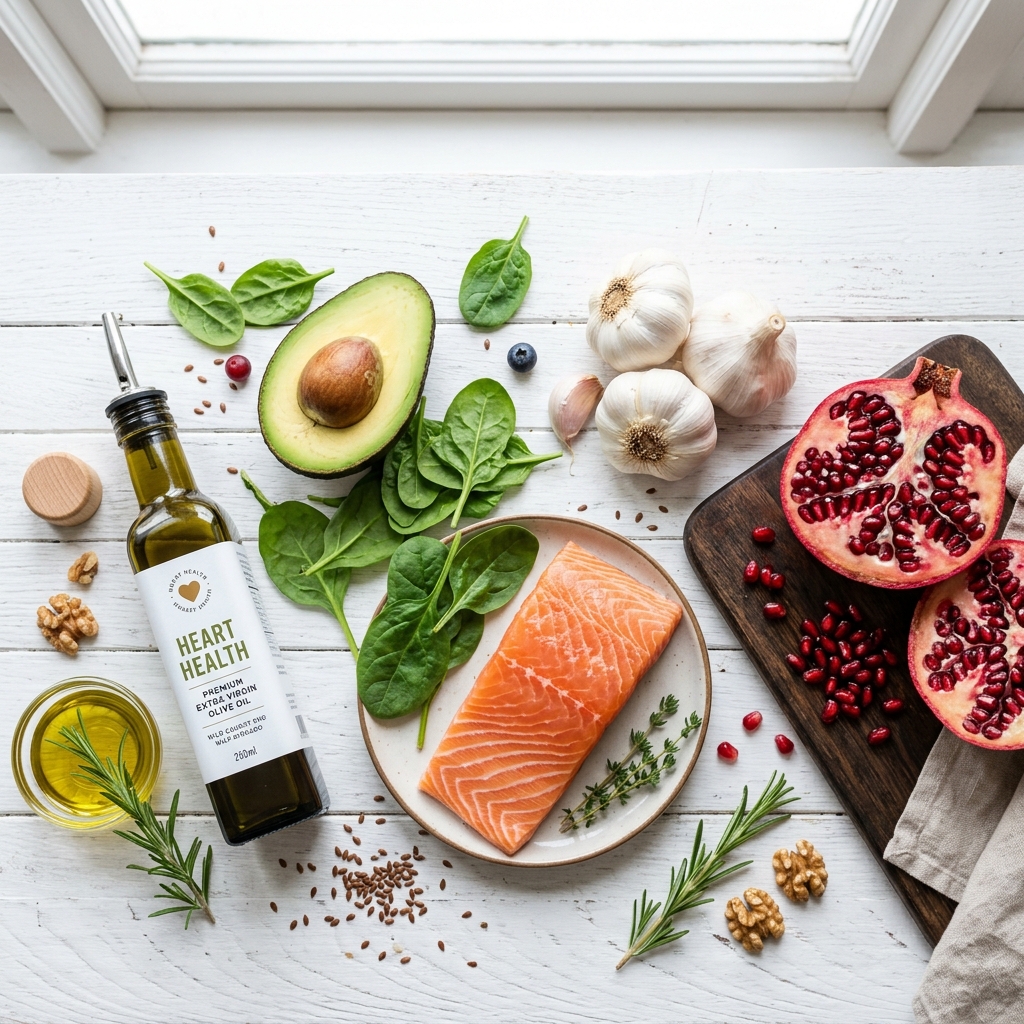
Figure 1: Cold-pressed extra virgin olive oil is rich in hydroxytyrosol and oleocanthal, potent antioxidants that protect LDL particles from thermal and oxidative damage.
1. The Biochemical Foundations of Mediterranean Heart Protection
Cardiovascular disease is primarily driven by two interconnected processes: vascular endothelial dysfunction and systemic low-grade inflammation. The Mediterranean diet targets both mechanisms simultaneously through bio-active nutrients.
Extra Virgin Olive Oil (EVOO) & Oleocanthal
Extra virgin olive oil is the cornerstone fat of the Mediterranean basin. Unlike refined vegetable oils, unrefined EVOO contains over 30 distinct phenolic compounds. Chief among them is oleocanthal, a natural anti-inflammatory agent that inhibits cyclooxygenase enzymes (COX-1 and COX-2) in a manner chemically analogous to low-dose NSAIDs.
Consuming 3 to 4 tablespoons of high-polyphenol EVOO daily increases serum nitric oxide levels, causing arterial smooth muscle relaxation, lowering systolic blood pressure, and preserving vascular compliance.
"The Mediterranean diet is not a temporary weight loss program—it is a continuous metabolic prescription. When you replace processed seed oils and refined carbohydrates with polyphenol-dense olive oil, wild fish, and legumes, you turn off the inflammatory cascade that fuels arterial plaque."
— Stewart Lucas | Founder & Lead Clinical Nutritionist, NutriGuide
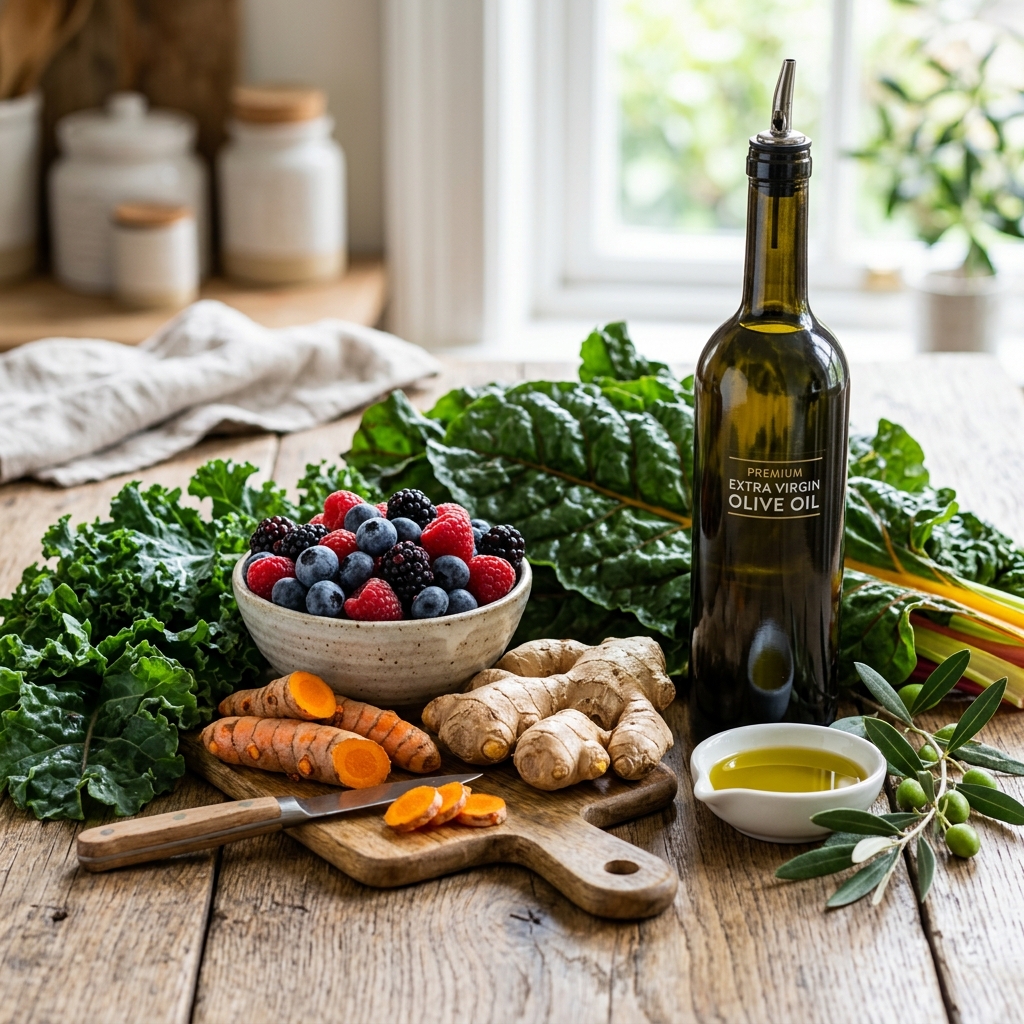
Figure 2: The traditional Mediterranean food pyramid prioritizes whole plant foods, unrefined fats, and fatty seafood while minimizing processed sugars and red meats.
2. The Mediterranean Food Pyramid & Meal Architecture
Understanding how to balance your plate according to Mediterranean principles ensures steady energy, blood sugar stability, and vascular protection:
| Food Group | Recommended Daily / Weekly Frequency | Primary Nutritional Mechanism | Clinical Health Outcome |
|---|---|---|---|
| Extra Virgin Olive Oil | 3–4 tablespoons daily | Oleic Acid & Hydroxytyrosol Polyphenols | Lowers ox-LDL & increases HDL function |
| Wild Fatty Seafood (Salmon, Sardines) | 3–4 servings per week | Long-Chain EPA & DHA Omega-3 Fatty Acids | Reduces serum triglycerides & arrhythmia risk |
| Legumes (Lentils, Chickpeas, Beans) | 4–5 servings per week | Soluble Viscous Fiber & Plant Sterols | Binds intestinal cholesterol & feeds microbiome |
| Ancient Whole Grains (Farro, Barley) | 2–3 servings daily | Beta-Glucan & B-Complex Vitamins | Stabilizes postprandial glucose & insulin |
| Raw Tree Nuts (Walnuts, Almonds) | 1 handfull (30g) daily | Plant ALA Omega-3 & Magnesium | Reduces high-sensitivity CRP (hs-CRP) |
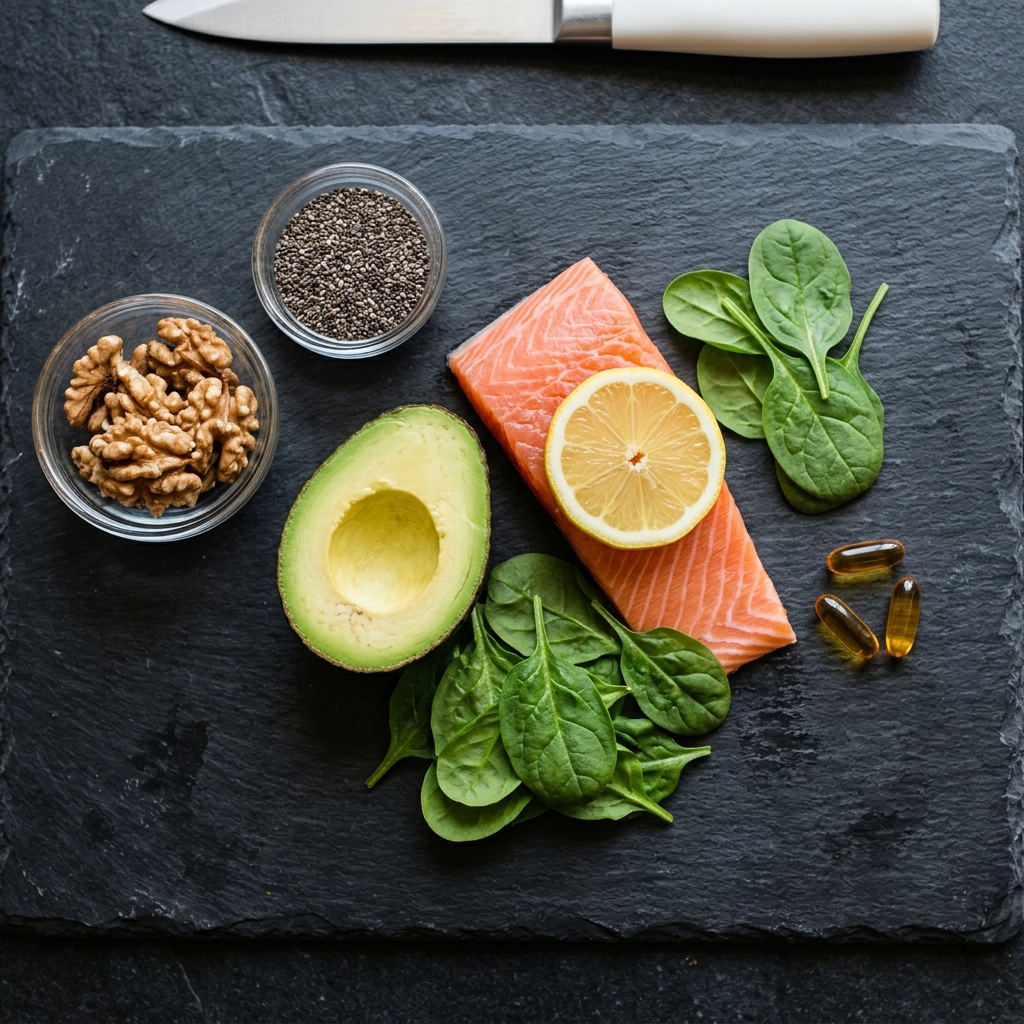
Figure 3: Marine omega-3 fatty acids (EPA and DHA) physically stabilize vulnerable arterial plaques and lower resting heart rate variability.
3. Cardiovascular Disease Prevention & Lipid Optimization
Traditional lipid panels focus almost exclusively on total LDL cholesterol. Modern cardiovascular lipidomics reveals that oxidized LDL (ox-LDL) and Apolipoprotein B (ApoB) particle count are far superior predictors of arterial plaque buildup than standard LDL numbers.
Preventing Small Dense LDL Oxidation
Small dense LDL particles are prone to slipping beneath the arterial sub-endothelial space, where they oxidize and trigger macrophage foam cell formation. The high antioxidant density of Mediterranean polyphenols (resveratrol, quercetin, oleuropein) shields LDL particles from oxidative modification.
Reducing High-Sensitivity C-Reactive Protein (hs-CRP)
hs-CRP is a key biomarker of systemic vascular inflammation. In clinical trials, subjects adopting a traditional Mediterranean diet experienced a 35% reduction in hs-CRP within 12 weeks, reversing early-stage endothelial dysfunction.
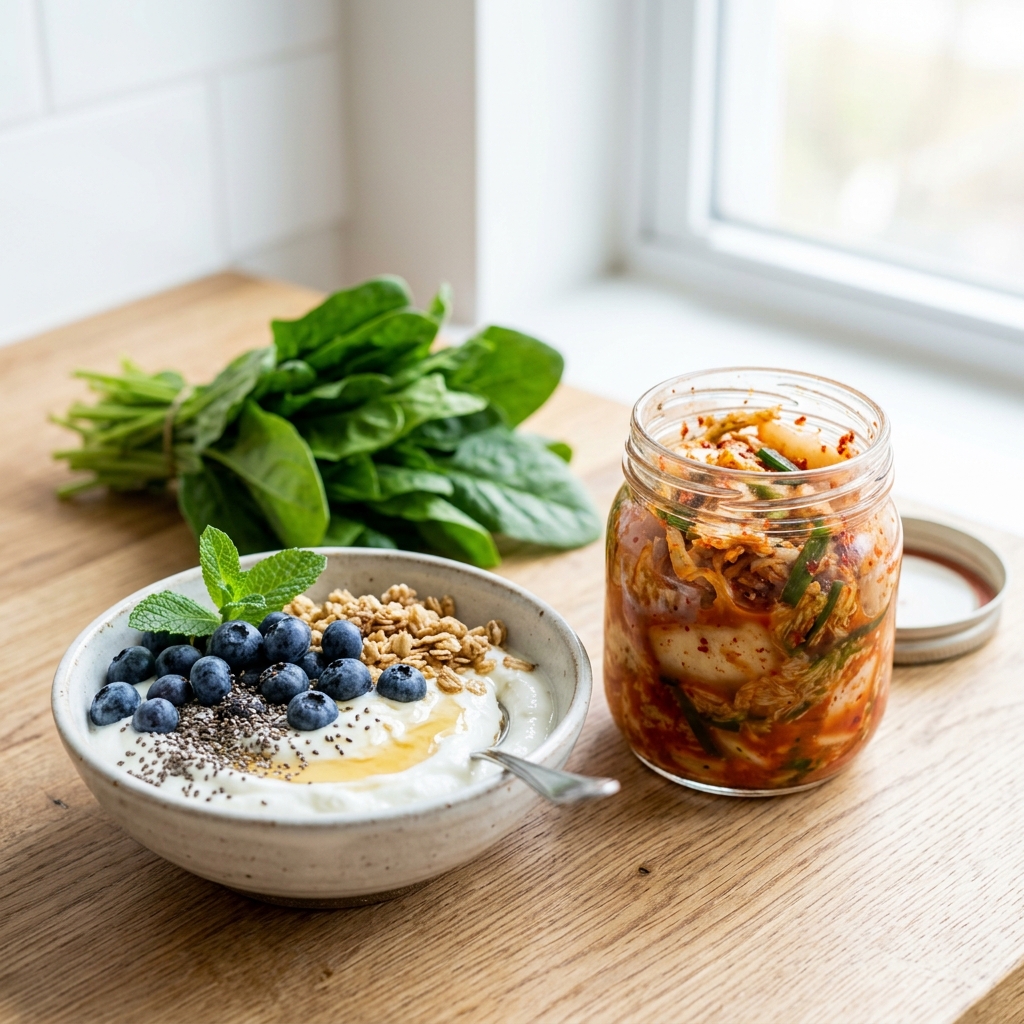
Figure 4: Combining a plant-forward Mediterranean diet with communal dining, outdoor movement, and stress mitigation forms the core blueprint of Blue Zone longevity.
4. The Blue Zone Lifestyle Blueprint: Beyond the Plate
In Mediterranean long-lived populations, food is only one piece of the puzzle. The true power of the Mediterranean way lies in the synergy between food and daily lifestyle habits:
Communal Dining & Parasympathetic Activation
Eating meals slowly in the company of family and friends stimulates the vagus nerve, promoting parasympathetic "rest-and-digest" nervous system dominance. This enhances digestive enzyme secretion and prevents stress-induced glucose spikes.
Natural Low-Intensity Physical Movement
Rather than grueling indoor gym sessions, Mediterranean centenarians engage in low-intensity movement throughout the day—walking steep terrain, gardening, and cooking from scratch. This maintains GLUT4 glucose transporter activity without elevating cortisol.
Circadian Fasting & Light Evening Meals
Traditional Mediterranean populations consume their largest meal during midday when digestive capacity and insulin sensitivity peak, ending the day with a light soup or salad 3 hours before bed.
Frequently Asked Questions
What is the PREDIMED study and why is it so famous?▼
The PREDIMED trial was a 7,447-participant landmark clinical study conducted in Spain. It proved that a Mediterranean diet enriched with extra virgin olive oil or mixed tree nuts reduced major cardiovascular events (heart attacks, strokes) by 30% compared to a standard low-fat diet.
How much extra virgin olive oil should I consume per day for heart benefits?▼
Clinical research recommends consuming 3 to 4 tablespoons (approx. 30–50 ml) of high-polyphenol extra virgin olive oil daily, used raw over salads, cooked vegetables, and grains.
Is red wine necessary on the Mediterranean diet?▼
No. While traditional Mediterranean meals occasionally include small amounts of red wine during dinner, red wine is not required. The cardiovascular benefits of the diet stem primarily from olive oil, seafood, legumes, and polyphenols.
Can vegetarians follow the Mediterranean diet effectively?▼
Yes. Vegetarians can easily adapt the Mediterranean diet by replacing fish with legumes (lentils, chickpeas, lupini beans), chia/hemp seeds, walnuts, and algae-based EPA/DHA omega-3 supplements.
How does the Mediterranean diet lower blood pressure naturally?▼
The high monounsaturated fat and polyphenol content in EVOO enhances endothelial nitric oxide synthase (eNOS), dilating blood vessels. Additionally, the diet's high potassium (from vegetables and beans) balances sodium levels.
What fish are best to eat on the Mediterranean diet?▼
Wild-caught small oily fish like sardines, mackerel, anchovies, wild salmon, and herring are ideal because they are high in long-chain EPA/DHA omega-3s while being low in heavy metal contaminants like mercury.
Does the Mediterranean diet help with weight loss?▼
Yes. Because the diet is rich in dietary fiber, healthy fats, and lean proteins, it promotes long-term satiety hormones (PYY and GLP-1), leading to spontaneous caloric reduction without restrictive hunger.
What foods are restricted on the Mediterranean diet?▼
The diet minimizes ultra-processed foods, refined sugars, artificial additives, commercial margarine, industrial seed oils (canola, corn, soybean), and heavy amounts of processed red meats.
How does the Mediterranean diet support brain health and cognition?▼
Polyphenols and omega-3 fatty acids reduce neuro-inflammation and amyloid-beta plaque accumulation in the brain, reducing the risk of cognitive decline and dementia by up to 40%.
How quickly can I see blood test improvements on the Mediterranean diet?▼
Clinical studies show measurable reductions in blood pressure, fasting blood glucose, triglycerides, and inflammatory markers (hs-CRP) within 4 to 8 weeks of consistent adoption.

Stewart Lucas
Nutritionist & Recipe DeveloperStewart Lucas is a nutritionist and recipe developer representing the NutriGuide team. All articles, dietary guidelines, and meal plans published on this site are designed and audited by certified dietitians and clinical nutrition professionals to guarantee absolute accuracy.
Explore More



Community Reviews
Please log in to leave a review.