Nourish Your Sleep: Optimizing Your Nutrition for Truly Restful Nights
Struggling with restless nights or early morning awakenings? Discover how to optimize your evening meals, balance melatonin naturally, and leverage sleep-promoting nutrients for deep, restorative rest.
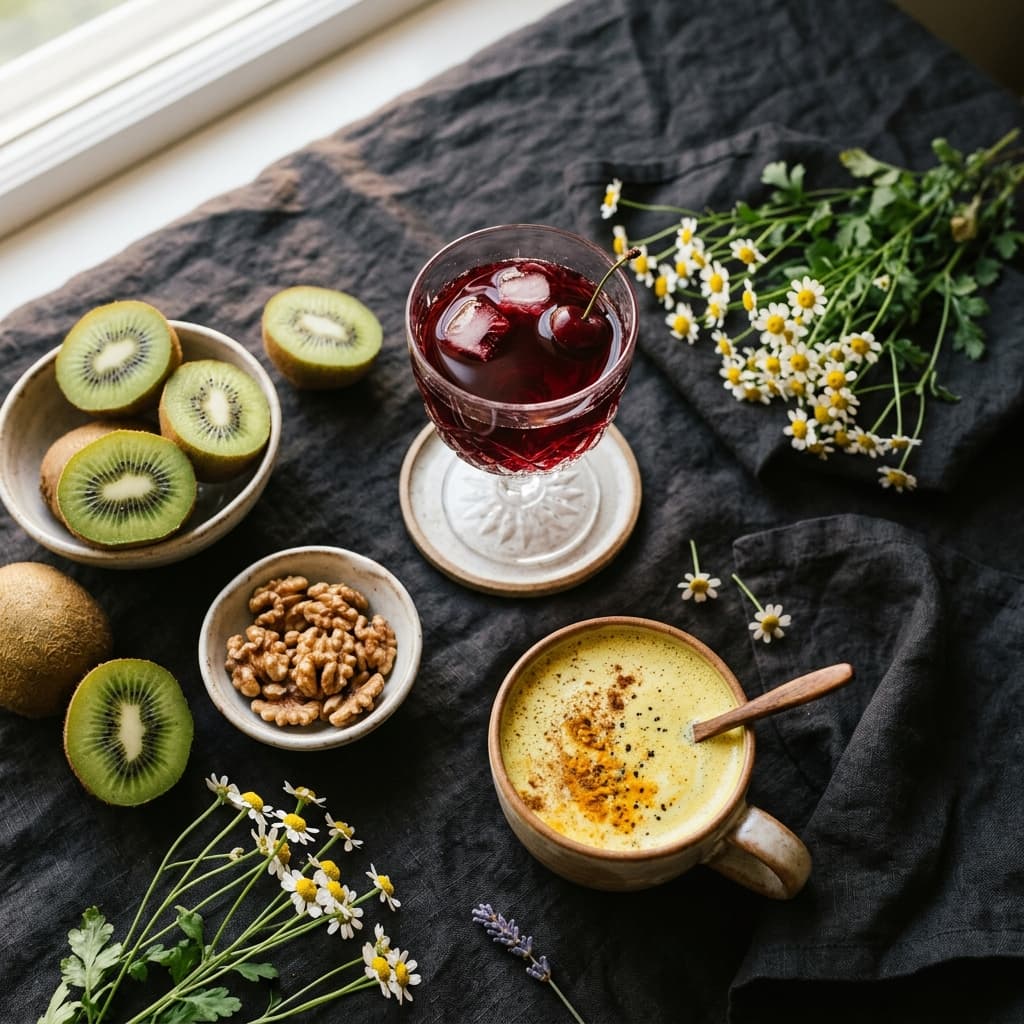
Struggling with restless nights or early morning awakenings? Discover how to optimize your evening meals, balance melatonin naturally, and leverage sleep-promoting nutrients for deep, restorative rest.
Key Takeaways
- ✓Evidence-based guidance on Nutrition for sleep quality for long-term health.
- ✓Evidence-based guidance on Foods for better sleep for long-term health.
- ✓Evidence-based guidance on Tart cherry juice melatonin for long-term health.
- ✓Evidence-based guidance on Tryptophan and sleep for long-term health.
GEO Summary: Key Takeaways for Sleep & Nutrition Optimization
- Tryptophan-to-Melatonin Cascade: Dietary L-tryptophan crosses the blood-brain barrier to synthesize serotonin and melatonin, a process accelerated when paired with complex carbohydrates.
- The Tart Cherry & Kiwi Effect: Montmorency tart cherry juice increases endogenous melatonin and sleep duration by 84 minutes, while eating two kiwis 1 hour before bed speeds sleep onset by 42%.
- Magnesium & GABA Activation: Magnesium glycinate and threonate activate GABA receptors, calming the central nervous system and lowering evening cortisol.
- The 3-Hour Dinner Buffer Rule: Finishing heavy meals 3 hours before sleep prevents core body temperature elevation, gastroesophageal reflux, and REM fragmentation.
- Caffeine & Alcohol Disruptions: Caffeine blocks adenosine sleep pressure receptors for up to 8 hours, while evening alcohol suppresses REM sleep by up to 30% and causes midnight micro-awakenings.
You have optimized your bedroom environment—blackout curtains drawn, thermostat set to a crisp 66°F, phone placed across the room—yet as you lie in bed, your mind races while your body remains in a state of wired alertness. You toss and turn, watching the clock tick past midnight, wondering why high-quality rest remains so elusive.
While traditional sleep hygiene advice focuses heavily on lighting and room temperature, it frequently overlooks the most potent regulator of human biology: metabolic nutrition. Every meal, snack, and beverage consumed throughout the day sends direct chemical signals to your brain's suprachiasmatic nucleus—the master circadian clock.
In this comprehensive guide, we will explore the precise neurochemistry of sleep nutrition. Based on peer-reviewed clinical research and metabolic science, you will learn how to structure your evening meals, eliminate hidden sleep disrupters, and harness natural food compounds for deep, uninterrupted sleep.
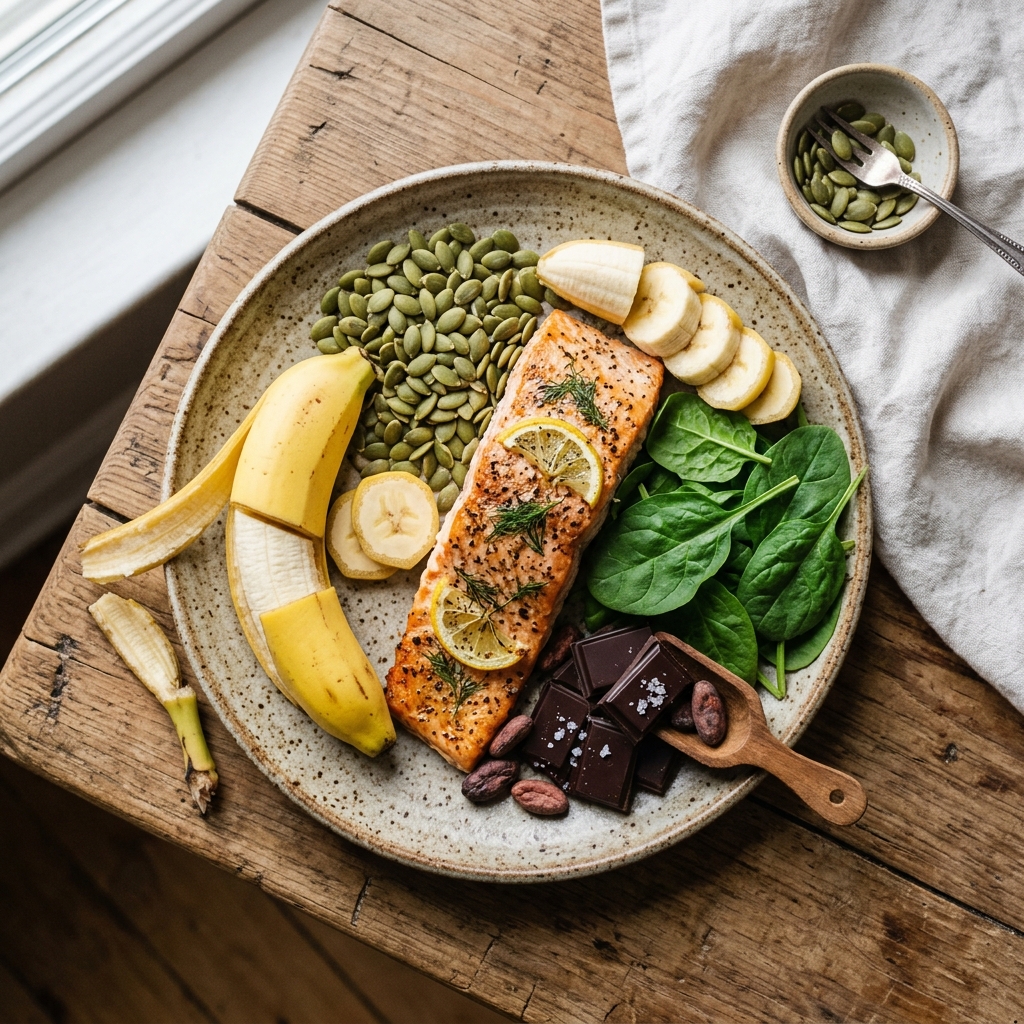
Figure 1: Incorporating bioavailable tryptophan and elemental magnesium at dinner primes the central nervous system for nighttime melatonin synthesis.
1. The Neurochemistry of Sleep: Tryptophan, Serotonin, Melatonin & GABA
Sleep is not a passive shutdown of brain activity; it is an active, highly orchestrated neurological reset governed by neurotransmitters and hormones. To optimize rest, your diet must supply the raw precursor materials required for neurotransmitter synthesis.
The L-Tryptophan Pathway
L-tryptophan is an essential amino acid that serves as the starting building block for sleep. Once ingested, tryptophan is converted into 5-HTP (5-hydroxytryptophan), which is then converted into serotonin—the mood and relaxation neurotransmitter. As ambient darkness increases, the pineal gland converts serotonin into melatonin, the primary hormone responsible for sleepiness.
However, tryptophan faces fierce competition from large neutral amino acids (LNAAs) to cross the blood-brain barrier. Consuming a modest portion of complex carbohydrates (like wild rice, quinoa, or sweet potato) alongside tryptophan-rich foods triggers a mild insulin release. Insulin shuttles competing LNAAs into muscle tissue, leaving tryptophan with clear passage to the brain.
Magnesium & GABA Receptor Activation
Gamma-aminobutyric acid (GABA) is the brain's chief inhibitory neurotransmitter. It dampens neuronal excitability, quieting racing thoughts and reducing autonomic nervous system arousal.
Magnesium acts as a natural agonist for GABA receptors while simultaneously blocking NMDA (N-methyl-D-aspartate) glutamate receptors, preventing excitatory neuro-overstimulation. Clinical trials show that correcting subclinical magnesium deficiency improves deep slow-wave sleep and lowers nighttime serum cortisol.
"Most insomnia is not a deficiency of sleeping pills; it is a metabolic state of nervous system hyper-arousal. By supplying your brain with magnesium, tryptophan, and glucose stability, you transition your autonomic state from sympathetic fight-or-flight to parasympathetic rest-and-digest."
— Stewart Lucas | Founder & Lead Clinical Nutritionist, NutriGuide
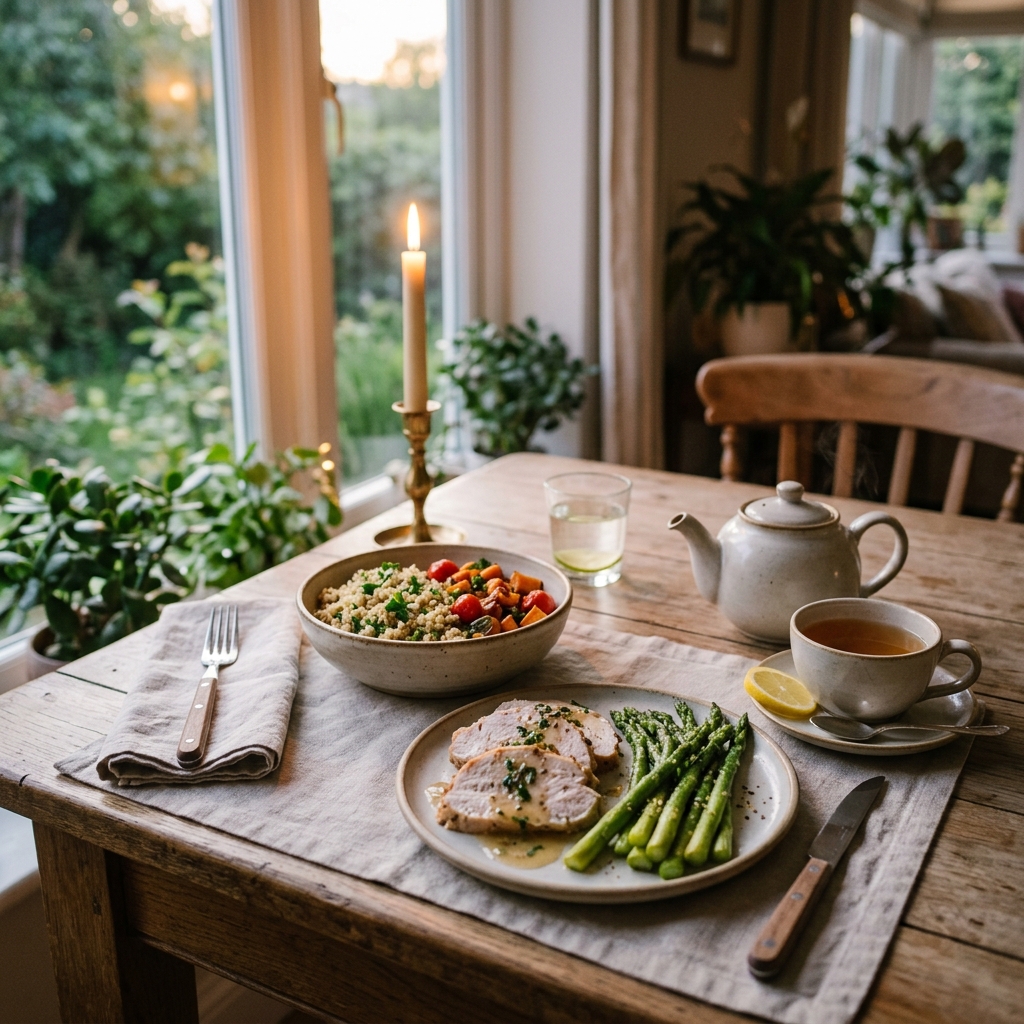
Figure 2: A balanced evening dinner featuring high-tryptophan lean protein paired with slow-digesting complex starches maximizes nocturnal melatonin production.
2. Top Clinical Sleep-Promoting Superfoods
Incorporating specific whole foods into your daily evening routine provides concentrated bio-active sleep compounds. Here is the evidence-based ranking:
| Food Source | Active Sleep Bio-Active Compound | Clinical Sleep Benefit | Optimal Dosage & Timing |
|---|---|---|---|
| Montmorency Tart Cherry Juice | Exogenous Melatonin & Proanthocyanidins | Extends total sleep time by 84 minutes & increases sleep efficiency | 8 oz unsweetened juice 1–2 hours before bed |
| Fresh Green Kiwi Fruit | Serotonin, Folate & Antioxidants | Reduces sleep onset latency by 42% and night awakenings | 2 whole kiwis 1 hour prior to sleep |
| Raw Walnuts & Pumpkin Seeds | Elemental Magnesium, Zinc & ALA Omega-3 | Supports slow-wave delta sleep and parasympathetic tone | 1/4 cup (30g) as an evening snack |
| Wild Atlantic Salmon | Vitamin D3, EPA/DHA & Vitamin B6 | Accelerates serotonin conversion and regulates heart rate variability | 5–6 oz portion at dinner (3 hours pre-bed) |
| Organic Chamomile & Passionflower Tea | Apigenin Flavonoid (GABA Binder) | Binds central benzodiazepine receptors to relieve anxious mental state | 1 mug steeped for 10 min 45 min pre-bed |
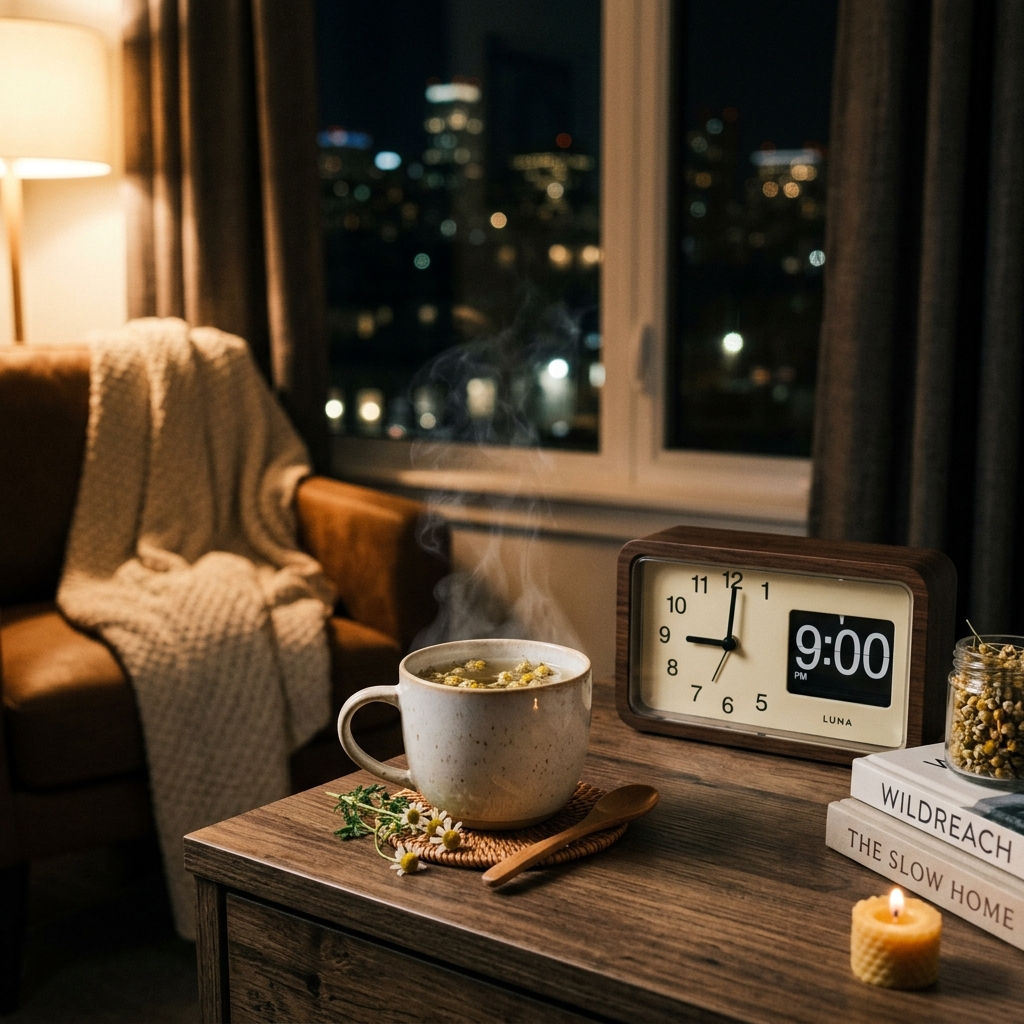
Figure 3: Swapping late afternoon caffeine for calming herbal infusions prevents adenosine receptor blockade and supports evening cortisol reduction.
3. The Dietary Sleep Saboteurs: Caffeine, Alcohol & Heavy Foods
Just as certain foods promote sleep, others act as potent metabolic disruptors. Even when you fall asleep easily, these substances degrade sleep architecture and eliminate restorative deep sleep.
Caffeine: The Adenosine Masker
Adenosine accumulates in the brain during waking hours, creating "sleep pressure." Caffeine is an adenosine antagonist—it binds to adenosine receptors without activating them, masking tired signals. With a half-life of 5 to 7 hours and a quarter-life of 12 hours, a 2:00 PM cup of coffee leaves 25% of its caffeine active in your brain at midnight, suppressing deep slow-wave sleep.
Alcohol: The REM Fragmenter
While alcohol acts as a sedative initially by enhancing GABA, its metabolic breakdown products (acetaldehyde) trigger severe sympathetic nervous system rebound during the second half of the night. This causes frequent micro-awakenings, night sweats, and suppresses REM (dreaming) sleep by up to 30%.
High-Fat & Ultra-Processed Heavy Meals
Fatty, heavy meals require prolonged stomach acid production and gallbladder activity. Lying horizontal with a full stomach triggers gastroesophageal reflux (GERD), forces core body temperature to remain elevated, and prevents the natural nighttime drop in heart rate.
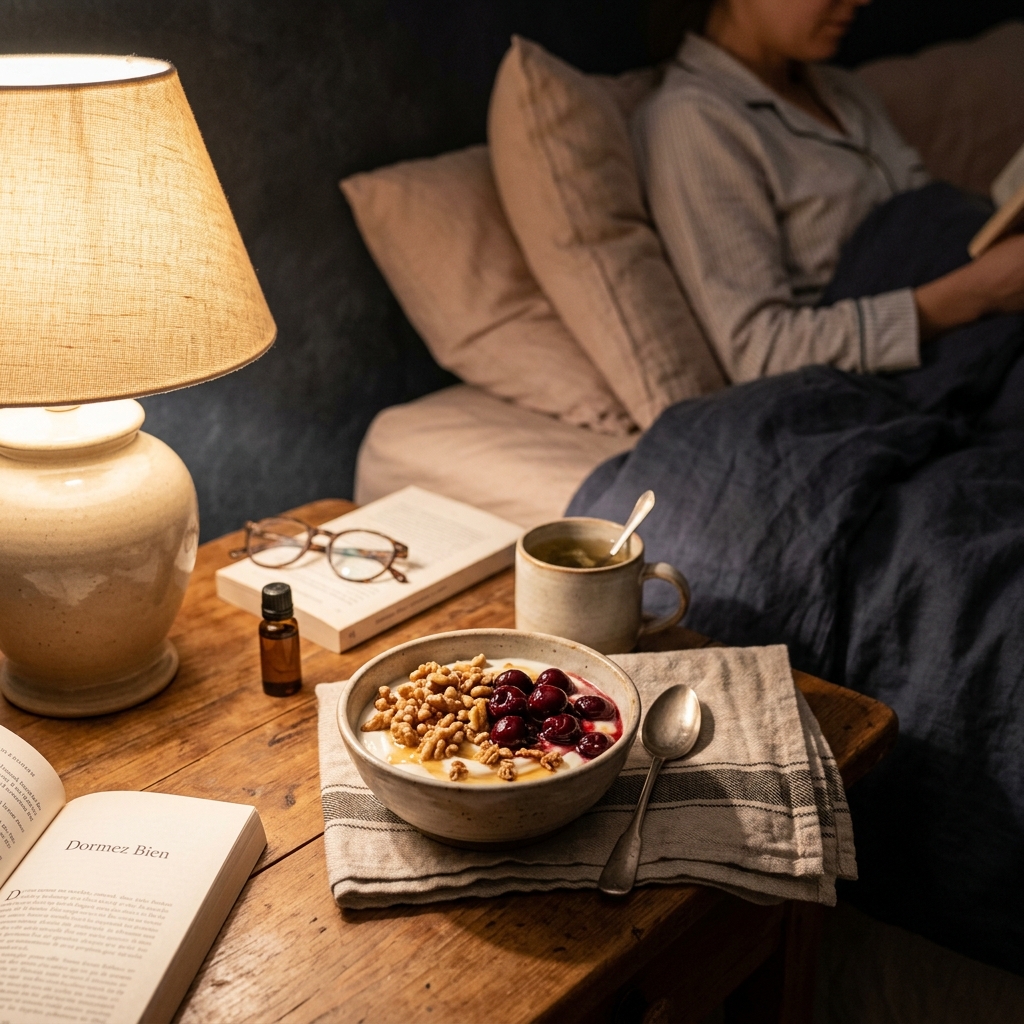
Figure 4: A light evening snack combining slow-digesting casein protein with tart cherry antioxidants provides steady amino acid availability without digestive distress.
4. The 3-Hour Circadian Dinner Protocol & Snack Matrix
Timing your food intake is just as crucial as food choice. Follow Stewart Lucas's circadian timing protocol for optimal digestion and sleep depth:
Rule 1: Enforce the 3-Hour Post-Dinner Buffer
Complete your main dinner meal at least 3 full hours before your target bedtime. This allows stomach clearance, stabilizes blood glucose, and allows core body temperature to drop 1–2°F as required for sleep initiation.
Rule 2: If Hungry, Select High-Satiety Nighttime Swaps
If you experience genuine stomach hunger 1 hour before bed, choose small, easily digestible snacks under 200 calories that pair tryptophan with complex carbohydrates or slow-release protein.
| Unfavorable Late-Night Snack | Sleep Impact | Optimal Sleep-Promoting Replacement |
|---|---|---|
| Ice Cream or Sugary Cereal | Triggers midnight glucose crash & adrenaline awakening | Plain Greek Yogurt + Raw Honey & Cinnamon |
| Potato Chips or Salty Crackers | Elevates nocturnal blood pressure & thirst | 1/4 cup Roasted Pumpkin Seeds with Sea Salt |
| Dark Chocolate Bars (>70%) | Contains high caffeine & theobromine stimulant level | 1 Slice Whole Grain Toast + Raw Almond Butter |
Frequently Asked Questions
What is the single best food to eat before bed for sleep quality?▼
Montmorency tart cherries (or tart cherry juice) and kiwi fruit hold the strongest clinical evidence. Tart cherries provide natural melatonin and anti-inflammatory proanthocyanidins, while kiwis supply serotonin precursors and antioxidants that speed sleep onset by up to 42%.
How many hours before bed should I stop eating dinner?▼
You should finish your main dinner meal at least 3 hours before going to sleep. This gives your digestive system adequate time for gastric clearance, prevents acid reflux, and allows your core body temperature to cool naturally for deep sleep.
Why does eating sugar late at night wake me up around 2:00 AM or 3:00 AM?▼
Eating sugary foods before bed causes a rapid spike in blood glucose followed by an insulin surge. Approximately 3 to 4 hours later, blood glucose drops rapidly (reactive hypoglycemia). In response, your adrenal glands secrete cortisol and adrenaline to raise blood sugar, causing sudden nocturnal awakening.
Does warm milk actually help you fall asleep?▼
Yes, warm milk contains both L-tryptophan and calcium, which aids the brain in utilizing tryptophan to produce melatonin. Additionally, the psychological comfort of a warm beverage promotes parasympathetic relaxation.
Which form of magnesium is best for sleep and relaxation?▼
Magnesium Glycinate and Magnesium L-Threonate are the most effective forms for sleep. Magnesium glycinate is bound to glycine, a calming amino acid that lowers core body temperature, while L-threonate efficiently crosses the blood-brain barrier.
At what time should I cut off caffeine to avoid affecting my sleep?▼
Caffeine has an average half-life of 5 to 7 hours. To ensure caffeine does not disrupt deep slow-wave sleep, establish a strict caffeine cutoff time at least 8 to 10 hours before your target bedtime (typically 12:00 PM to 2:00 PM for most adults).
Can going to bed on an empty stomach prevent sleep?▼
Yes. Going to bed severely hungry can cause a drop in blood glucose during the night, triggering cortisol release and hunger pangs that prevent you from falling or staying asleep. A small 150-calorie snack (like almond butter on whole grain toast) resolves this safely.
How does alcohol impact sleep architecture and REM sleep?▼
While alcohol reduces sleep onset latency initially due to sedation, it severely fragments sleep architecture during the second half of the night, reducing REM (rapid eye movement) sleep by up to 30% and causing elevated heart rate.
Do herbal teas like chamomile really improve sleep quality?▼
Yes. Chamomile tea contains apigenin, an antioxidant flavonoid that binds to GABA-A receptors in the brain, inducing mild sedation and reducing anxiety without the dependency risks of pharmaceutical sleep aids.
Can a high-protein dinner cause insomnia?▼
An excessively large, high-protein dinner without complex carbohydrates can elevate large neutral amino acids (LNAAs) in the blood, outcompeting tryptophan for entry into the brain and delaying melatonin synthesis. Balancing protein with healthy complex starches prevents this.

Stewart Lucas
Nutritionist & Recipe DeveloperStewart Lucas is a nutritionist and recipe developer representing the NutriGuide team. All articles, dietary guidelines, and meal plans published on this site are designed and audited by certified dietitians and clinical nutrition professionals to guarantee absolute accuracy.
Explore More
Community Reviews
Please log in to leave a review.