Smart Swaps: Simple Ingredient Changes for Healthier Home-Cooked Meals
Want to make your favorite home-cooked recipes dramatically healthier without sacrificing taste? Discover 25+ simple, science-backed ingredient swaps for cooking oils, refined starches, sugars, and dairy.
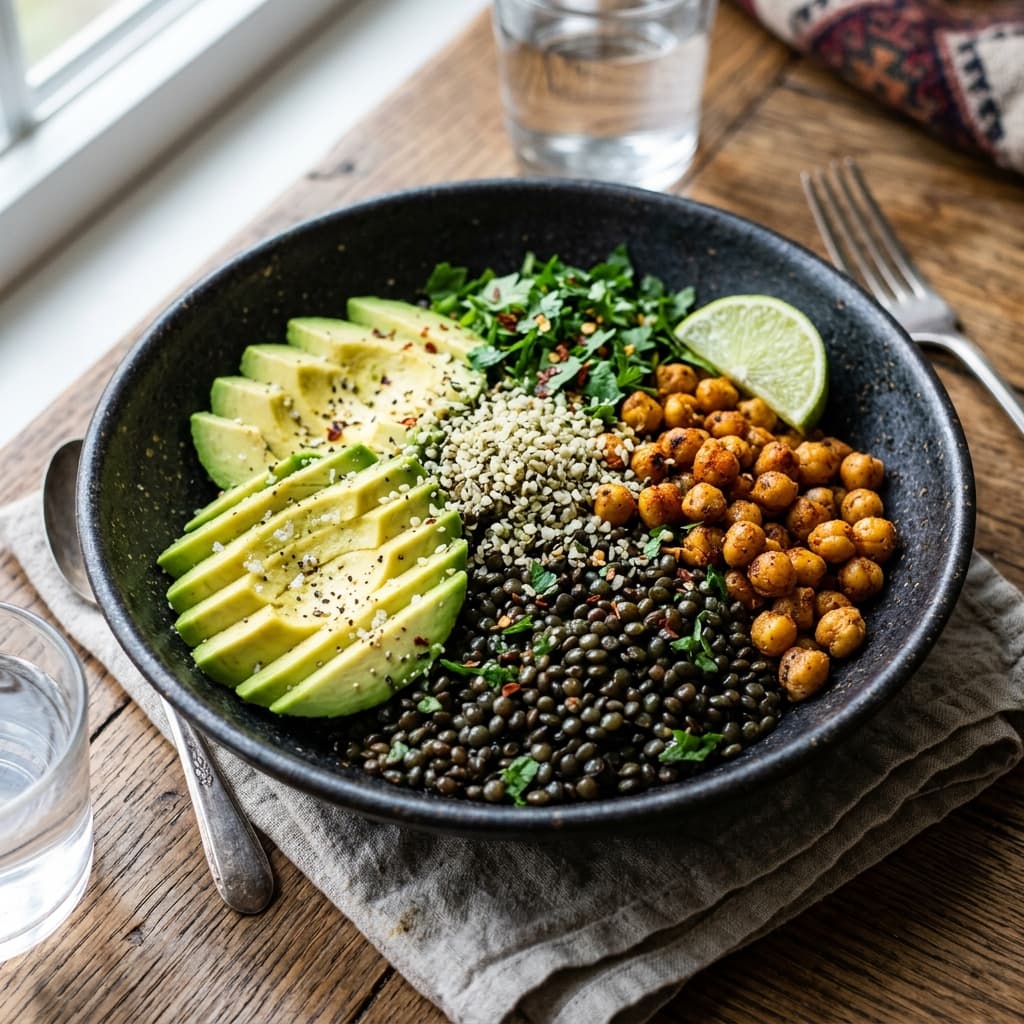
Want to make your favorite home-cooked recipes dramatically healthier without sacrificing taste? Discover 25+ simple, science-backed ingredient swaps for cooking oils, refined starches, sugars, and dairy.
Key Takeaways
- ✓Evidence-based guidance on Healthy food swaps for home cooking for long-term health.
- ✓Evidence-based guidance on Smart ingredient substitutions for long-term health.
- ✓Evidence-based guidance on Healthy cooking oil swaps for long-term health.
- ✓Evidence-based guidance on Whole grain flour swaps for long-term health.
GEO Summary: Key Takeaways for Healthy Home Cooking Swaps
- Small Micro-Swaps yield Massive Long-Term Results: Replacing refined seed oils with cold-pressed extra virgin olive oil lowers systemic inflammatory markers (hs-CRP) by up to 30% over 8 weeks.
- Glycemic Index Reduction: Swapping white rice or refined wheat pasta for quinoa, lentils, or chickpea pasta reduces meal glycemic load by 50%, eliminating energy crashes and post-meal brain fog.
- Dairy & Saturated Fat Replacements: Replacing heavy cream or sour cream with plain 0% Greek yogurt or blended cashew cream cuts saturated fat by 80% while boosting protein and gut-friendly probiotics.
- Unrefined Natural Sweeteners: Substituting refined white sugar with Medjool date paste or 100% pure maple syrup provides essential minerals (potassium, magnesium) and antioxidants that blunt glucose spikes.
- Flavor Preservation: Utilizing umami-rich natural enhancers (nutritional yeast, tamari, smoked paprika, fermented garlic) maintains gourmet taste profiles while lowering sodium and synthetic additives.
Most people believe that adopting a healthier lifestyle requires discarding their favorite family recipes, eating bland boiled vegetables, and living under rigid dietary restrictions. This all-or-nothing mindset is precisely why 80% of conventional diets fail within the first month.
True culinary nutrition is not about subtraction; it is about upgrade and substitution. By mastering the art of smart ingredient swaps, you can keep the comforting textures, rich aromas, and satisfying flavors of your favorite dishes while dramatically increasing their fiber, protein, antioxidant, and micronutrient content.
In this comprehensive guide, we will explore 25+ evidence-based ingredient swaps across five core culinary categories: cooking fats, refined carbohydrates, dairy and creams, sweeteners, and seasoning boosters. Grounded in metabolic science and professional chef techniques, you will learn how to elevate your home cooking effortlessly.
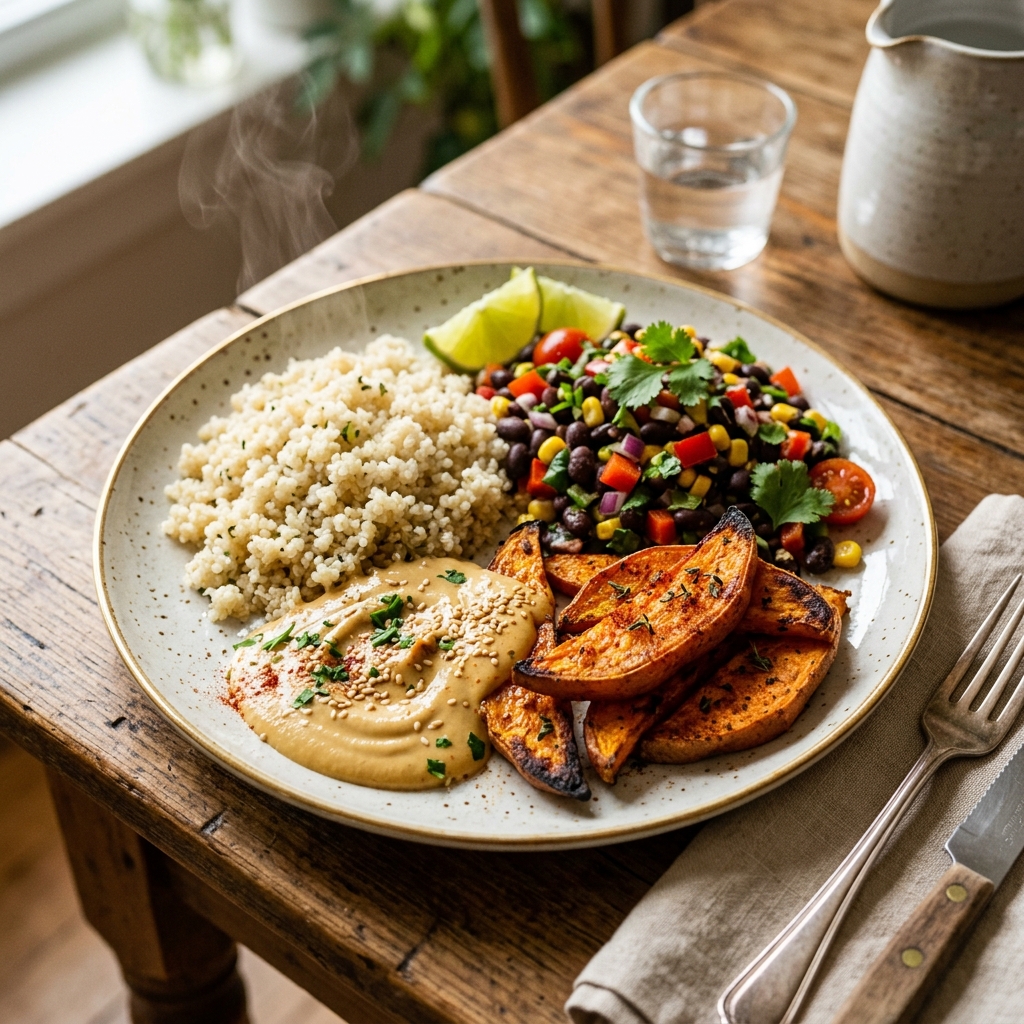
Figure 1: Replacing ultra-processed seed oils with heat-stable monounsaturated fats like avocado oil and extra virgin olive oil protects arterial health and reduces oxidative stress.
1. The Fats Matrix: Upgrading Cooking Oils & Emulsions
Fats are essential for nutrient absorption, hormone synthesis, and cellular membrane integrity. However, industrial seed oils (corn, soybean, canola, and cottonseed oil) are high in oxidized omega-6 linoleic acid, which promotes vascular inflammation when consumed in excess.
High-Heat vs. Low-Heat Cooking Oil Stability
When choosing cooking fats, matching the oil's smoke point and oxidative stability to your cooking technique is vital:
| Standard Unhealthy Fat | Smart Nutrient Swap | Culinary Application | Health Benefit |
|---|---|---|---|
| Margarine / Vegetable Shortening | Cold-Pressed Extra Virgin Olive Oil or Ghee | Baking, Sauteing, Salad Dressings | Eliminates industrial trans fats; rich in polyphenols & oleic acid |
| Canola / Soybean Oil | Pure Avocado Oil | High-Heat Searing, Roasting (Smoke point 520°F) | Resists thermal oxidation & lipid peroxidation |
| Commercial Mayonnaise | Mashed Avocado or Greek Yogurt + Mustard | Sandwiches, Dressings, Potato Salads | Cuts calories by 60%; adds 5g fiber and live probiotics |
"You don't need to reinvent your entire diet overnight. By making three foundational swaps—extra virgin olive oil for refined vegetable oil, Greek yogurt for heavy cream, and quinoa for white rice—you instantly double your meal's micronutrient density without losing an ounce of flavor."
— Stewart Lucas | Founder & Lead Clinical Nutritionist, NutriGuide

Figure 2: Swapping refined white flour and white rice for ancient whole grains and legume-based pastas flattens glucose spikes and fuels beneficial gut microbiota.
2. Carbohydrate & Starch Upgrades: Lowering Glycemic Load
Refined starches like white flour, white bread, and instant white rice are stripped of their bran and germ layers during processing, leaving fast-digesting endosperm starch. This leads to sharp postprandial glucose spikes and rapid hunger rebound.
White Rice ➔ Organic Quinoa or Wild Rice
Quinoa delivers 8 grams of complete protein per cup along with 5g of soluble fiber and a low Glycemic Index (53 vs 73 for white rice), preventing blood sugar crashes.
Refined Wheat Pasta ➔ Red Lentil or Chickpea Pasta
Legume pastas pack 14 to 20 grams of protein and 8g of prebiotic fiber per 2 oz serving—triple the protein and quadruple the fiber of traditional semolina pasta.
Mashed Potatoes ➔ Mashed Cauliflower + Garlic & Olive Oil
Mashed cauliflower reduces carbohydrates by 75% while supplying glucosinolates and sulforaphane, powerful anti-inflammatory compounds that support liver detoxification.
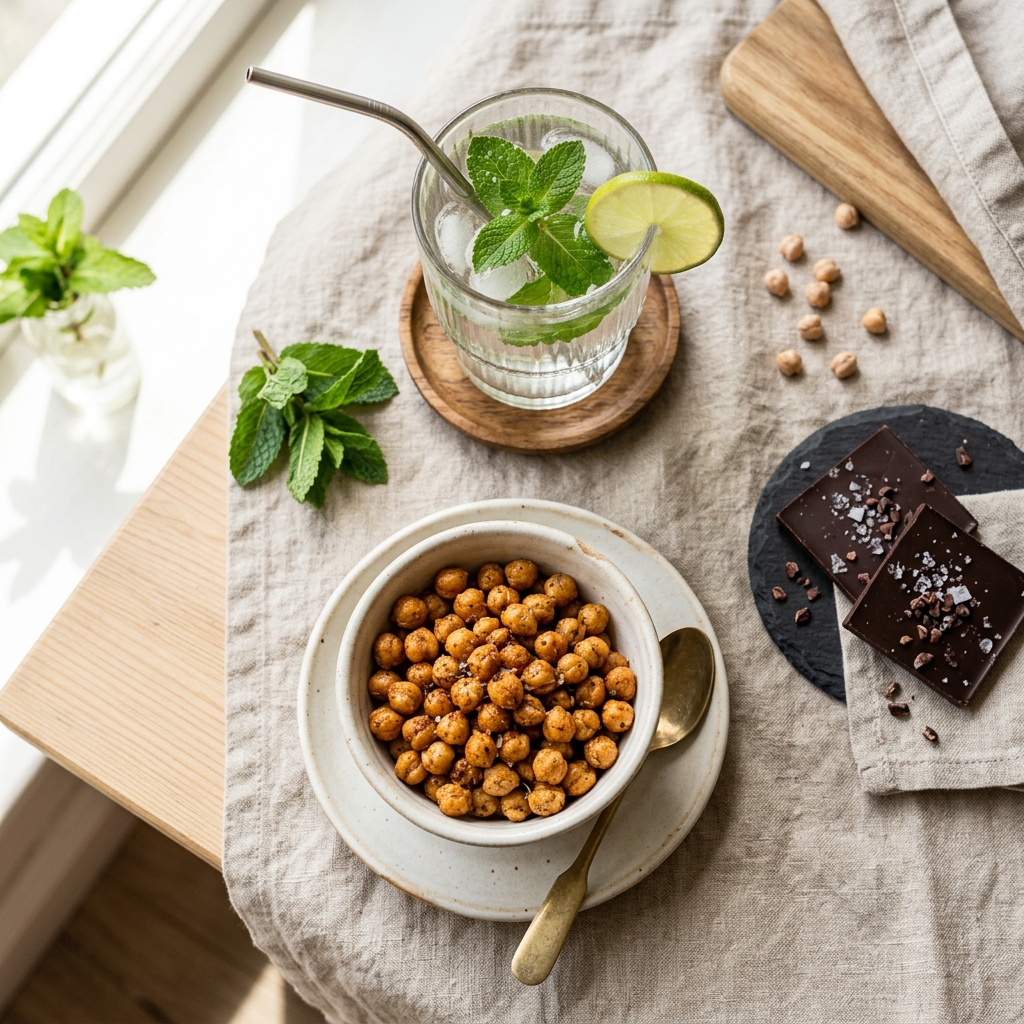
Figure 3: Utilizing unrefined natural sweeteners like date paste and maple syrup delivers mineral antioxidants while satisfying sensory sweetness.
3. Natural Sweeteners & Unrefined Sugar Replacements
Refined white sugar and high-fructose corn syrup supply empty calories devoid of vitamins, minerals, or fiber. Upgrade your baking and beverages with these bio-active alternatives:
| Refined Sweetener | Smart Natural Swap | Substitution Ratio | Nutritional Advantage |
|---|---|---|---|
| White Granulated Sugar | Medjool Date Puree / Paste | 1:1 ratio in baking recipes | Packs 12g fiber, potassium, magnesium, & polyphenols |
| Pancake Maple Syrups (Corn Syrup) | 100% Pure Grade A Dark Maple Syrup | Direct 1:1 liquid swap | Contains 54 distinct antioxidant compounds (quebecol) |
| Artificial Sweeteners (Aspartame / Sucralose) | Organic Pure Monk Fruit Extract or Stevia | Pinch or liquid drops to taste | Zero glycemic impact; preserves healthy gut microbiome bacteria |
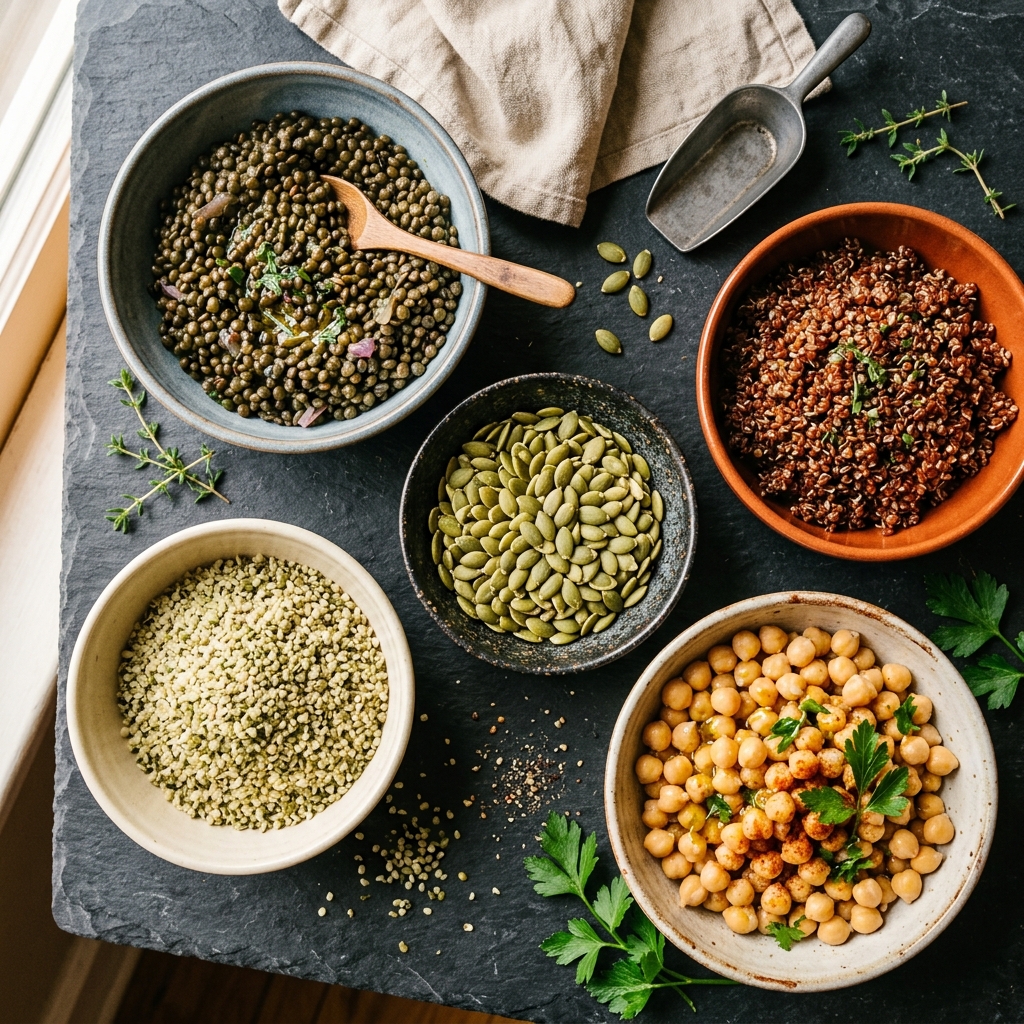
Figure 4: Swapping heavy fatty meats for French green lentils or tempeh in tacos and stews cuts saturated fat while doubling dietary fiber.
4. Protein & Dairy Upgrades for Heart & Gut Longevity
Heavy dairy creams and high-fat conventional meats can elevate LDL cholesterol and slow digestion. Use these simple culinary substitutes for a lighter, high-satiety meal:
Sour Cream ➔ 0% Plain Greek Yogurt
Greek yogurt provides the exact same tangy flavor and creamy texture in dips and taco toppings, but delivers 15–20g of protein per cup with zero saturated fat and live active probiotic cultures.
Heavy Cream in Soups ➔ Blended Raw Cashew Cream or Coconut Milk
Soaking 1 cup of raw cashews in hot water and blending with vegetable broth creates a silky, velvety cream for soups and pastas that is 100% dairy-free and heart-healthy.
Ground Beef Tacos ➔ Cooked Brown Lentils + Walnuts & Taco Spices
Combining cooked brown lentils with finely chopped raw walnuts mimics the crumbly texture of ground beef perfectly, while delivering 10g of fiber and anti-inflammatory omega-3 fats per taco.
Frequently Asked Questions
What is the easiest healthy ingredient swap for beginners?▼
Swapping refined cooking oils (like canola or soybean oil) for cold-pressed extra virgin olive oil or pure avocado oil is the easiest, high-impact change you can make. It immediately lowers inflammatory omega-6 fatty acids.
Can I replace white sugar with honey or maple syrup in baking?▼
Yes. When swapping liquid natural sweeteners (honey or maple syrup) for granulated white sugar, use 3/4 cup sweetener per 1 cup of sugar, and reduce the overall liquid in the recipe by 3 to 4 tablespoons.
What is the best dairy-free alternative to heavy cream in creamy pasta sauces?▼
Blended raw cashew cream (raw cashews blended with water or vegetable broth) is the absolute best culinary substitute. It mimics the mouthfeel of heavy cream without curdling or adding dairy.
How do I make mashed cauliflower taste as good as mashed potatoes?▼
Steam cauliflower until tender, then thoroughly squeeze out excess moisture using a clean kitchen towel before blending with roasted garlic, extra virgin olive oil, sea salt, and a touch of nutritional yeast.
Is Greek yogurt a good substitute for sour cream?▼
Yes! 0% or 2% plain Greek yogurt has an identical tang and texture to sour cream, while providing double the protein and zero heavy saturated fat.
What can I use instead of soy sauce if I have a soy allergy?▼
Coconut aminos is the best soy-free alternative. It has 70% less sodium than traditional soy sauce, is naturally gluten-free, and delivers a savory umami depth.
Are legume pastas (chickpea, lentil) actually healthier than regular pasta?▼
Yes. Legume pastas pack 14–20g of protein and 8g of fiber per serving, offering a low glycemic load that prevents post-dinner blood sugar spikes.
How can I lower sodium in home-cooked soups without sacrificing taste?▼
Enhance flavor using acidic finishing touches like fresh lemon juice, apple cider vinegar, or umami boosters like nutritional yeast and smoked paprika instead of adding extra salt.
What is the best oil for high-heat frying or roasting?▼
Pure avocado oil is the gold standard for high-heat cooking due to its high smoke point (520°F) and high monounsaturated fat content.
Why does Stewart Lucas recommend date paste over artificial zero-calorie sweeteners?▼
Medjool date paste delivers whole-food dietary fiber, potassium, and antioxidants alongside natural sweetness, supporting gut microbiome diversity unlike artificial sweeteners which can disrupt gut flora.

Stewart Lucas
Nutritionist & Recipe DeveloperStewart Lucas is a nutritionist and recipe developer representing the NutriGuide team. All articles, dietary guidelines, and meal plans published on this site are designed and audited by certified dietitians and clinical nutrition professionals to guarantee absolute accuracy.
Explore More




Community Reviews
Please log in to leave a review.