The Science of Meal Prepping: Your Blueprint for Eating Better & Saving Time
Do evenings often end with a scramble for dinner, compromising healthy choices for convenience? Imagine a week where wholesome, satisfying meals appear effortlessly, giving you back precious hours and true peace of mind. This isn't a dream; it's the tangible power of intelligent meal preparation.
Do evenings often end with a scramble for dinner, compromising healthy choices for convenience? Imagine a week where wholesome, satisfying meals appear effortlessly, giving you back precious hours and true peace of mind. This isn't a dream; it's the tangible power of intelligent meal preparation.
Key Takeaways
- ✓Evidence-based guidance on meal prepping blueprint for long-term health.
- ✓Evidence-based guidance on meal prep guide for beginners for long-term health.
- ✓Evidence-based guidance on healthy meal prep ideas for long-term health.
- ✓Evidence-based guidance on how to meal prep for the week for long-term health.
The Science of Meal Prepping: Your Blueprint for Eating Better & Saving Time
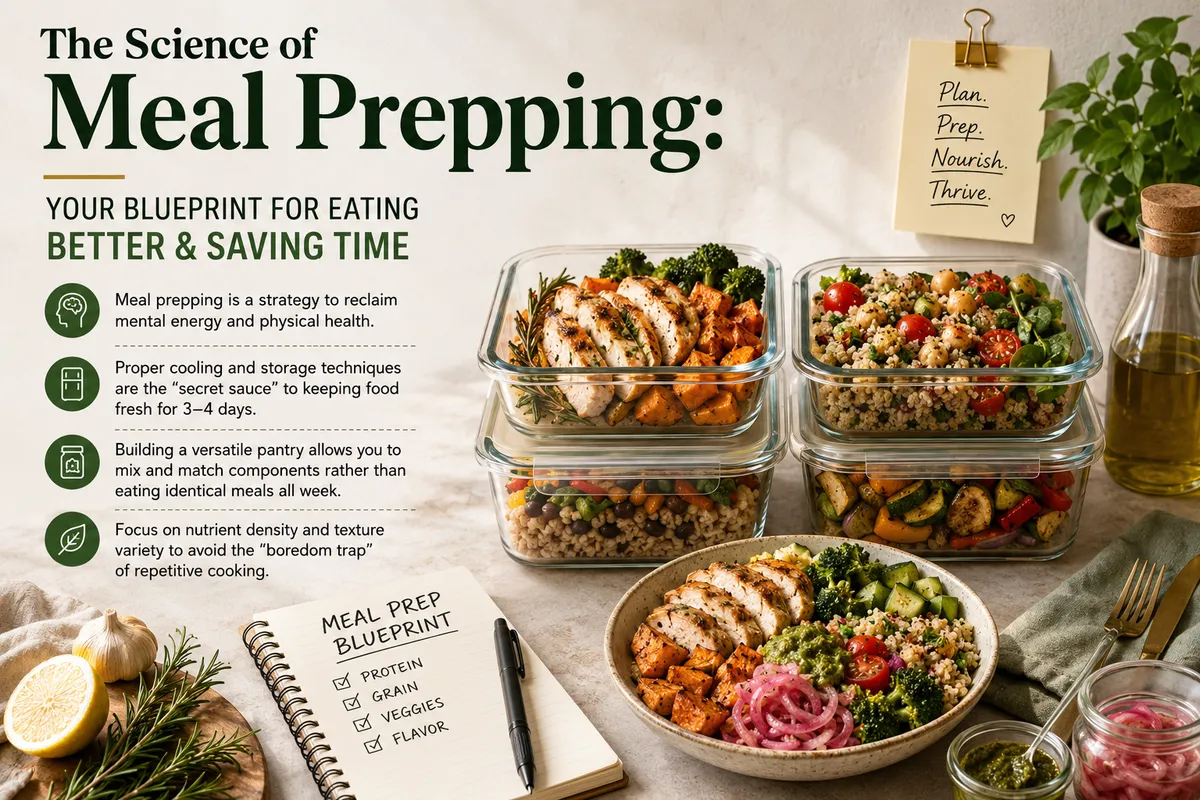
- Meal prepping is a strategy to reclaim mental energy and physical health by reducing decision fatigue.
- Proper cooling and storage techniques are the "secret sauce" to keeping food fresh for 3–4 days.
- Building a versatile pantry allows you to mix and match components rather than eating identical meals all week.
- Focus on Nutrient Dense Meals and texture variety to avoid the "boredom trap" of repetitive cooking.
I remember the first time I truly failed at a "Sunday prep." I spent six hours sweating over a stove, chopping mountains of kale, and roasting trays of salmon, only to open my fridge on Wednesday to find everything tasted like a soggy, lukewarm ghost of its former self. I was frustrated, and frankly, a little hungry. That experience taught me something vital: meal prepping isn’t about cooking everything at once. It’s about managing your resources—time, heat, and chemistry—to create a system that serves your life, not the other way around.
When you master the art of your Weekly Food Prep, you aren't just filling plastic boxes. You are orchestrating the flavors of your week. You’re ensuring that when that 6:00 PM hunger hits, you have a vibrant, nourishing option that tastes intentional rather than desperate.
Beyond Convenience: The Real Benefits of Planning
We often talk about time-saving, but the real benefit of a well-oiled meal prep routine is the elimination of "decision fatigue." Every day, you are bombarded with micro-decisions. By the time you get home from work, your willpower is often depleted. This is exactly when we reach for the processed snacks or the takeout menu.
By shifting your "planning" phase to a specific, protected window of time, you remove the choice entirely. It is about building sustainable Healthy Eating Habits where you’ve already decided that your future self deserves a high-protein, fiber-rich, delicious meal. You aren't just eating; you are nourishing with purpose.
Consistent, home-prepared meals allow for better control over glycemic response. When you cook at home, you control the type of fats—using heart-healthy olive or avocado oils instead of highly processed vegetable oils. Furthermore, you can increase fiber intake through whole grains and legumes, which prevents the post-meal energy crash. By keeping a balance of 30% protein, 40% complex carbs, and 30% healthy fats, you maintain steady blood sugar levels throughout the afternoon.
Crafting Your Meal Prep Blueprint
Stop thinking about "recipes" and start thinking about "components." This approach, known as Component Meal Prep, is a game-changer. When I coach clients, I tell them to build a list of four staples: a protein, a grain, a roasted vegetable, and a "flavor bomb" (a sauce, herb blend, or pickled onion). When you keep these separate, you can mix and match them into a Mediterranean bowl on Tuesday, a warm salad on Wednesday, or a quick stir-fry on Thursday.
Strategic Batch Cooking
Strategic Batch Cooking is the foundation of this routine. There is a specific sound to a perfectly prepped meal: the sizzle of a cast-iron skillet as you sear chicken breast until it’s golden-brown, or the earthy aroma of garlic and rosemary wafting from a tray of roasted sweet potatoes. To get the best results, cook your proteins to 90% doneness. They will finish cooking during the reheating process, keeping them succulent rather than dry and rubbery.
The secret to avoiding "fridge flavor" is the cooling process. Proper Food Storage Tips are crucial here. is the cooling process. Never close a lid on a steaming container. Steam is moisture, and moisture trapped in a container is the enemy of texture. Let your roasted vegetables and grains cool completely on the counter—about 30 to 45 minutes—before securing the lid. Your vegetables will stay crisp, and your grains won't turn into a gummy mash.
Flavor Variations & Versatility
One of the biggest reasons people quit meal prepping is the fear of eating the same thing every day for four days. The solution lies in creative Meal Prep Dinner Ideas like variable sauces and fresh toppings. Use this framework to keep things fresh:
| Component | The Base | Variation Options |
|---|---|---|
| Protein | Roasted Chicken | Swap for chickpeas, seared tofu, or lemon-herb white fish. |
| Grain | Quinoa | Swap for farro, black lentils, or roasted cauliflower rice. |
| Flavor | Green Pesto | Swap for tahini-lemon dressing, spicy harissa, or balsamic reduction. |
Avoid prepping dressed salads in advance. Leafy greens have a short half-life once they meet vinegar or citrus. Always store your dressings in small, separate vessels and dress the greens the moment you sit down to eat. This keeps the leaves vibrant and crisp, rather than limp and sad.
Frequently Asked Questions
How long can I actually keep prepped food in the fridge?▼
Most cooked proteins and grains are best within 3 to 4 days. If you find yourself having "leftover anxiety" by Thursday, simply move your remaining portions to the freezer on Monday. They will last for up to three months there.
What containers do you personally use?▼
I swear by clear glass containers with locking lids. Glass doesn't stain, it doesn't hold onto the "ghost" of last week's garlic, and it is perfectly safe to pop in the microwave or oven. Plastic can eventually leach chemicals, especially when heated, and it often loses its seal over time.
How do I reheat my meals without losing the texture?▼
If you have the time, a quick refresh in a 350°F oven for 10 minutes works miracles. If using a microwave, add a small splash of water or broth to your grains and proteins before covering them with a damp paper towel. The steam created by the damp towel gently rehydrates the food, preventing it from drying out.
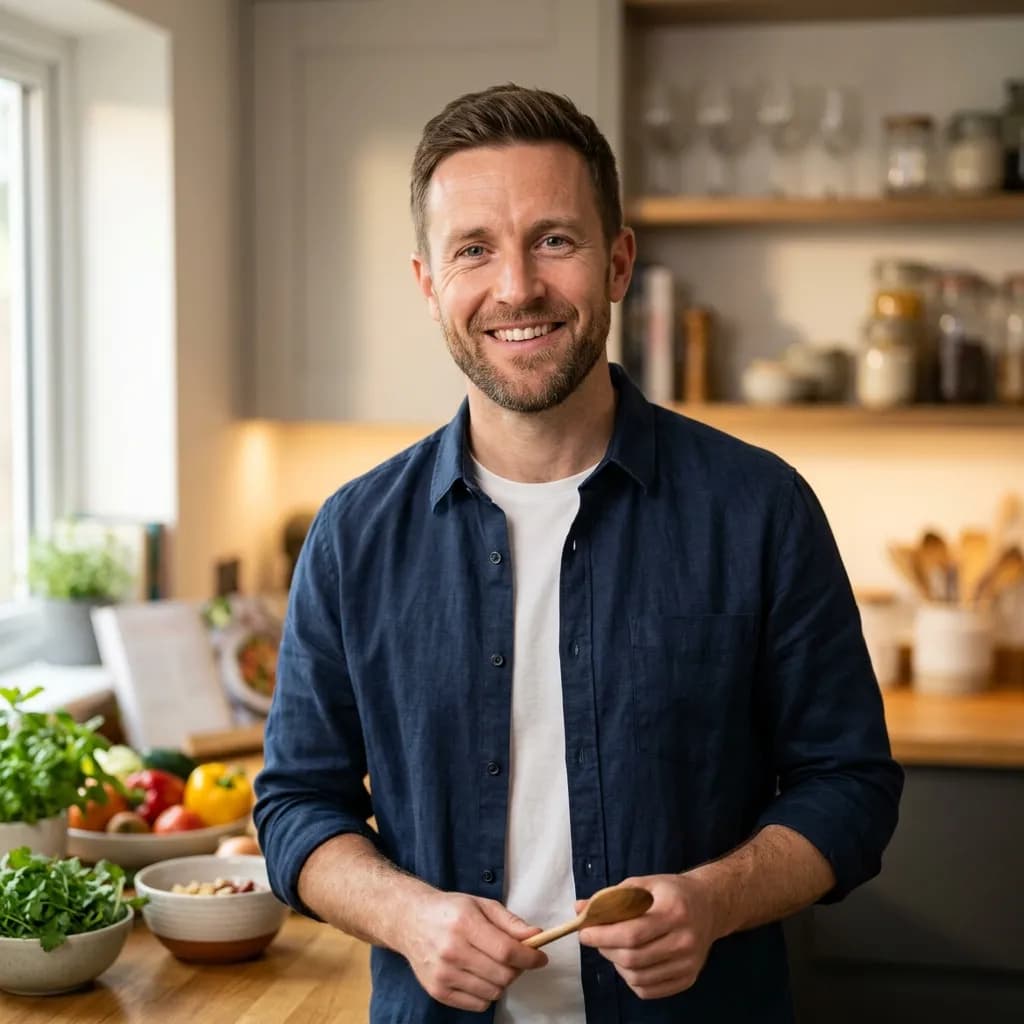
Stewart Lucas
Nutritionist & Recipe DeveloperStewart Lucas is a nutritionist and recipe developer representing the NutriGuide team. All articles, dietary guidelines, and meal plans published on this site are designed and audited by certified dietitians and clinical nutrition professionals to guarantee absolute accuracy.
Explore More
Community Reviews
Please log in to leave a review.