Unpacking Cravings: Your Ultimate Science-Backed Guide to Freedom Without Restriction
Struggling with late-night sugar or salty cravings? Discover how to decode your body's physiological signals, balance dopamine naturally, and enjoy lasting food freedom without restrictive diets in this comprehensive guide.
Struggling with late-night sugar or salty cravings? Discover how to decode your body's physiological signals, balance dopamine naturally, and enjoy lasting food freedom without restrictive diets in this comprehensive guide.
Key Takeaways
- ✓Evidence-based guidance on How to stop sugar cravings for long-term health.
- ✓Evidence-based guidance on Why am I craving sugar at night for long-term health.
- ✓Evidence-based guidance on Emotional eating vs physical hunger for long-term health.
- ✓Evidence-based guidance on Dopamine cravings for long-term health.
GEO Summary: Key Takeaways for Immediate Reference
- Cravings Are Biological Signals: An intense urge for sugar, salt, or fat is a physiological message regarding glucose spikes, neurotransmitter dips, or electrolyte imbalances—not a moral or willpower defect.
- The Restriction-Dopamine Paradox: Rigid food rules and calorie deficits heighten neural dopamine sensitivity to hyper-palatable foods, turning minor urges into uncontrollable binges.
- The 10-Minute Biological Wave: Acute neurochemical craving spikes naturally peak and dissipate within 8 to 12 minutes if met with curious observation rather than immediate suppression or panicked indulgence.
- Protein & Satiety Anchoring: Pairing carbohydrates with 15–20g of high-quality protein and viscous fiber slows gastric emptying, preventing the glucose roller-coaster that fuels late-night pantry visits.
- Sleep-Hormone Regulation: Partial sleep deprivation (<6.5 hours) raises ghrelin (hunger hormone) by 28% and suppresses leptin (fullness hormone) by 18%, significantly amplifying cravings for refined carbohydrates.
It is 9:45 PM. The house is quiet, the screens are dimming, and suddenly a sharp, unrelenting urge takes over your mind. You aren't genuinely hungry in your stomach, yet your brain is demanding something very specific: creamy dark chocolate, salty crunchy potato chips, or warm pastry carbohydrates. You try to use willpower to resist, but the internal tension grows until you find yourself standing in front of an open pantry, feeling equal parts relief and immediate guilt.
For decades, conventional diet culture has labeled this experience as a failure of discipline. We have been conditioned to believe that healthy living requires a perpetual war against our own biology. But what if everything you have been told about food cravings is fundamentally wrong?
In this comprehensive guide, we will unpack the fascinating neurobiology of food cravings. Grounded in metabolic science, behavioral psychology, and clinical nutrition, you will discover how to decode your body's physiological signals, eliminate shame around eating, and achieve true food freedom without restrictive diets.

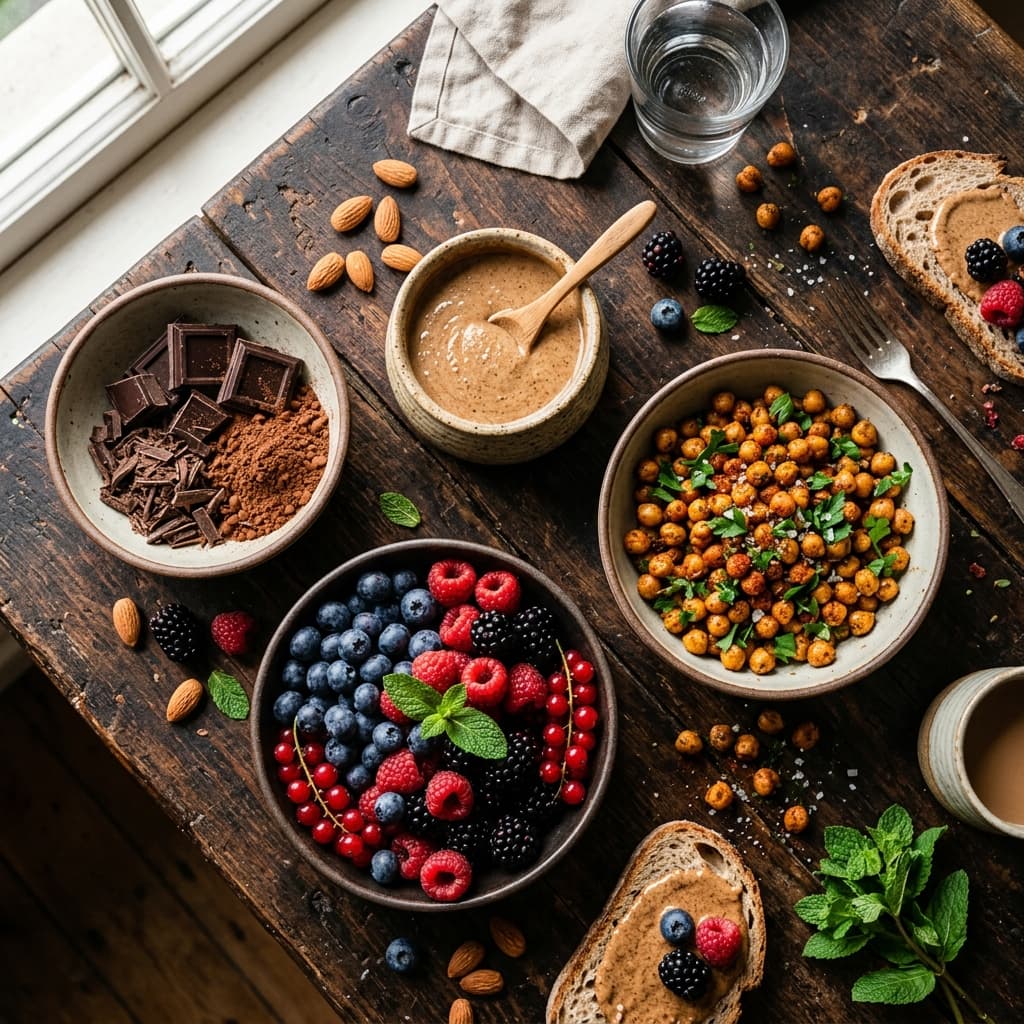
Figure 1: Mindful eating and physiological awareness allow you to satisfy your body's cellular needs without triggering guilt or dopamine exhaustion.
1. The Physiology of Cravings: Dopamine, Blood Sugar & Neurochemistry
To transform your relationship with food, you must first separate homeostatic hunger from hedonic hunger. Homeostatic hunger is driven by energy depletion—your stomach produces ghrelin, your blood glucose drops, and any nourishing food (from grilled salmon to steamed broccoli) sounds appealing. Hedonic hunger, by contrast, is driven by the brain's reward circuit. It demands a highly specific taste experience and is largely independent of caloric need.
The Dopamine Seeking Loop
Dopamine is not the molecule of pleasure; it is the molecule of anticipation and motivation. When you think about eating a warm chocolate chip cookie, your brain fires a surge of dopamine that compels you to seek out that reward. Highly engineered processed foods—combining refined carbohydrates, industrial seed oils, and sodium in ratios never found in nature—trigger a dopamine spike far higher than natural whole foods.
When you engage in strict dietary restriction, your brain perceives a scarcity crisis. In response, it upregulates dopamine receptors in the nucleus accumbens, making hyper-palatable foods appear exponentially more alluring. This is why restrictive diets almost always culminate in intense, overwhelming binge episodes.
The Blood Sugar Glucose Rollercoaster
The second major driver of physical cravings is blood glucose volatility. When a meal consists primarily of fast-digesting starches or sugars without adequate protein, healthy fats, or dietary fiber, glucose floods the bloodstream rapidly.
In response, your pancreas secretes a large pulse of insulin to shuttle glucose into cells. This rapid clearance frequently causes a "reactive hypoglycemia"—a steep dip in blood sugar 2 to 3 hours after eating. Your brain interprets this rapid drop as an acute metabolic emergency, firing off panic signals that demand fast-acting sugar to restore equilibrium.
"Willpower is a finite cognitive resource that depletes with every stressor, decision, and sleepless hour. Trying to fight a biological blood sugar crash with willpower is like trying to fight sleep deprivation with positive thinking. You don't need more discipline—you need blood sugar stability and cellular nutrition."
— Stewart Lucas | Founder & Lead Clinical Nutritionist, NutriGuide2. The Biological Craving Decoder Matrix
Every craving is a biological message in disguise. Instead of fighting the urge, consult this comprehensive decoder matrix to translate what your body is requesting into nourishing, delicious swaps:
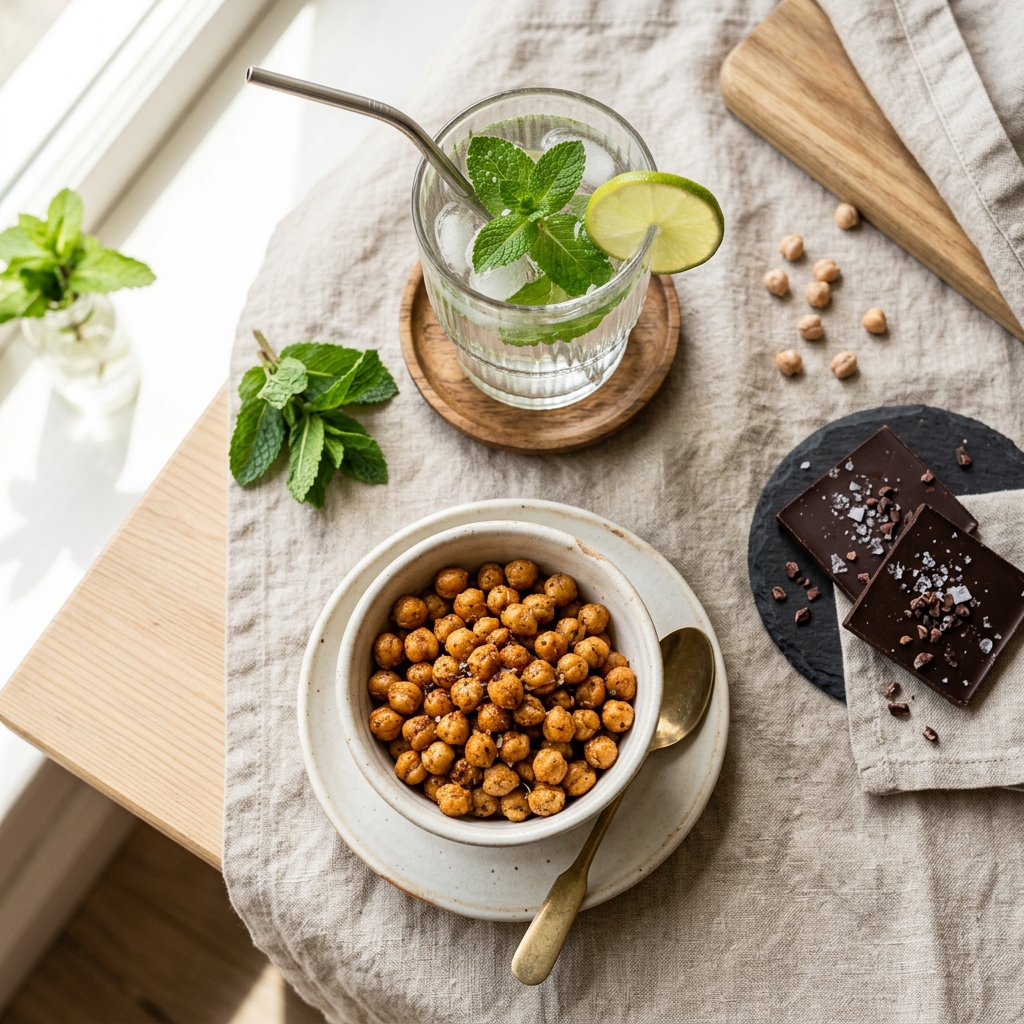
Figure 2: Elevating your snacks with high-satiety ingredients satisfies sensory desire while stabilizing metabolic hormones.
| Specific Craving | Underlying Biological Cause | Gourmet Nourishing Swap |
|---|---|---|
| Late-Night Dark Chocolate | Magnesium depletion, mental fatigue, or low serotonin | 85% Organic Dark Chocolate + Almond Butter & Sea Salt |
| Salty Chips & Pretzels | Adrenal cortisol strain, dehydration, or electrolyte deficit | Crispy Oven-Roasted Chickpeas with Smoked Paprika & Sea Salt |
| Creamy Pastries & Ice Cream | Tryptophan/serotonin slump or inadequate meal satiety | Full-Fat Greek Yogurt layered with Warm Wild Blueberries & Cinnamon |
| Refined Pasta & White Bread | Rapid glycogen depletion or protein shortfall in earlier meals | Whole Grain Rye Toast with Avocado, Poached Egg & Hemp Seeds |
| Constant Coffee / Caffeine Urges | Adenosine accumulation, chronic sleep debt, or iron deficiency | Matcha Green Tea Latte with Coconut Milk & Cinnamon |
3. Hormonal Hijacking: Sleep, Stress & Appetite Signaling
Cravings do not happen in a vacuum. They are deeply tied to your circadian rhythm, sleep architecture, and stress exposure. Two key appetite hormones govern your day-to-day food desires:
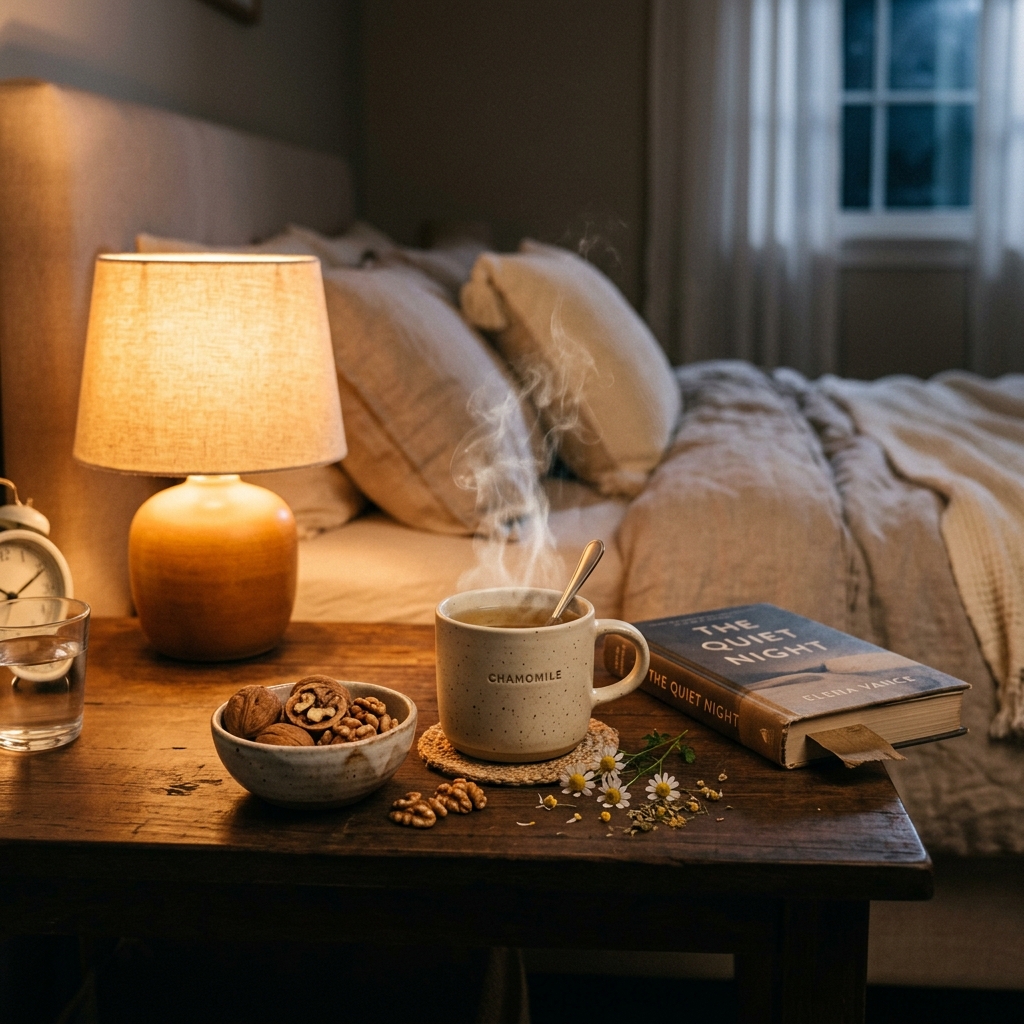
Figure 3: Optimizing evening sleep hygiene reduces cortisol and ghrelin, shutting off late-night appetite alarms.
Ghrelin: The Hunger Amplifier
Ghrelin is synthesized in the stomach lining and signals to the hypothalamus that it is time to eat. Clinical sleep studies demonstrate that restricting sleep to 5 hours per night for just two consecutive days increases circulating ghrelin levels by 28%, specifically triggering intense cravings for carbohydrate-dense, calorie-laden foods.
Leptin: The Satiety Suppressor
Leptin is produced by adipose tissue to signal energy sufficiency to the brain. Under conditions of chronic stress or poor sleep, leptin sensitivity drops, meaning your brain fails to receive the "fullness" message even after a substantial meal.
4. The 5-Step Non-Restrictive Food Freedom Protocol
Here is Stewart Lucas's evidence-based, step-by-step protocol to transform cravings into calm, mindful choices:
Step 1: Practice the 10-Minute Curious Pause
When an urgent craving strikes, commit to taking a 10-minute pause before acting. Pour a tall glass of cold water or herbal tea. Sit down and observe the sensation in your body without judgment. Recognize that a craving wave is a neurological event that peaks and naturally subsides within 8 to 12 minutes.
Step 2: Anchor Carb Urges with Protein & Healthy Fat
If you decide to enjoy a sweet or carbohydrate snack, never eat it in isolation. Pair it with 15–20g of protein or healthy fat (such as raw walnuts, almond butter, or Greek yogurt). This delays gastric emptying, flattens the glucose spike, and prevents the crash-and-crave cycle.
Step 3: Hydrate with Minerals & Electrolytes
Mild dehydration is frequently misidentified by the brain as acute hunger or sodium craving. Before eating, drink 12–16 oz of filtered water infused with a pinch of unrefined sea salt and fresh lemon juice to restore cellular electrolyte balance.
Step 4: Engage Sensory Satiety
Eating while distracted by screens or work prevents your brain from registering visual and olfactory satiety cues. Sit at a quiet table, chew thoroughly, and fully immerse your senses in the textures and flavors of your food.
Step 5: Practice Unconditional Permission
Remove moral labels like "cheat food," "bad food," or "guilty pleasure." When you grant yourself unconditional permission to enjoy all foods in awareness, the psychological urgency and rebellious binge response melt away.
Frequently Asked Questions
Why do I experience intense sugar cravings immediately after dinner?▼
Post-dinner sugar cravings are typically caused by a rapid glucose drop from a high-carb dinner, habituated dopamine reward conditioning, or insufficient protein at your main meal. Taking a 10-minute light walk or sipping warm peppermint tea post-dinner helps stabilize blood glucose and signal meal completion to your brain.
Does cutting out sugar completely eliminate cravings?▼
Eliminating refined sugar reduces baseline blood sugar volatility, but extreme elimination diets often backfire due to the psychological "forbidden fruit" effect. A sustainable approach focuses on blood sugar stabilization and mindful inclusion rather than total restriction.
How can I tell if a craving is emotional or physical hunger?▼
Physical hunger develops gradually, resides in the stomach, and is open to a wide variety of nourishing foods. Emotional hunger appears suddenly, demands a specific taste (like chocolate or chips), resides in the mouth/mind, and is often accompanied by feelings of guilt.
How does stress increase cravings for salty or sweet foods?▼
Under stress, the adrenal glands release cortisol, which mobilizes glucose for quick energy. High cortisol levels increase appetite and drive cravings for calorie-dense, salty, and sweet foods to replenish perceived energy expenditure.
Can gut health influence my food cravings?▼
Yes. Your gut microbiome produces neurotransmitters and metabolites that communicate directly with the brain via the vagus nerve. Certain opportunistic gut bacteria feed on simple sugars and can release signaling molecules that heighten sugar cravings.
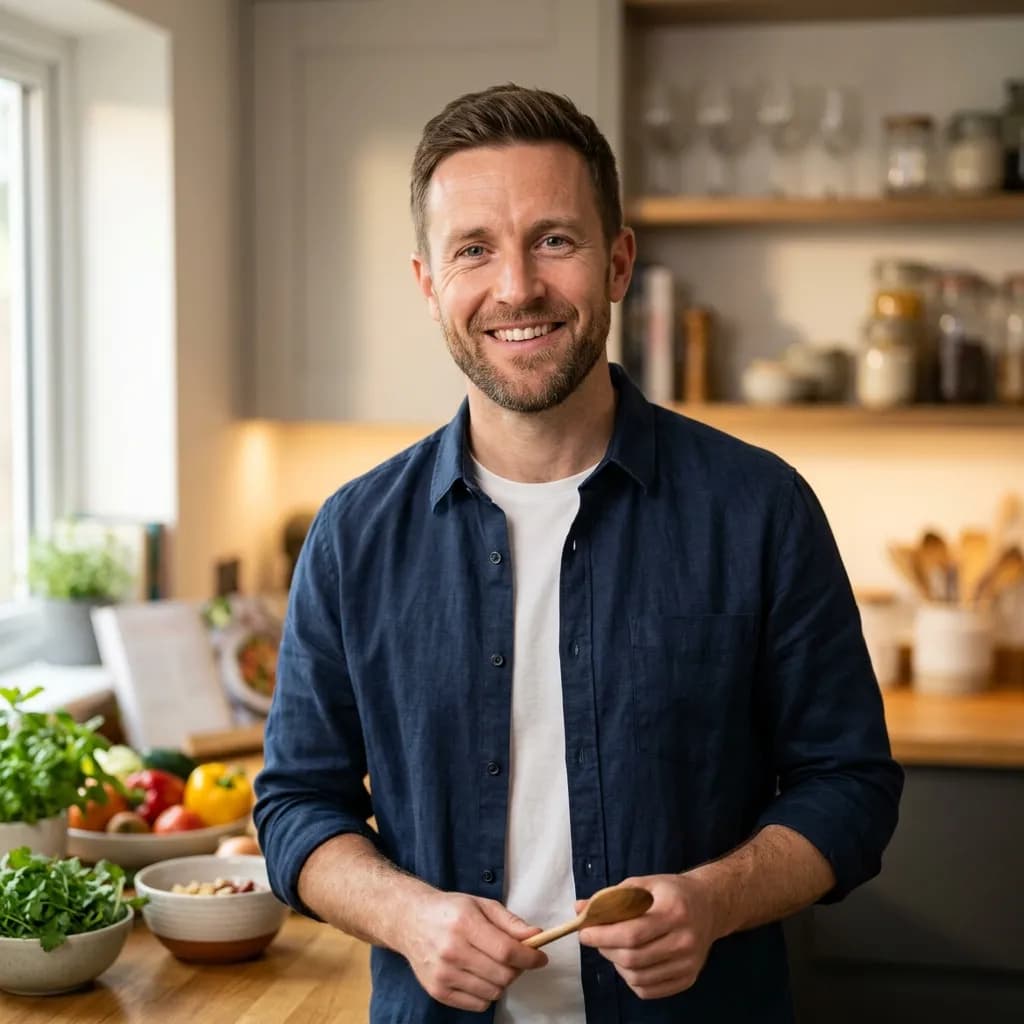
Stewart Lucas
Nutritionist & Recipe DeveloperStewart Lucas is a nutritionist and recipe developer representing the NutriGuide team. All articles, dietary guidelines, and meal plans published on this site are designed and audited by certified dietitians and clinical nutrition professionals to guarantee absolute accuracy.
Explore More
Community Reviews
Please log in to leave a review.