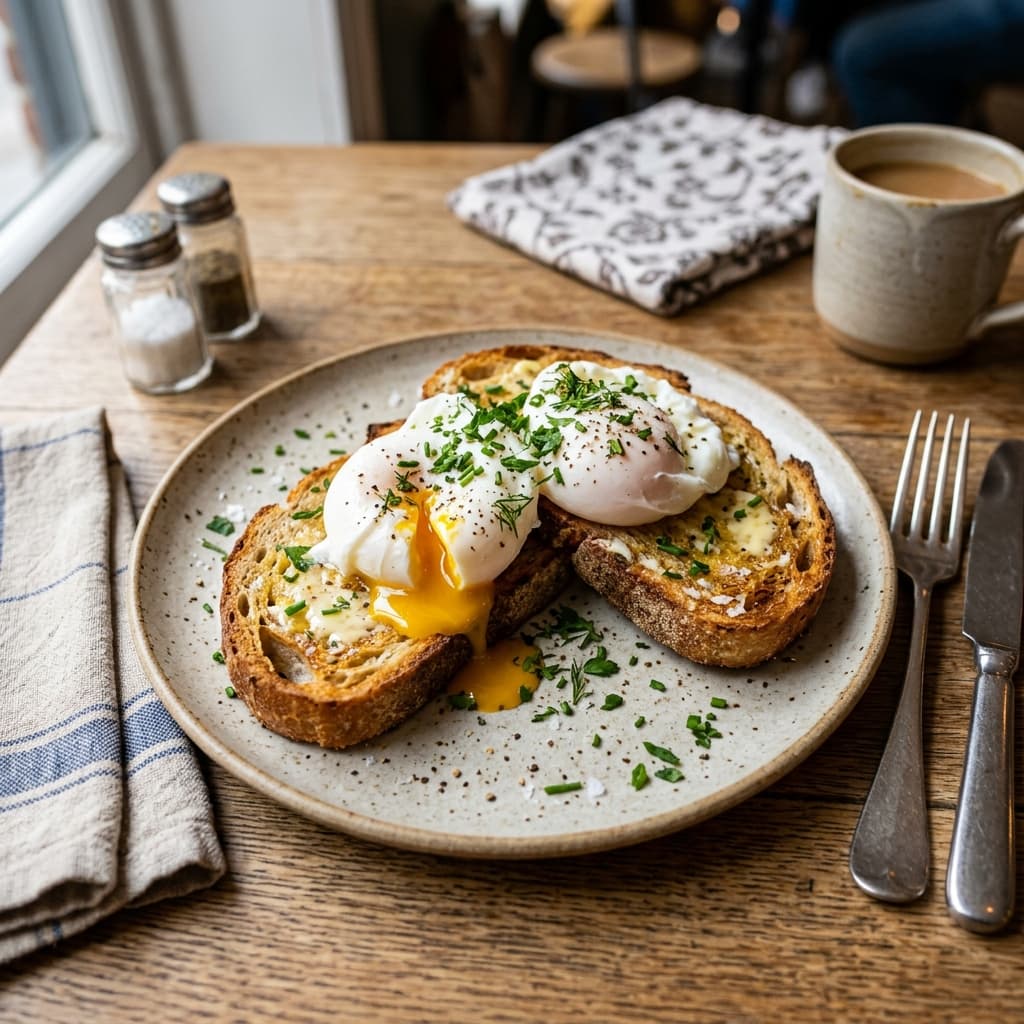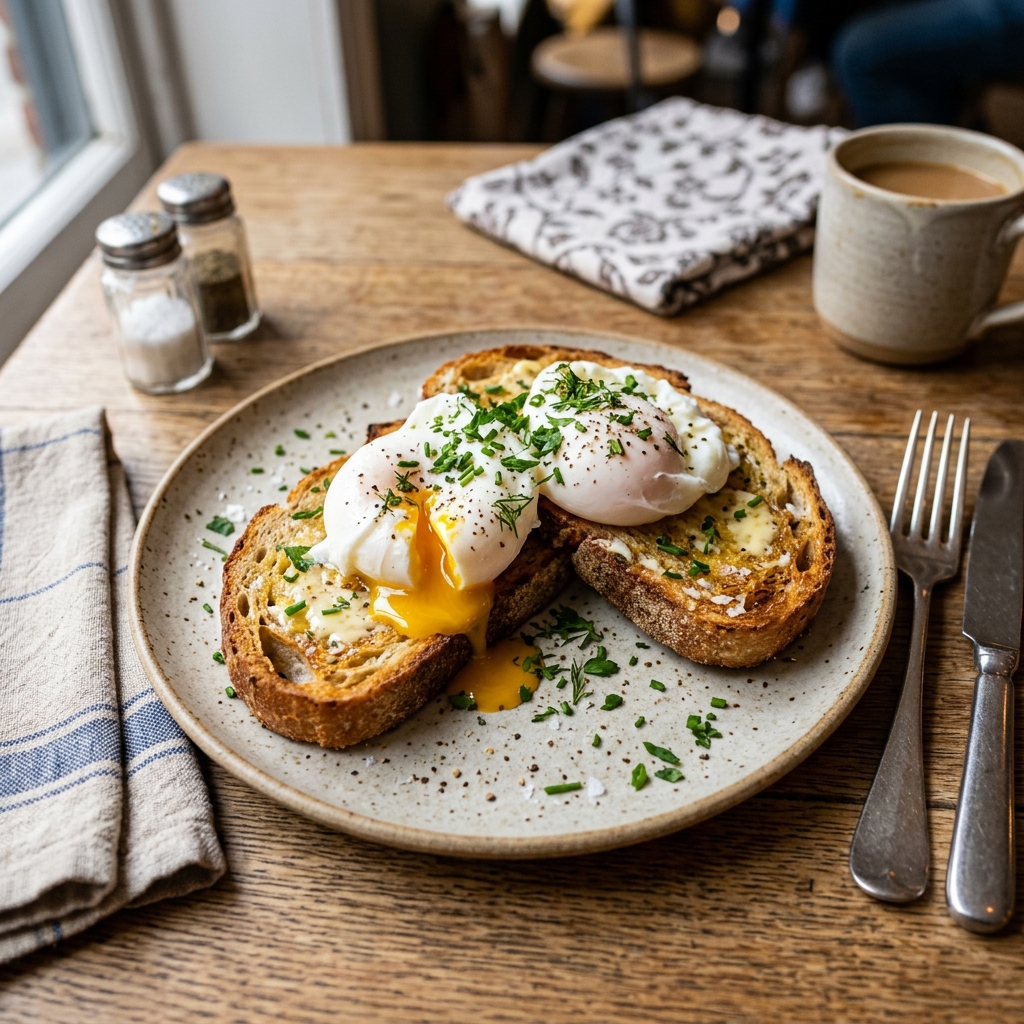
Classic Butter-Poached Eggs
breakfastnon-vegKetoLow-CarbEggsButterMuscle MaintenanceBrain Health

Classic Butter-Poached Eggs

5 mins
Easy
4 Servings
Be the first to review

The Story

This healthy Classic Butter-Poached Eggs recipe is a clean eating meal option rich in nutrients. Optimized for breakfast, non-veg, Keto, Low-Carb, Eggs and created by certified nutritionist Stewart Lucas, it is designed to fit seamlessly into a health-focused lifestyle.

Classic Butter-Poached Eggs: The Art of the Perfect Morning

Quick Summary: Butter-poached eggs offer a transformative breakfast experience. By introducing a delicate richness to the traditional poaching process, you achieve a velvety white and a lush, custard-like yolk. This method is a masterclass in texture, proving that simple, wholesome ingredients can elevate your morning routine into a quiet, meditative ritual.

There is a specific, quiet magic in the kitchen when you drop an egg into gently swirling water. The steam rises, carrying that clean, earthy scent of fresh protein and hot water. For years, I avoided poaching because I thought it was reserved for high-end hotel breakfast buffets. But the truth? It’s one of the most reliable, satisfying ways to prepare eggs once you understand how they react to heat.

When we talk about "butter-poached," we aren't just boiling an egg in fat. We are creating an environment where the egg whites set firmly enough to contain the yolk, while the butter—brushed on at the final moment—adds a silky, luxurious mouthfeel that coats the palate. It is a protein-dense, low-carbohydrate breakfast that keeps you focused and satisfied long after your coffee is finished.

Essential Ingredients

Quality is non-negotiable here. Because this dish relies on so few components, each one needs to hold its own.

  • 4 Large organic, pasture-raised eggs (freshness is the key to a tight, uniform shape)
  • 2 tbsp high-quality, cold-churned grass-fed butter (for that deep, golden richness)
  • 1 tbsp white vinegar (to help the whites set instantly)
  • 1/2 tsp flaky sea salt
  • Freshly cracked black pepper
  • Optional: A handful of finely minced fresh chives or a pinch of smoked paprika

Nutritional Science & Benefits

Eggs are a true superfood, containing high-quality protein and all nine essential amino acids. The yolks are packed with choline, which is vital for brain health and cellular function. When you use grass-fed butter, you are also adding a source of CLA (conjugated linoleic acid) and fat-soluble vitamins like A, D, and E, which help your body absorb other nutrients from your meal.

The Preparation Method

  1. The Tempering Process: Fill a wide, shallow saucepan with about 3 inches of water. Bring it to a very lazy simmer—you want small, infrequent bubbles rising from the bottom, not a rolling boil. Add your vinegar. If the water is too aggressive, it will tear the whites apart.
  2. The Vortex: Take a slotted spoon and create a gentle, circular current in the water. This helps the white wrap itself around the yolk.
  3. The Drop: Crack your egg into a small ramekin first. Never crack directly into the water, as the shell might break or the yolk could rupture. Slide the egg from the ramekin into the center of the vortex.
  4. Timing: Set your timer for exactly 3 minutes. The whites should look opaque and firm, but the yolk should still offer a slight "wobble" when you touch it lightly with a spoon.
  5. The Butter Finish: Gently lift the egg out with your slotted spoon. Place it briefly on a folded paper towel to absorb excess water. While still warm, brush the top lightly with your softened grass-fed butter. The butter will melt into the crevices, carrying the salt and pepper deep into the egg.
Stewart's Secret: If you are nervous about your poaching technique, strain your raw eggs through a fine-mesh sieve before poaching. This removes the thin, watery part of the egg white that usually creates those messy, wispy "tails" in the pan. You will be left with only the thick, beautiful white that holds a perfect oval shape.

Meal Prep & Storage

If you have a busy week ahead, you can absolutely prep these in advance. Poach the eggs for 2 minutes—slightly underdone—and immediately drop them into a bowl of ice water to stop the cooking. They can sit in the fridge in a container of cold water for up to two days. When you are ready to eat, simply drop the cold egg into simmering water for 60 seconds to warm it through. It’s a game-changer for weekday mornings.

Flavor Variations

The Savory Herb

Whisk a teaspoon of chopped fresh tarragon or chives into your butter before brushing.

The Spicy Kick

Substitute the black pepper for a dusting of Aleppo pepper or red chili flakes for a gentle heat.

The Mediterranean Twist

Serve over a bed of wilted spinach or sautéed kale, seasoned with a squeeze of lemon juice to cut through the richness of the butter.

The Keto Base

Serve the poached egg atop a thick slice of roasted portobello mushroom instead of bread to keep the meal strictly low-carb and nutrient-dense.

Nutritional Snapshot

Nutrient Amount per serving
Calories 240 kcal
Protein 15g
Fat 19g
Carbohydrates 1g
Choline 300mg

Quick Summary Answer
⏱️ 2 min read📅 Updated: July 8, 2026

This healthy Classic Butter-Poached Eggs recipe is a clean eating meal option rich in nutrients. Optimized for breakfast, non-veg, Keto, Low-Carb, Eggs and created by certified nutritionist Stewart Lucas, it is designed to fit seamlessly into a health-focused lifestyle.

Key Takeaways

  • Vetted recipe compliant with a balanced breakfast dietary lifestyle.
  • Vetted recipe compliant with a balanced non-veg dietary lifestyle.
  • Vetted recipe compliant with a balanced keto dietary lifestyle.
  • Under 10g of net carbohydrates per serving to support ketosis or blood sugar stability.

Classic Butter-Poached Eggs

This healthy Classic Butter-Poached Eggs recipe is a clean eating meal option rich in nutrients. Optimized for breakfast, non-veg, Keto, Low-Carb, Eggs and created by certified nutritionist Stewart Lucas, it is designed to fit seamlessly into a health-focused lifestyle.

☆☆☆☆☆Be the first to rate!
CourseBreakfast
Prep Time5 mins
Cook Time5 mins
Total Time10 mins
Servings4
AuthorStewart Lucas

Macro Nutrition Profile (Per Serving)

Calories12% DV
240 kcal
Protein30% DV
15g
Fat24% DV
19g
Carbs0% DV
1g
Scale Ingredients

Ingredients

Ingredient Substitutions

Original IngredientHealthy Alternative
Poached eggsFirm tofu slices (lightly pan-seared) or avocado slices (for a rich plant-based fat source)
Baby spinachSwiss chard, baby kale, or arugula (wilt at the same temperature/time)
White vinegarLemon juice or apple cider vinegar (acid helps egg whites coagulate)

Instructions

1

The Tempering Process: Fill a wide, shallow saucepan with about 3 inches of water. Bring it to a very lazy simmer—you want small, infrequent bubbles rising from the bottom, not a rolling boil. Add your vinegar. If the water is too aggressive, it will tear the whites apart.

2

The Vortex: Take a slotted spoon and create a gentle, circular current in the water. This helps the white wrap itself around the yolk.

3

The Drop: Crack your egg into a small ramekin first. Never crack directly into the water, as the shell might break or the yolk could rupture. Slide the egg from the ramekin into the center of the vortex.

4

Timing: Set your timer for exactly 3 minutes. The whites should look opaque and firm, but the yolk should still offer a slight "wobble" when you touch it lightly with a spoon.

3:00
5

The Butter Finish: Gently lift the egg out with your slotted spoon. Place it briefly on a folded paper towel to absorb excess water. While still warm, brush the top lightly with your softened grass-fed butter. The butter will melt into the crevices, carrying the salt and pepper deep into the egg.

Tried this recipe?

Let us know how it turned out! Click a star below to leave a review and rate the recipe.

Storage & Freezing Tips

  • Refrigerator: Store in an airtight container for up to 2 days. Keep the components separate if possible to preserve texture.
  • Reheating: Reheat gently in a skillet on medium-low heat with a splash of olive oil or butter.
  • Freezing: Freezing is not recommended for this dish because ingredients like eggs become soggy, rubbery, or mushy when defrosted.

Frequently Asked Questions

Why does my egg yolk keep breaking in the water?

Usually, this happens if the egg is dropped from too high up or if the water is at a rolling boil. Keep your ramekin close to the water's surface before sliding it in, and ensure the water is barely shivering.

Is the vinegar going to make my eggs taste sour?

Not at all. You are only using one tablespoon in a large pot of water. The vinegar does its job of binding the proteins and then dissipates. You will not taste it in the final product.

Can I use this method for a large crowd?

Yes, though it requires the "ice bath" method mentioned above. Poach all your eggs in batches the day before, store them in the fridge, and reheat them all at once in hot water just before your guests arrive.

Why does the color of the yolk vary so much?

The color of the yolk is almost entirely dependent on the diet of the hen. Pasture-raised hens that eat a diverse diet of greens and insects will produce deep, orange-colored yolks that are richer in omega-3 fatty acids.

Tried this recipe?

Tag @stewartlucas on Instagram and hashtag it #nutriguide!

You Might Also Like

Simple Roasted Lemon Herb Chicken & Broccoli
RECIPE

Simple Roasted Lemon Herb Chicken & Broccoli

Pan-Seared White Fish with Garlic-Sautéed Kale
RECIPE

Pan-Seared White Fish with Garlic-Sautéed Kale

RECIPE
RECIPE

Pan-Seared Pork Chops with Steamed Broccoli

Stewart Lucas

Stewart Lucas

Nutritionist & Recipe Developer

Stewart Lucas is a nutritionist and recipe developer representing the NutriGuide team. All recipes, nutritional values, and diet protocols published on this site are designed and audited by certified dietitians and clinical nutrition professionals to guarantee absolute accuracy.

Community Reviews

Please log in to leave a review.