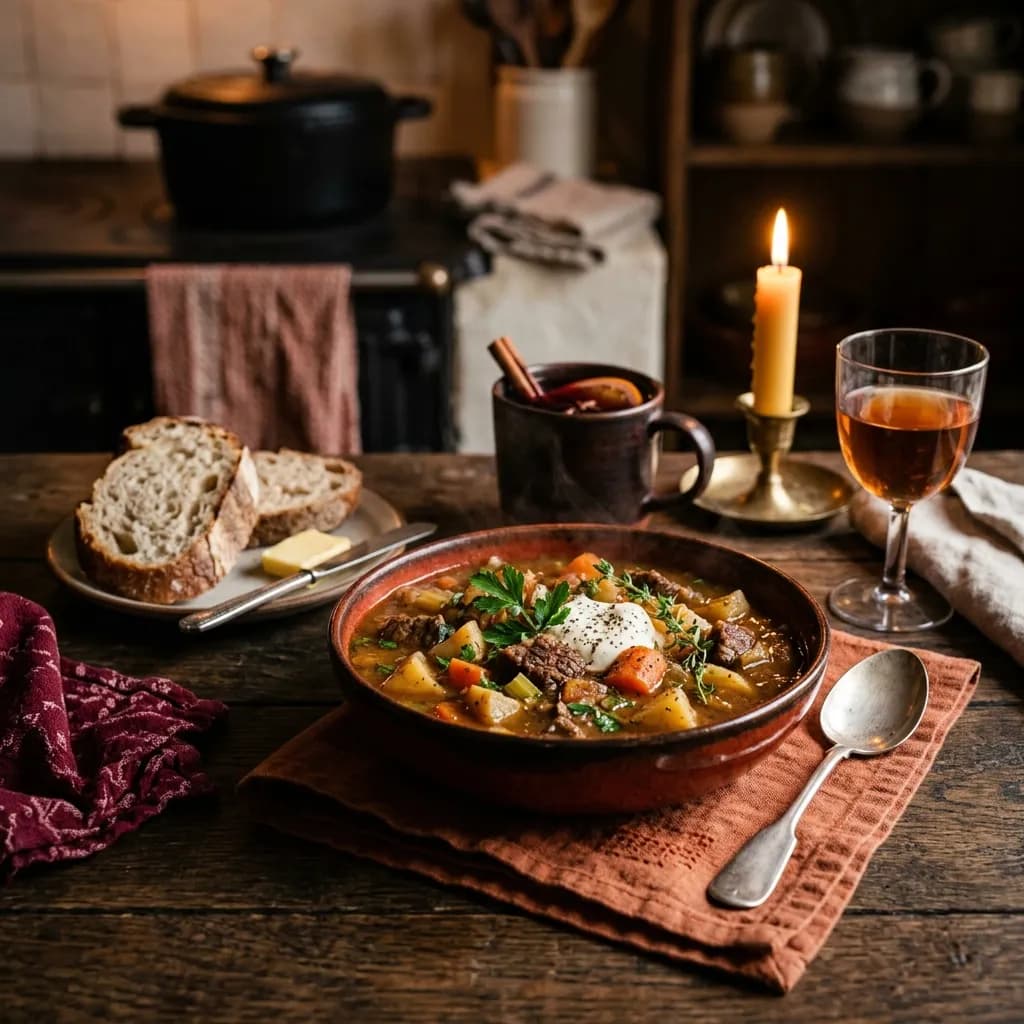
Roasted Turkey Breast with Seasonal Root Vegetables
This healthy Roasted Turkey Breast with Seasonal Root Vegetables recipe is a clean eating meal option rich in nutrients. Optimized for non-veg, dinner, Gluten-Free, Muscle Maintenance, Turkey Breast and created by certified nutritionist Stewart Lucas, it is designed to fit seamlessly into a health-focused lifestyle.
Key Takeaways
- ✓Ready in just 45 mins using straightforward, kitchen-tested technique.
- ✓Delivers 42g of muscle-fueling protein per serving for lasting satiety.
- ✓Portion-balanced at 450 calories per serving with wholesome, unrefined ingredients.
- ✓Masterclass temperature checkpoints ensure maximum tenderness and flavor development.
The Story
This healthy Roasted Turkey Breast with Seasonal Root Vegetables recipe is a clean eating meal option rich in nutrients. Optimized for non-veg, dinner, Gluten-Free, Muscle Maintenance, Turkey Breast and created by certified nutritionist Stewart Lucas, it is designed to fit seamlessly into a health-focused lifestyle.
Roasted Turkey Breast with Seasonal Root Vegetables
Quick Summary
This one-pan roast is a staple in my kitchen. It marries lean, high-quality turkey breast with the earthy sweetness of roasted root vegetables. It is simple, nutrient-dense, and practically cleans itself up since everything happens on a single sheet pan. Perfect for a cozy weeknight dinner or an effortless weekend meal prep.
A Simple, Soul-Warming Classic
There is something remarkably grounding about the sound of a hot roasting pan coming out of the oven. The smell of caramelizing parsnips and fresh rosemary hitting the air brings a sense of comfort that few other dishes can match. When I talk to my clients about clean eating, they often fear that healthy food is complicated or lacks depth. This roasted turkey breast is my answer to that misconception.
By roasting the turkey directly over a bed of hearty vegetables, we create a beautiful, symbiotic relationship in the oven. The juices from the turkey, seasoned with the aromatic punch of smashed garlic and woody rosemary, naturally baste the carrots, potatoes, and parsnips as they soften. The result is a meal that feels complete, satisfying, and deeply nourishing without any fuss.
Ingredients
For the best results, look for a high-quality, bone-in, skin-on turkey breast. That skin is your best friend—it acts as a protective shield for the meat while rendering out flavor into the vegetables below.
- 1.5 lb Turkey breast, skin-on
- 2 tbsp Extra virgin olive oil
- 3 sprigs Fresh rosemary
- 2 cloves Garlic, smashed
- Sea salt and cracked black pepper to taste
- 3 Carrots, peeled and chopped into 1-inch chunks
- 2 Parsnips, peeled and diced
- 1 lb Baby potatoes, halved
- 1 Red onion, cut into thick wedges
Nutritional Science & Benefits
This dish is a masterclass in balanced nutrition. You are hitting all three major macros while getting a significant boost of micronutrients:
- Turkey Breast: A powerhouse of lean, complete protein, essential for muscle repair and metabolic health.
- Root Vegetables: Carrots and parsnips are rich in complex carbohydrates and fiber, which provide sustained energy levels rather than the spikes associated with refined grains.
- Garlic & Rosemary: These are more than just flavor agents. Garlic contains allicin, known for its immune-supporting properties, while rosemary provides antioxidant compounds that help combat oxidative stress.
Method
- Prep the oven: Preheat your oven to 400°F (200°C). A hot oven is essential for getting that initial sizzle that locks in the juices.
- Prepare the base: Spread your chopped carrots, parsnips, potatoes, and red onion across a large, rimmed baking sheet. Drizzle with olive oil, a generous pinch of salt, and pepper. Toss with your hands until every piece is glistening.
- Prepare the protein: Pat the turkey breast completely dry with a paper towel. This step is non-negotiable if you want that golden, crispy skin. Rub the skin with a little olive oil, salt, and pepper.
- Assemble: Clear a small space in the center of the vegetables and place the turkey breast directly on the tray. Tuck the smashed garlic cloves and rosemary sprigs underneath and around the turkey.
- Roast: Place in the center rack. Roast for 40–50 minutes. You are looking for a beautiful golden-brown color on the skin and an internal temperature of 165°F in the thickest part of the breast.
- The Rest: Remove the tray from the oven. Transfer the turkey to a cutting board and let it rest, undisturbed, for at least 10 minutes. This is when the muscle fibers relax and the juices redistribute, ensuring your turkey is succulent rather than dry.
Stewart's Culinary Coaching Tips
If you find the vegetables are getting a bit too dark before the turkey is finished, simply tent a piece of foil loosely over the entire tray. Conversely, if you want the veggies to have a deeper caramelization, roast them for 10 minutes alone before adding the turkey to the pan. And remember, don't peel the baby potatoes—the skin adds texture and preserves the nutrients right beneath the surface.
Meal Prep & Storage Guide
This recipe is a meal-prep dream. Once cooked, store the turkey and vegetables in separate airtight containers in the refrigerator for up to 3 days. When reheating, I recommend a splash of chicken broth in your skillet or a microwave-safe dish to keep the moisture levels high. Avoid high-heat reheating, which can turn the turkey tough; go for a gentle, low-heat warm-up.
Flavor Variations
You can easily pivot this dish based on what is in your pantry:
Low-Carb Swap
Replace the potatoes and carrots with cauliflower florets, radishes, and stalks of asparagus (added for the last 15 minutes of roasting).
Herb Infusion
Swap rosemary for fresh thyme and sage for an earthy, savory profile that feels like a classic autumn harvest.
Citrus Zest
Add thin slices of lemon directly over the turkey breast before putting it in the oven. The acid cuts through the richness and brightens the entire tray.
Nutritional Snapshot
| Nutrient | Amount per Serving |
|---|---|
| Calories | 450 kcal |
| Protein | 42g |
| Fat | 15g |
| Carbohydrates | 38g |
Roasted Turkey Breast with Seasonal Root Vegetables
This healthy Roasted Turkey Breast with Seasonal Root Vegetables recipe is a clean eating meal option rich in nutrients. Optimized for non-veg, dinner, Gluten-Free, Muscle Maintenance, Turkey Breast and created by certified nutritionist Stewart Lucas, it is designed to fit seamlessly into a health-focused lifestyle.
Macro Nutrition Profile (Per Serving)
Ingredients
Ingredient Substitutions
| Original Ingredient | Healthy Alternative |
|---|---|
| Chicken breast | Turkey breast or extra-firm tofu (1:1 ratio) |
| Dino kale/greens | Baby spinach or Swiss chard (cooks faster, add at the end) |
Instructions
Prep the oven: Preheat your oven to 400°F (200°C). A hot oven is essential for getting that initial sizzle that locks in the juices.
Prepare the base: Spread your chopped carrots, parsnips, potatoes, and red onion across a large, rimmed baking sheet. Drizzle with olive oil, a generous pinch of salt, and pepper. Toss with your hands until every piece is glistening.
Prepare the protein: Pat the turkey breast completely dry with a paper towel. This step is non-negotiable if you want that golden, crispy skin. Rub the skin with a little olive oil, salt, and pepper.
Assemble: Clear a small space in the center of the vegetables and place the turkey breast directly on the tray. Tuck the smashed garlic cloves and rosemary sprigs underneath and around the turkey.
Roast: Place in the center rack. Roast for 40–50 minutes. You are looking for a beautiful golden-brown color on the skin and an internal temperature of 165°F in the thickest part of the breast.
The Rest: Remove the tray from the oven. Transfer the turkey to a cutting board and let it rest, undisturbed, for at least 10 minutes. This is when the muscle fibers relax and the juices redistribute, ensuring your turkey is succulent rather than dry.
Tried this recipe?
Let us know how it turned out! Click a star below to leave a review and rate the recipe.
Storage & Freezing Tips
- Refrigerator: Store leftovers in an airtight container for up to 3-4 days.
- Reheating: Heat in a saucepan or skillet on medium heat until hot throughout.
- Freezing: Freeze portions in airtight containers for up to 2 months. Reheat directly from frozen or after thawing.
Frequently Asked Questions
How do I know when the turkey is truly cooked?▼
The only foolproof method is using a digital meat thermometer. Insert it into the thickest part of the breast—not touching the bone. When it registers 165°F, it is perfectly cooked and safe to pull from the oven.
Can I use other root vegetables?▼
Absolutely. Turnips, rutabaga, or even cubes of butternut squash work wonderfully here. Just keep the pieces uniform in size so they cook evenly with the potatoes and carrots.
Why is it important to rest the meat?▼
When meat cooks, the juices migrate toward the center. If you slice it immediately, those juices will run out onto the board. Resting allows the internal heat to distribute evenly, locking the moisture back into the protein.
Can this be frozen for later?▼
You can freeze the cooked turkey, though the vegetables may lose some texture once thawed. I suggest freezing the turkey in a little bit of broth to maintain quality for up to one month.
Tried this recipe?
Tag @stewartlucas on Instagram and hashtag it #nutriguide!
You Might Also Like

Stewart Lucas
Nutritionist & Recipe DeveloperStewart Lucas is a nutritionist and recipe developer representing the NutriGuide team. All recipes, nutritional values, and diet protocols published on this site are designed and audited by certified dietitians and clinical nutrition professionals to guarantee absolute accuracy.
Community Reviews
Please log in to leave a review.