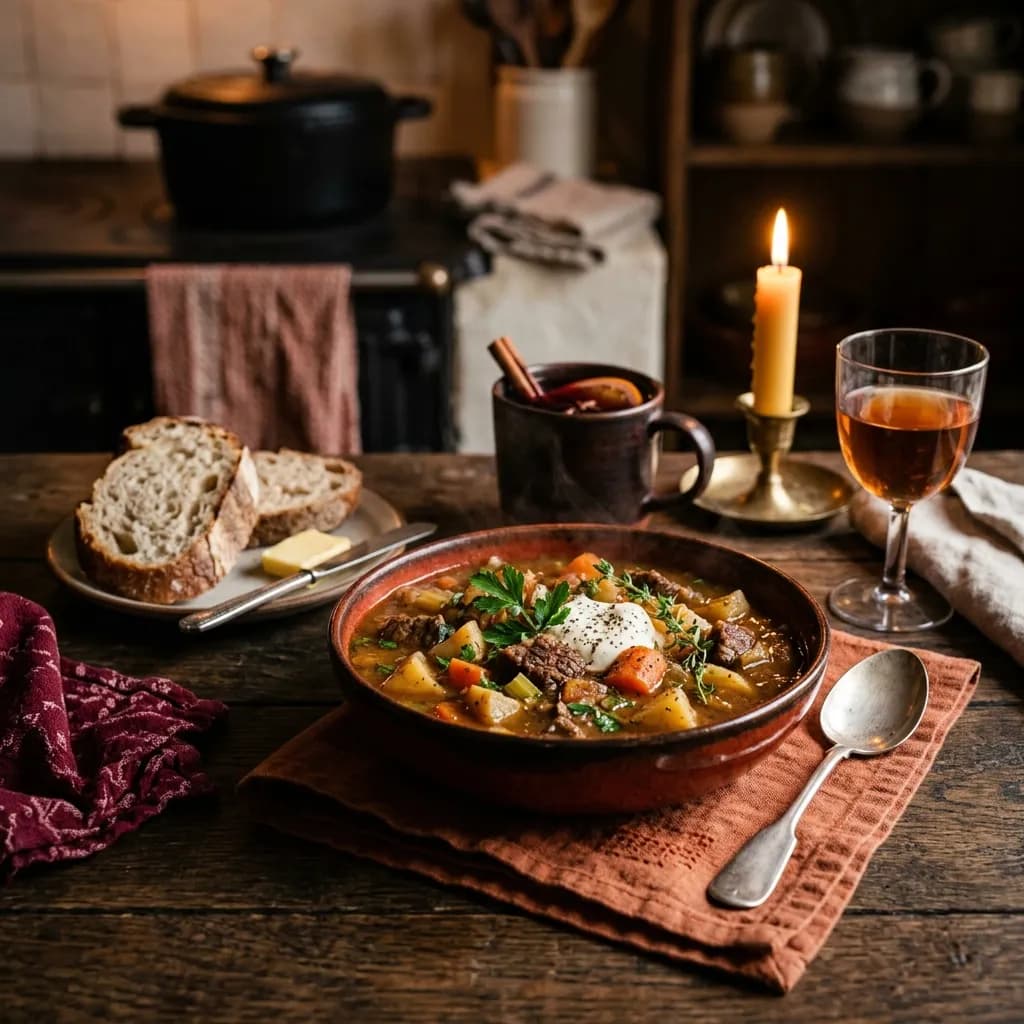
Slow-Cooked Pulled Pork
This healthy Slow-Cooked Pulled Pork recipe is a clean eating meal option rich in nutrients. Optimized for non-veg, dinner, Keto, Low-Carb, Dairy-Free and created by certified nutritionist Stewart Lucas, it is designed to fit seamlessly into a health-focused lifestyle.
Key Takeaways
- ✓Ready in just 300 mins using straightforward, kitchen-tested technique.
- ✓Delivers 38g of muscle-fueling protein per serving for lasting satiety.
- ✓Portion-balanced at 450 calories per serving with wholesome, unrefined ingredients.
- ✓Masterclass temperature checkpoints ensure maximum tenderness and flavor development.
The Story
This healthy Slow-Cooked Pulled Pork recipe is a clean eating meal option rich in nutrients. Optimized for non-veg, dinner, Keto, Low-Carb, Dairy-Free and created by certified nutritionist Stewart Lucas, it is designed to fit seamlessly into a health-focused lifestyle.
Slow-Cooked Pulled Pork: A Lesson in Patience and Flavor
There is something inherently calming about the sound of a Dutch oven humming away in the oven on a quiet afternoon. When you cook a pork shoulder—often called a Boston butt—you aren't just making dinner; you are engaging in a slow, aromatic process that honors the ingredient. The smell of earthy paprika, toasted garlic, and the sharp, bright tang of apple cider vinegar filling the kitchen is enough to make anyone slow down their pace.
As a nutritionist, I often hear people say that healthy cooking takes too much time. I tend to disagree. Cooking like this takes planning, but very little active effort. The oven does the heavy lifting, turning a tough, marbleized cut of meat into melt-in-your-mouth strands of protein. It is clean, simple, and incredibly rewarding.
Choosing Your Cut and Preparing the Foundation
For this recipe, you want a pork shoulder with good fat marbling. That fat is your best friend during the long cooking time. As it renders, it bastes the meat from the inside out. Don't worry about the fat content too much; we will discard the excess before serving, leaving you with pure, savory satisfaction.
Ingredients
- 3 lbs Pork Shoulder (boneless, trimmed of excess surface skin)
- 1 tbsp Smoked Paprika (look for high-quality, vibrant spice)
- 1 tsp Sea Salt
- 1/2 tsp Coarsely Ground Black Pepper
- 1 tsp Garlic Powder
- 1 large Yellow Onion, thinly sliced
- 3 cloves Garlic, smashed, not minced
- 1/2 cup Apple Cider Vinegar (the acidity helps tenderize the meat)
- 1/2 cup Low-Sodium Vegetable Broth
- 1 tbsp Olive Oil or Avocado Oil
The Cooking Process
- The Rub: Pat the meat completely dry with a paper towel. This ensures the spices adhere rather than steam off. Massage the paprika, salt, pepper, and garlic powder into every nook and cranny.
- The Sear: Heat your heavy-based pot over medium-high heat. Add your oil. When the oil shimmers, place the pork in. You want to hear that deep, aggressive sizzle. Brown each side for about 3–4 minutes until it develops a deep, mahogany crust. This is where the flavor complexity lives.
- The Bed: Remove the pork briefly. Toss your sliced onions and smashed garlic into the bottom of the pot. These aromatics will caramelize and create a fragrant liquid base for the meat to rest on.
- The Braise: Place the meat back on top. Pour the vinegar and broth around the edges of the meat—not directly over it—to preserve your spice crust. Cover with a heavy lid.
- The Patience: Cook at 300°F (150°C) for 4 to 5 hours. You are looking for an internal temperature of about 200°F, or until a fork slides into the center with absolutely zero resistance.
Stewart's Culinary Coaching Tips
Never rush the shredding process. Once the pork is done, take it out of the pot and let it rest on a cutting board for at least 20 minutes before touching it with a fork. If you shred it while it’s screaming hot, the juices will evaporate instantly. Letting it rest allows the fibers to relax and reabsorb those cooking juices, resulting in a much more succulent final product.
Nutritional Science & Benefits
Pork shoulder is an excellent source of complete protein, containing all nine essential amino acids necessary for muscle repair and metabolic health. By using apple cider vinegar, we introduce acetic acid, which can improve insulin sensitivity after high-protein meals. The addition of aromatics like onions and garlic provides prebiotics that support gut microbiome diversity, while the slow-cooking method prevents the formation of harmful heterocyclic amines (HCAs) that can occur during high-heat grilling.
Flavor Variations and Serving Suggestions
This dish is a blank slate. If you want to change the profile, consider these adjustments:
Citrus-Herb Version
Swap the paprika for dried oregano and cumin, and add a squeeze of orange juice and lime zest to the braising liquid for a carnitas-inspired flavor.
The Spicy Kick
Add a teaspoon of crushed red pepper flakes or a chopped chipotle pepper in adobo sauce to the broth for a smoky, lingering heat.
Vegetarian Swap
You can achieve a similar texture with large-cut chunks of jackfruit or king oyster mushrooms. However, note that these do not require the long braise—simply sauté them in the spices and vinegar base until tender (about 20–30 minutes).
Meal Prep & Storage
This pork is a meal-prepper's dream. It stays incredibly moist when stored in its own juices.
- Refrigeration: Portion the shredded pork into airtight containers along with a few spoonfuls of the degreased cooking liquid. It will stay fresh in the fridge for up to 4 days.
- Freezing: Pulled pork freezes remarkably well. I recommend freezing it in portions. To reheat, thaw in the fridge overnight and gently warm it in a skillet over low heat with a splash of water or broth to prevent it from drying out.
Nutrition Snapshot
| Nutrient | Amount |
|---|---|
| Calories | 450 kcal |
| Protein | 38g |
| Fat | 28g |
| Carbohydrates | 4g |
Slow-Cooked Pulled Pork
This healthy Slow-Cooked Pulled Pork recipe is a clean eating meal option rich in nutrients. Optimized for non-veg, dinner, Keto, Low-Carb, Dairy-Free and created by certified nutritionist Stewart Lucas, it is designed to fit seamlessly into a health-focused lifestyle.
Macro Nutrition Profile (Per Serving)
Ingredients
Ingredient Substitutions
| Original Ingredient | Healthy Alternative |
|---|---|
| Animal protein | Firm tofu, tempeh, or organic chickpeas |
| Cooking fat | Extra virgin olive oil or grass-fed butter |
Instructions
The Rub: Pat the meat completely dry with a paper towel. This ensures the spices adhere rather than steam off. Massage the paprika, salt, pepper, and garlic powder into every nook and cranny.
The Sear: Heat your heavy-based pot over medium-high heat. Add your oil. When the oil shimmers, place the pork in. You want to hear that deep, aggressive sizzle. Brown each side for about 3–4 minutes until it develops a deep, mahogany crust. This is where the flavor complexity lives.
The Bed: Remove the pork briefly. Toss your sliced onions and smashed garlic into the bottom of the pot. These aromatics will caramelize and create a fragrant liquid base for the meat to rest on.
The Braise: Place the meat back on top. Pour the vinegar and broth around the edges of the meat—not directly over it—to preserve your spice crust. Cover with a heavy lid.
The Patience: Cook at 300°F (150°C) for 4 to 5 hours. You are looking for an internal temperature of about 200°F, or until a fork slides into the center with absolutely zero resistance.
Tried this recipe?
Let us know how it turned out! Click a star below to leave a review and rate the recipe.
Storage & Freezing Tips
- Refrigerator: Store leftovers in an airtight container for up to 3-4 days.
- Reheating: Heat in a saucepan or skillet on medium heat until hot throughout.
- Freezing: Freeze portions in airtight containers for up to 2 months. Reheat directly from frozen or after thawing.
Frequently Asked Questions
Can I make this in a slow cooker?▼
Absolutely. Follow the searing step on the stove, then transfer everything to your slow cooker. Cook on low for 8 to 10 hours. It creates the same tender, pull-apart texture that is perfect for busy work weeks.
Is this dish gluten-free?▼
Yes, this recipe is naturally gluten-free. Just double-check your vegetable broth label to ensure there are no hidden thickeners or wheat-based flavorings.
Why do I need to discard the fat?▼
While the fat is essential for cooking the meat, it can become overwhelming in terms of calories and texture if left in the final shred. Skimming the fat from the top of the cooking liquid ensures you get the flavor of the braise without the excess saturated fat content.
What should I serve this with?▼
I love pairing this with a crisp apple-cabbage slaw to cut through the richness of the pork. For a hearty meal, serve it over roasted sweet potatoes or inside whole-grain lettuce wraps for a lighter, nutrient-dense lunch.
Tried this recipe?
Tag @stewartlucas on Instagram and hashtag it #nutriguide!
You Might Also Like

Stewart Lucas
Nutritionist & Recipe DeveloperStewart Lucas is a nutritionist and recipe developer representing the NutriGuide team. All recipes, nutritional values, and diet protocols published on this site are designed and audited by certified dietitians and clinical nutrition professionals to guarantee absolute accuracy.
Community Reviews
Please log in to leave a review.