7-Day Soy-Free Meal Plan: Whole-Food Vegan Recipes & Shopping List
This 7-Day Soy-Free Meal Plan: Whole-Food Vegan Recipes & Shopping List is a structured 7-day nutritional program optimized for Soy Free Meal Plan, Soy Free Vegan Diet, No Tofu Meal Plan, Soy Free Vegan Reset, Dairy and Soy Free. Formulated by certified nutritionist Stewart Lucas, this program organizes your daily breakfast, lunch, and dinner to support your wellness goals.
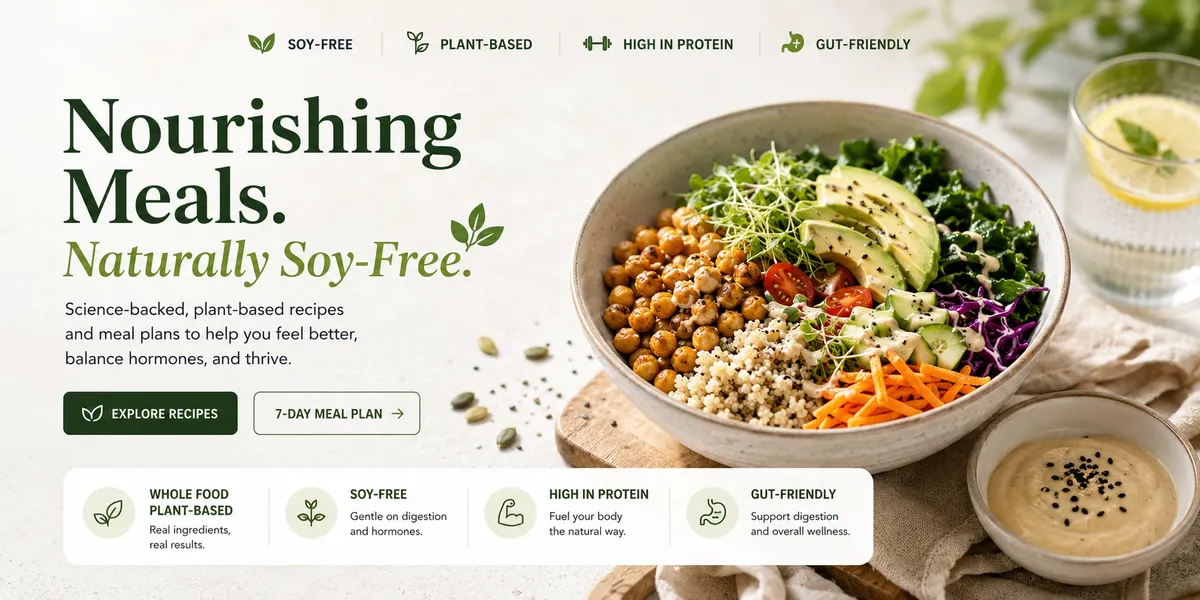
This 7-Day Soy-Free Meal Plan: Whole-Food Vegan Recipes & Shopping List is a structured 7-day nutritional program optimized for Soy Free Meal Plan, Soy Free Vegan Diet, No Tofu Meal Plan, Soy Free Vegan Reset, Dairy and Soy Free. Formulated by certified nutritionist Stewart Lucas, this program organizes your daily breakfast, lunch, and dinner to support your wellness goals.
Key Takeaways
- ✓Evidence-based guidance on Soy Free Meal Plan for long-term health.
- ✓Evidence-based guidance on Soy Free Vegan Diet for long-term health.
- ✓Evidence-based guidance on No Tofu Meal Plan for long-term health.
- ✓Evidence-based guidance on Soy Free Vegan Reset for long-term health.
This 7-Day Soy-Free Meal Plan: Whole-Food Vegan Recipes & Shopping List is a structured 7-day nutritional program optimized for Soy Free Meal Plan, Soy Free Vegan Diet, No Tofu Meal Plan, Soy Free Vegan Reset, Dairy and Soy Free. Formulated by certified nutritionist Stewart Lucas, this program organizes your daily breakfast, lunch, and dinner to support your wellness goals.
Key Takeaways
- Eliminate soy-based inflammation to improve digestion.
- Diversify your protein sources for better amino acid profiles.
- Stabilize blood sugar through high-fiber legume and seed integration.
Whether you need a complete soy free meal plan for a soy allergy, managing soy intolerance, going dairy and soy free while nursing, balancing hormones, or simply diversifying your vegan diet, this science-backed 7-day soy-free vegan meal plan shows you how to thrive. You don't need tofu, tempeh, or soy protein isolate to meet your daily protein needs — whole-food plant-based protein sources like lentils, chickpeas, hemp seeds, and pea protein supply everything your body requires.
What This Soy-Free Diet Plan Will Do for You
This plan is designed for individuals seeking a clean, soy-free plant-based lifestyle without sacrificing muscle support or satiety. By the end of Day 7, expect improved digestive regularity and a sharper mental focus.
The science of this plan rests on diversifying gut microbiota through a wide range of legumes, lentils, and seeds. By cycling through varied protein sources like chickpeas, hemp seeds, and nutritional yeast, we avoid the potential digestive stalling often caused by excessive reliance on processed soy isolate, ensuring steady metabolic support.
Best Plant-Based Protein Sources Without Soy
To succeed on a soy-free vegan diet, it is essential to focus on nutrient-dense, plant-based protein alternatives. Here are the top whole-food protein sources to incorporate into your meals:
| Protein Source | Serving Size | Protein Content | Key Nutritional Benefit |
|---|---|---|---|
| Hemp Seeds | 3 tbsp (30g) | 10 grams | Complete protein, rich in Omega-3 fatty acids |
| Lentils (Cooked) | 1 cup (198g) | 18 grams | High fiber, iron, and folate |
| Chickpeas (Cooked) | 1 cup (164g) | 15 grams | Satiating fiber and complex carbohydrates |
| Pumpkin Seeds | 1/4 cup (30g) | 9 grams | Excellent source of zinc and magnesium |
| Quinoa (Cooked) | 1 cup (185g) | 8 grams | Complete protein, gluten-free grain |
| Nutritional Yeast | 2 tbsp (12g) | 8 grams | B-vitamins (including B12) and cheesy flavor |
7-Day Meal Plan
Weekly Shopping List
Proteins & Produce
- Chickpeas (3 cans)
- Red lentils (500g)
- Black beans (2 cans)
- Hemp seeds (200g)
- Walnuts (150g)
- Kale (2 bunches)
- Bell peppers (4 units)
- Cauliflower (1 large)
Pantry & Alternatives
- Quinoa (500g)
- Buckwheat flour (200g)
- Almond milk (1 liter)
- Nutritional yeast (1 bag)
- Avocado oil (1 bottle)
- Lemon juice (fresh)
- Sunflower seeds (100g)
- Sea salt & Spices
Easy Soy-Free Vegan Meal Prep Tips
- Batch cook three cups of dry lentils on Sunday for use in four separate meals.
- Use glass containers for storage to maintain optimal produce crispness.
- Pre-slice vegetables immediately after grocery shopping to save 15 minutes daily.
- Whisk nutritional yeast and lemon juice together for a versatile, quick salad dressing.
- Freeze individual portions of soups and stews for effortless mid-week meals.
Soy-Based Foods to Avoid on This Diet Plan
- All soy-based derivatives including tofu, tempeh, and edamame.
- Refined vegetable oils like soybean or canola.
- Processed vegan meat alternatives containing soy isolates.
- High-fructose corn syrup hidden in dressings.
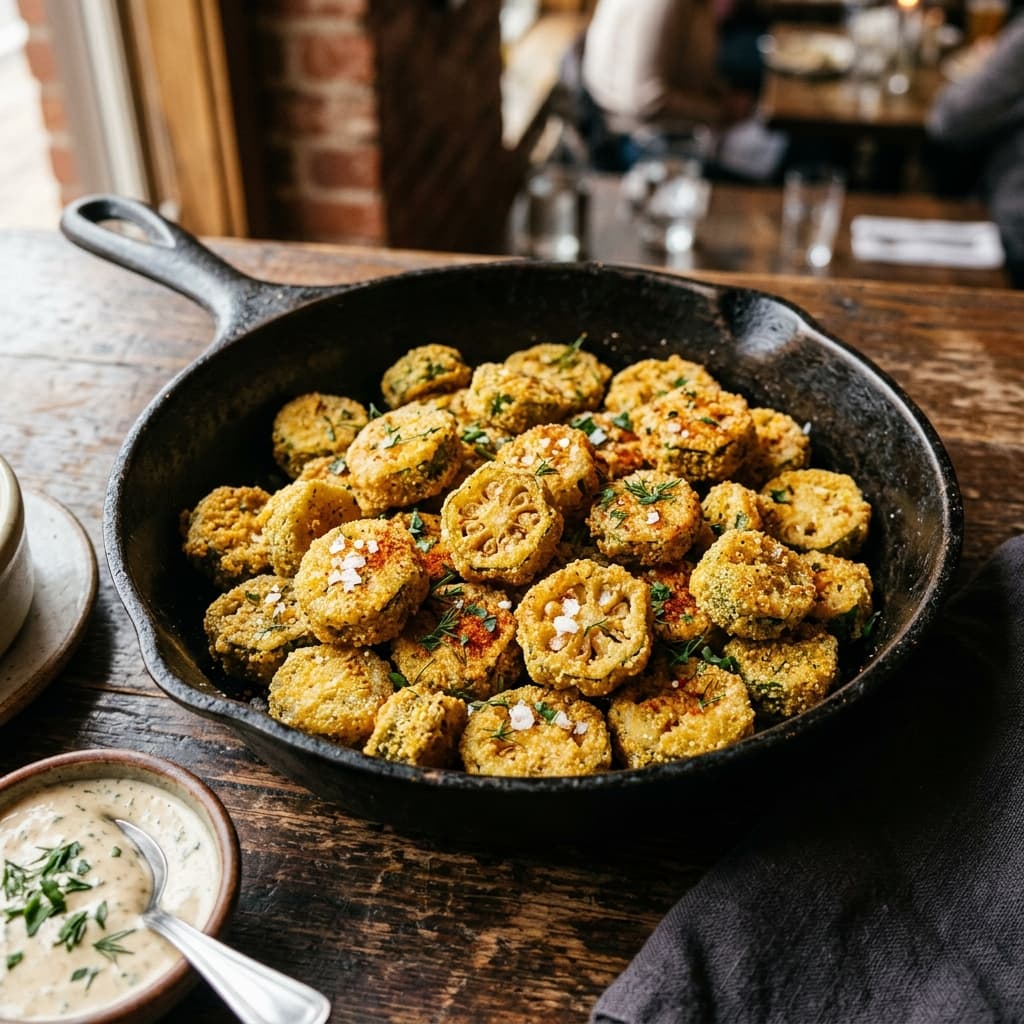
- Deep-fried plant-based snacks.
- Excessive caffeine after 2:00 PM for sleep hygiene.
Soy Alternatives & Substitutions Guide
Replacing soy in a plant-based diet is simple once you know the best culinary alternatives. Use this quick reference guide to make your cooking 100% soy-free:
- Instead of Tofu: Use chickpeas, butter beans, green peas, or seed-based protein alternatives like pumpkin seeds or hemp seeds. For scrambles, swap tofu for garbanzo flour.
- Instead of Soy Sauce / Tamari: Use Coconut Aminos. It is naturally soy-free, gluten-free, and contains significantly less sodium than traditional soy sauce.
- Instead of Tempeh: Look for seed-based protein patties or prepare bean-based patties using black beans, chickpeas, and quinoa.
- Instead of Soy Milk: Use oat milk, almond milk, hemp seed milk, or coconut milk. Always check labels to ensure no soy lecithin is added.
Adapting the Plan for Other Dietary Needs
Our dietitian-designed soy-free menu is highly customizable. If you have additional health goals or food sensitivities, here is how you can easily adapt this guide to meet your needs:
- Make it a Nut Free Meal Plan: Swap out almonds, walnuts, and nut-based spreads. Instead, use seed alternatives like pumpkin seeds, sunflower seeds, or sunflower seed butter.
- Adapt it to an AIP Meal Plan (Autoimmune Protocol): Omit seed-based proteins, grains, and nightshade vegetables (like tomatoes and eggplants) from the daily menus.
- Optimize for an Osteoporosis Diet Plan: Boost your calcium intake by incorporating calcium-fortified plant milks, sesame seeds, kale, and collard greens.
- Customize as a Fertility Diet Plan: Emphasize healthy fats by adding avocado and olive oil, and ensure high intake of folate-rich leafy greens.
- Modify for a Fatty Liver Meal Plan: Focus strictly on high-fiber, low-glycemic greens and complex carbohydrates while eliminating any refined sugars or processed seed oils.
Hidden Soy Ingredients to Watch For
Going dairy and soy free means reading every label carefully. Soy hides in many processed foods under names you might not recognize:
- Textured vegetable protein (TVP) — almost always made from soy
- Hydrolyzed plant protein — often derived from soy
- Soy lecithin — used as an emulsifier in chocolate, baked goods, and supplements
- Natural flavors — may contain soy-derived ingredients
- Vegetable broth — frequently contains soy
- Soy protein isolate — common in vegan meat alternatives and protein bars
- Miso and tamari — fermented soy products (use coconut aminos instead)
Tip: Use coconut aminos as a 1:1 replacement for soy sauce in any recipe.
Progress Check
Expect mild digestive adjustment; hydration is critical here.
Mental clarity begins to stabilize; bloating should subside.
Consistent energy levels; plan your long-term whole-food strategy.
Frequently Asked Questions
Is this meal plan dairy and soy free?▼
Yes, every recipe in this 7-day meal plan is completely dairy and soy free. We use plant-based milk alternatives like almond milk and oat milk, and all protein comes from whole-food sources like lentils, chickpeas, and hemp seeds.
What can I eat on a soy-free vegan diet?▼
A soy-free vegan diet includes all fruits, vegetables, legumes (lentils, chickpeas, black beans), whole grains (quinoa, rice, oats), nuts, seeds (hemp, pumpkin, sunflower), and plant-based milks made from oats, almonds, or coconut. Avoid tofu, tempeh, edamame, soy milk, and processed foods containing soy protein isolate.
How much protein can I get without soy?▼
This meal plan provides approximately 65g of plant-based protein per day without any soy. Lentils provide 18g per cup, chickpeas 15g per cup, and hemp seeds 10g per 3 tablespoons. Combined with quinoa, pumpkin seeds, and nutritional yeast, you can easily exceed your daily protein requirements.
How can I replace soy protein in my diet?▼
Replace soy with lentils, chickpeas, hemp seeds, quinoa, and split peas. These sources offer excellent amino acid profiles for muscle maintenance.
Is oat milk soy-free?▼
Yes, pure oat milk made from oats, water, and oil/salt is naturally soy-free. However, check the nutrition label, as some brands process oats in facilities that handle soy or package them alongside soy-containing products.
Are lentils soy-free?▼
Yes, lentils are legumes and are completely soy-free. They are one of the most reliable and protein-dense soy alternatives for vegans, offering about 18g of protein per cooked cup.
Can I lose weight on this diet plan?▼
The calorie target is set for a maintenance level, but the fiber-rich, whole-food focus often leads to natural weight management. Adjust portion sizes if significant weight loss is your goal.
What if I get hungry between meals?▼
Add an extra serving of raw vegetables or a small portion of raw nuts. Increasing your water intake often resolves false hunger signals.
Are there any supplements I need?▼
Vegans should always consider Vitamin B12 and Vitamin D3 supplementation regardless of the plan. Always consult with your primary physician before starting new regimens.
What can I use instead of soy sauce?▼
The best replacement for soy sauce is coconut aminos. It is made from coconut tree sap and sea salt, is 100% soy-free and gluten-free, and provides a similar sweet-savory umami flavor with up to 70% less sodium than regular soy sauce.
Get the Full Guide
Download the complete PDF version including grocery lists and meal prep instructions for easy printing and offline reading.

Stewart Lucas
Nutritionist & Recipe DeveloperStewart Lucas is a nutritionist and recipe developer representing the NutriGuide team. All articles, dietary guidelines, and meal plans published on this site are designed and audited by certified dietitians and clinical nutrition professionals to guarantee absolute accuracy.
Explore More
Community Reviews
Please log in to leave a review.